

Learn an easy, foolproof way to make your produce last longer while stocking up on smoothie-ready ingredients!
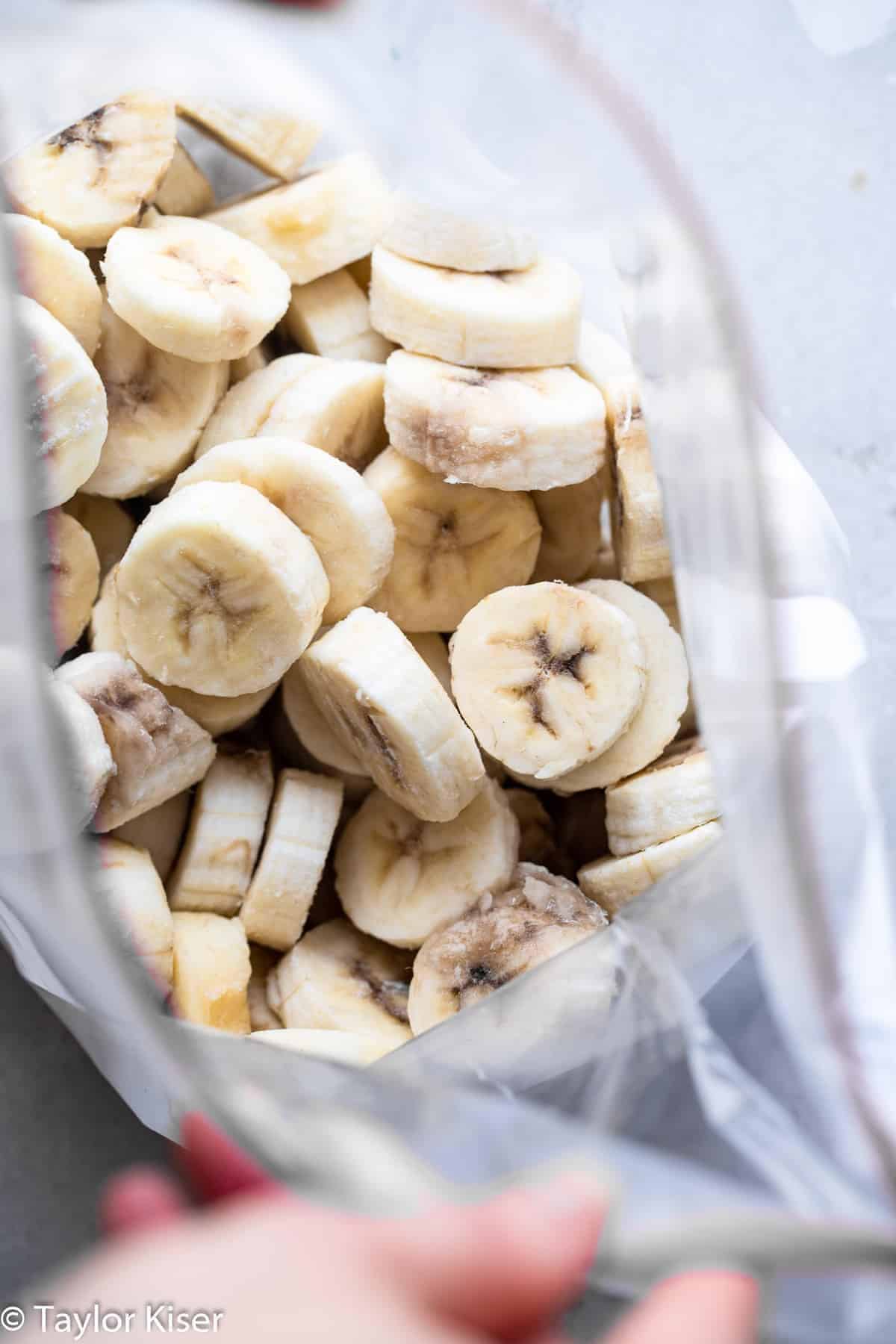
A frozen chocolate-dipped banana is my favorite treat at local summer events. But I never gave much thought to how those bananas went from fresh to frozen. That seems odd because I freeze all kinds of leftover dinners and baked goods—but I rarely freeze fruit. My only experience with the process was putting black, overripe bananas in their whole form in a freezer bag and tossing them into the freezer. Then I’d toss them into the trash the next time I cleaned out the freezer. So when I came across this recipe for how to freeze bananas, I was curious.
Turns out, I was doing it wrong. And it’s super easy to freeze bananas the right way! Now that I’ve got the procedure down, I slice and freeze half the fresh bananas I buy right away—instead of feeling bad for letting them go to waste. Having them ready to go from the freezer has leveled up both my smoothie-making and baking games.
Give this method for how to freeze bananas a try, and you’ll be glad you did! Your fresh fruit purchases will stretch much further, and your fruit-based snacks and baked goods will get an easy, healthy boost.
Are Frozen Bananas Healthy?
Frozen bananas are a healthy, naturally sweet snack or ingredient that retains nearly all the nutrients of fresh bananas. Each serving provides a good mix of carbs, fiber, natural sugar, potassium, and vitamin C in a low calorie count with very little fat.
Bananas are naturally gluten-free and vegan, but those following low-carb or ketogenic diets may want to limit their intake due to the relatively high natural sugar and carbohydrate content. For most people, frozen bananas are a nutritious, convenient way to add fiber, vitamins, and minerals to smoothies, desserts, and snacks.
How Bananas Became An American Favorite
Banana plants thrive in rich, well-drained soil and require consistent rainfall and temperatures between 75°F and 95°F to produce their iconic fruit. The majority of the world’s bananas are cultivated in India, China, the Philippines, Ecuador, Colombia, Costa Rica, and Guatemala.
Bananas became a common fruit in the U.S. in the late 19th and early 20th centuries, thanks to advances in refrigeration and global shipping. Before that time, bananas were considered an exotic delicacy, rarely seen outside port cities. The development of refrigerated transport allowed bananas to be shipped long distances without spoiling, making them widely available and affordable. Large fruit companies established plantations in Central America and the Caribbean, creating efficient supply chains that brought bananas to grocery stores across the U.S.
How Do I Store Leftovers?
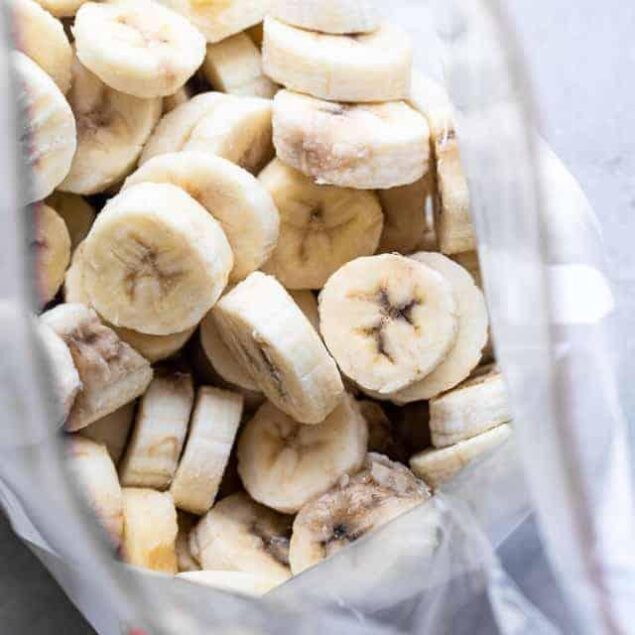
Once your bananas are frozen, they’ll stay at their best quality in an airtight container or freezer bag in the freezer for up to 6 months. If your frozen bananas develop large ice crystals, turn brown or gray, or pick up an off smell, it’s time to toss them. To keep frozen bananas at their freshest, always use airtight packaging, label it with the date, and store them in the coldest part of your freezer.
Serving Suggestions
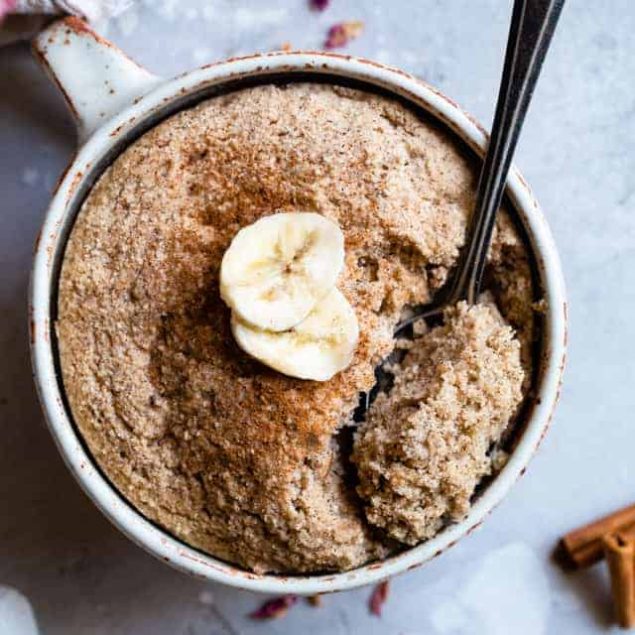
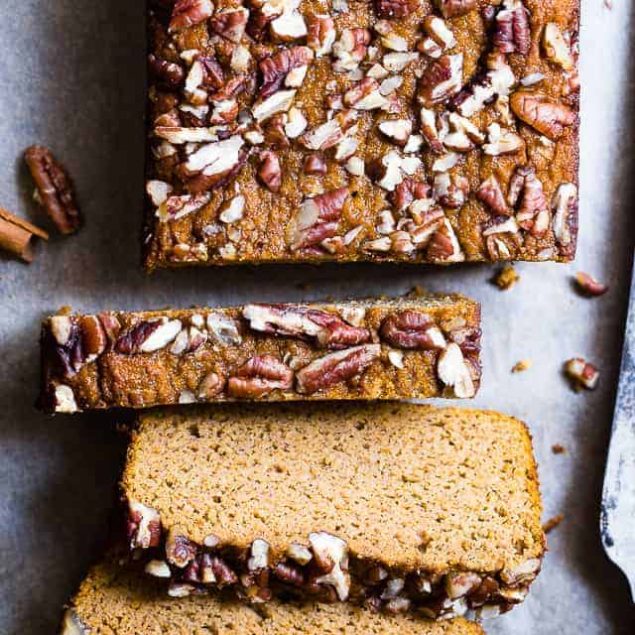
Once you’ve learned how to freeze bananas, you’re equipped to take on a whole new world of recipes! The most obvious are banana bread recipes. But you can use them in everything from Cookie Dough Vegan Banana Ice Cream Bars to this Peanut Butter-Banana Overnight Oats Recipe With Almond Milk to a Banana Split Vegan Smoothie Bowl to a Vegan Banana-Matcha Smoothie.
Ingredients
- 4 large ripe bananas or as many as you want
Instructions
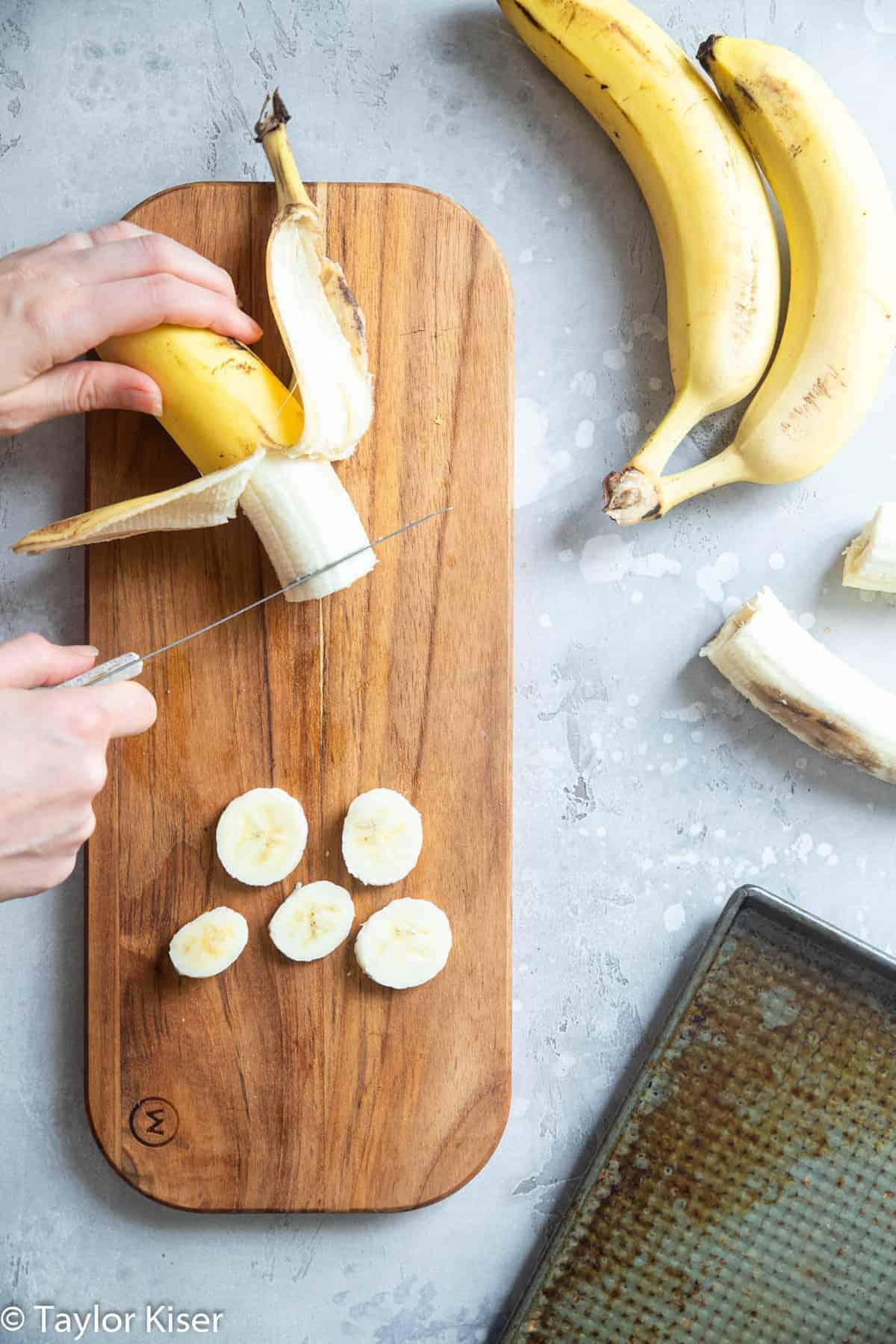
- Peel the bananas and slice them vertically into coins that are roughly 1/2 inch thick.

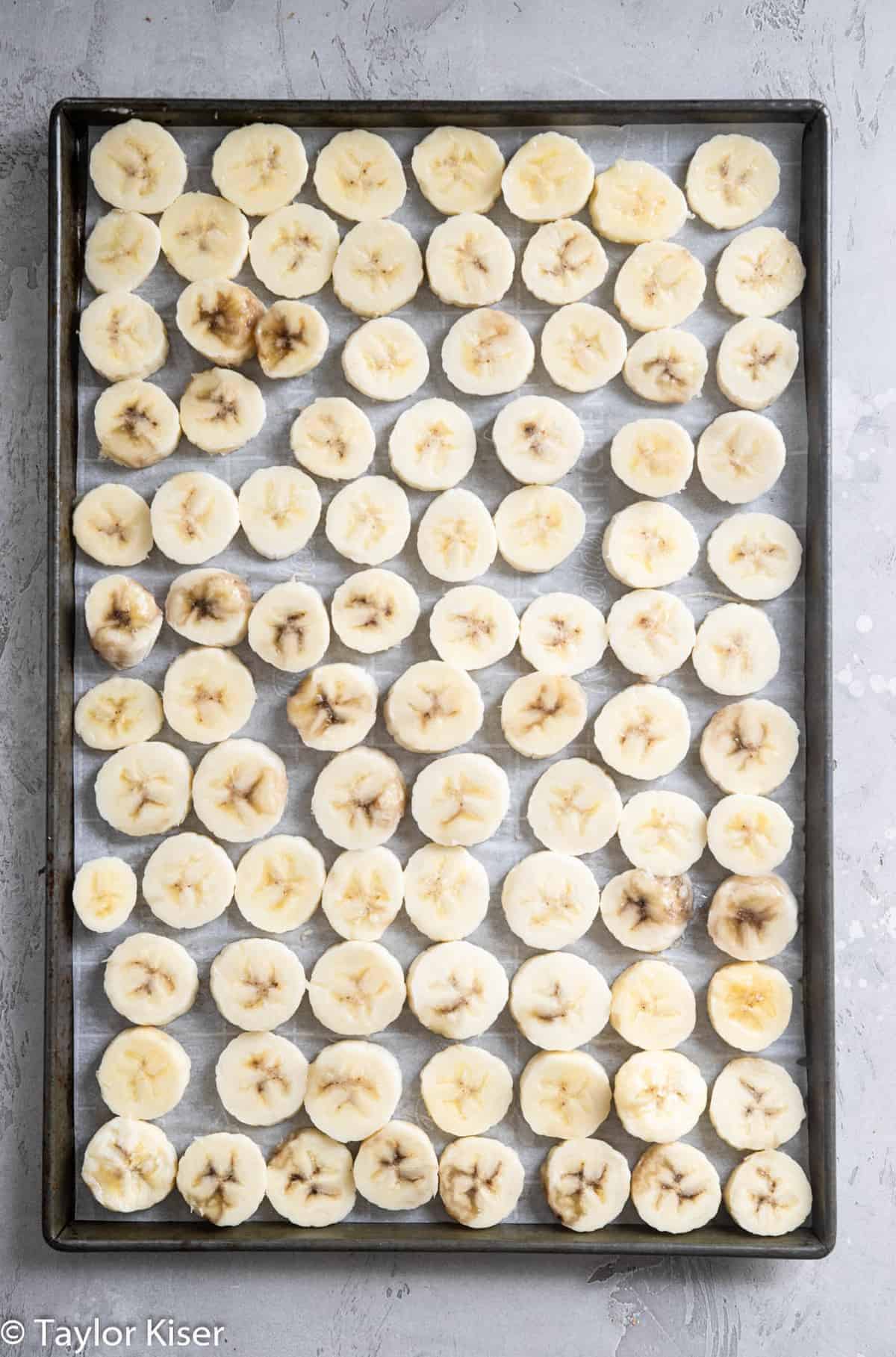
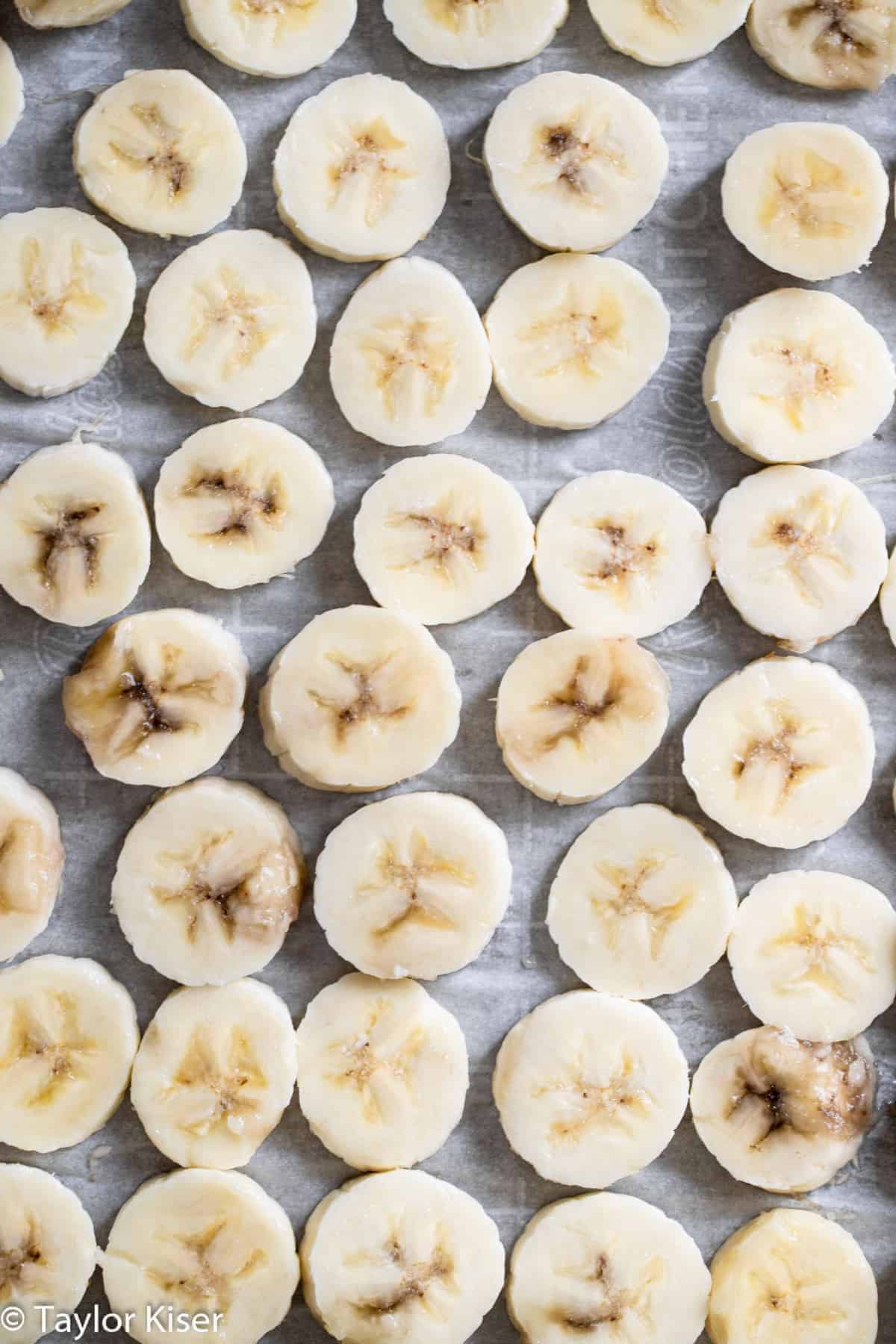
- Line a baking sheet with parchment paper. Place the bananas on the baking sheet in a single row.
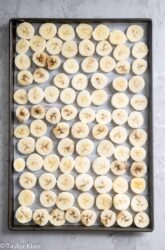
- Place the baking tray in the freezer. Let them freeze until the bananas are firm, at least 2 hours or overnight.
- Transfer the frozen bananas to a large, freezer-safe, zip-top bag.
- Store in the freezer and use as needed!
Nutrition Info:
Nutrition information are estimates only and may vary based on the specific brands, ingredients, and portion sizes you use. This data is provided for informational purposes only.


Leave a Comment