

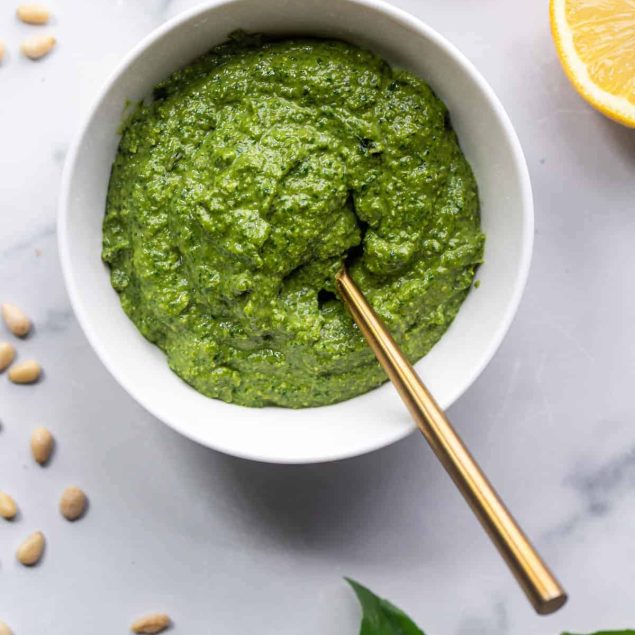
This Dairy-Free Pesto packs so much flavor and is so versatile. Use this gluten-free and paleo recipe as a spread, dip, or sauce!
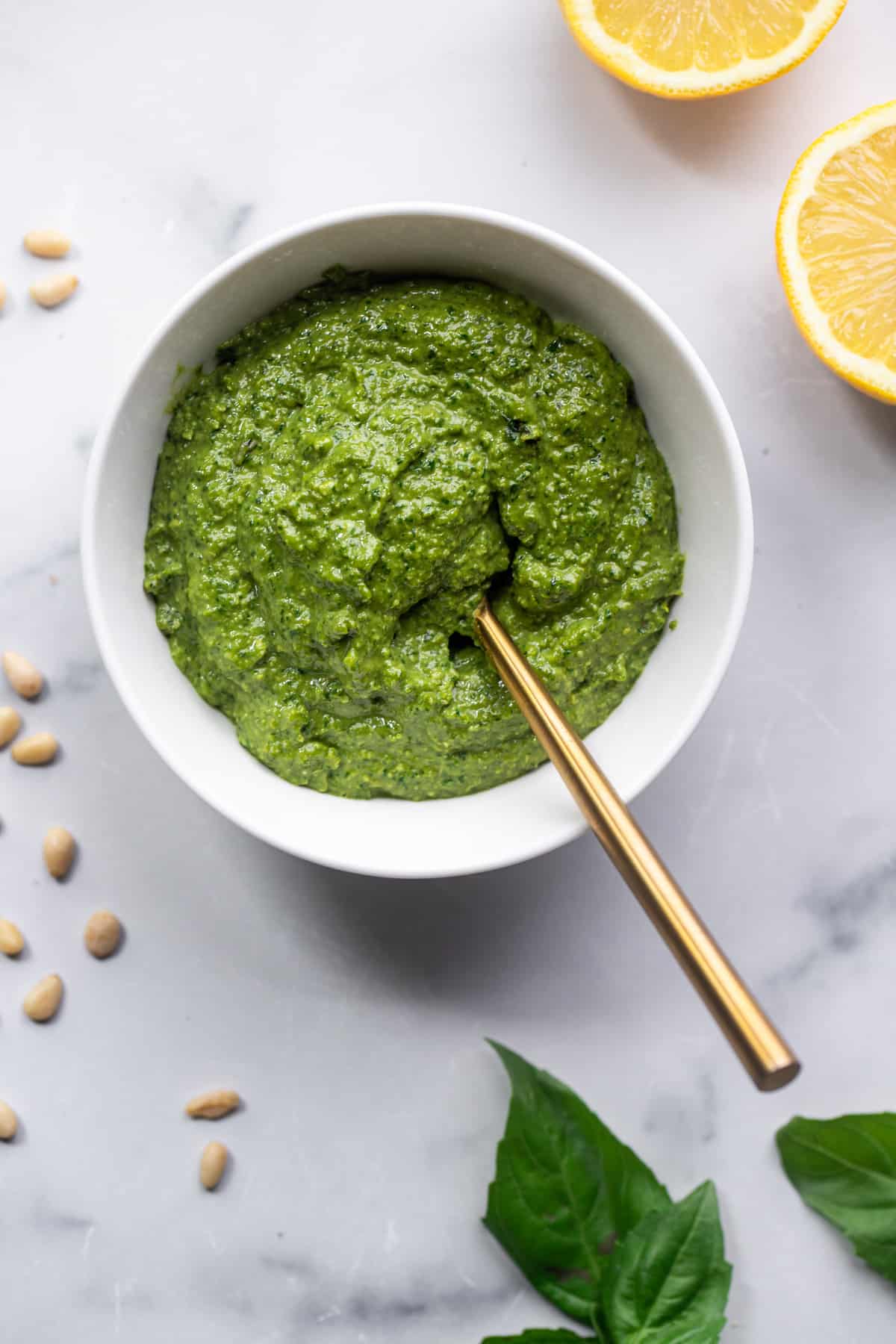
During my student days, as much as I loved to cook, I simply did not have the space (and often the energy) to create lavish meals or try out new recipes. My dinners usually consisted of a ready-made meal heated up in the microwave, salads, takeout (I know), or anything easy enough to be made in the one pan and the portable electric burner my parents had given me.
When I was keen enough to cook, nine times out of ten, it was pasta with pesto. It didn’t get any easier than that. Boil pasta, drain pasta, stir in pesto, eat. Sometimes I threw in a handful of sliced cherry tomatoes for a little extra color, and if I was feeling fancy, I added some Parmesan cheese (the stuff from a bag). I was lucky because there was no shortage of pesto varieties, so I never got bored with those pasta pesto nights and actually thought I was eating quite well. Until I discovered how easy it is to make your own pesto and decided I could do much better. With just a few basic ingredients and a small food processor, I was able to make a vibrant green sauce that tasted so much better than the store-bought varieties.
Slowly but surely, I got braver in my pesto experiments, using different greens instead of the traditional basil, or trying out new olive oils. One time, when a vegan friend joined me for a bowl of pasta, I came up with a dairy-free version that tasted just as delicious as the one made with Parmesan cheese. It still had all the tang and freshness—and it’s great over more than just pasta! If you’ve never made pesto before, you’re about to fall in love with the ease of making it, not to mention with its taste!
Is Dairy-Free Pesto Healthy?
It most certainly is! Made with basil, which, like most leafy greens, is a good source of vitamin K, it also has healthy fats courtesy of the olive oil. This recipe only calls for a minimal amount of salt, and because the other ingredients have so much flavor, you can easily omit it without affecting the results.
What Is Pesto Sauce?
I absolutely LOVE Pesto. It’s so versatile and lends so much flavor to any dish you add it to—but what is it, exactly? Pesto is a bright green sauce with roots in Genoa, in the Liguria region of northern Italy. The original recipe is believed to date back to the 19th century, when it appeared in Giovanni Battista Ratto’s cookbook, La Cuciniera Genovese. Interestingly, his recipe called for Dutch cheese along with Parmesan and mentioned the option of replacing the basil with marjoram or parsley. The recipe we know today, however, is made by crushing fresh basil leaves, garlic, pine nuts, Parmesan cheese, and olive oil together using a mortar and pestle (the word “pesto” actually comes from the Italian word pestare, meaning “to pound” or “to crush”).
This simple yet flavorful combination can be used in countless ways. You’ll often find it as a pasta sauce, spread on sandwiches, or mixed into dips and dressings to add a burst of herby freshness. There are also many variations of pesto, including sun-dried tomato pesto (pesto rosso) or versions made with ingredients like arugula, kale, or different types of nuts.
How to make Ahead and Store
Pesto keeps really well in the fridge and freezer for future use. To store your pesto in the fridge, simply keep it in an airtight container, and it will last for up to 1 week. To store it in the freezer, I recommend freezing the pesto in an ice cube tray. It can be kept for up to 6 months. Thaw and use as needed!
Serving Suggestions
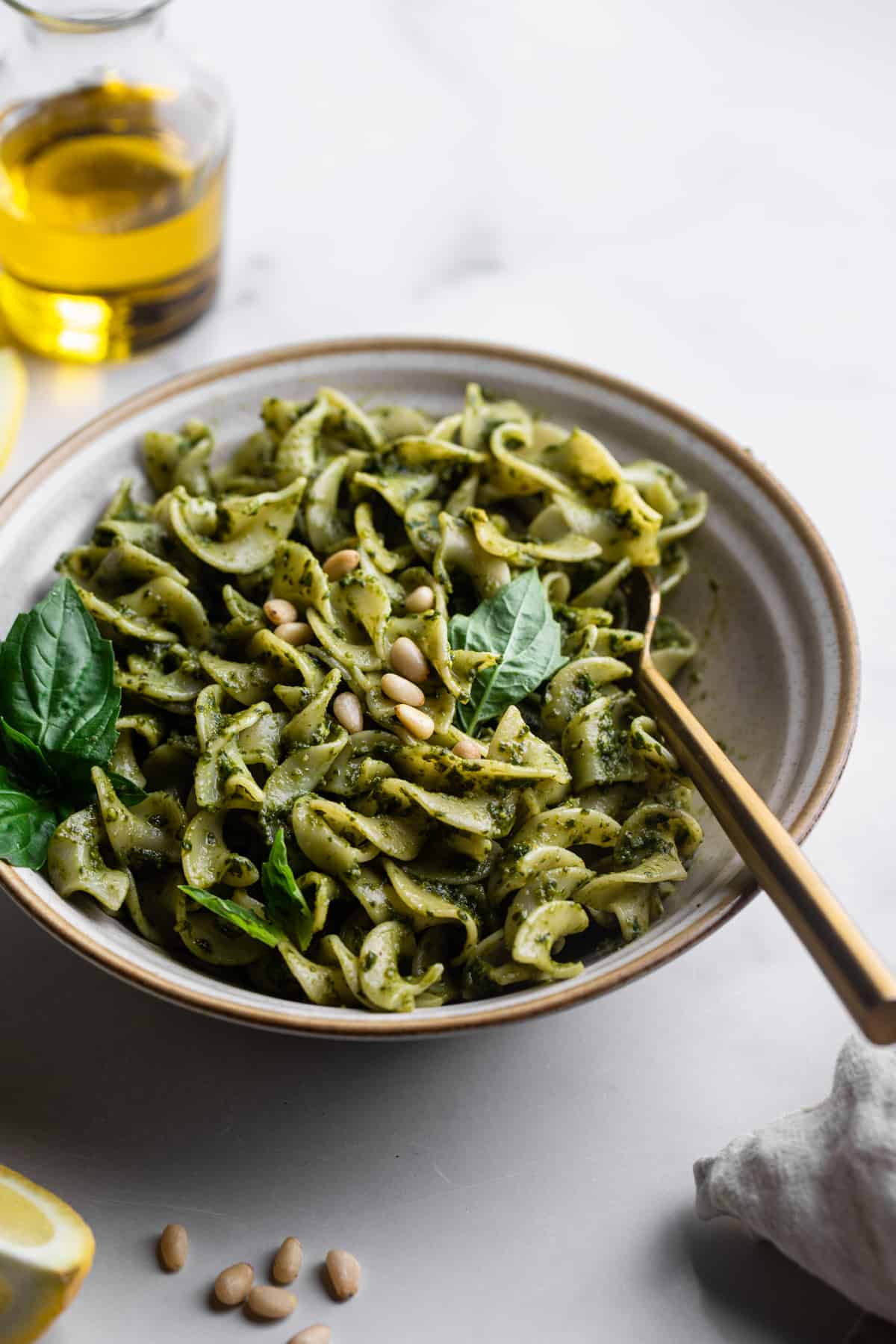
Whatever way you choose to use it, pesto is absolutely delicious! It would be great instead of tomato sauce on top of a Sweet Potato Pizza Crust or a Paleo Pizza. Of course, it’s the perfect match with Homemade Pasta, and you can also stir it through a bowl of Air Fryer Gnocchi. It will add zest to all kinds of sandwiches, and you can even jazz up your Mayonnaise with a teaspoon or two!
Ingredients
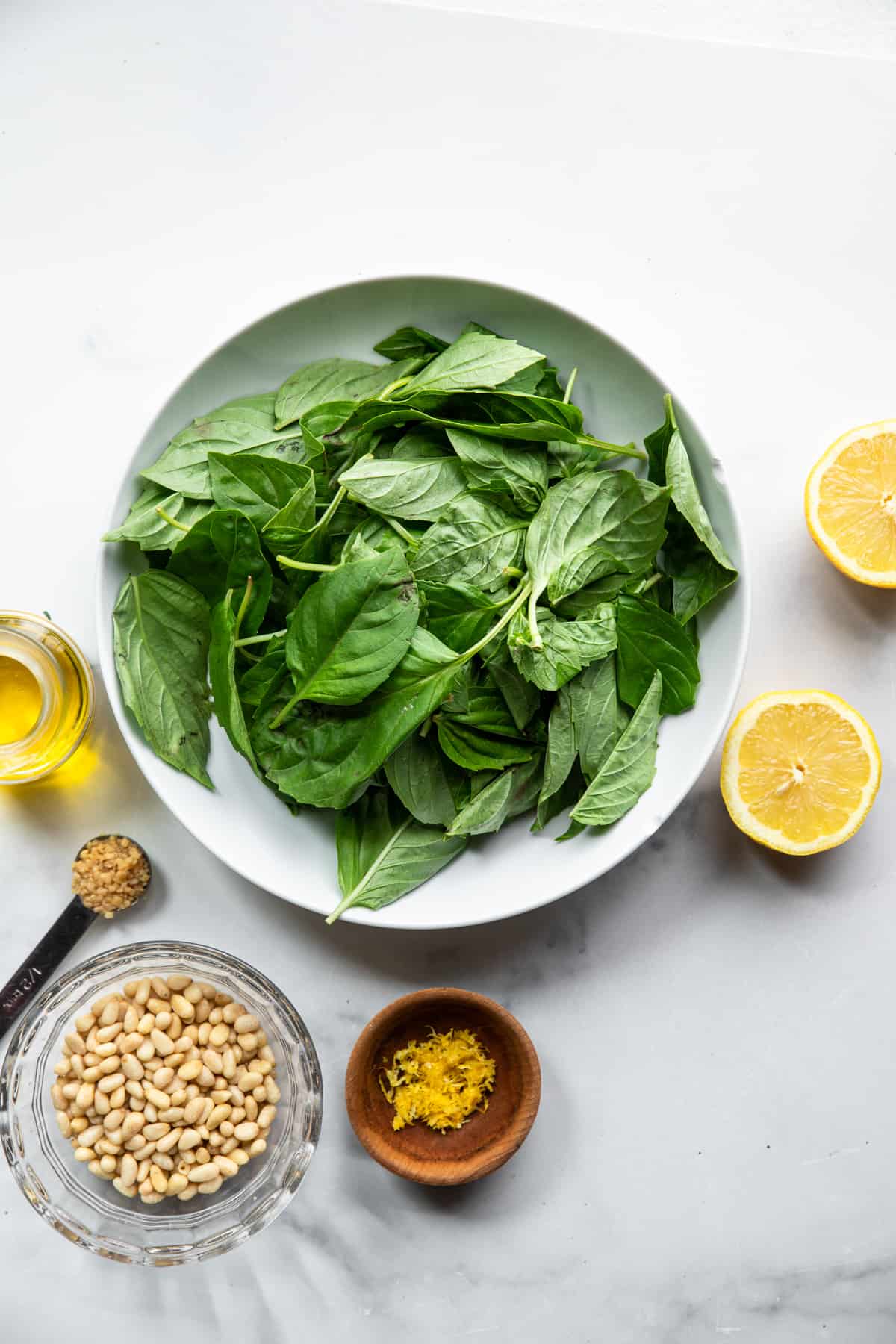
- 1/3 cup pine nuts
- 2 cups fresh basil leaves lightly packed
- 1-2 teaspoons fresh lemon juice to taste
- 1/2 teaspoon lemon zest
- 1/2 teaspoon fresh garlic minced
- 1/4 teaspoon salt
- 1/4 cup olive oil
Instructions
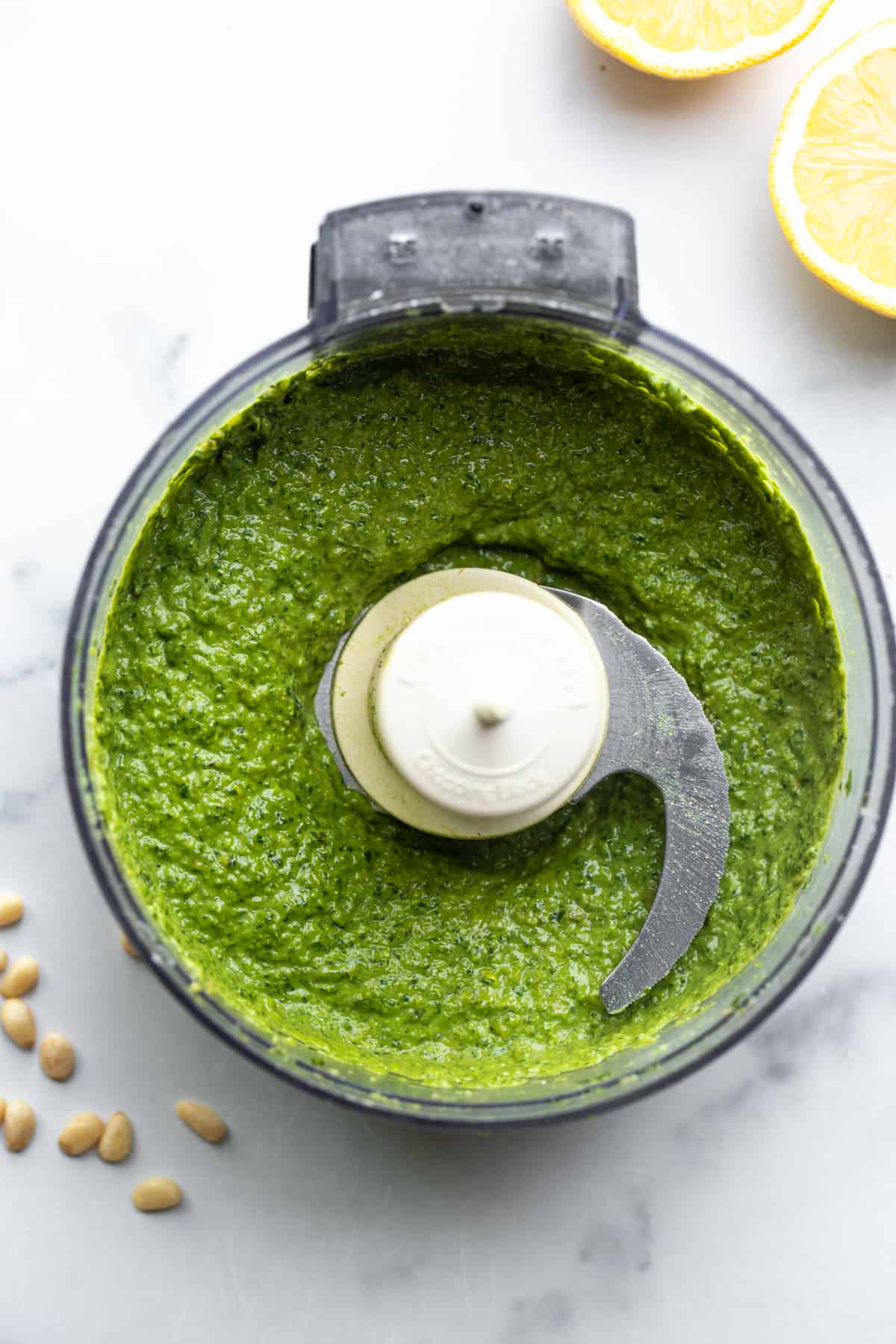
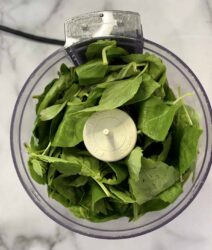
- Place the pine nuts and basil in a small food processor (mine is 3 cups) and process until broken down.
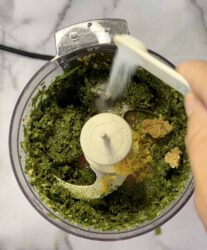
- Add the lemon juice, zest, garlic, and salt and process again.
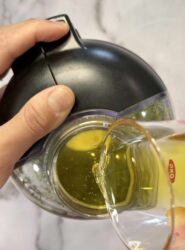
- With the food processor running, stream in the olive oil until well mixed. Adjust salt and lemon if you want more tang.
Nutrition Info:
Nutrition information are estimates only and may vary based on the specific brands, ingredients, and portion sizes you use. This data is provided for informational purposes only.


Leave a Comment