

Ran out of store-bought brown sugar? No problem! As long as you have white sugar and molasses, you’re golden.
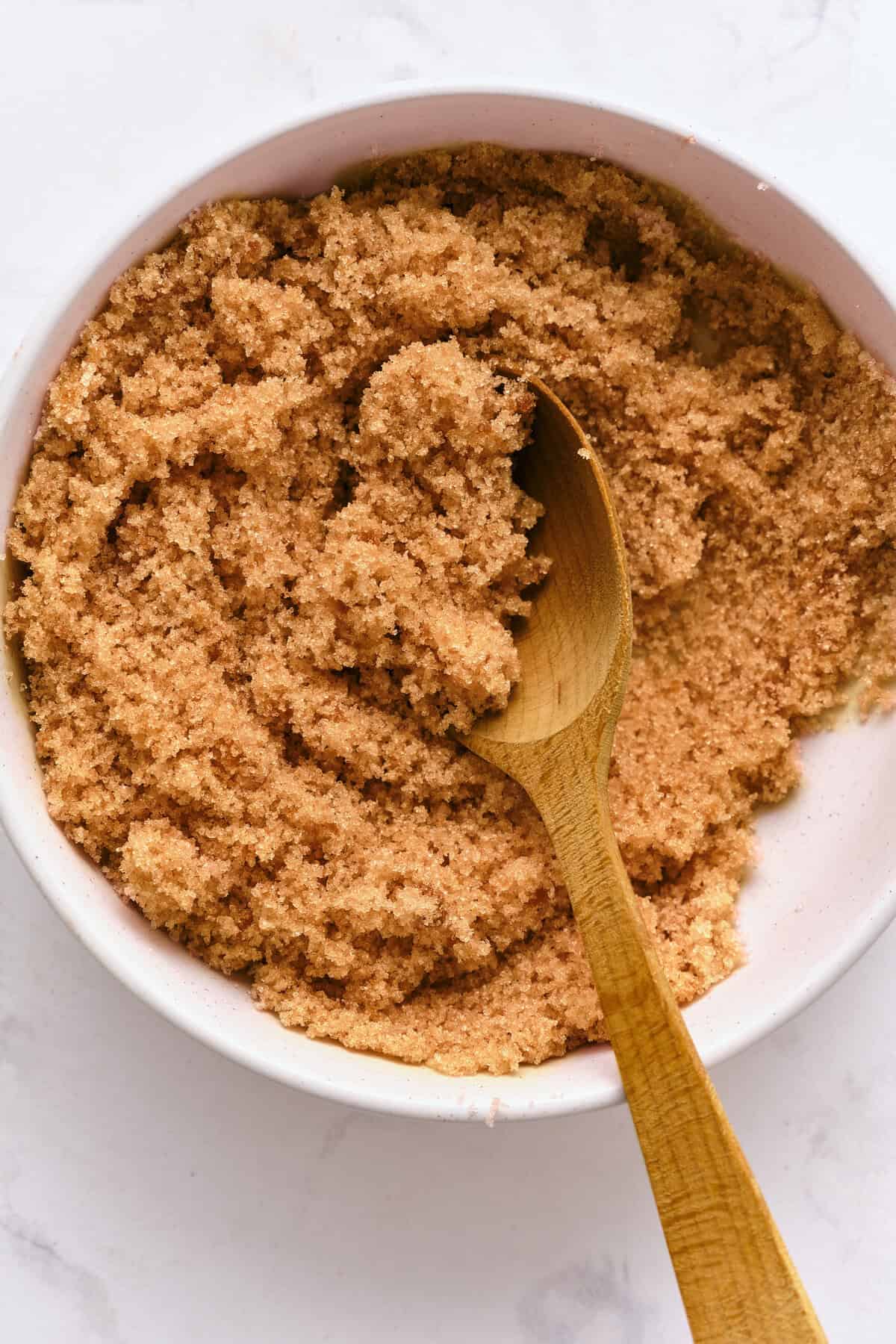
As someone whose mother baked yummy treats a lot when I was little—and still does now and then—I’ve learned the ins and outs of what makes sugar, well, sugar. There are many different kinds, especially now that alternative sweeteners are popping up. But before we can even begin to touch on monk fruit or stevia, let’s understand the basics of classic brown sugar. This luscious, sweet crystal can enhance all kinds of treats, and it’s very simple to make from scratch.
Growing up, I found it mesmerizing to watch my mom pack all the brown sugar into a measuring cup. I thought she was making sandcastles at first, but after she gave me a small sample, I quickly realized this stuff was not only edible—it was delicious. With the magical sweet sand, she’d bake chocolate chip cookies, cakes, pies, and more. Each time, I became more and more convinced that brown sugar was superior to white sugar because of its elevated flavor and enticing color.
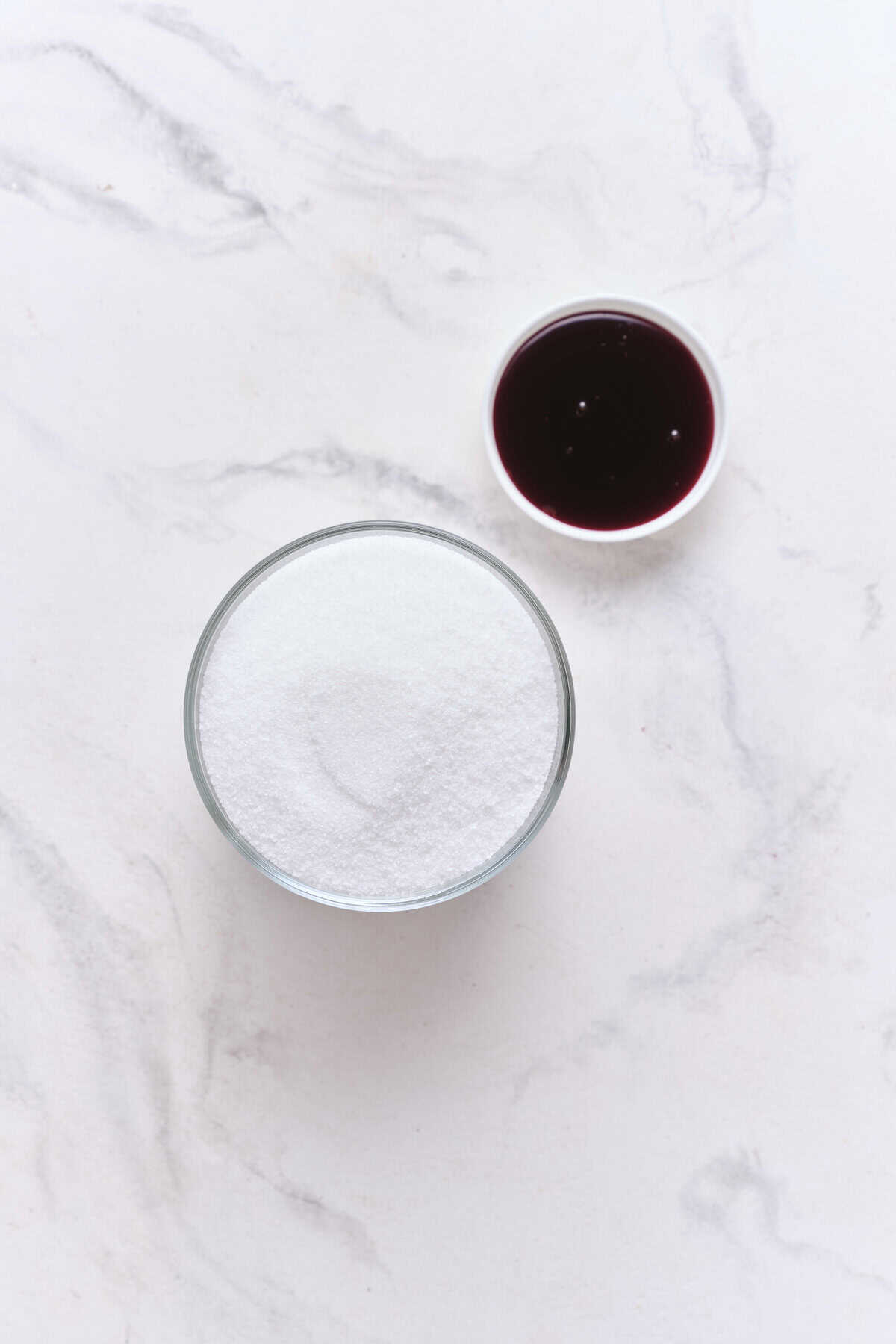
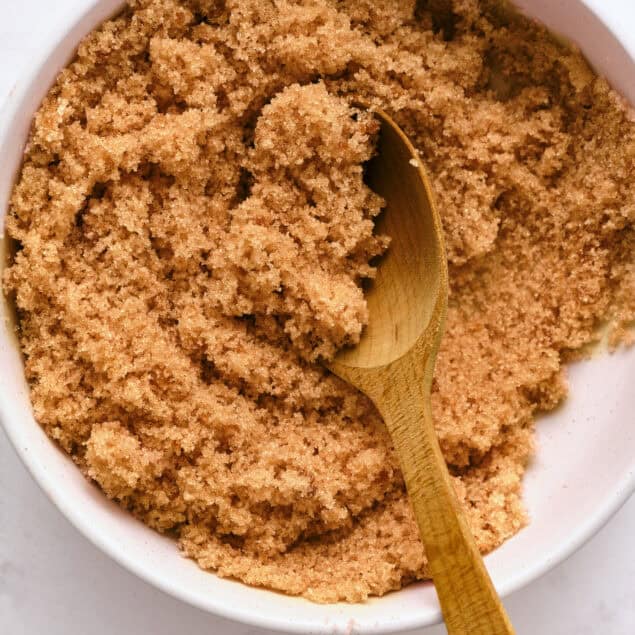
Although I used to think it was “born this way,” brown sugar isn’t naturally brown. It’s actually a blend of white sugar and molasses. These two ingredients harmonize to create a rich flavor and slightly moist texture that stands out beautifully in all kinds of baked goods. From brunches to desserts—and even some dinners like chili—this epic little ingredient can enhance a whole meal.
What’s the rawest form of sugar?
As it turns out, the rawest form of sugar contains natural molasses from the sugarcane plant. This includes unrefined sugars like jaggery, piloncillo, or panela, all of which are the least processed and least refined sugars that we can use. Jaggery is commonly cultivated and cooked with in Asia, while panela and piloncillo come from Latin America. Since sugarcane is a tropical plant, it prefers hotter weather and thrives in locations that are closer to the equator. This majestic plant has a juice that tastes sweet like honey, with a slightly floral aftertaste and hints of molasses. This part of the plant could also be considered the rawest form of sugar we have access to.
How do I store leftovers?
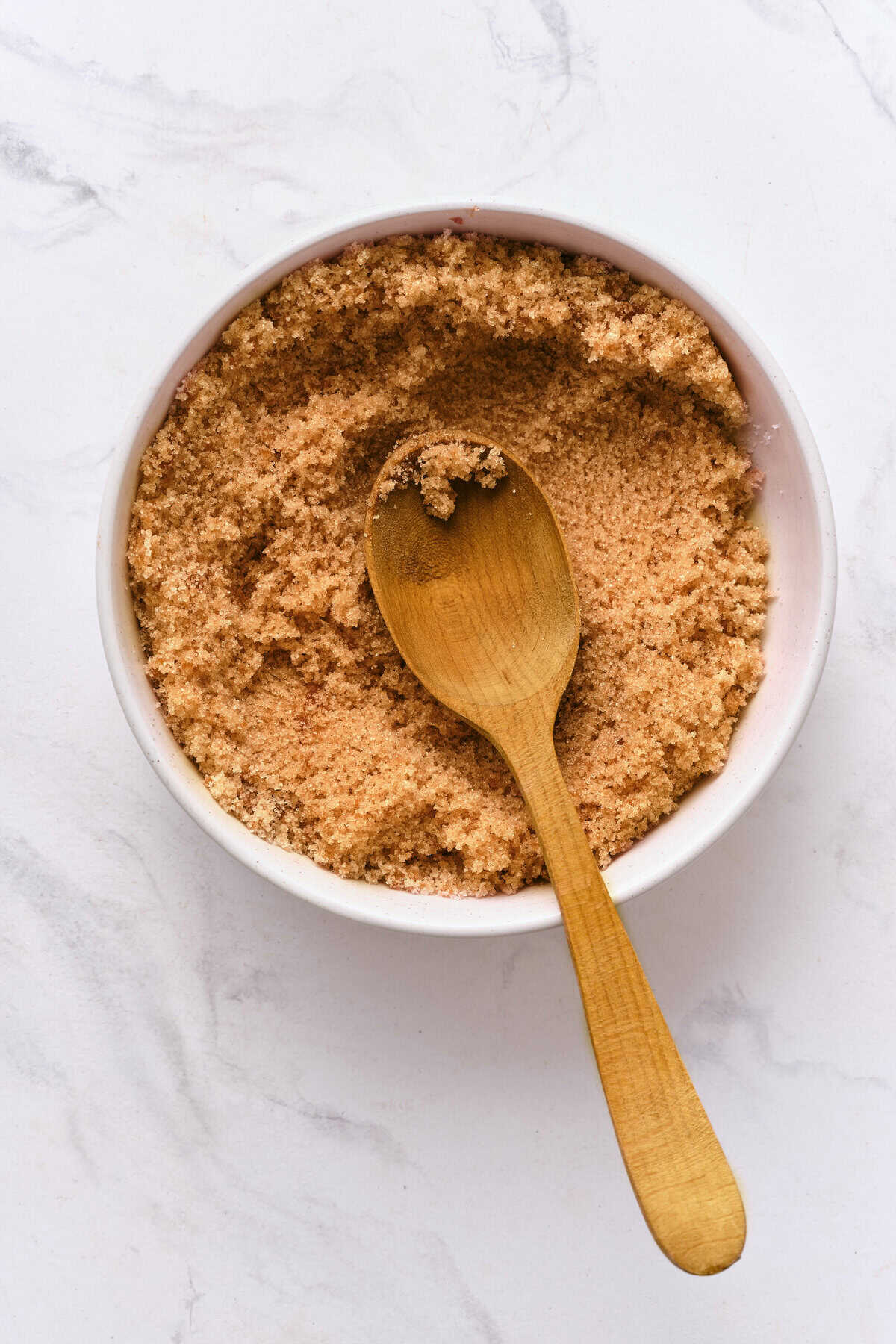
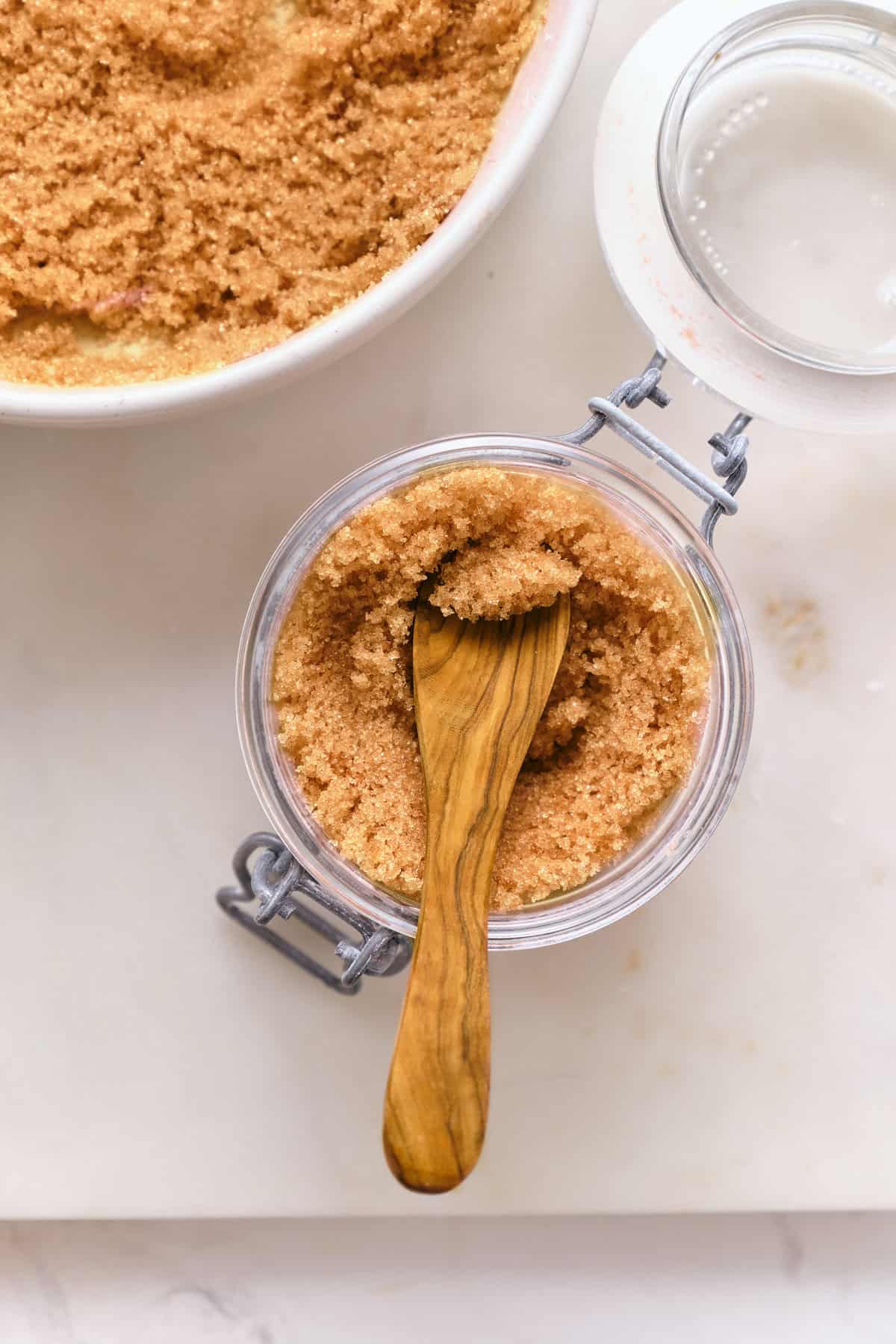
Keep your homemade brown sugar in an airtight container somewhere cool and dark, like the pantry you keep your other baking ingredients in. I recommend labeling the container so you don’t forget what’s inside it. The more sugars you collect, the more they’ll look the same from the outside. It will last at room temperature for 3-6 months, after which it will dry out and become hard. However, you can still soften it after that happens by microwaving it.
Serving suggestions
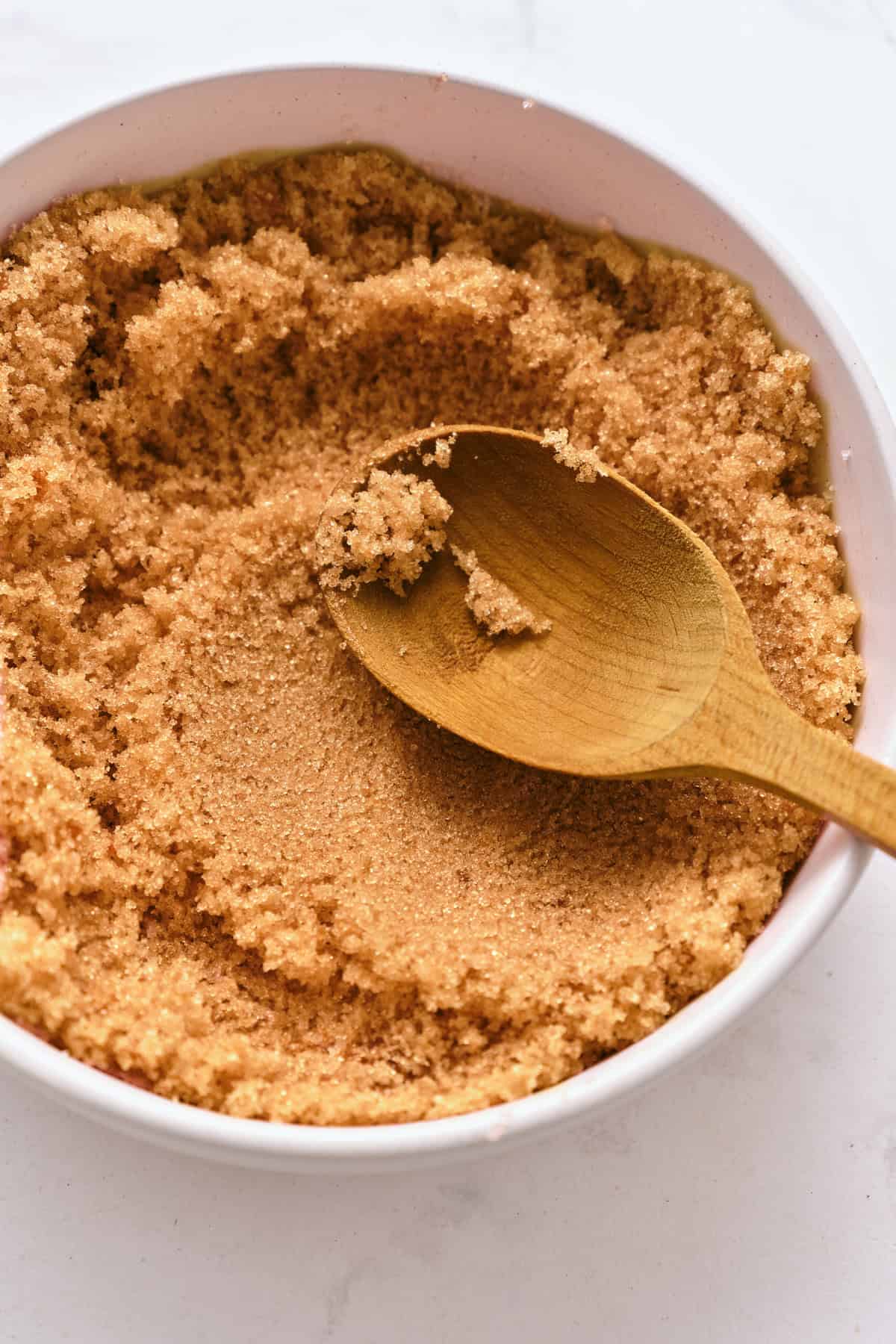
Of course, any recipe with “brown sugar” in the ingredient list can benefit from this homemade version. If you’re seeking a stellar breakfast or brunch, try Protein Oatmeal, Maple Brown Sugar Oatmeal, Baked Brown Sugar Bacon, or Easy Vegan Cinnamon Rolls. Otherwise, incorporate it into any dessert you’d like, from Brown Sugar Chewy Butter Pecan Cookies to Easy Gluten-Free Dairy-Free Brownies. And if it’s a salty-sweet dinner you’re craving, try Brown Sugar Pork Chops and Instant-Pot Sweet Potatoes.
Isn’t it amazing that one tiny crystal can spread so far and wide to make a meal unforgettable?
Ingredients
- 1 cup granulated sugar
- 1 tablespoon unsulphured molasses
Instructions
- In a mixing bowl, add granulated sugar and unsulphured molasses. For darker brown sugar, you can add an extra teaspoon of molasses.
- Stir the ingredients with a spatula until the sugar is evenly colored, smooth, and free of lumps.
- Transfer the brown sugar to an airtight container immediately to keep it fresh and prevent clumping.
Nutrition Info:
Nutrition information are estimates only and may vary based on the specific brands, ingredients, and portion sizes you use. This data is provided for informational purposes only.


Leave a Comment