

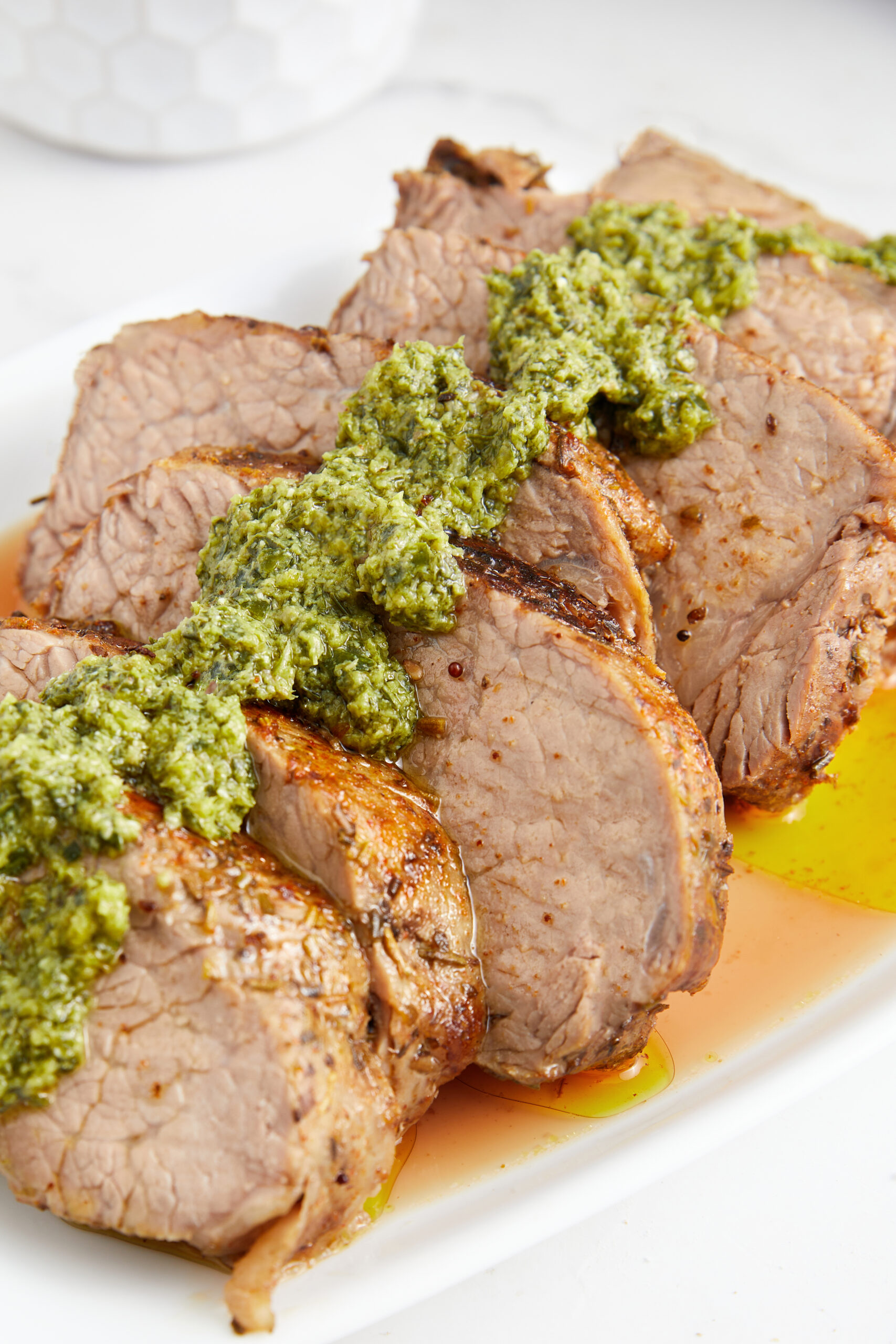
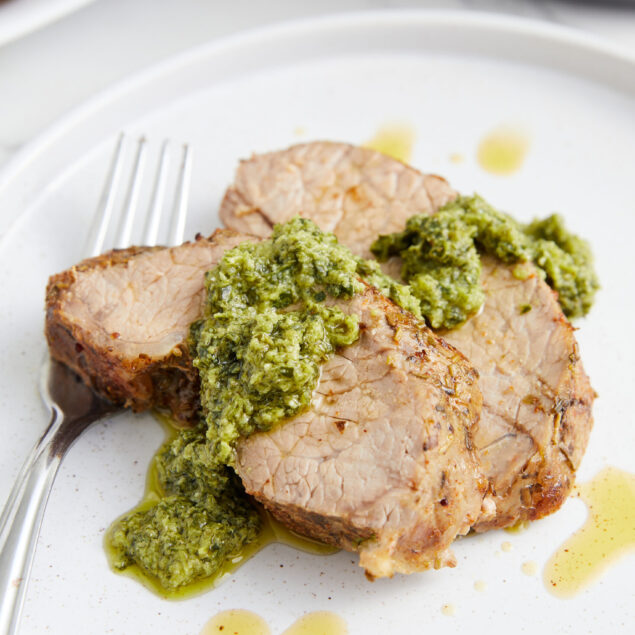
This recipe yields tender, juicy beef with a delectable crust every time.
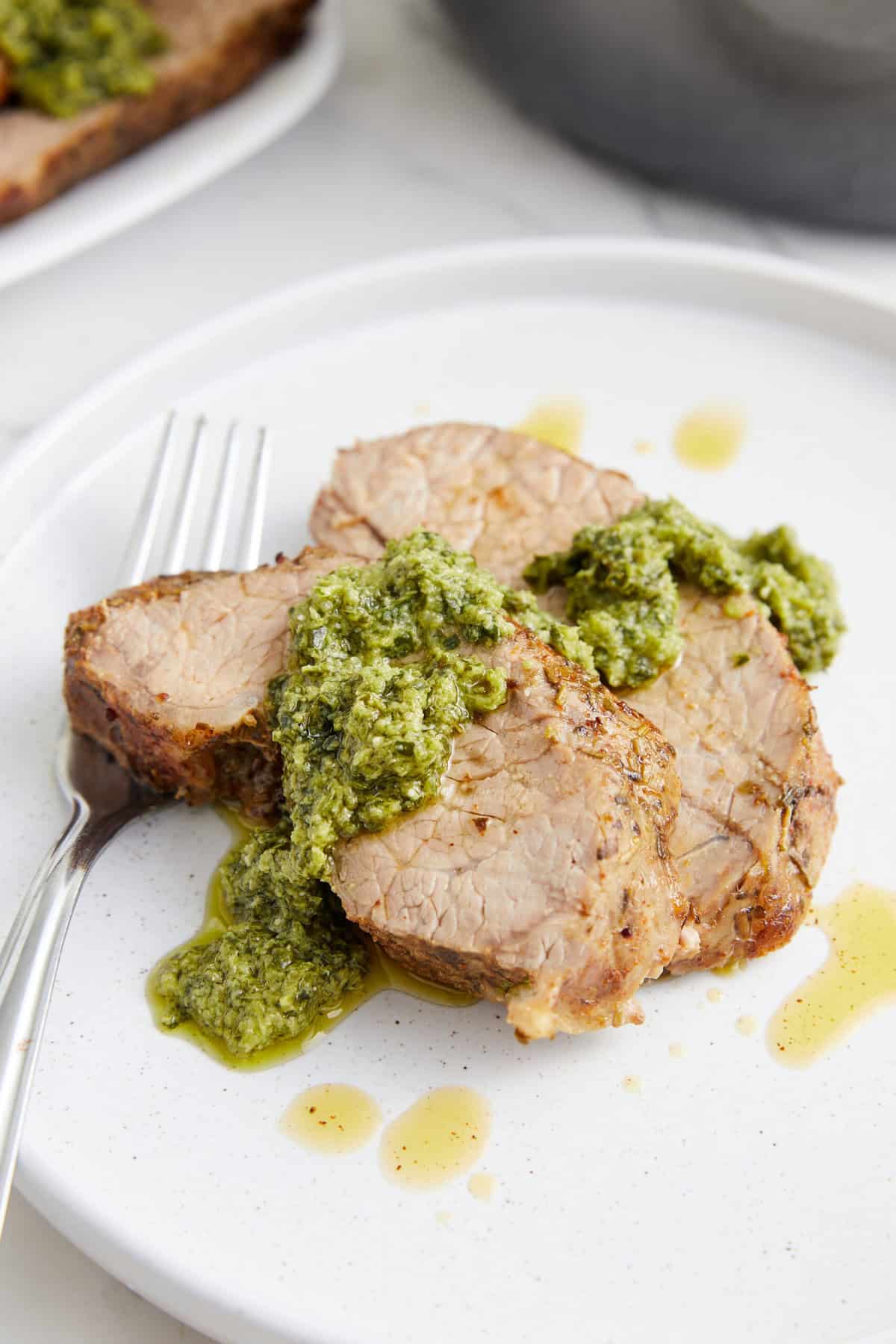
I’m still relatively new to the world of sous vide—but I’m having fun exploring this exciting cooking method. I first saw it in action in a cooking class I took with a group of friends. That was years ago, though, and I pretty much forgot everything I learned at that time. Then I found this recipe for sous vide tri-tip. It’s essentially foolproof, yielding a piece of meat that is tender and incredibly delicious every time.
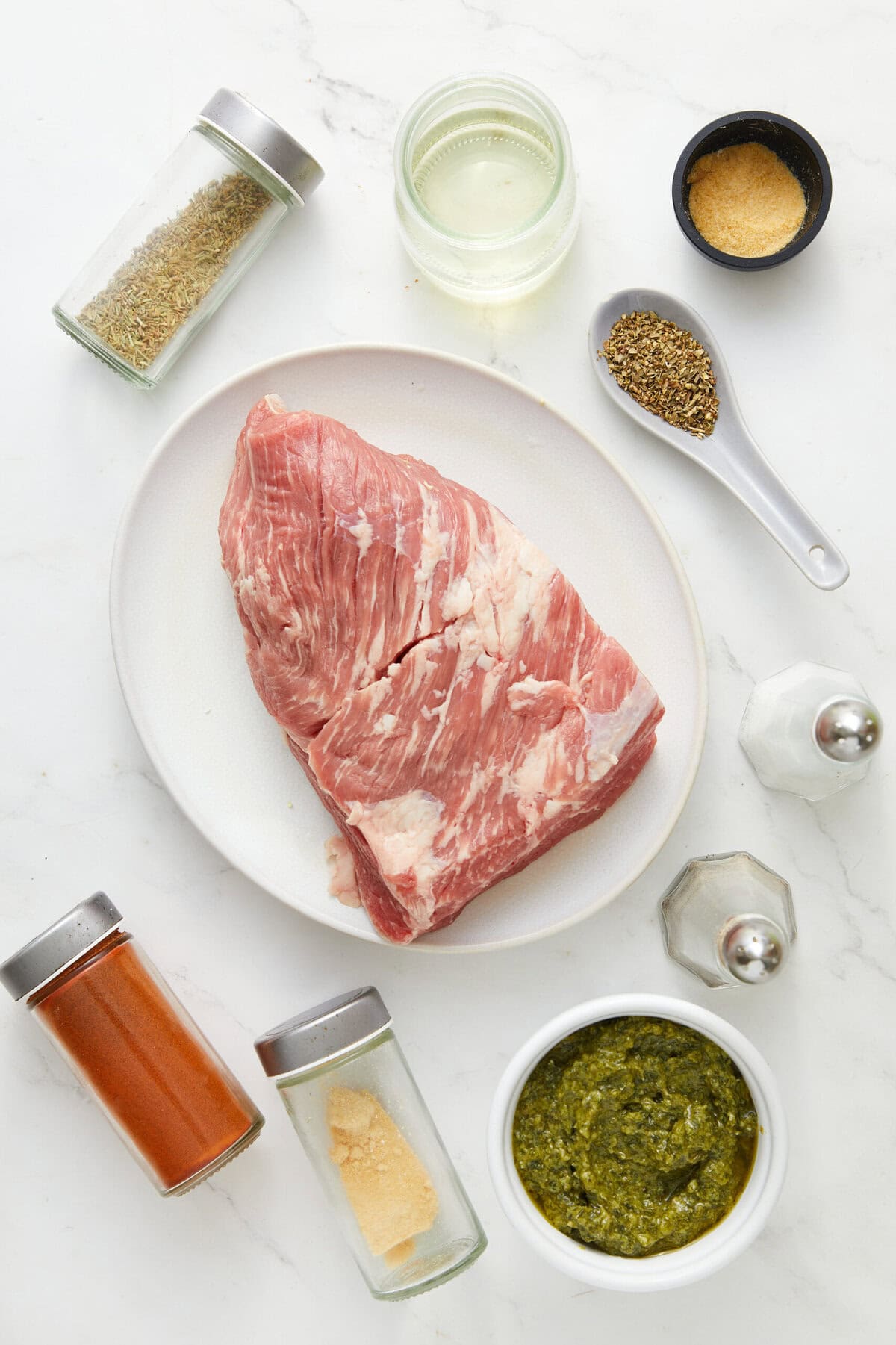
The seasonings in this recipe are fairly simple, meant to enhance the rich beef flavors produced from sous vide cooking. The smoked paprika rings out smoky notes, while the garlic and onion powders underscore the meat’s savoriness, and the thyme and oregano bring in bright freshness. The chimichurri sauce includes vinegar, cilantro, dill, and other elements that deliver bright acidity and herbaceousness to balance the richness of the meat. It also adds color to your plate with its vivid green hue, making your meal that much more appealing.
One of the benefits of using tri-tip is that it is a more economical cut of beef that still packs a wallop of flavor when appropriately seasoned. So, if you’re on a budget but still want to serve your family a delicious beef dinner, tri-tip is one of the best options. And when I use this sous vide method, I can forget about it for a few hours—no turning, basting, or checking required. The hot water bath does all the cooking for you.
A primary benefit of sous vide cooking is that the meat cooks in its own juices, infusing it with the natural flavors of the seasonings you use. It’s no wonder that so many restaurant chefs use sous vide cooking for meals. The final searing in a hot skillet or on the grill gives the meat a glorious crust.
Sous vide 101 for beginners
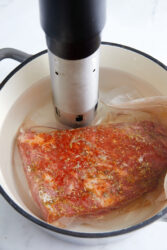
When I first got my sous vide circulator, I had no idea what I was doing. You can either purchase an all-in-one sous vide pot or a separate attachment that hooks onto one of your existing pots. I went with that approach because I’m out of room for any more large kitchen items. In either case, the sous vide machine heats and circulates the water in the pot, maintaining a constant temperature throughout the entire cooking time. You place the food to be cooked inside a sealed container or bag, then place it in the water bath to cook.
- What types of containers or bags are best?
Go with vacuum-seal bags, high-quality resealable freezer bags, or silicone bags. The benefit of vacuum-seal bags is that you know the food is sealed well and all the air has been removed. However, you cannot open them to check the meat’s temperature as you can with resealable freezer or silicone bags. Whichever type you choose, the main point is to ensure that all the air is removed and the seal is tight.
Other containers used in sous vide cooking include small glass mason jars, which are ideal for making yogurt, custards, and Sous Vide Egg Bites.
- What is the water displacement method?
The water displacement method is an effective way to remove air from silicone or freezer bags when a vacuum sealer is not available. First, seal your bag most of the way, leaving a small opening at one corner. Slowly and carefully submerge your bag in the hot water, keeping the open corner above the water line. The water pressure will force any remaining air out through that opening. Once it does, finish sealing the bag and proceed with cooking.
How do I store leftovers?
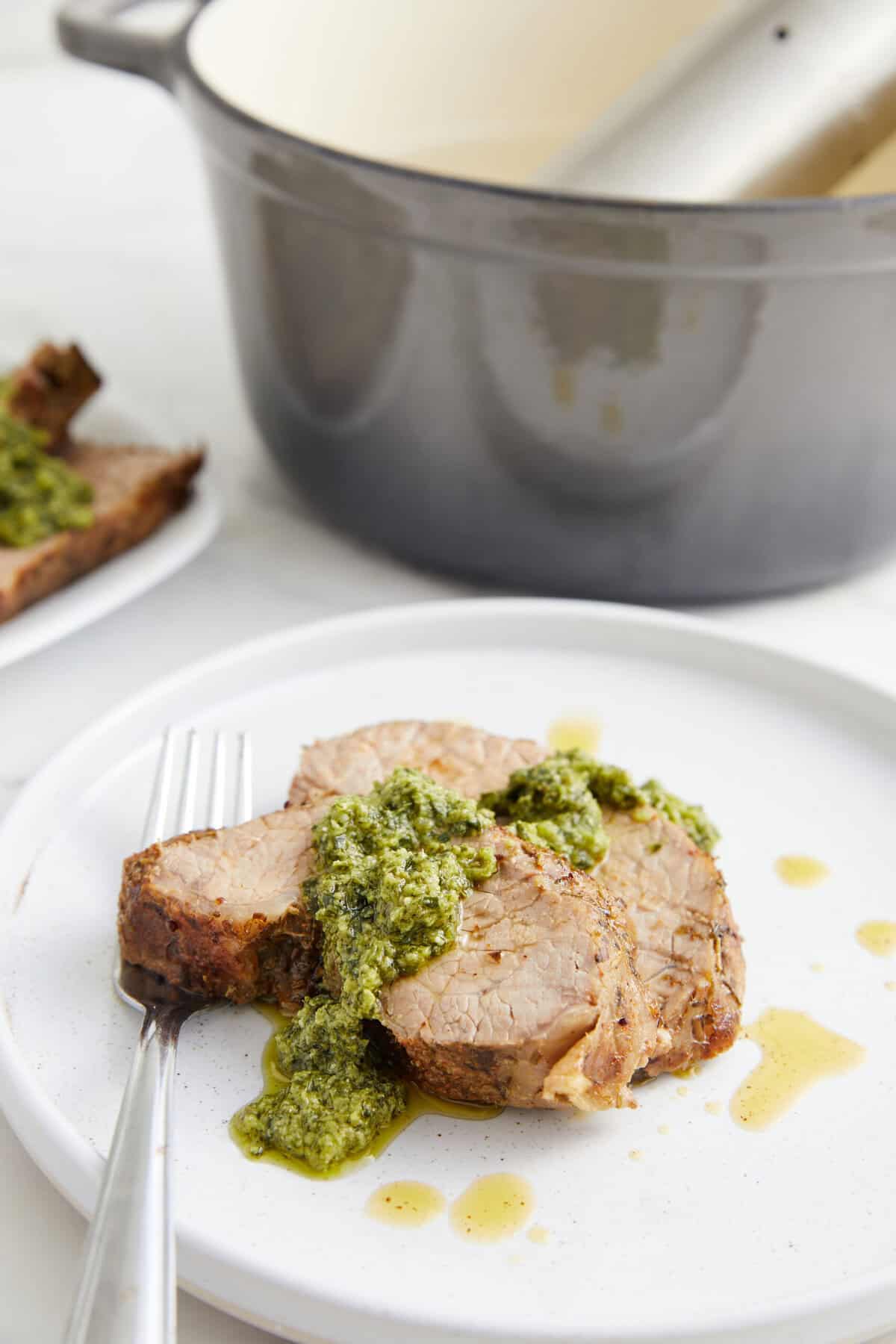
Allow any leftover sous vide tri-tip to cool slightly before storing it in an airtight container in the fridge for up to 4 days. You can also freeze the chilled tri-tip for up to 3 months, tightly wrapped in plastic and placed in a freezer-safe container or zippered bag. Defrost the beef overnight in the fridge. To reheat without drying the meat, use your sous vide device at the original cooking temp for 30-60 minutes. You could also warm your tri-tip, tightly wrapped in foil, in a preheated 325°F oven or 375°F air fryer.
Serving suggestions
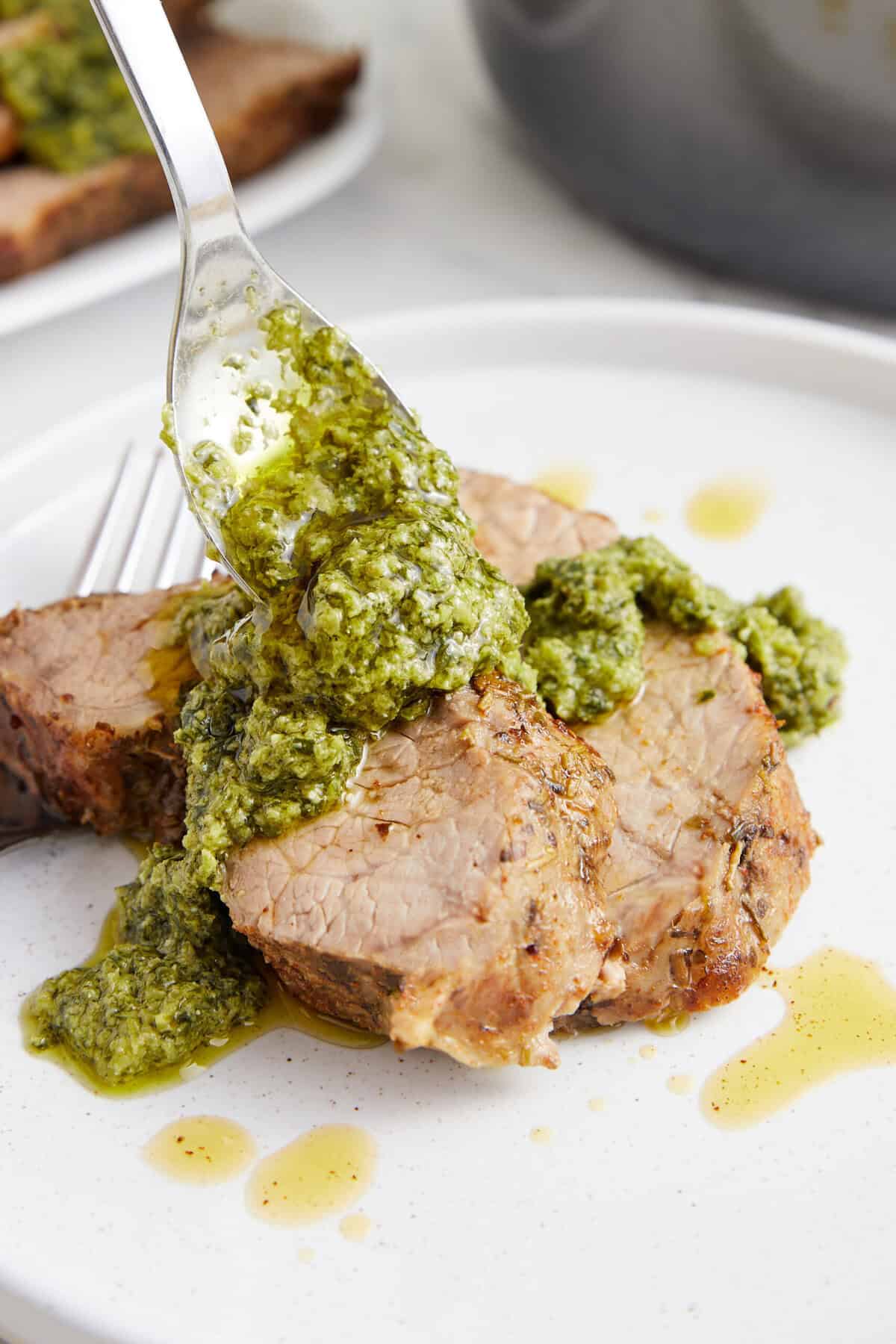
Serving sous vide tri-tip with chimichurri sauce is highly recommended for both visual and flavorful appeal. I recommend either this Creamy Chimichurri Sauce or this more traditional Chimichurri Sauce Recipe. Delicious side dish options include this Spinach Salad Recipe, these Smashed Potatoes, Blistered Shishito Peppers, and Roasted Beets And Carrots. Enjoy some Tapioca Pudding or a gorgeous Chiffon Pie for dessert.
Ingredients
- 2 pounds tri-tip roast
- 2 teaspoons salt
- 1 teaspoon black pepper
- 1/2 teaspoon smoked paprika
- 3/4 teaspoon garlic powder
- 3/4 teaspoon onion powder
- 1/2 teaspoon dried thyme
- 3/4 teaspoon dried oregano
- 2 teaspoons neutral oil
- Chimichurri sauce for serving, optional
Instructions
- Let the tri-tip sit at room temperature for 30 minutes. Preheat your sous vide water bath to 131°F for a medium-rare finish.
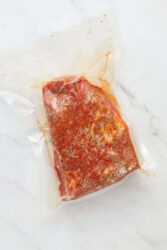
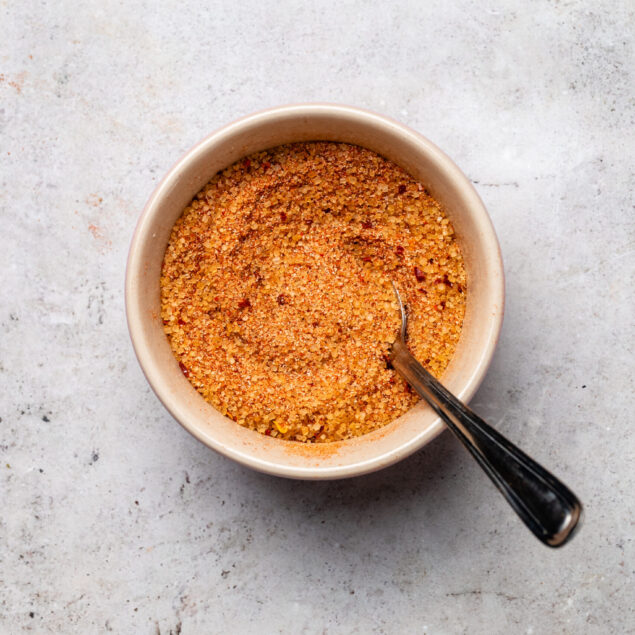
- Season all sides of the tri-tip with salt, black pepper, smoked paprika, garlic powder, onion powder, dried thyme, and dried oregano. Place the tri-tip in a resealable freezer bag and remove as much air as possible using the water displacement method before sealing tightly.
- Submerge the sealed bag in the water bath, ensuring the meat is fully immersed. Cook for 6 hours.
- Remove the tri-tip from the water bath, then from the bag, and pat it dry with paper towels. Heat a heavy skillet over high heat and add the oil. Sear the tri-tip for 1 to 2 minutes per side until a brown crust forms.
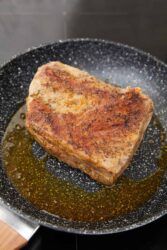
- Let the meat rest for 5 minutes before slicing thinly against the grain. Serve with chimichurri sauce if desired.
Nutrition Info:
Nutrition information are estimates only and may vary based on the specific brands, ingredients, and portion sizes you use. This data is provided for informational purposes only.



Leave a Comment