

Sweet and creamy, with a texture that’s oh-so dreamy!
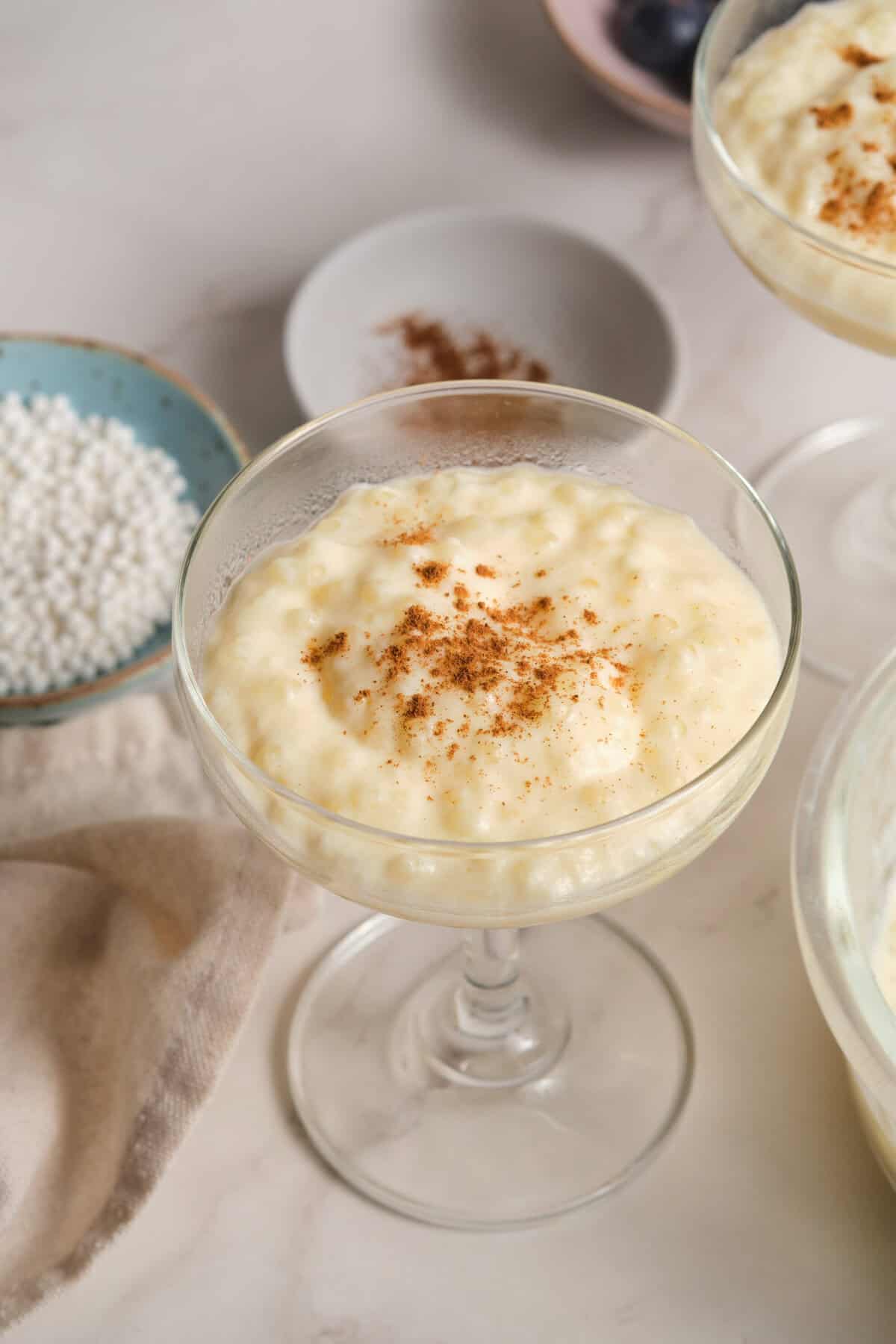
As a kid, one of my favorite desserts was chocolate pudding. My mom would make it at least once a week and would often scold me to stop opening the fridge to see if it had fully set. One evening, after being told we were having pudding for dessert, I was shocked when my mom set a bowl of white-colored pudding in front of me. “Uh, what is this?” I inquired skeptically. “Tapioca pudding,” she replied with an encouraging smile. Despite its exotic-sounding name, I hesitantly took a tiny bite, and then a bigger one, and then proceeded to gobble up the rest. I didn’t think anything could rival my love for chocolate pudding, but tapioca pudding had certainly proved me wrong.
The word tapioca is derived from the word tipioca, which means “juice of a pressed cassava” in the indigenous Tupi language of pre-colonial Brazil. Essentially, it’s a starch that’s extracted from the cassava plant, and it’s used to thicken many foods like pudding, bread, and noodles. You can find it in several different forms today, with finely-ground flour, flakes, or pearls being the most common.
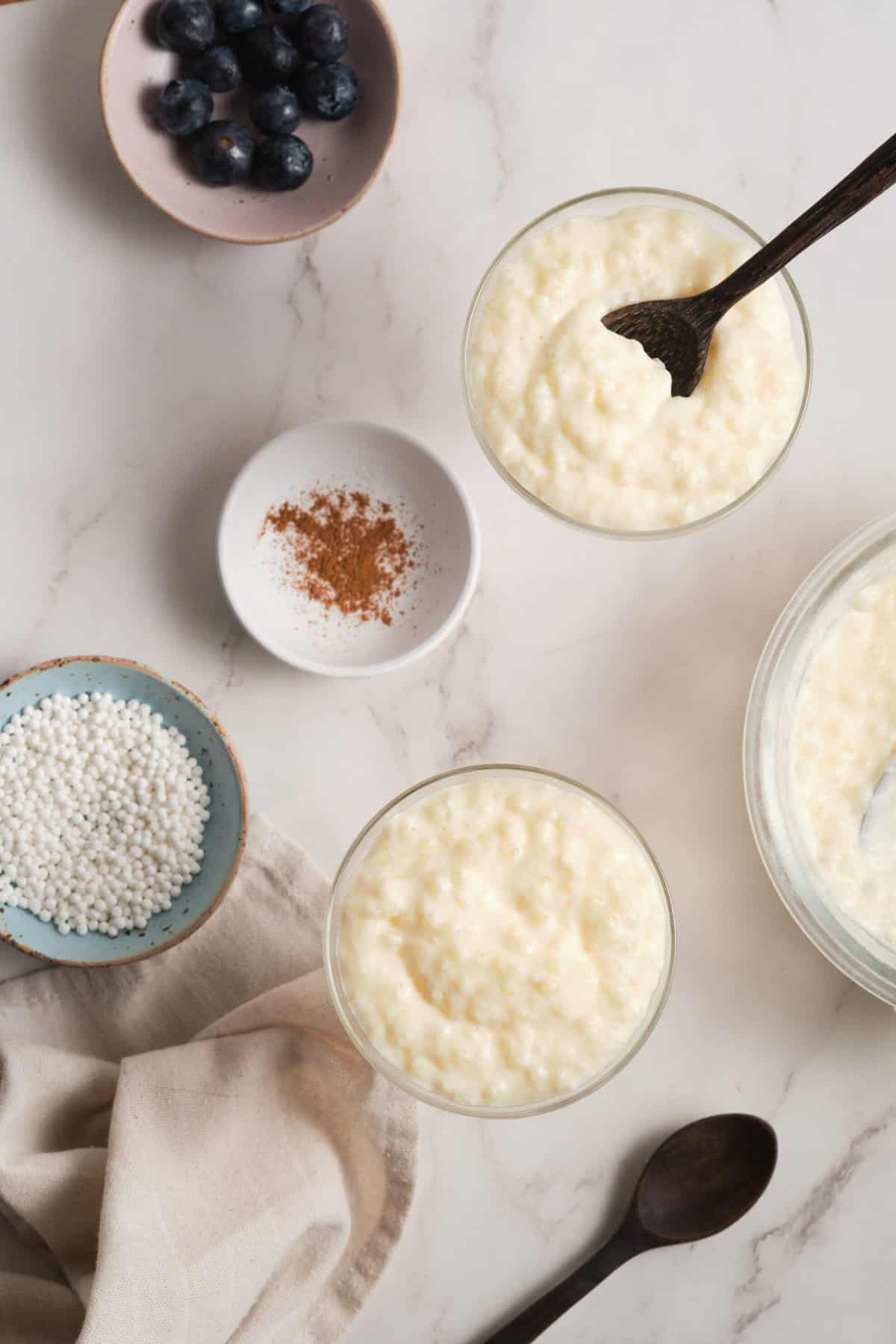
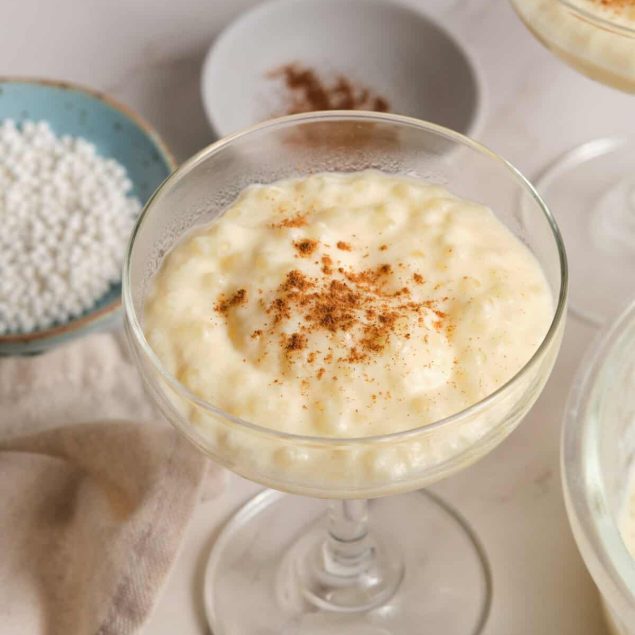
This pudding recipe calls for tapioca pearls, which lend a subtle chewy texture to the dish. Decadent notes of vanilla are layered in with a sweet and creamy custard, and the tapioca pearls are so velvety soft that they practically melt in your mouth. It’s absolutely delicious on its own, but I love to sprinkle a generous bit of cinnamon on top for a lovely bit of spice.
Is This Tapioca Pudding Healthy?
Because tapioca is a starch, it is almost entirely composed of carbs. And while it is naturally gluten-free, it doesn’t contain very many nutrients. Since this tapioca pudding calls for whole milk, sugar and eggs, the dish can be considered high in fat and calories. Therefore, it’s best to enjoy it in moderation. To eliminate the refined sugar, you could substitute it with either coconut sugar or monk fruit sweetener. You could also swap out the whole milk with full-fat coconut milk to make a dairy-free version. If you opt for any of these substitutions, use a 1:1 ratio.
Are Tapioca Pearls The Same As Boba?
Yes, boba is the name used for tapioca pearls in Asian bubble tea. While cooked tapioca pearls are typically translucent, boba gets its signature black color from the addition of dark brown sugar during manufacturing. This also lends a sweetness to the boba. When added to bubble tea, boba offers a wonderfully chewy textural contrast to the rich, milky tea—similar to the way tapioca pearls provide a nice texture to pudding.
How Do I Store Leftovers?
Since tapioca tastes equally great when served warm or cold, storing your leftover pudding is a no-brainer. Once it has cooled completely, cover it with plastic wrap directly on the surface of the pudding (to avoid a skin from forming on top), and keep it in the fridge for up to 5 days. You can also freeze it in individual airtight containers for up to 3 months. Allow it to thaw in the fridge overnight.
Serving Suggestions
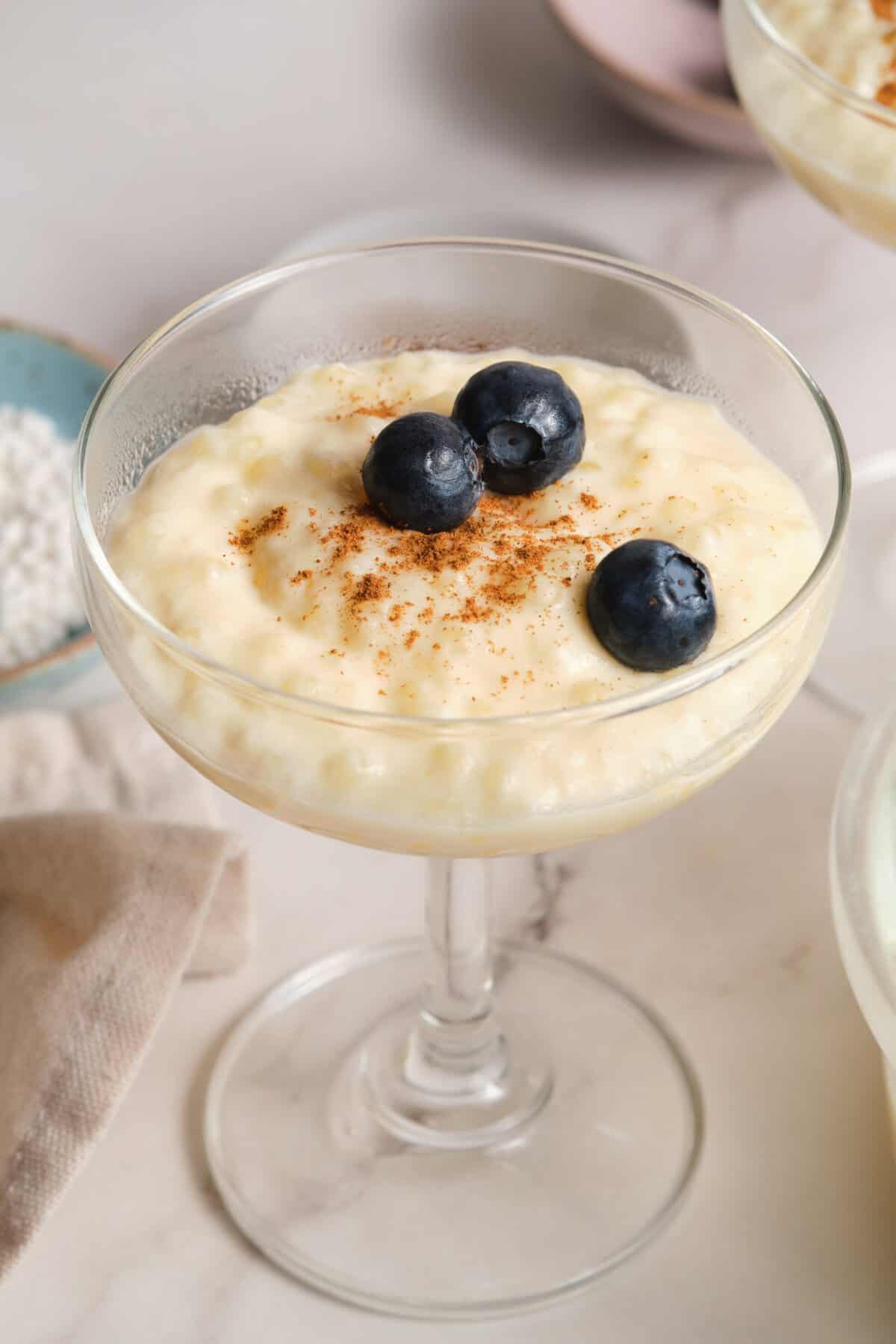
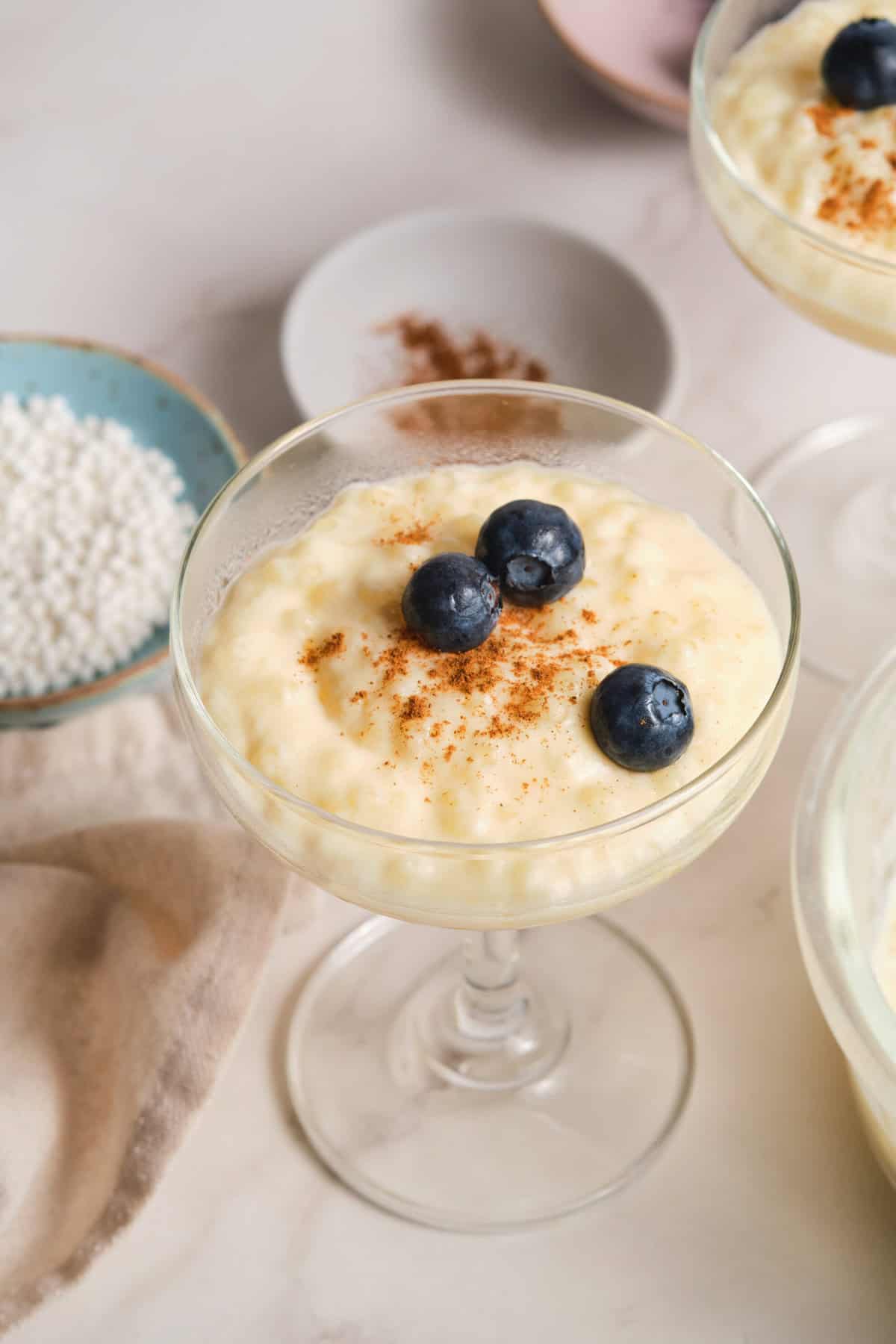
Garnish your tapioca pudding with some fresh berries, a sprinkle of cinnamon or brown sugar, or a drizzle of chocolate syrup or Salted Caramel Sauce. You may also enjoy it with a bit of Strawberry Purée mixed in for a bit of fruity flavor. If you are a big fan of putting whipped cream on pudding, this dish would also be delicious topped with Chocolate Whipped Cream or Strawberry Whipped Cream.
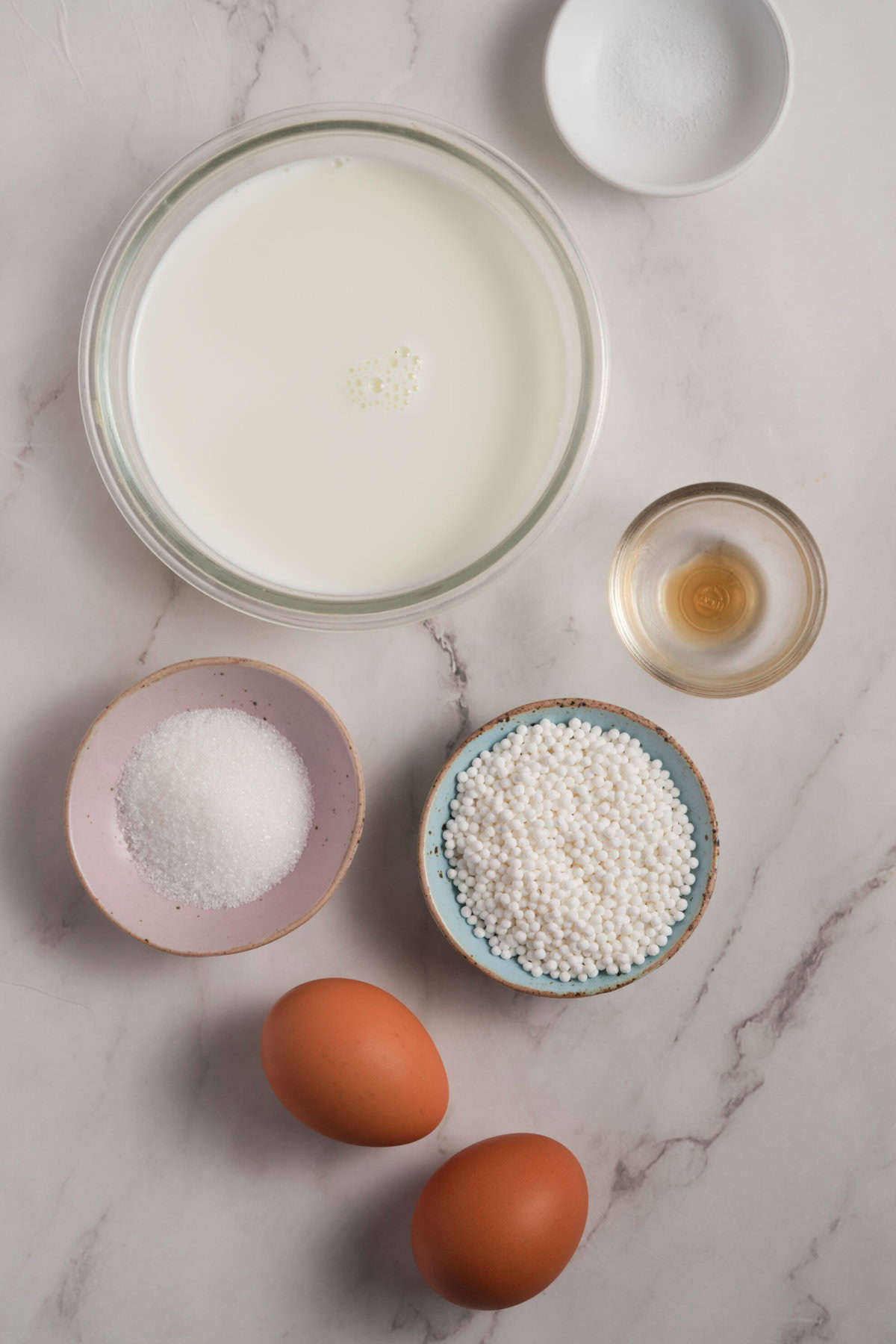
Ingredients
- 3 cups whole milk
- 1/2 cup small pearl tapioca
- 1/2 cup granulated sugar
- 1/4 teaspoon salt
- 2 large eggs beaten
- 1 teaspoon pure vanilla extract
Instructions
- In a medium saucepan, combine milk, tapioca, sugar, and salt. Bring the mixture to a gentle boil over medium heat, stirring constantly.
- Reduce heat to low and simmer for 5 minutes, continuing to stir, until the tapioca pearls are fully translucent and the mixture has thickened.
- Gradually whisk in the beaten eggs to the saucepan, ensuring to stir quickly to incorporate without curdling the eggs.
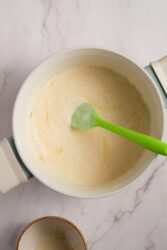
- Continue to cook over medium-low heat for another 2-3 minutes, stirring constantly, until the pudding is thick enough to coat the back of a spoon.
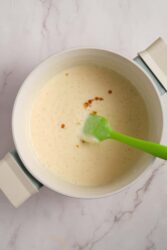
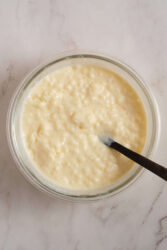
- Remove from heat and stir in the vanilla extract. Let the pudding cool for a few minutes before serving warm, or chill in the refrigerator if preferred cold.
Nutrition Info:
Nutrition information are estimates only and may vary based on the specific brands, ingredients, and portion sizes you use. This data is provided for informational purposes only.


Leave a Comment