

Discover the delicious, slightly sweet, and nutty grain that was once reserved for Chinese royalty.
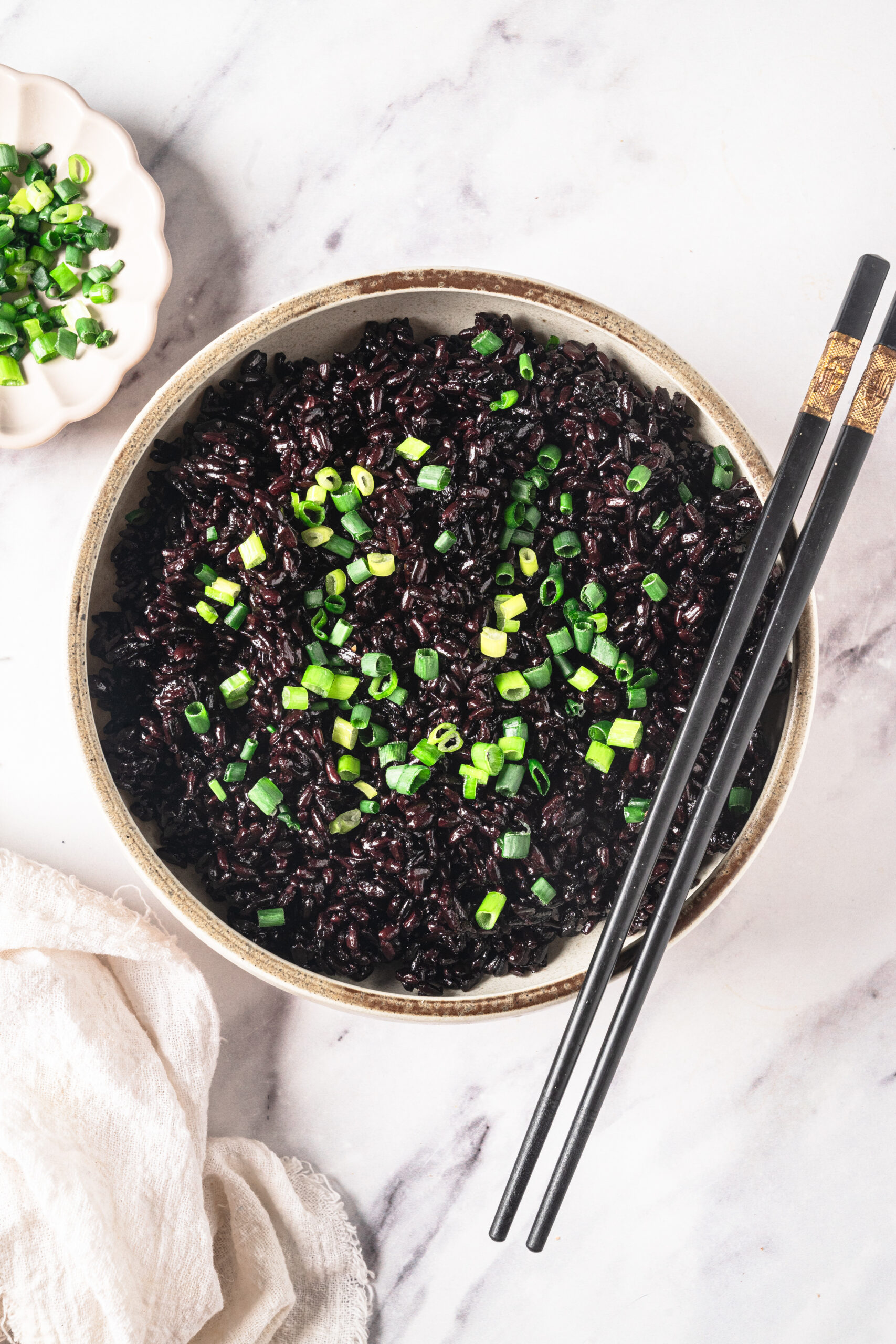
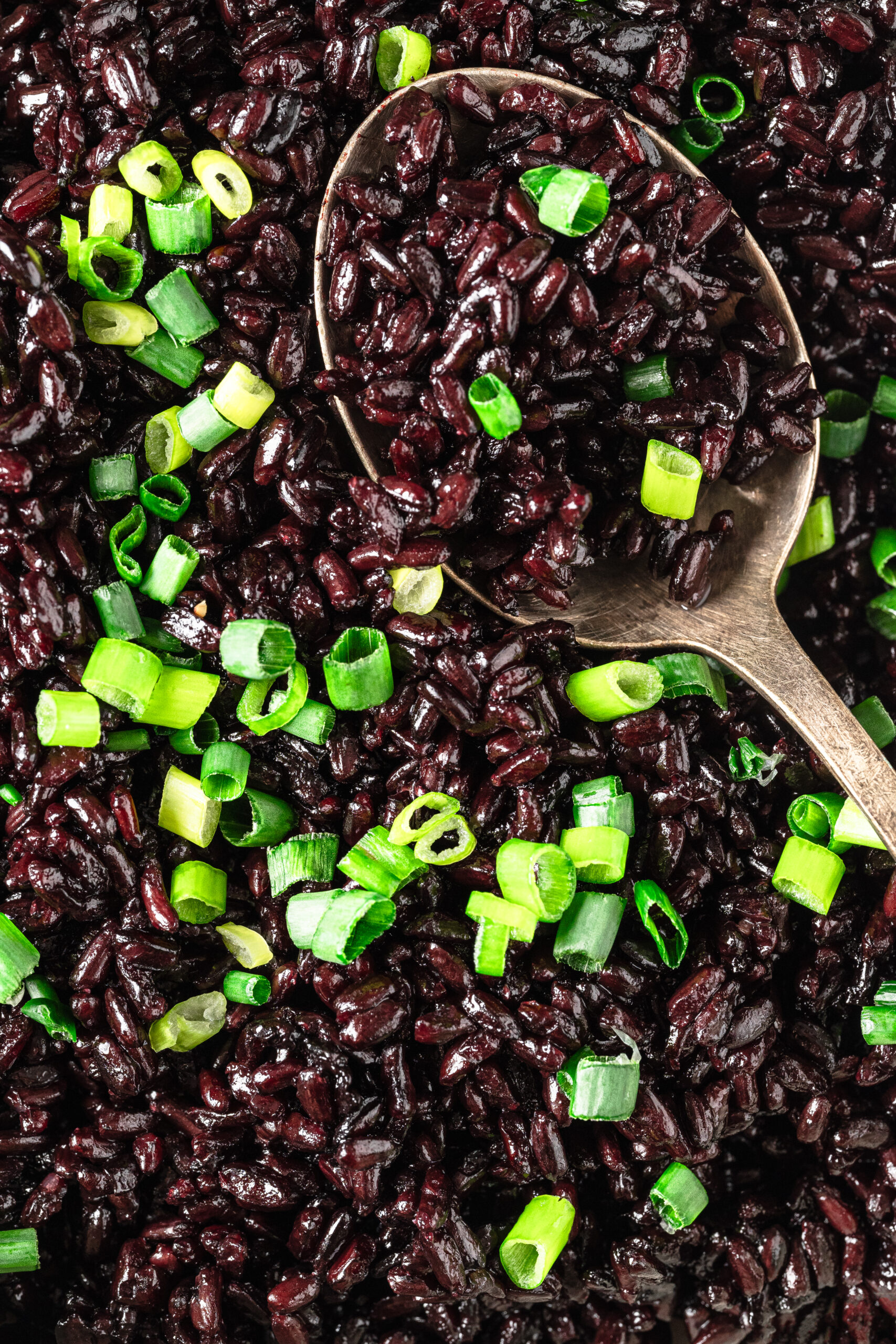
I don’t remember the first time I tried forbidden rice. But I do remember asking if it was made with squid ink. After all, that’s what turns pasta the same deep purplish-black that you get with forbidden rice. Hearing that this was a specific heirloom variety of black rice—that had no squid ink in it—put my mind at ease, and I was willing to give it a try. From that day forward, I’ve been hooked on its slightly nutty flavor and chewy consistency, thanks to the retention of the outer hull.
This striking black grain has a storied history in China. Legends say it was once reserved exclusively for emperors and the royal court because of its rarity, rich color, and reputation for promoting long life and good health. The name “forbidden rice” comes from its former status as a luxury food that was off-limits to most people, either because of strict social rules or its high cost. Its deep purple-black hue results from anthocyanins—natural antioxidants also found in beets, blueberries, red cabbage, blackberries, eggplant, and plums. Forbidden rice also has the highest protein content among rice varieties. Those two factors contributed to its reputation as a health-promoting delicacy in traditional Chinese medicine. While it was once produced in small quantities and prized by royalty, today forbidden rice is widely available, celebrated for both its flavor and nutrition.
You can substitute forbidden rice for white or brown rice in many recipes. It adds a striking look to your table, sparking lively conversation while you fellow diners enjoy its delicious flavor profile.
Discover more black rice varieties
Forbidden rice is just one variety of black rice. Others you may encounter in grocery or specialty stores include:
- Thai Jasmine Black Rice: This long-grain black rice from Thailand has a slightly sticky texture, a fragrant aroma, and a deep purple hue when cooked, making it a suitable substitute for white rice in many recipes.
- Indonesian Black Rice: This local variety, originating from regions like Yogyakarta, has sticky, glutinous character that’s excellent in sweet black rice porridge or pudding. It’s often cooked with coconut milk.
- Black Japonica Rice: This one isn’t a single variety but a rice blend cultivated in California. It typically consists of short-grain black rice and medium-grain red or mahogany rice, which becomes sticky when cooked. Its grains are often slightly rounder and plumper than those of other types of rice. Its flavor can be slightly earthy or mushroom-like, making it well-suited for rice bowls and sushi.
- Burma Desi Black Basmati: Originating in Myanmar, this long, dark, and slender-grained variety is also known as “Wisdom of Buddha” rice. It retains its outer shell, making it a whole-grain rice with a distinctive, slightly nutty flavor and sticky, glutinous texture. Use it in desserts such as rice pudding.
- Balatinaw Black Rice: This Philippine variety boasts a chewy texture and a slightly sweet, nutty flavor that pairs well with salads, rice bowls, and desserts. It’s often associated with specialty Filipino dishes like champorado.
How do I store leftovers?
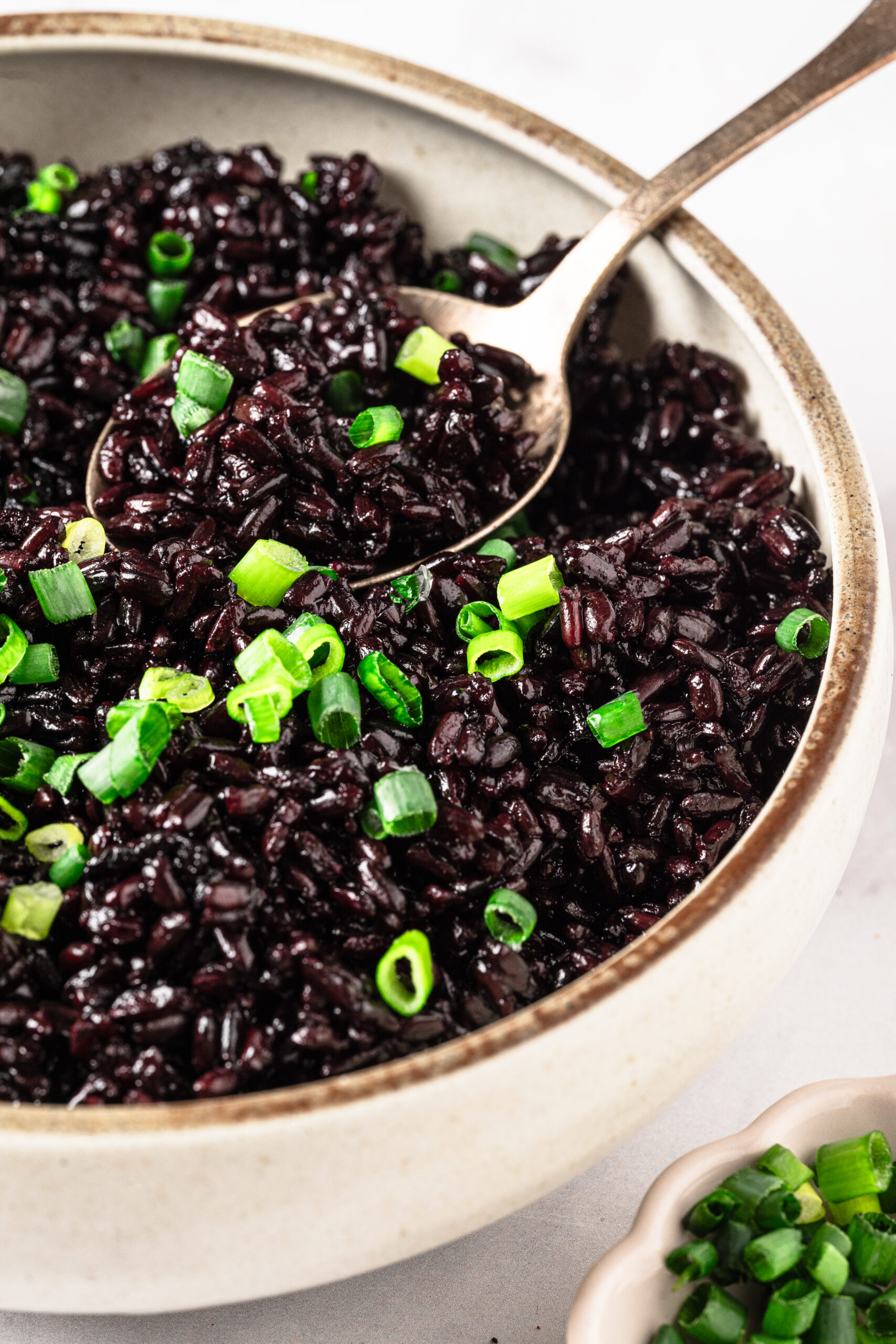
Allow leftover forbidden rice to cool to room temperature, and then store it in an airtight container in the refrigerator for up to 4 days. You can also freeze it in freezer-safe zippered bags or containers for up to 6 months. I prefer using freezer plastic or silicone bags, as they can lie flat in the freezer. Reheat cooked black rice on the stove in a covered pan over low heat, adding a small amount of water and stirring occasionally until warm. Alternatively, reheat in the microwave by adding 1 tablespoon of water per cup of cooked rice, using short intervals, and stirring between each until warm.
Serving suggestions
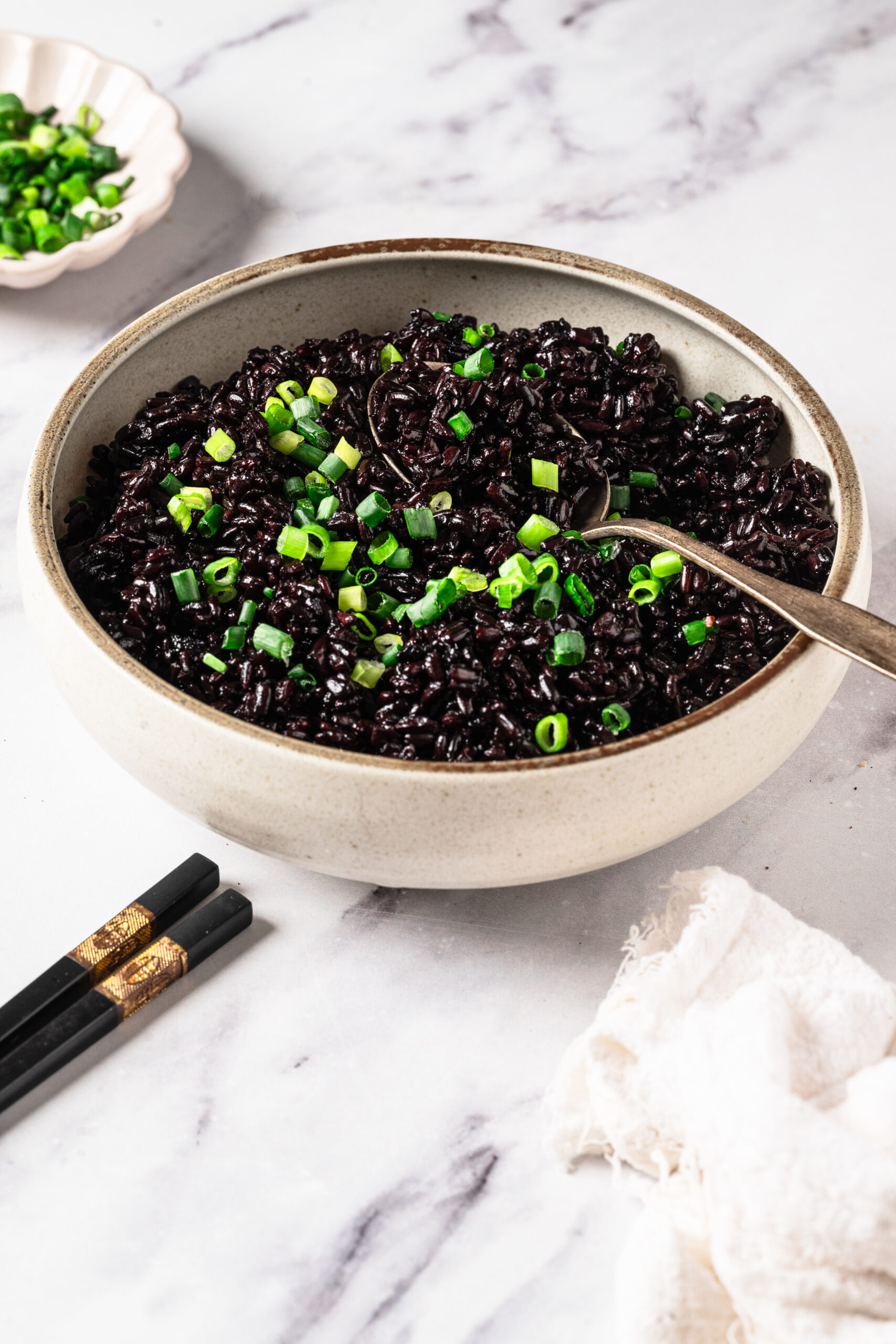
Forbidden rice is an excellent accompaniment to your favorite stir-fries, as well as recipes such as Teriyaki Tofu, Honey-Glazed Salmon, and Korean Fried Chicken. You can also use it to make an Avocado Sushi Roll, Salmon Sushi Bake, or Shrimp Fried Rice. Use it as a substitute in this Sushi Bowl Recipe or for Mango Sticky Rice.
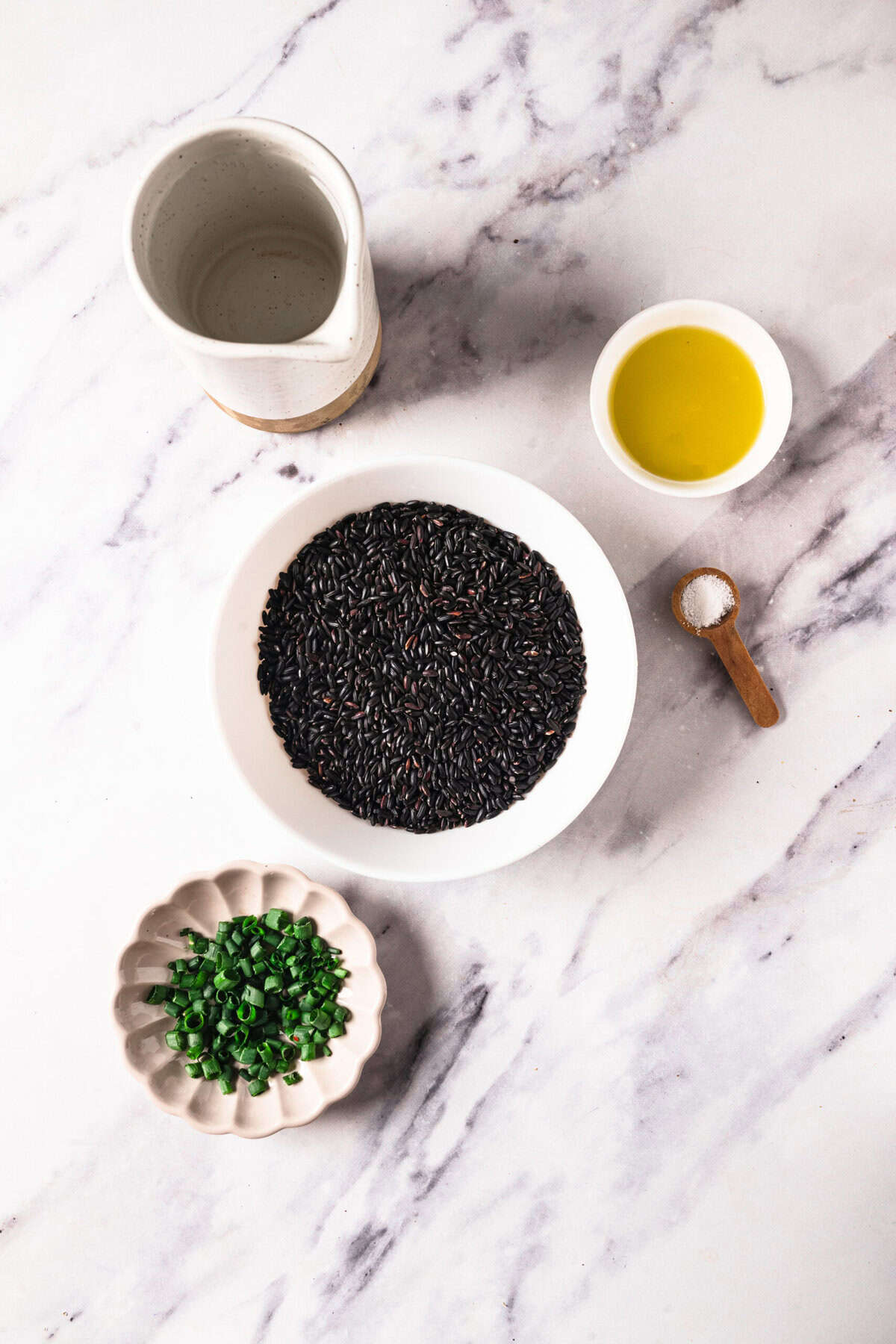
Ingredients
- 1 cup uncooked forbidden black rice rinsed
- 1 3/4 cups water
- Kosher salt to taste
- 1 1/4 teaspoons extra virgin olive oil
- Chopped fresh parsley or green onions for garnish
Instructions
- In a medium pot, mix the rinsed forbidden rice with water, salt, and olive oil. Bring to a boil over medium-high heat.
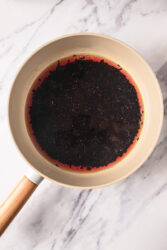
- Cover the pot tightly, reduce the heat to low, and let it simmer until the water is absorbed, about 27-32 minutes.
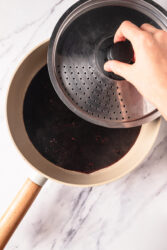
- Remove the pot from heat and let it sit, covered, for 10 minutes. Fluff the rice with a fork.
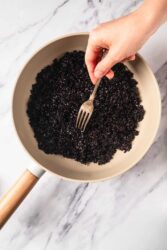
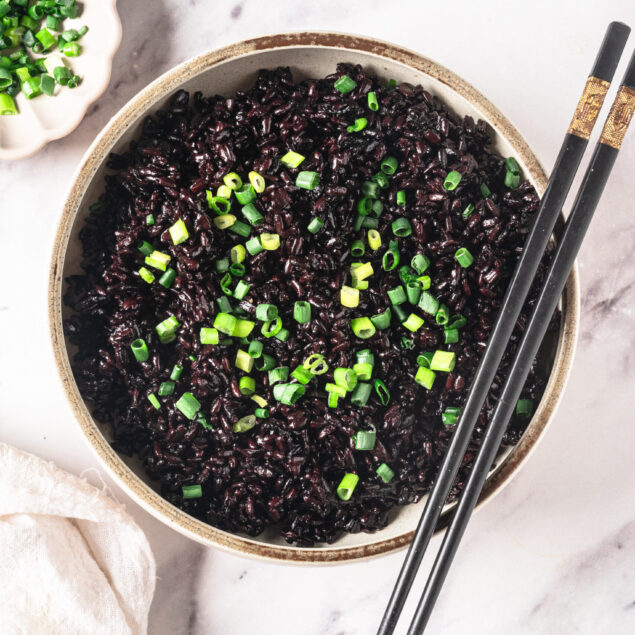
- Transfer the fluffed forbidden rice to a serving bowl, garnish with parsley or green onions, and enjoy immediately.
Nutrition Info:
Nutrition information are estimates only and may vary based on the specific brands, ingredients, and portion sizes you use. This data is provided for informational purposes only.


Leave a Comment