

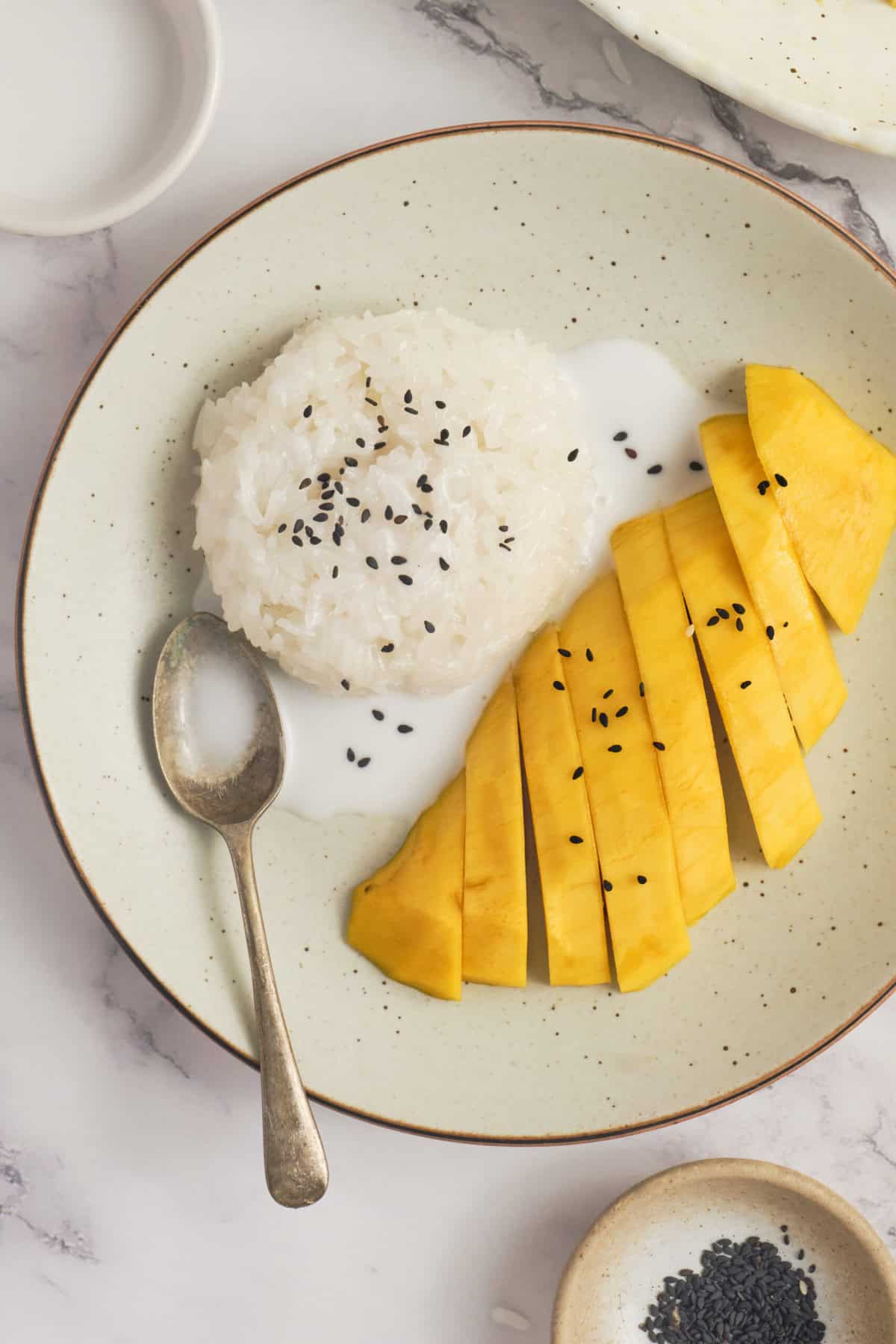
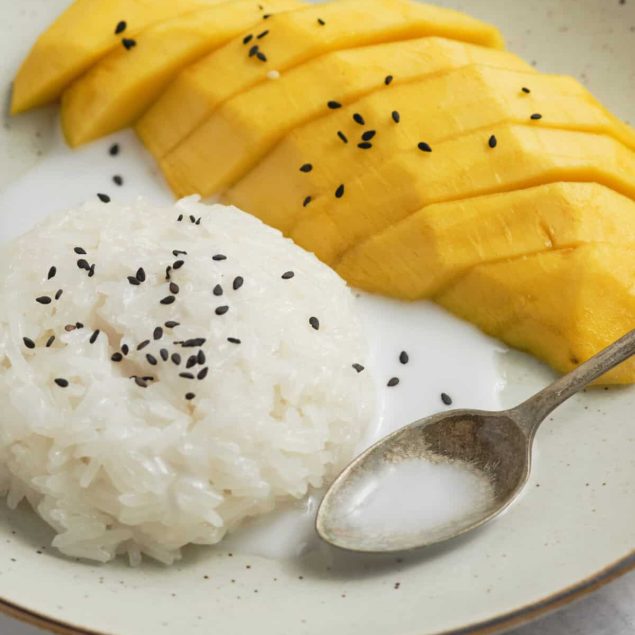
Get ready to savor the ultra-fresh mango and coconut flavors of this delectable dessert
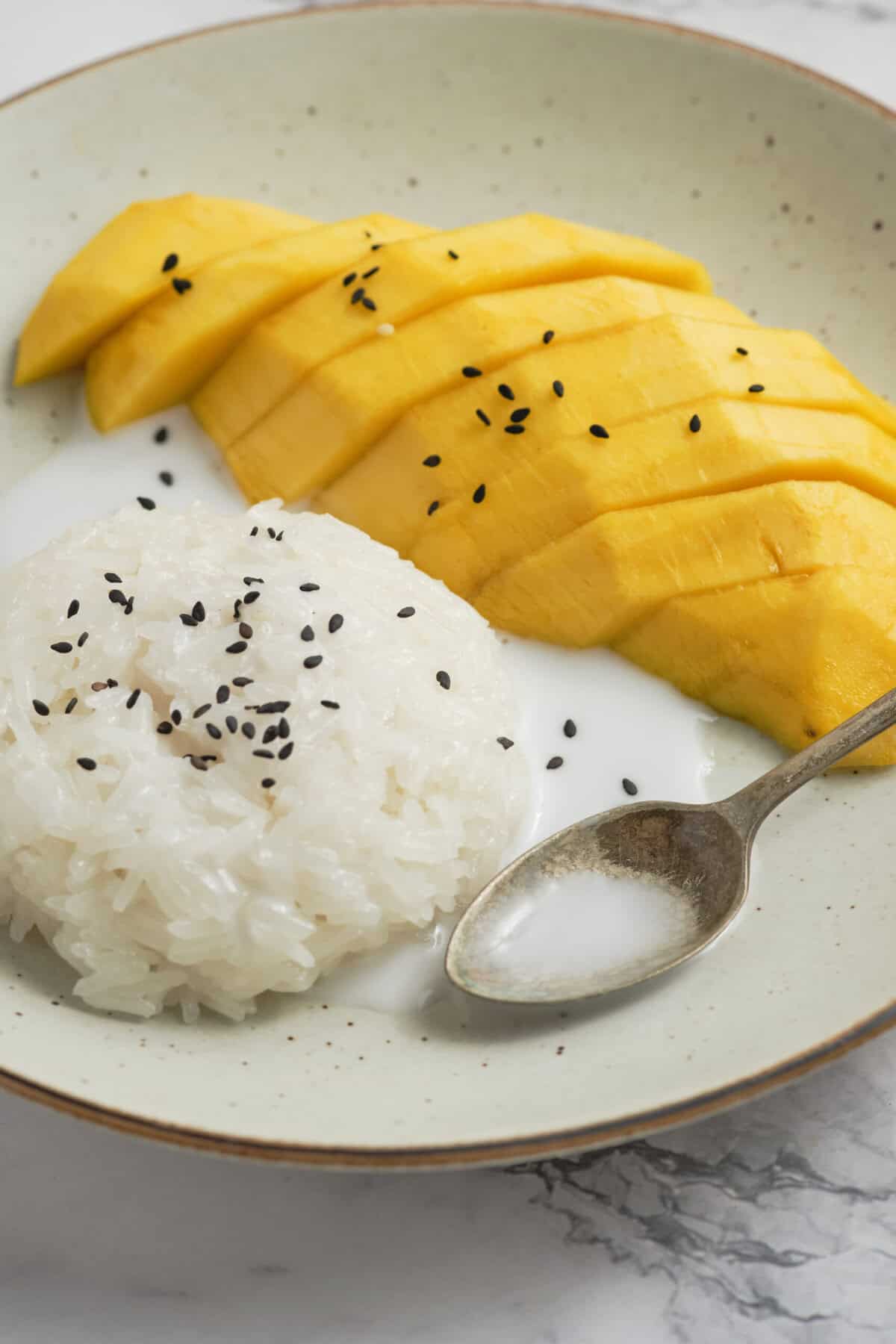
I’ll be the first to admit that I have a major sweet tooth, so dessert is one of my absolute favorite things. Any time someone says something is too rich, too chocolatey, too sweet, I’ll be the one to disagree and savor every last bit. But despite my love for chocolate and sweets, even I sometimes feel that nothing compares to a dessert that tastes light rather than decadent. And usually, that light, refreshing element comes from fruit. Bonus points if it’s fresh fruit.
As it turns out, fresh fruit is one of the key elements in mango sticky rice. It’s a dish I first encountered at a Thai restaurant that I was never able to forget once I tried the irresistible combination of tropical fruit and gooey rice flavored with a sweet-yet-slightly-salty coconut sauce. This traditional dessert popular in South and Southeast Asia is believed to have originated in Thailand during the late Ayutthaya period, though variations of the dish also exist today in Laos, Cambodia, and the Philippines, among other countries, for example.
Technically, mango sticky rice is considered to be a pudding, but if you were to compare it to the rice pudding more commonly known in the Western world, I would say it’s much less runny. The rice component of mango sticky rice is denser and chewier, rather than super soft. This is probably because, instead of cooking the rice in the milk like for rice pudding, the rice is cooked separately for mango sticky rice. You’ll be steaming it, ideally in a steamer basket, then pouring the coconut milk sauce over top of it upon serving.
The steaming takes about 25 minutes, and the sauce preparation takes about 10 minutes. Keep in mind, though, that you’ll need to consider the time it takes to soak the uncooked sticky rice in advance: at least one hour or overnight. Overall, I find this recipe quite easy, and a fantastic way to enjoy mango sticky rice without going to a restaurant.
What Kind Of Mango Is Best For Mango Sticky Rice?
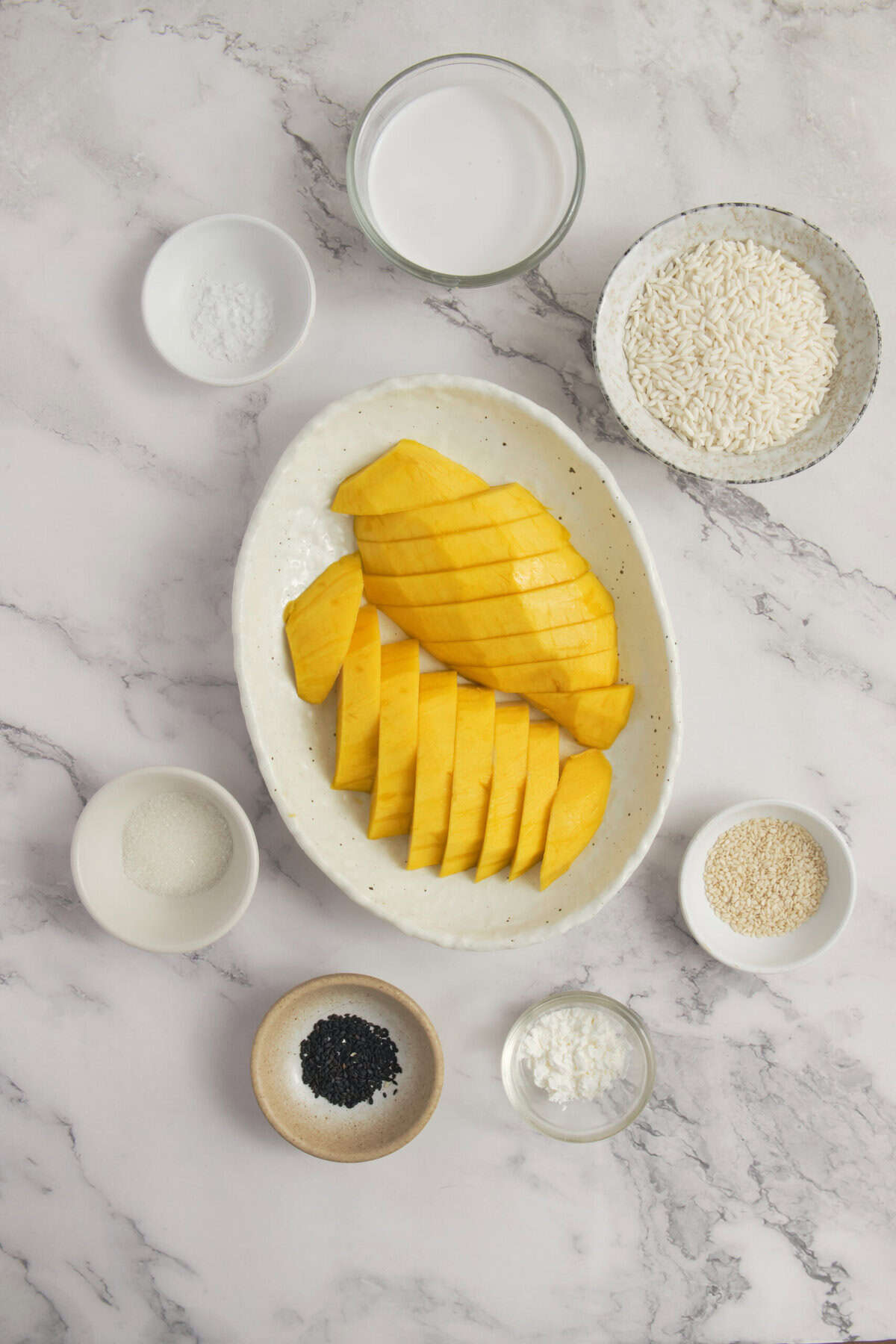
For this mango sticky rice recipe, you’ll need two ripe mangoes. The most important thing, in my opinion, is that the mangoes are ripe, so the softness of the fruit can complement the chewiness of the rice. Wondering how to tell if a mango is ripe? You want the firmness to be similar to that of a perfectly ripe avocado: a little bit of give, but not too much. A ripe mango will also be fragrant, with an aroma similar to peaches.
If you really want to perfect this recipe, opt for yellow mangoes rather than green ones, since yellow mangoes tend to be sweeter in taste. The mango varieties traditionally used for Thai mango sticky rice are the nam dok mai and ok-rong mangoes, but these may be less commonly available in the United States.
How Do I Store Leftovers?
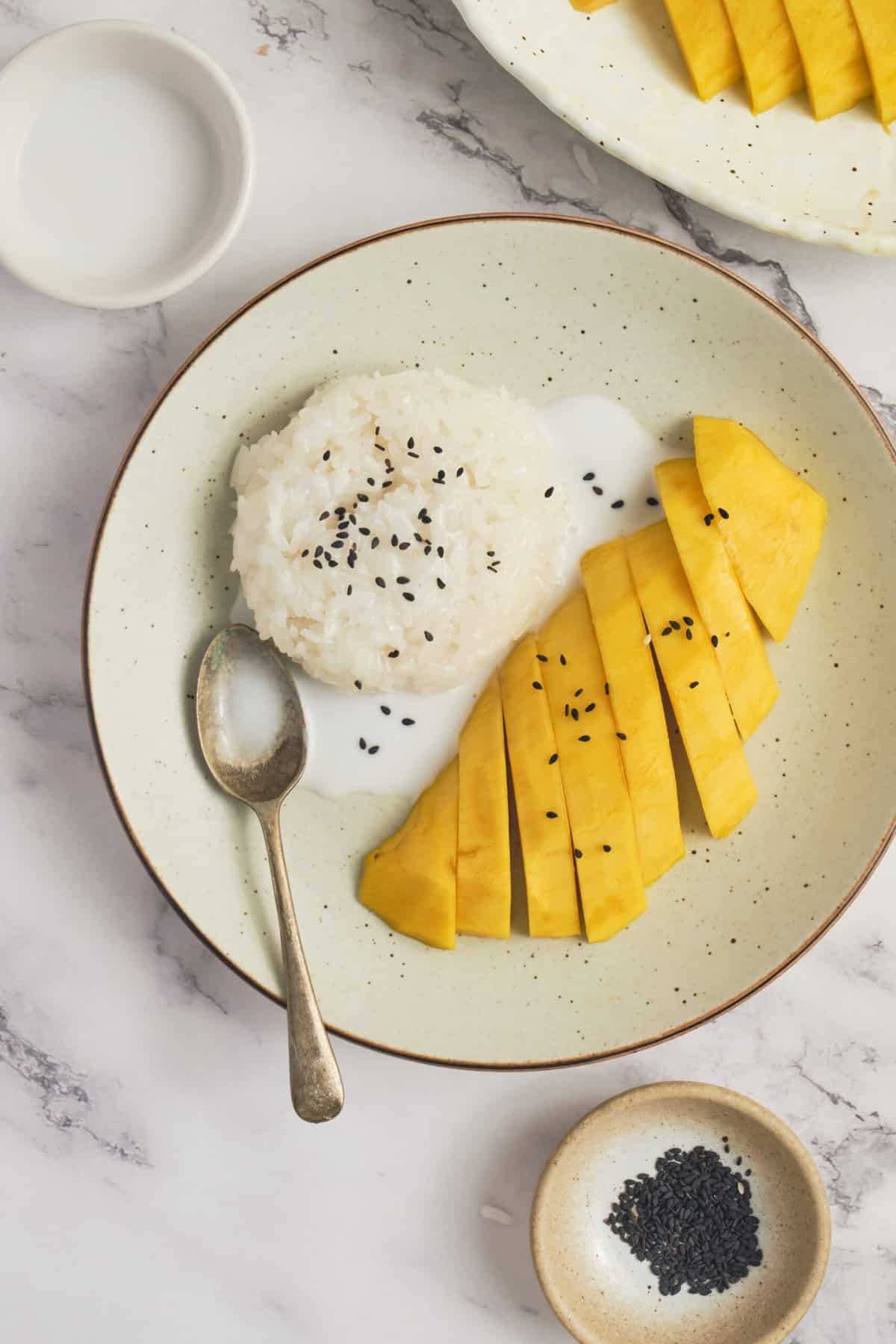
If you have leftovers of mango sticky rice, it’s important to store all elements of this recipe separately in order to best preserve its taste and texture. The mango, coconut sauce, and sticky rice will keep in the fridge for up to 3 days, each in its own airtight container. If the sauce thickens after storage, you can stir a little bit of water or coconut milk back into it to return it to your desired consistency.
Serving Suggestions
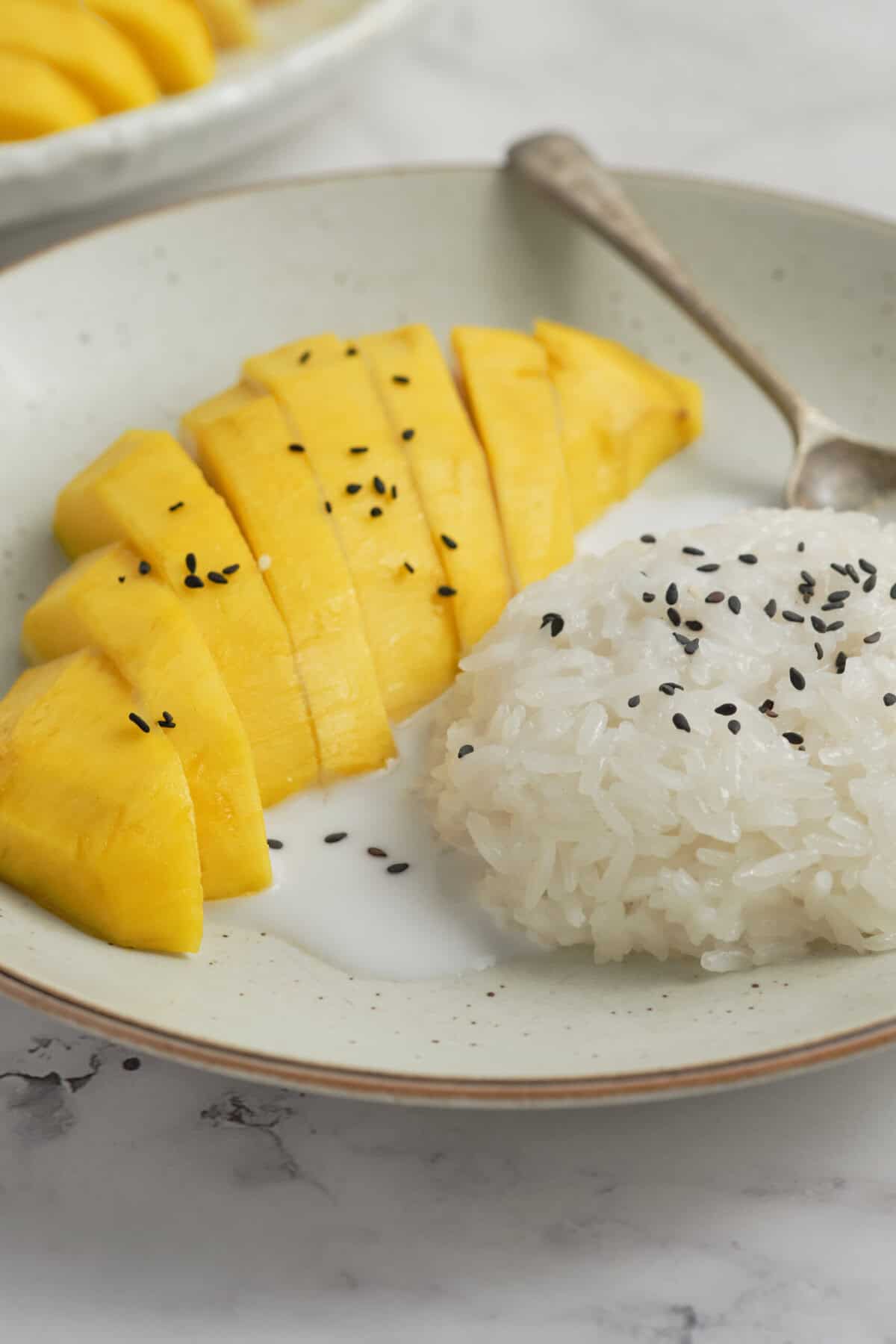
I love this dessert because it tastes so refreshing and light. And it’s the perfect follow-up to a fresh main course, too. If you’re looking for a meal to pair with this dessert and want to stay on the Thai-inspired theme, there are so many great options out there. This Grilled Thai Beef Salad, this Thai Peanut Butter Chicken Quinoa Bowl, or these Thai Lettuce Wraps are all fantastic options to channel Thai flavors and healthy eating.
Another part about Thai food I adore is all the rich, flavorful curries. After a warm, spicy bowl of saucy meat and veggies, mango sticky rice can be the ideal way to finish off a meal on a lighter note as well. Some of my favorite Thai curries include Green Curry, Shrimp Curry, or Pumpkin Curry for a vegetarian option.
Ingredients
- 1 cup uncooked sticky rice
- Water for soaking and steaming
- 1 can 13.5 ounces full-fat coconut milk
- 1/3 cup granulated sugar
- 1/2 teaspoon salt
- Optional: 1 1/2 teaspoons cornstarch mixed with 1 tablespoon water
- 2 ripe mangoes peeled and sliced
- Optional: Toasted sesame seeds for garnish
Instructions
- Rinse the sticky rice under cold water until the water runs clear. Then soak the rice in water for at least 1 hour or up to overnight in the refrigerator to get a good texture.
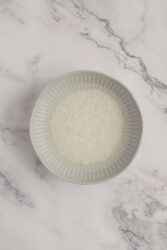
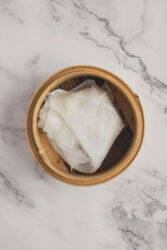
- Drain the soaked rice and place it in a heatproof bowl or steamer basket lined with a clean cloth. Steam the rice over boiling water for 20-25 minutes until the grains turn tender and slightly translucent.
- While the rice steams, combine the coconut milk, granulated sugar, and salt in a small saucepan. Heat over medium heat, stirring until the sugar completely dissolves; do not let it boil. If you prefer a thicker sauce, stir in the cornstarch slurry and heat until slightly thickened.

- Mix about 2/3 of the sauce into the steamed rice and let it rest for 5-10 minutes so it absorbs the flavors.
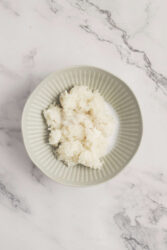
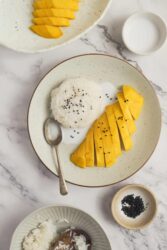
- Serve by plating sticky rice with sliced mango and drizzling coconut sauce on top. Garnish with toasted sesame seeds if desired.
Nutrition Info:
Nutrition information are estimates only and may vary based on the specific brands, ingredients, and portion sizes you use. This data is provided for informational purposes only.


Leave a Comment