

Pair this tangy, satisfying side with any of your favorite mains, or mix it into salads, wraps, and more!
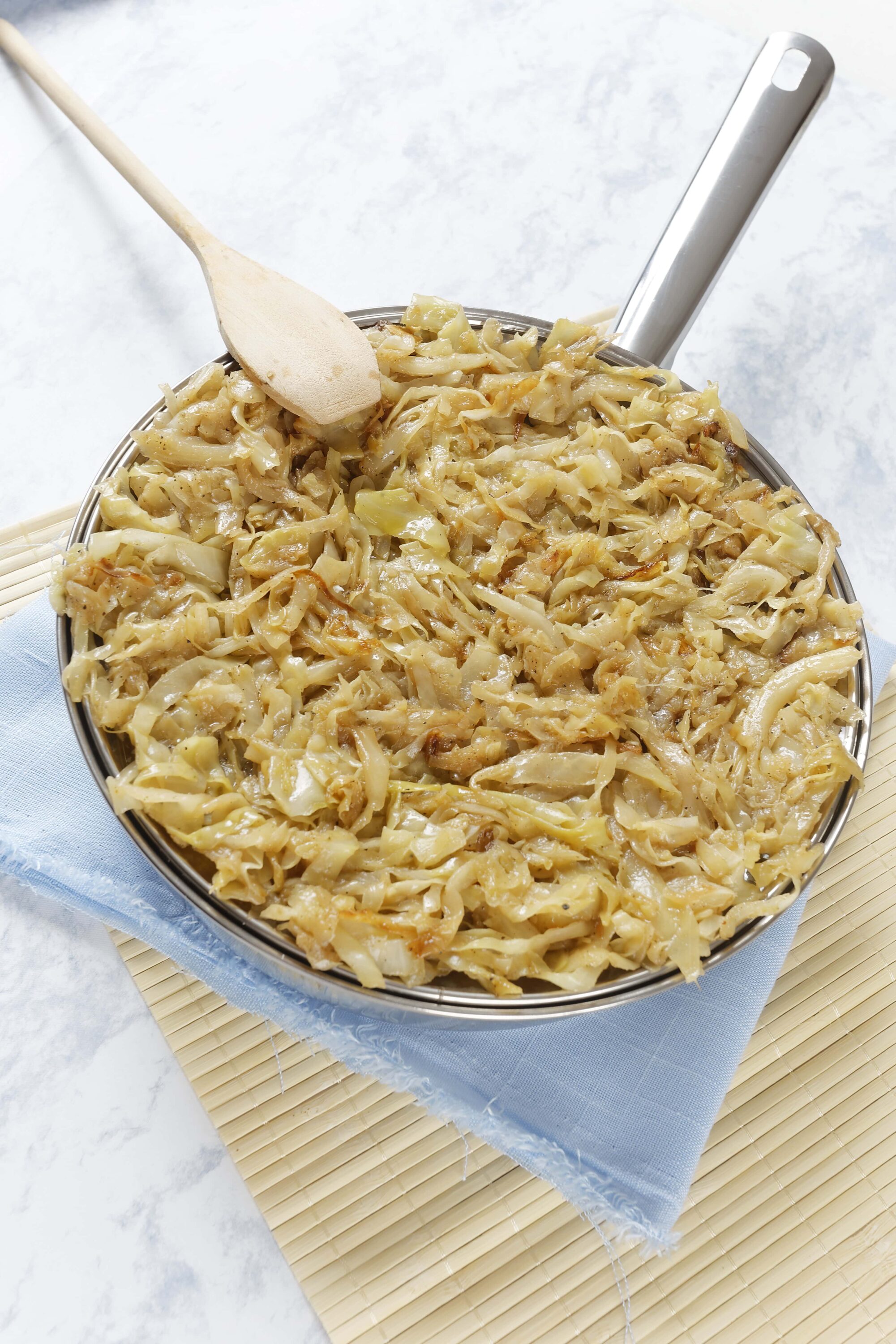
One of my favorite dishes to cook for my grandma is caramelized cabbage. She’s the only other person I know who enjoys it as much as I do. The ingredients are simple, and cooking it on the stove leaves the whole kitchen smelling earthy and sweet. We usually serve it with something hearty: a burger or slice of meatloaf for her and a veggie burger or gluten-free noodles for me. Since caramelized cabbage is so light and tangy, it’s the perfect side for even the heaviest main dishes.
One of the best aspects of this recipe is that it only takes thirty-five minutes to be plate-ready. That makes it a fast and easy choice for weeknight dinners, either on its own or paired with leftovers.
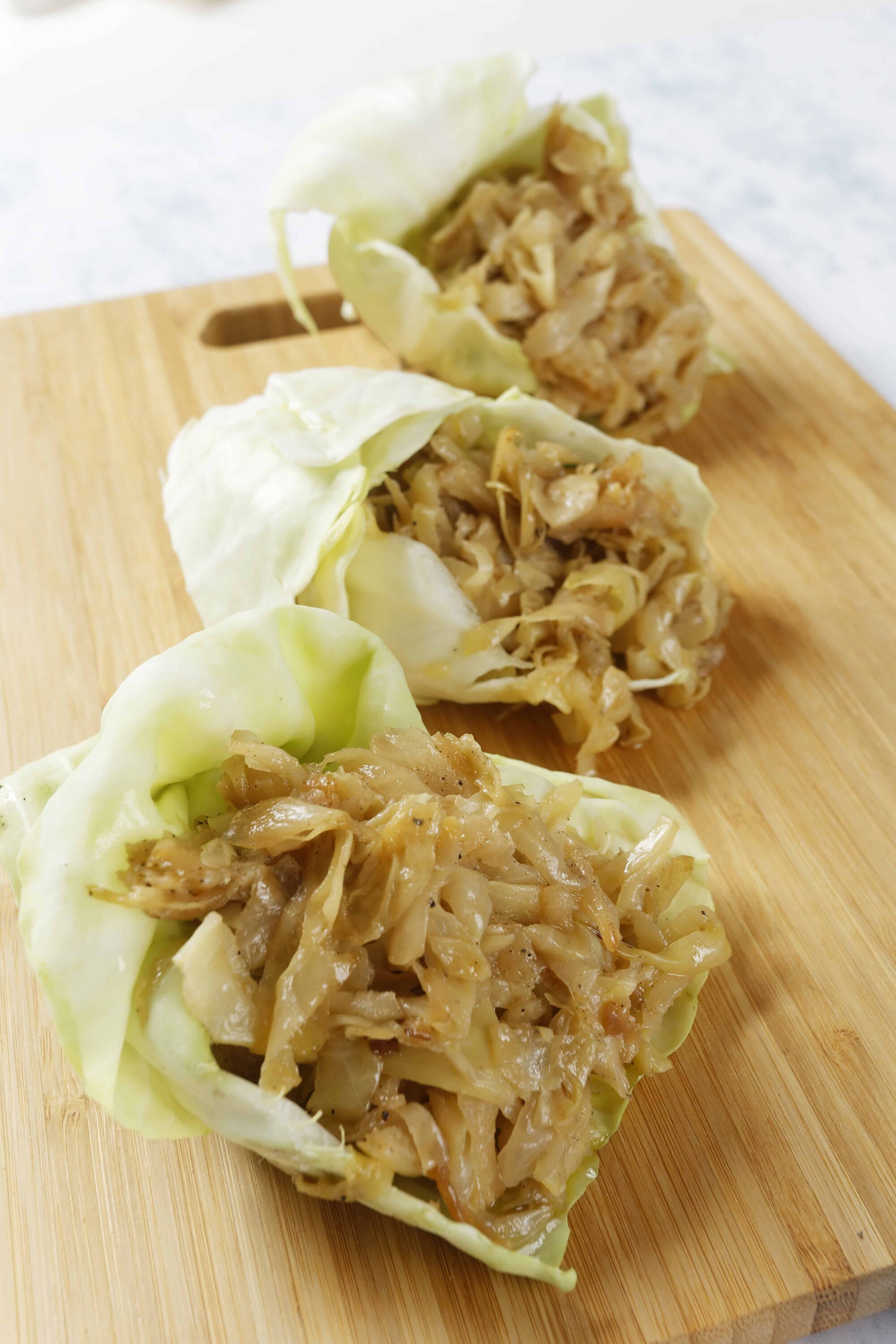
This dish might not look like much at first glance—it’s not brightly colored or fancy—but its vibrant flavors more than make up for its drab appearance! The natural bitterness of raw cabbage mellows significantly when it’s cooked. And caramelizing it like this brings out a tender sweetness that needs only salt and pepper for depth. The bright acidity of the apple cider vinegar balances that sweetness beautifully, delivering a deeply satisfying flavor profile.
Is This Caramelized Cabbage Healthy?
Caramelized cabbage is a nutrient-dense, wholesome side dish that delivers plenty of health benefits. Cabbage is naturally high in fiber and an excellent source of vitamin C, potassium, calcium, and iron. The olive oil provides healthy fats, with most of the fat coming from heart-healthy monounsaturated sources. The dish is free from added refined sugars, but cabbage does contain natural sugars. Overall, this caramelized cabbage is a flavorful, healthy option that can fit into most well-balanced diets.
This naturally gluten-free and vegetarian-friendly recipe can easily be made vegan by skipping the optional butter. For a Paleo-friendly version, substitute the butter with ghee or coconut oil. To make the dish even healthier, you can reduce the salt and add extra herbs or spices for flavor without additional sodium.
Caramelization: A Transformative Process
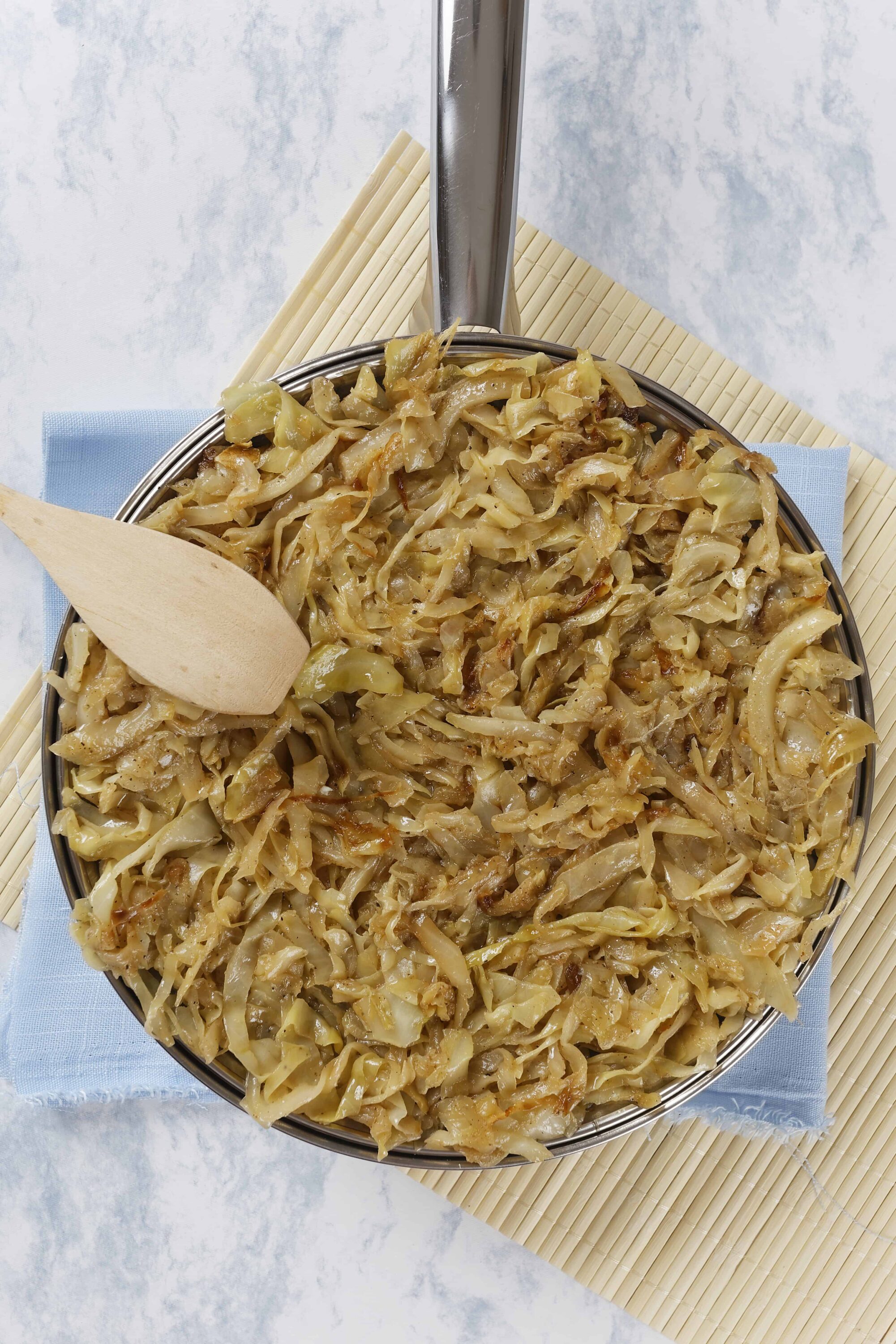
Caramelizing is a cooking process that transforms the natural sugars in food—especially vegetables like cabbage and onions—into a rich, golden-brown color and a deep, sweet, and nutty flavor. This happens when sugars are exposed to heat, typically above 320°F, causing them to break down and form hundreds of new flavorful and aromatic compounds. As the sugars oxidize and lose water, they undergo a series of chemical reactions, resulting in the characteristic color and complex flavor profile that make caramelized foods so appealing. Caramelization is considered a type of non-enzymatic browning that is purely sugar-driven—unlike the Maillard reaction that involves both sugars and proteins.
The origins of caramelization as a culinary technique are ancient, likely dating back to early civilizations experimenting with sugar and heat. While the process was first used to make sweets and candies, cooks soon discovered that caramelizing the natural sugars in fruits and vegetables could add depth and sweetness to savory dishes as well. Today, caramelization is a beloved technique in kitchens around the world, used in everything from classic French onion soup to desserts like this Crème Brûlée Recipe. Its popularity stems from the way it enhances both flavor and texture, making even humble ingredients like cabbage irresistibly rich and satisfying.
How Do I Store Leftovers?
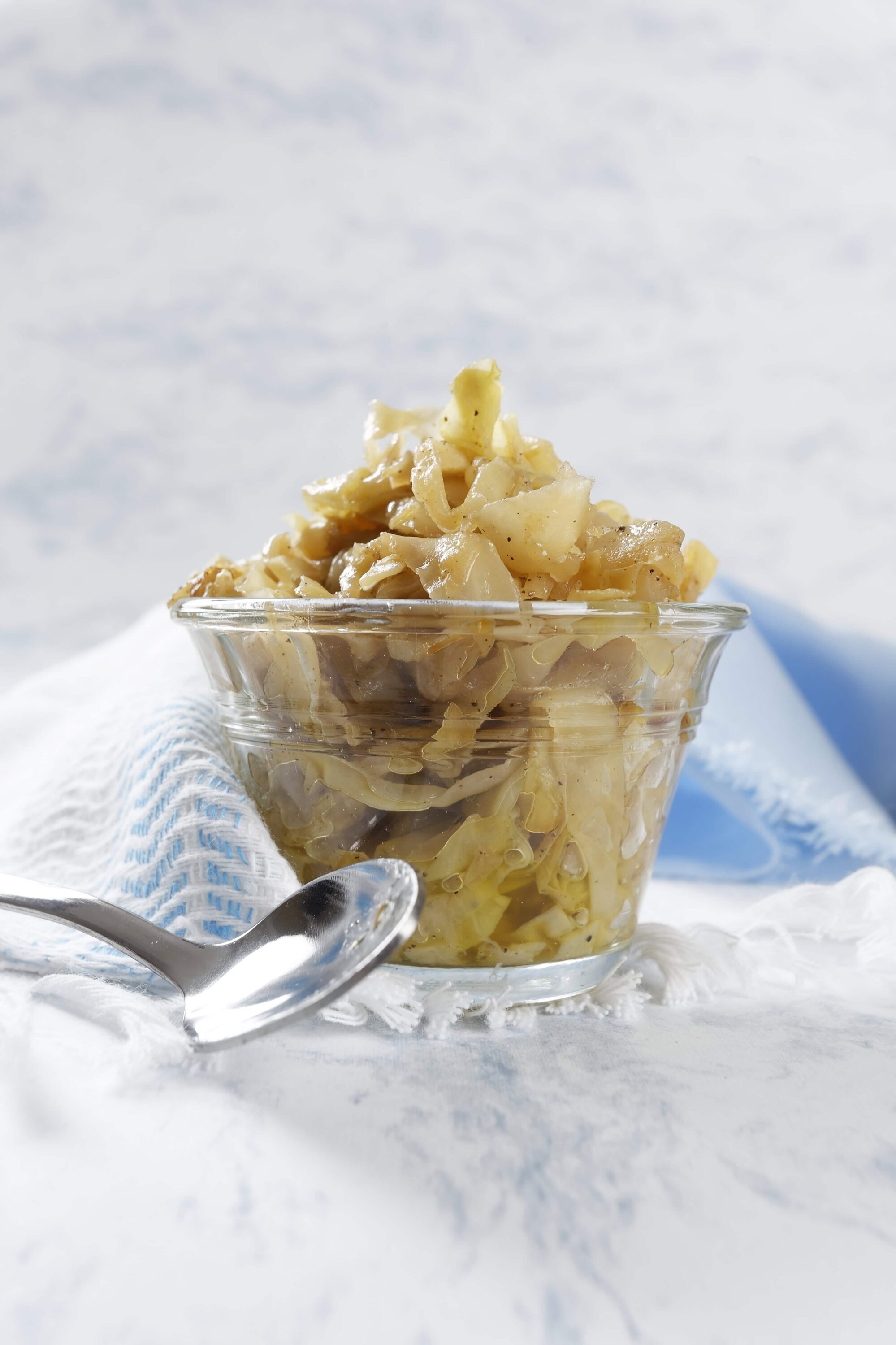
Allow leftover caramelized cabbage to cool to about room temp. Then store it in an airtight container in the fridge for up to 5 days. I don’t recommend freezing this dish, as its soft texture will not withstand the freeze-thaw process.
Serving Suggestions
Pair caramelized cabbage with nearly any main, from Smoked Meatloaf and Sirloin Steak to Chicken Risotto, Panko-Crusted Salmon, and Spaghetti Squash Lasagna. Personally, I enjoy using it to top a Quinoa Salad or stuffing it into an Avocado Grilled Cheese Sandwich or Honey Garlic Chickpea Wrap.

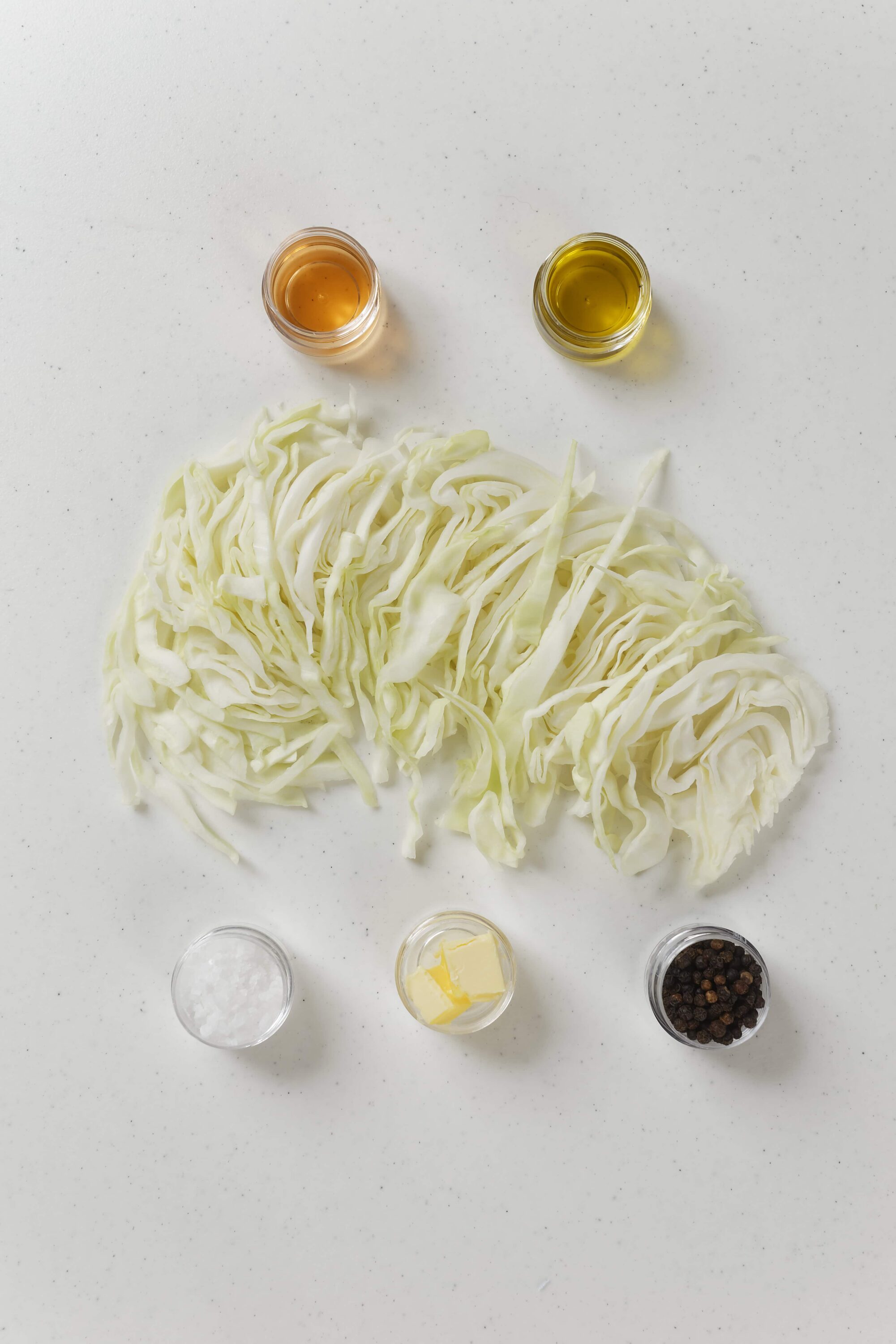
Ingredients
- 2 tablespoons olive oil
- 1 medium head green cabbage cored and sliced into thin strips
- 1/2 teaspoon kosher salt
- 1/4 teaspoon black pepper
- 1 tablespoon apple cider vinegar
- 1 tablespoon unsalted butter optional
Instructions
- Heat olive oil in a large skillet over medium heat until shimmering.
- Add the sliced cabbage to the skillet, sprinkle with salt and pepper, and stir to coat with oil.
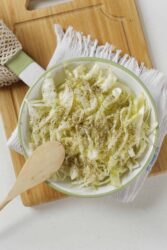
- Cook the cabbage, stirring occasionally, until it starts to soften and brown on the edges, about 15 minutes.

- Drizzle apple cider vinegar over the cabbage and stir to combine. Continue cooking until the cabbage is fully caramelized and golden brown, about 10 more minutes.
- If desired, add butter in the last few minutes of cooking for a richer flavor. Stir until melted and well incorporated.

- Serve immediately.
Nutrition Info:
Nutrition information are estimates only and may vary based on the specific brands, ingredients, and portion sizes you use. This data is provided for informational purposes only.




Leave a Comment