

Class up any occasion with this simple recipe for a timeless cocktail that’s graced bar tops for over 125 years!
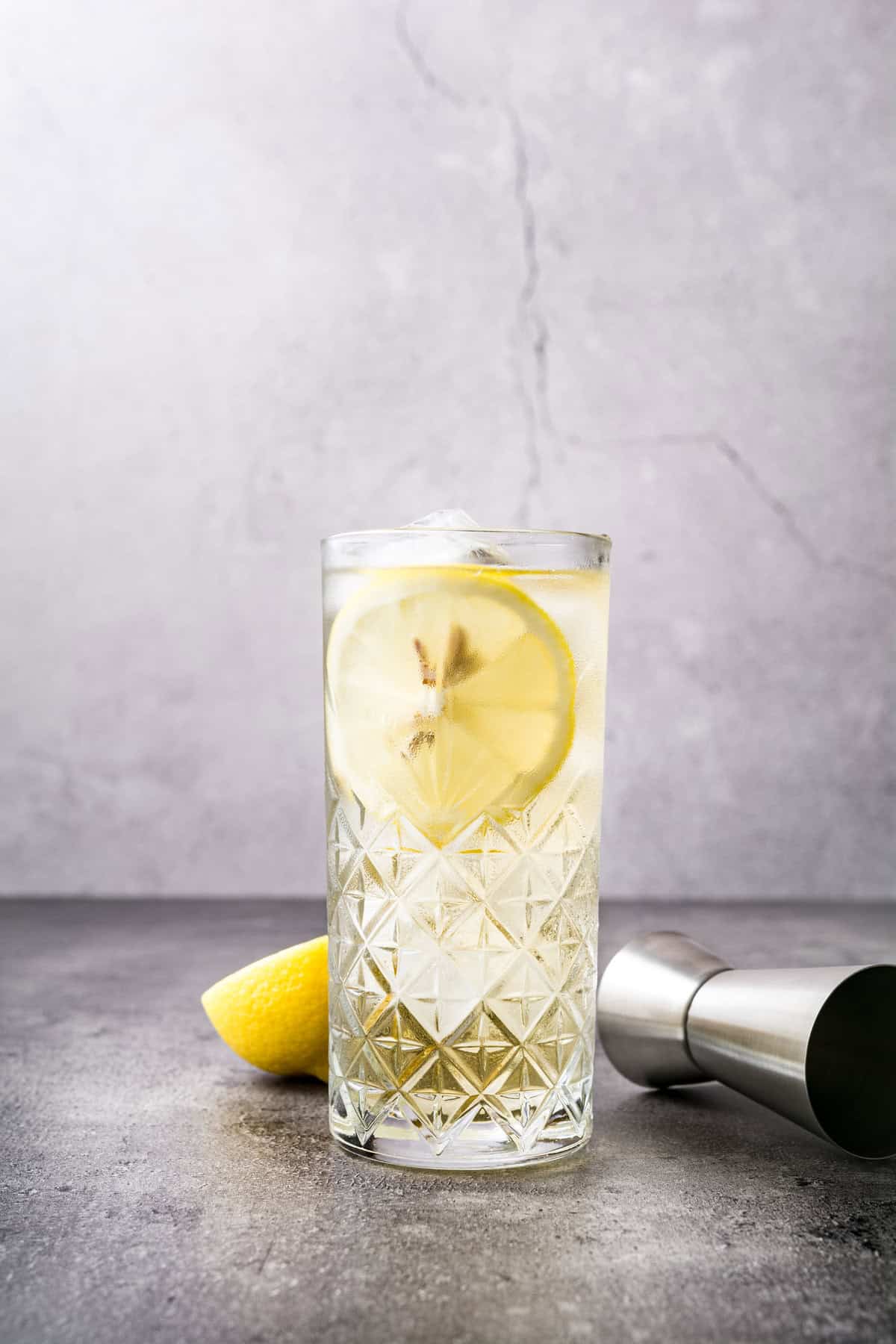
Cocktails were common in my childhood home. My parents enjoyed a few after-dinner drinks most evenings. Dad liked his whiskey neat, but Mom’s favorite was a whiskey highball. She let me sample hers on occasion. I remember loving the lemony aroma of the drink but wrinkling my nose at the bitter taste of the alcohol.
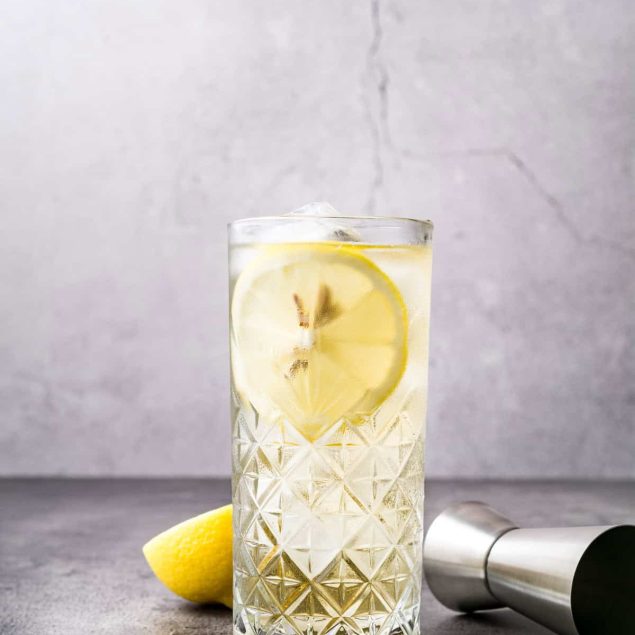
Decades later, my palate has acquired quite a fondness for the sweet burn of whiskey. I view this whiskey highball recipe as a nostalgic tribute to my mom’s classic preferences. It’s such a simple beverage, and yet it amounts to much more than the sum of its parts. In my mind, a whiskey highball is the little black dress of cocktails—it works for any occasion, can be tailored to suit nearly everyone, and never goes out of style.
Want a sweeter highball? Swap the club soda for ginger ale. Not into the brown liquors? Use vodka instead of whiskey. In fact, the highball is considered a template for countless combinations of mixer and spirit. The highball family of drinks includes the gin and tonic, rum and Coke, and more. So, feel free to use the proportions of this recipe to create your own highball with mixers, liquors, and garnishes that fit your personal brand!
From British beginnings to Japanese art form
The highball cocktail traces its lineage to England in the late 18th century. Joseph Priestley had invented the process for carbonating water in 1767, and Johann Jacob Schweppe commercialized the process when he founded the Schweppes soft drink company in 1783, later setting up shop in London. Over the next 100 years or so, the growing popularity of fizzy water led bartenders to mix it with prominent spirits like Scotch whisky and brandy. A request for a “Scotch & soda” by American actor E.J. Ratcliffe in Patrick Gavin Duffy’s bar in 1887 is often cited anecdotally as the first highball drink. The name “highball” became common in the 1890s, and its origin is steeped in colorful legends. It could have referred to railroad signals where a ball was raised to indicate the train could proceed at full speed—or simply to bartenders serving whiskey in taller glasses for guests wanting “a high ball.” By 1900, this simple whiskey-and-soda drink had become a thriving cocktail trend in both England and America.
The highball’s popularity rose during the mid-20th century, especially in Japan. Bars like Torys, started by Suntory whisky’s founder Shinjiro Torii, began serving whisky highballs to a new generation. Japanese bartenders are renowned for perfecting the highball, treating it as an art form with meticulous pouring, pristine ice, and balanced carbonation. Today, the whisky highball is omnipresent in Japanese bars and convenience stores—a testament to its enduring appeal from Western roots to refined status in Japan.
How do I store leftovers?
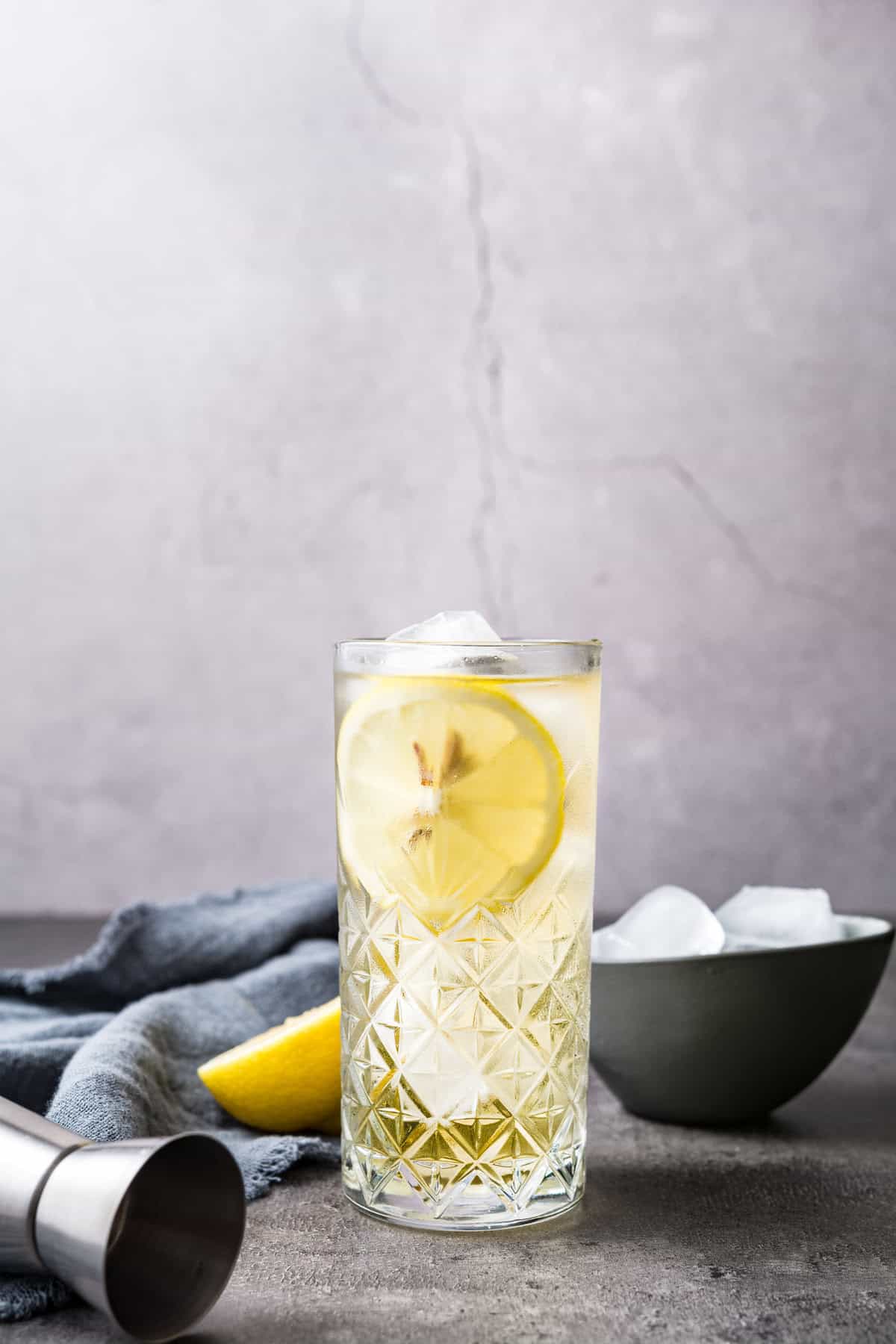
Whiskey highballs taste best when they’re freshly made, but leftovers will keep for about 1 day in a tightly sealed container in the fridge. After that, the drink will taste flat and faded. Avoid freezing a highball, as texture and quality will decline sharply. Unmixed whiskey keeps for months when it’s well sealed, either at room temp or in the fridge.
Serving suggestions
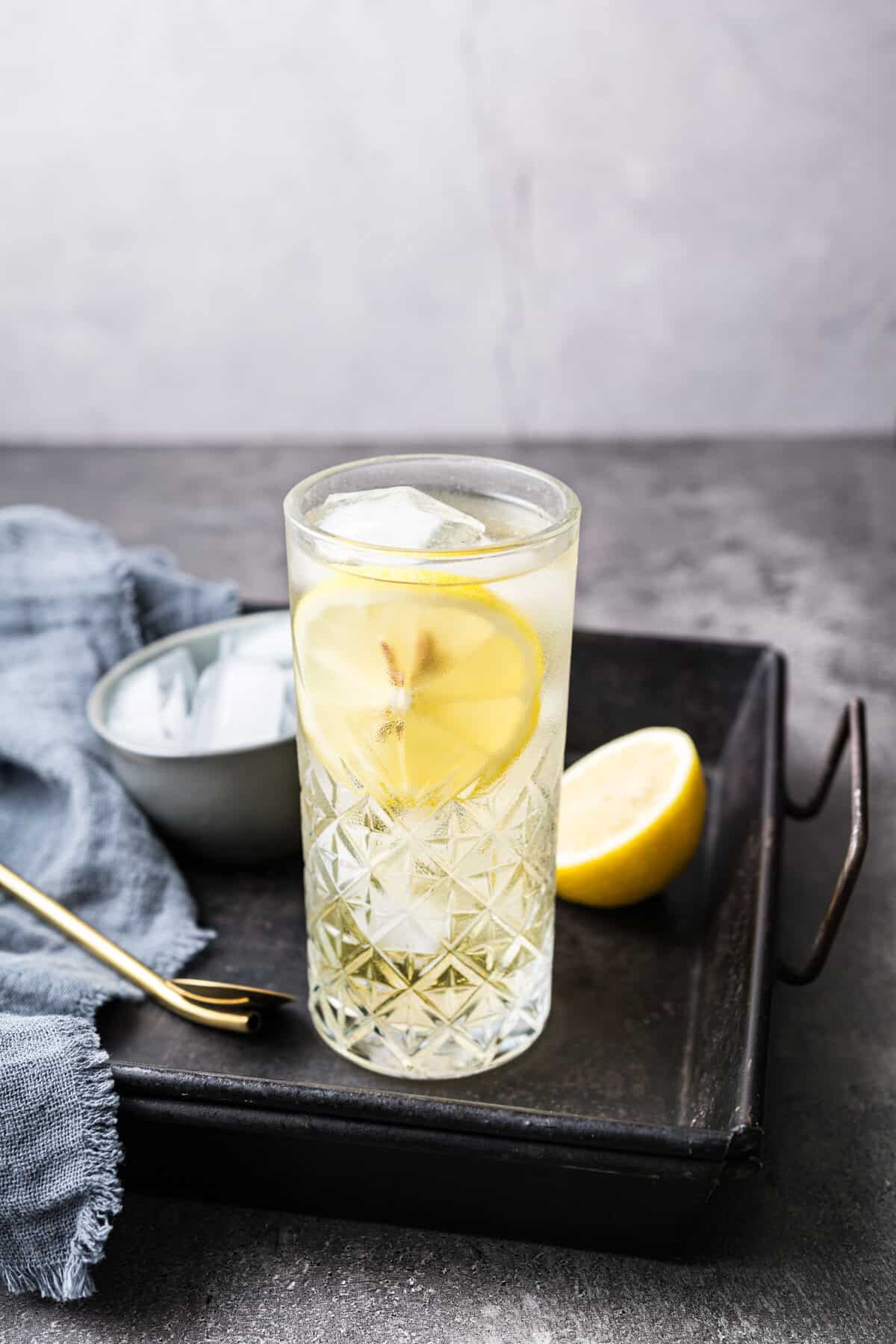
Serve your whiskey highball with spicy dishes, like Cajun Chicken or Spicy Deviled Eggs, to complement its bubbly, citrusy brightness. Or lean into the drink’s Japanese connection by pairing it with Baked Salmon Sushi Cups or this sweet and savory Yakitori Recipe.
Ingredients
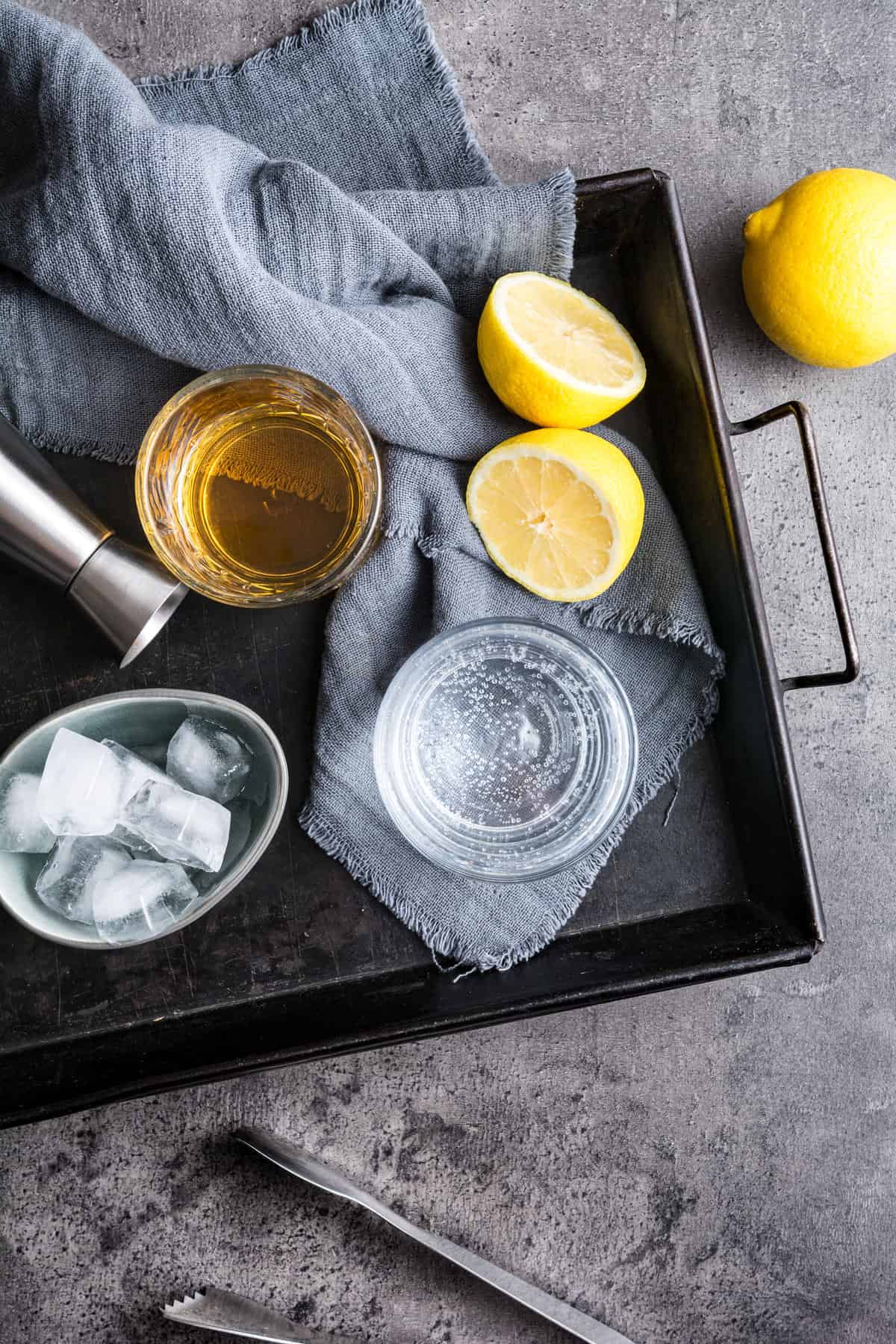
- 2 ounces whiskey
- 6 ounces club soda
- Lemon slice, wedge, or twist optional, for garnish
Instructions
- Fill a highball glass with ice.

- Pour the whiskey over the ice.

- Top with the club soda, pouring gently to preserve carbonation. Stir once or twice, just enough to combine.

- Garnish with a lemon slice, wedge, or twist if desired. Serve immediately.
Nutrition Info:
Nutrition information are estimates only and may vary based on the specific brands, ingredients, and portion sizes you use. This data is provided for informational purposes only.


Leave a Comment