

A nostalgic treat that you can dress up or down!
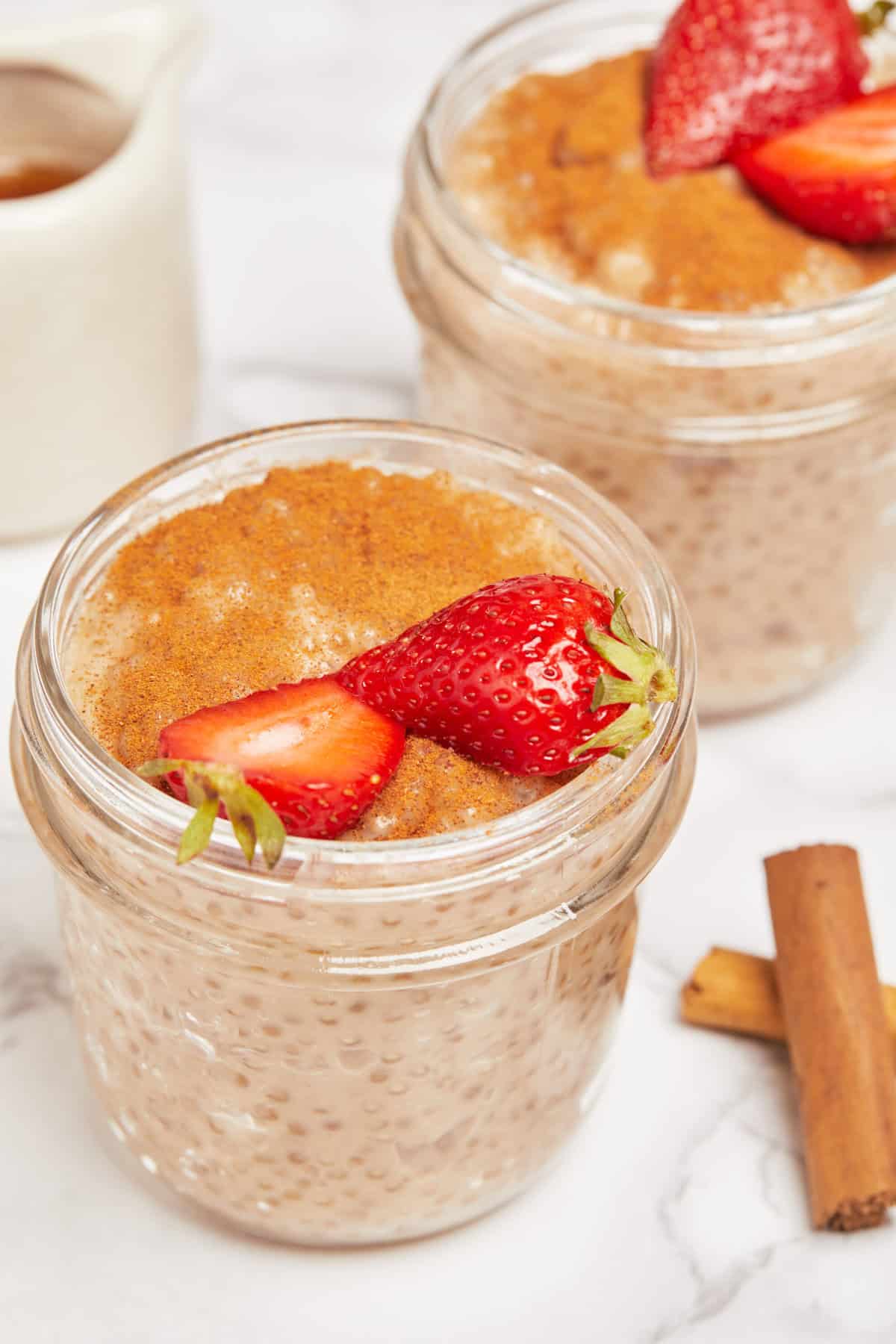
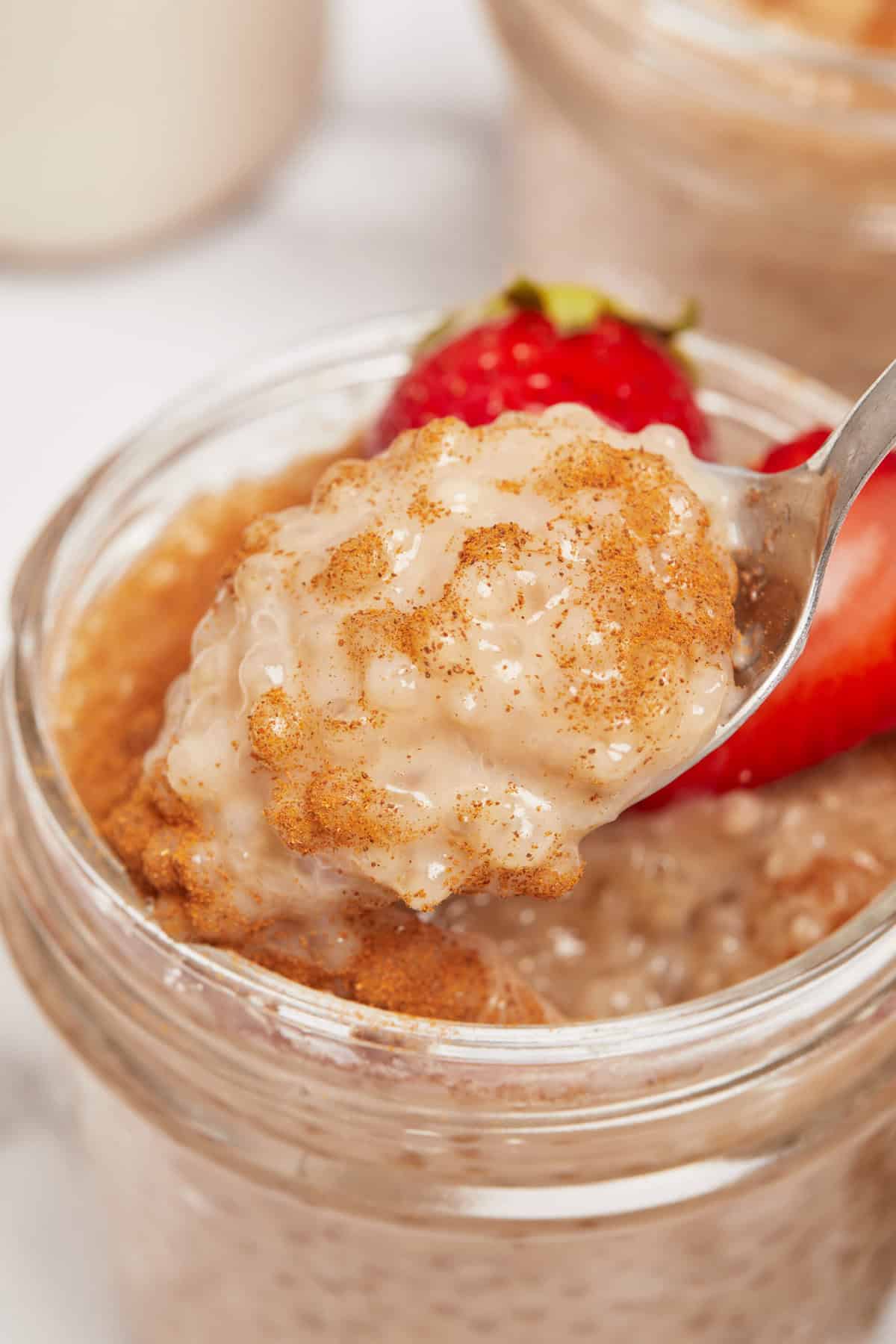
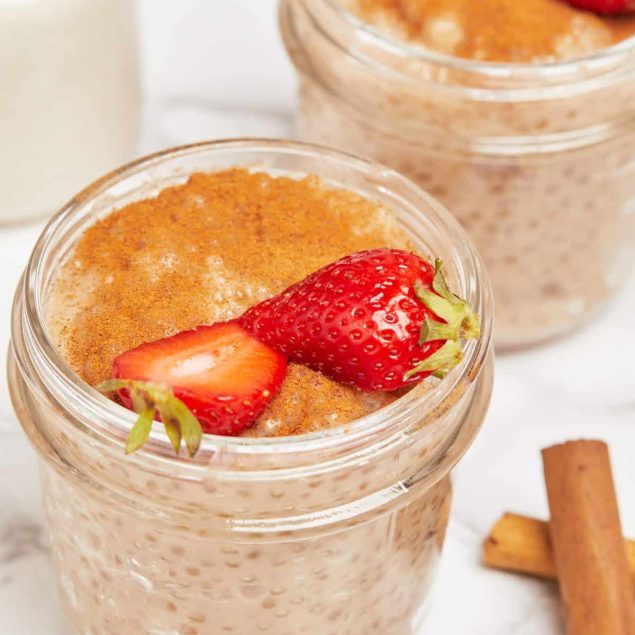
If you have a craving for pudding, but don’t want to overload yourself on refined sugar, I have the perfect recipe to add to your repertoire. Great for breakfast, dessert, or a snack, this tapioca pudding is totally vegan, totally simple, and totally the thing that’s going to hit the spot.
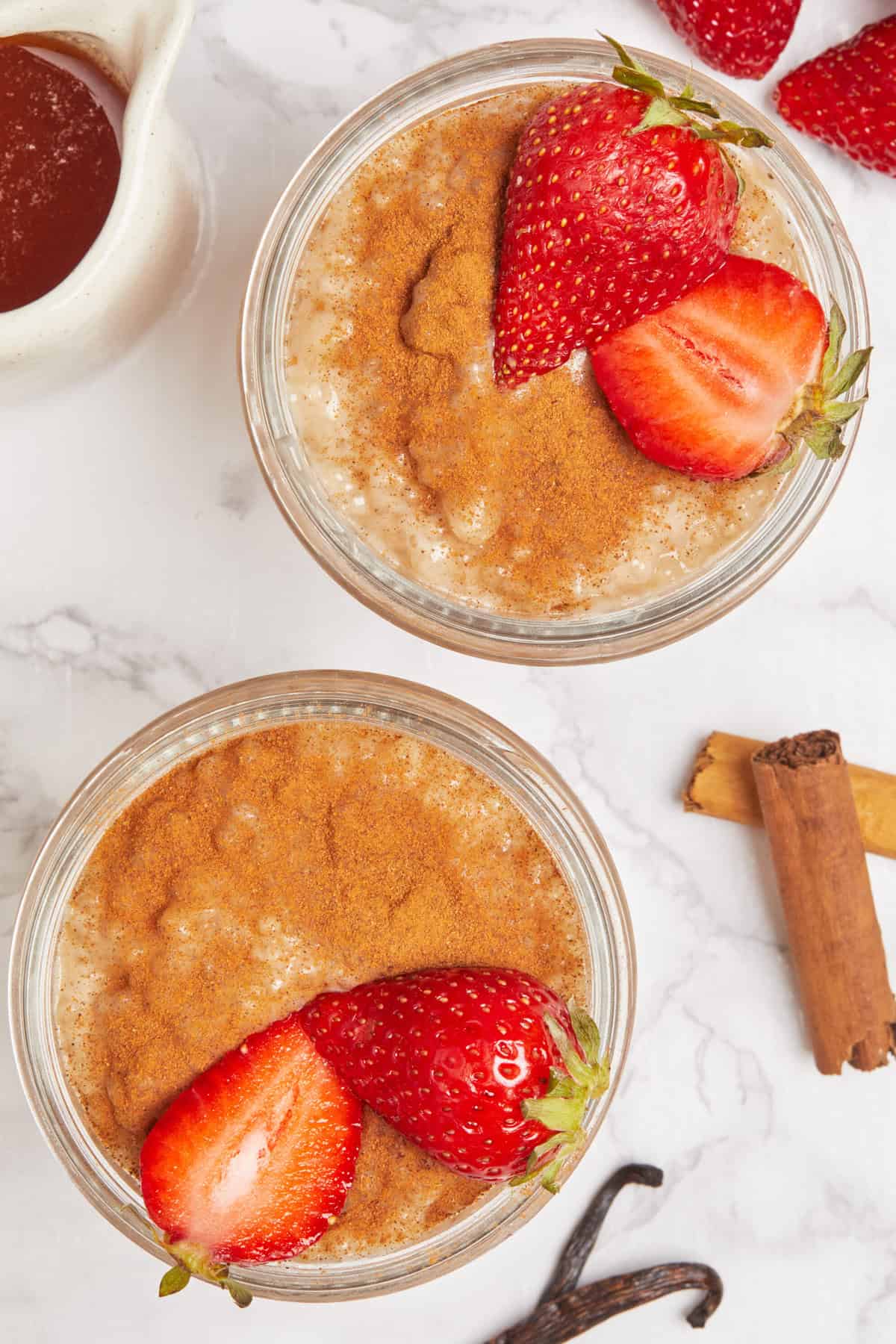
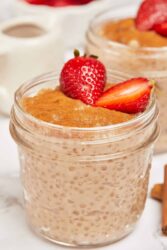
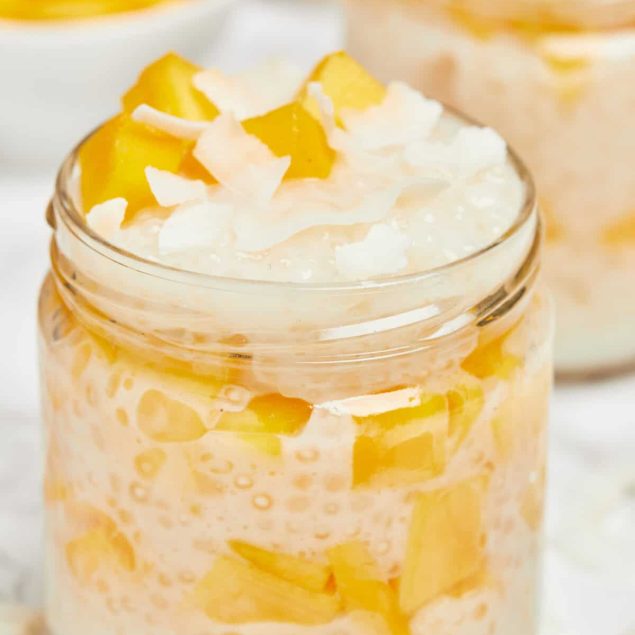
You can serve this tapioca pudding chilled and topped with sliced fruit and whipped plant-based cream for a refreshing, light dessert. Want something more cozy? Warm it up and serve it with a dollop of nut butter and a sprinkling of crushed nuts or coconut flakes. It’s the perfect vessel for any type of ingredient and any kind of craving you’re currently having.
I created this tapioca pudding recipe looking for a vegan twist on the pudding my grandma fed me growing up. And I think I’ve succeeded. You’re going to love the simple goodness of this treat. It feels like an indulgence, but it’s not, and it offers so many opportunities for interesting modifications.
Is This Vegan Tapioca Pudding Healthy?
Tapioca itself has very little nutritional value. It’s a starch that is often sold in flour form as a gluten-free alternative to traditional flour. Pearls are another common form, often used in bubble tea and pudding—like this recipe. As it stands, this recipe is dairy-free, gluten-free, and vegan, and it contains no refined, processed sugar.
The healthiest component here is the unsweetened almond milk, which is rich in vitamin E. Many store-bought almond milks are also fortified with extra nutrients like calcium and vitamin D. You could use any plant-based milk of your choosing, however, in this recipe.
Turning Tapioca Into Pearls
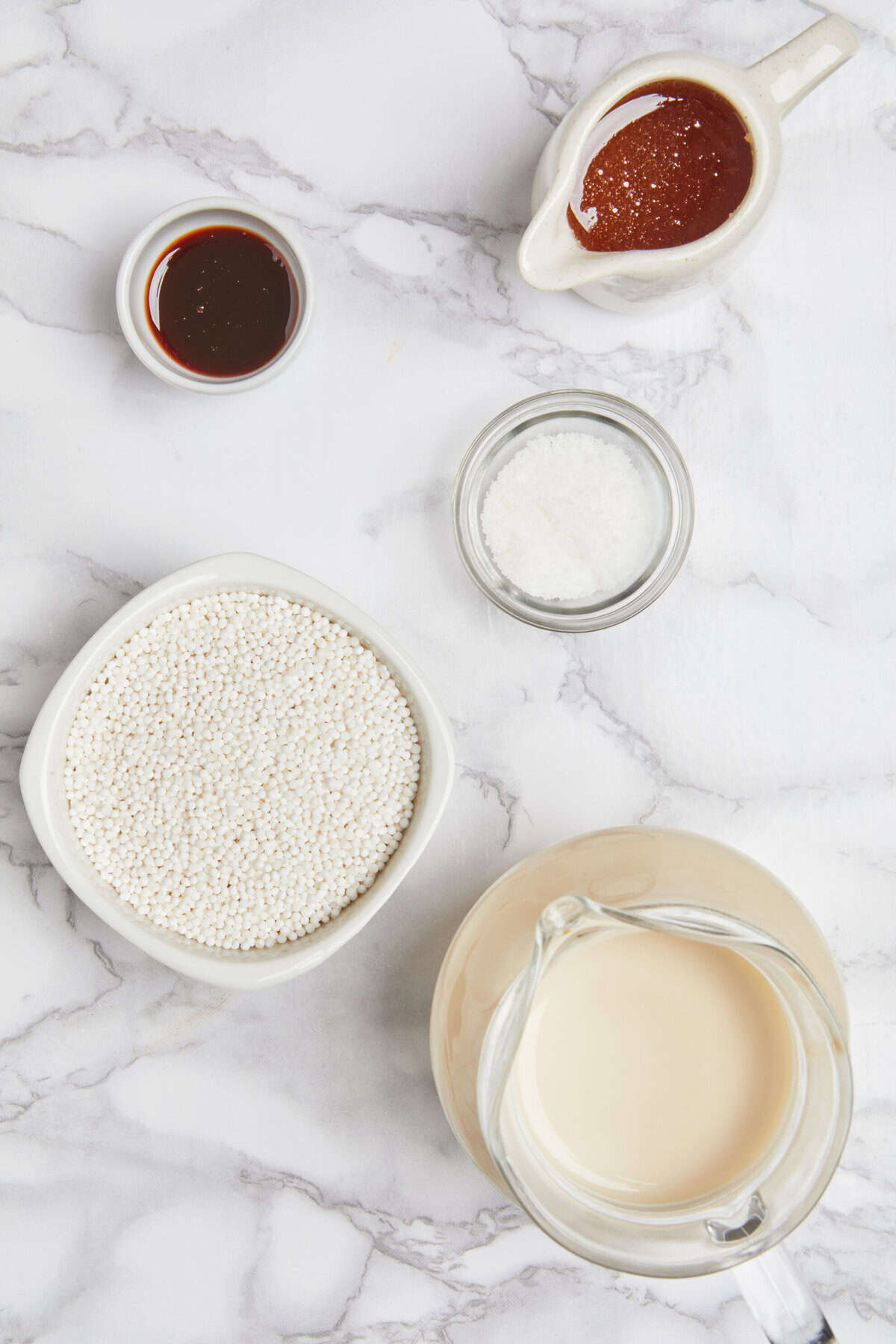
What are tapioca pearls, exactly? They’re made of starch extracted from the cassava root. It’s ground and dried, boiled, and kneaded into dough, forming small or large pearls. The small size is the best for pudding; it gives a smooth, creamy texture. Just be sure to check the instructions on the box, as cooking times can vary!
Meanwhile, bubble tea typically uses bigger pearls, which are called boba. They are made by steeping the white pearls in a caramelized syrup made from brown sugar (which is why they’re usually black!). That adds sugar and calories. They’re often mixed with flavored tea and milk, making it a very rich treat.
How To Make Ahead And Store
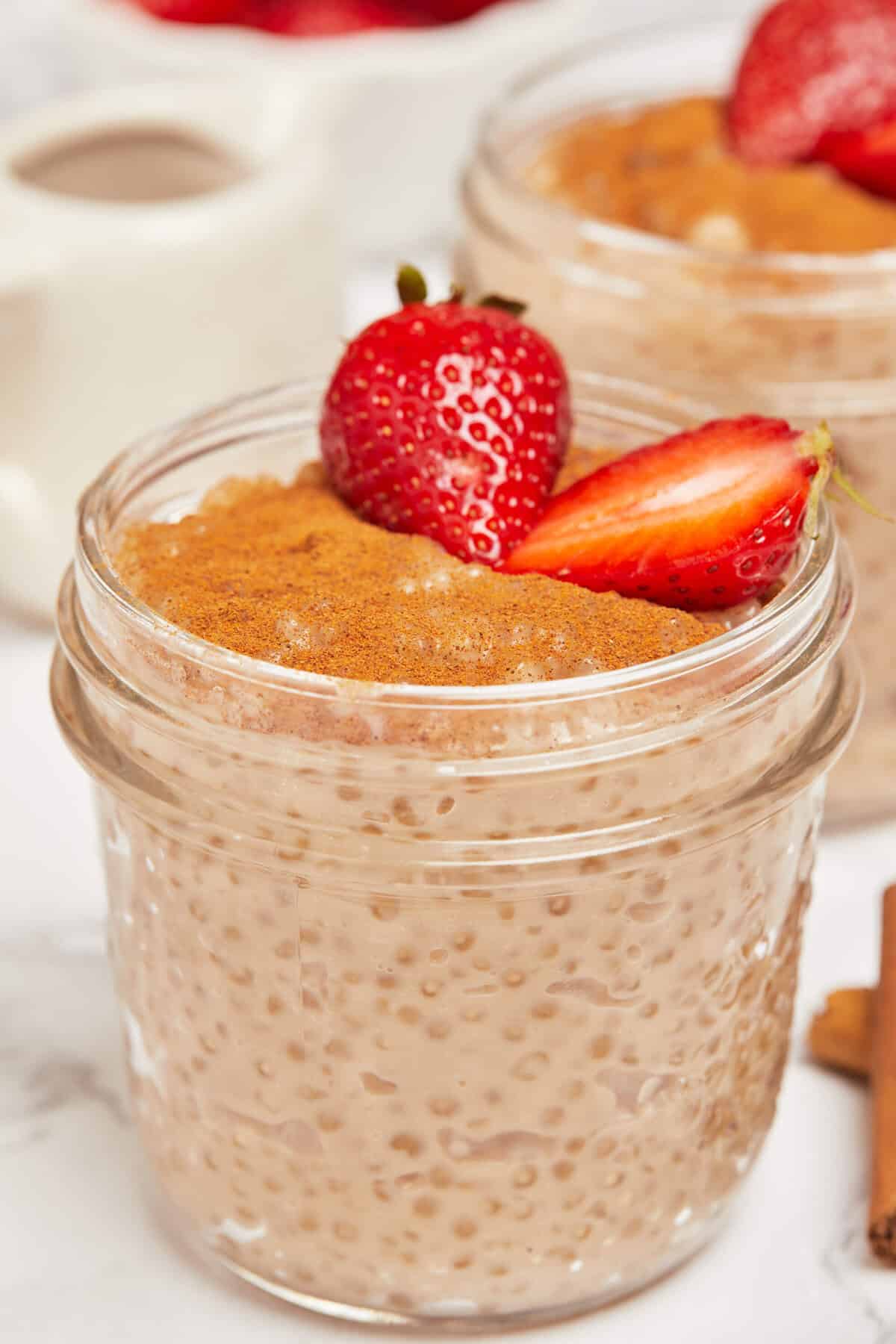
This pudding can easily be made a few hours before serving and kept in the refrigerator until it’s time to eat. For longer storage, keep individual servings in covered containers in the fridge for up to 5 days. If kept in an airtight freezer-safe container, this tapioca pudding can also be frozen for up to 3 months. Just thaw thoroughly in the fridge before eating.
Serving Suggestions
Growing up, I enjoyed homemade treats for dessert most nights. Seems like my mom thought tapioca couldn’t be served alone as a dessert, so she always served cookies with it. I never met a cookie I didn’t like, and these Vegan Pumpkin Cookies and Carrot Cake Cookies are surefire winners! They pair so nicely with the maple syrup and vanilla in the pudding.
If you are looking for other vegan pudding recipes to try next, take a look at this Peach Breakfast Quinoa Chia Pudding or this Mint Chia Pudding.
Ingredients
- 1/2 cup small tapioca pearls
- 3 cups unsweetened almond milk
- 1/3 cup maple syrup
- 1/4 teaspoon fine sea salt
- 1 teaspoon pure vanilla extract
Instructions
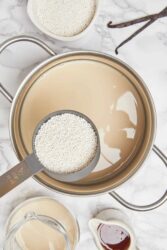
- In a medium saucepan, soak the tapioca pearls in the almond milk for 30 minutes before heating.
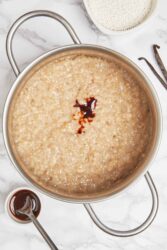
- After soaking, add maple syrup and salt to the saucepan and stir to combine. Heat the mixture over medium heat until it comes to a gentle simmer.
- Reduce the heat to low and let the mixture simmer for about 1 hour, stirring occasionally, until the tapioca pearls are fully translucent and the pudding has thickened to your desired consistency.
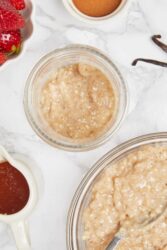
- Remove the saucepan from the heat and stir in the vanilla extract. Let the pudding cool for a few minutes before serving warm, or chill in the refrigerator if you prefer it cold.
Nutrition Info:
Nutrition information are estimates only and may vary based on the specific brands, ingredients, and portion sizes you use. This data is provided for informational purposes only.


Leave a Comment