

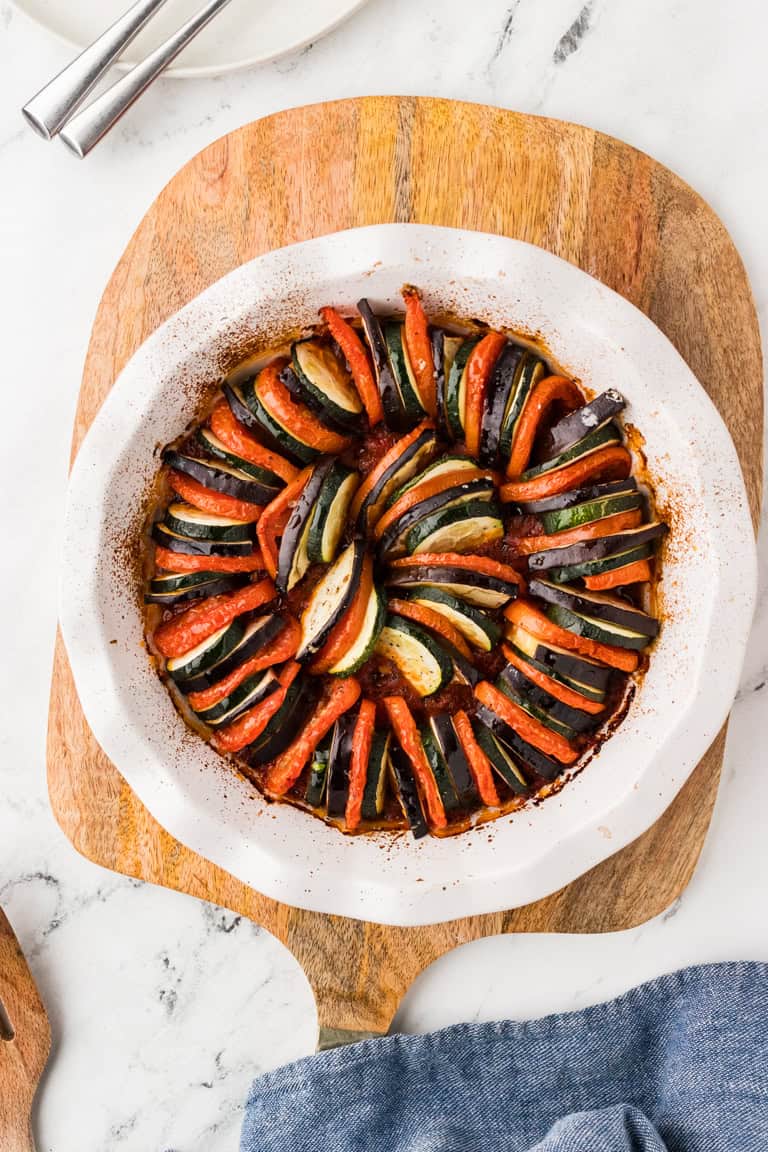
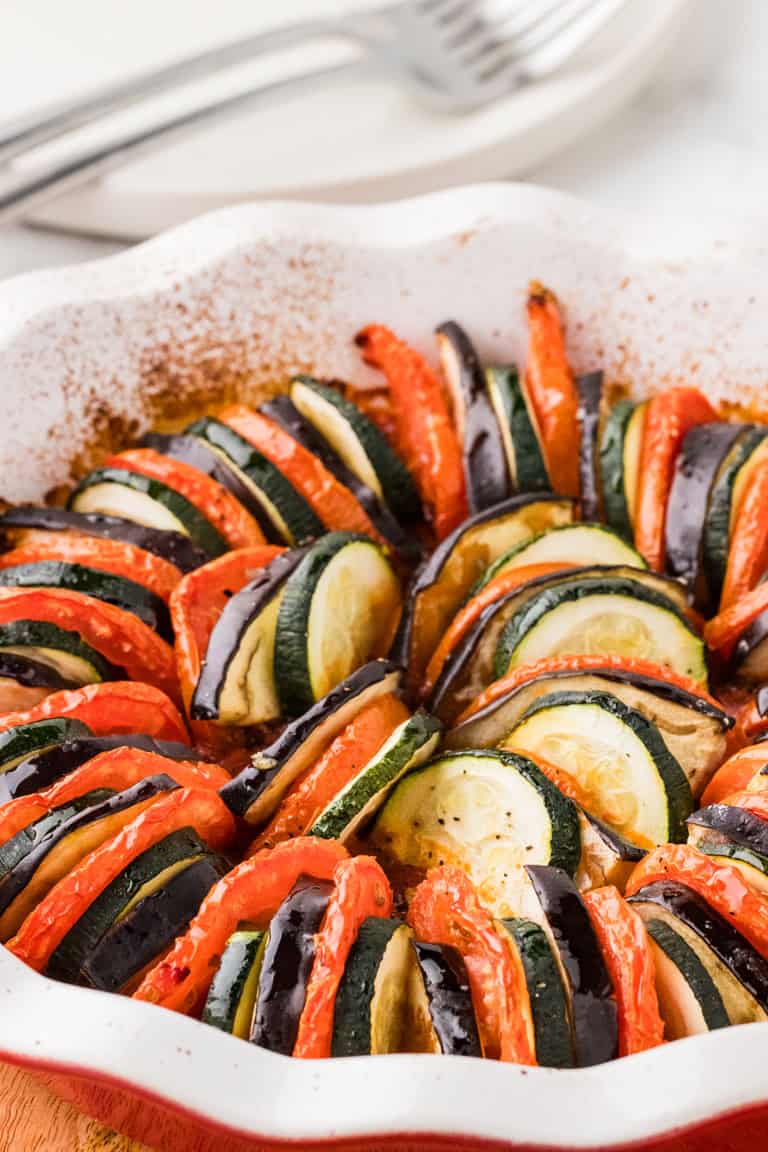
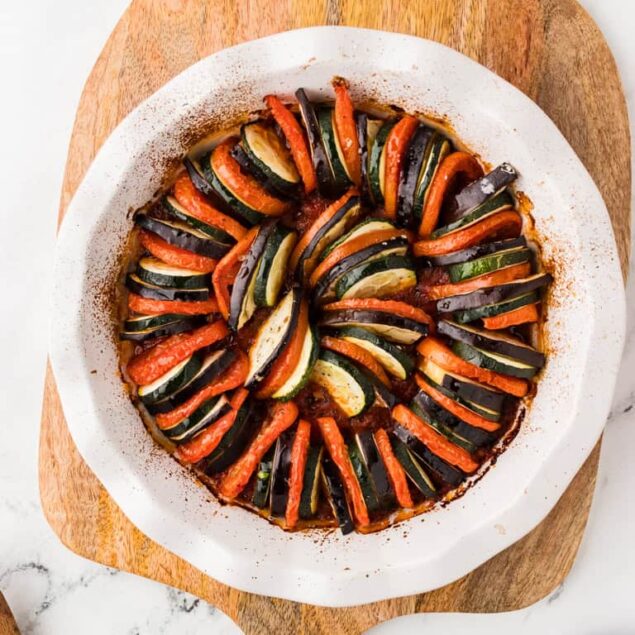
A vibrant Provençal dish of stewed vegetables in a gorgeous spiral arrangement; we’re making none other than ratatouille.
I first heard about ratatouille when I was in college. And no, it wasn’t when I saved up to take a date to a swanky French restaurant—though that also happened—let’s just say I’m not a fan of steak tartare.
It was a certain rat named Remy that piqued my curiosity about this dish. Unless you’ve been living under a rock, chances are you’ve heard of the 2007 Pixar animated film, Ratatouille.
It may sound crazy, but I count Ratatouille as one of the things that inspired me to explore other cuisines. I was entranced by the beautiful foods Remy cooked, especially his ratatouille. When I finally got the chance to try ratatouille myself, I instantly understood why this classic French recipe was so beloved.
Ratatouille is a mainstay meal originating from the Provence region. It’s a humble dish with deep flavor. Originally a peasant dish created to prevent seasonal vegetables from going to waste, it has since become a favorite comfort food worldwide. There are many variations of ratatouille, but I truly think this recipe hits the mark.
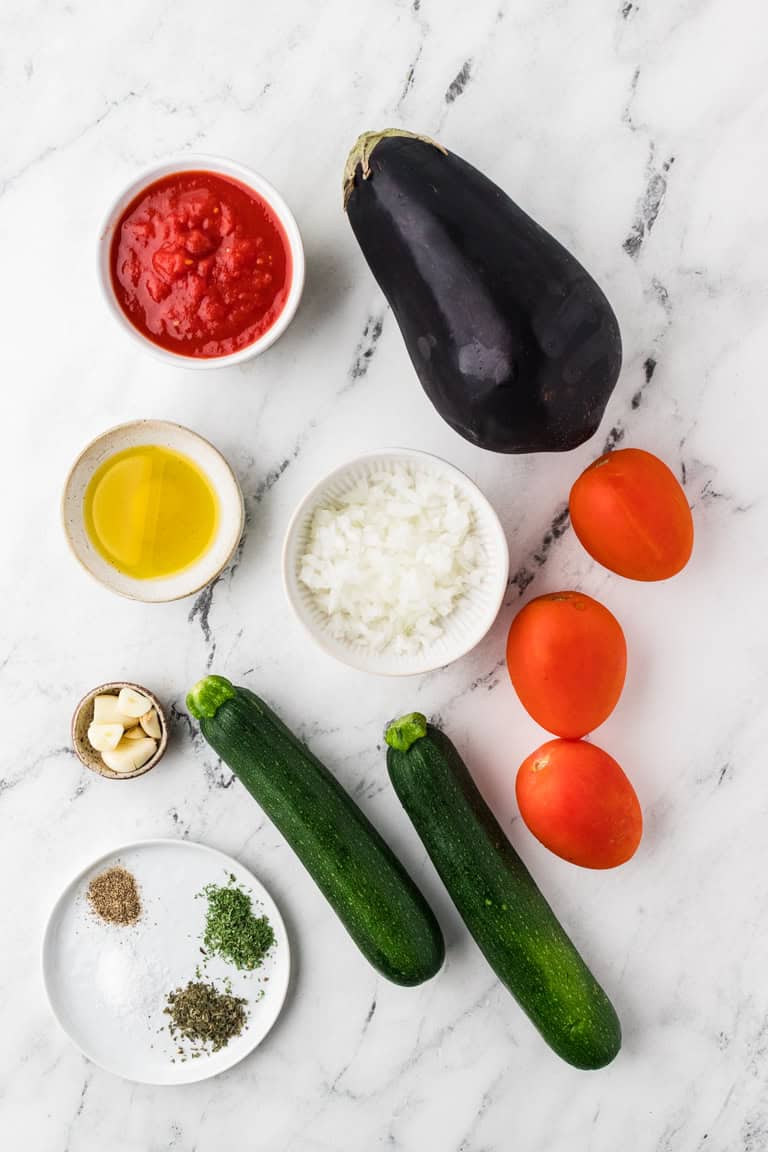
This ratatouille tastes just as good as it looks. The delicate vegetables offer big, herbaceous flavor thanks to the basil, parsley, and fresh garlic. The eggplant, zucchini, and tomatoes are roasted together and the result is a slightly sweet and savory tomato-forward stew. Whether you serve it as the main course or as a side, Ratatouille makes a beautiful and delicious centerpiece for your next dinner party.
Is Ratatouille Healthy?
Ratatouille is a nutrient-dense, low-calorie dish packed with fiber, vitamins A and C, potassium, and antioxidants. Since ratatouille is naturally gluten-free, vegetarian, and low in carbohydrates, it will suit just about any diet. Personally, I wouldn’t modify a single thing in this recipe.
Easy Substitutions for Ratatouille
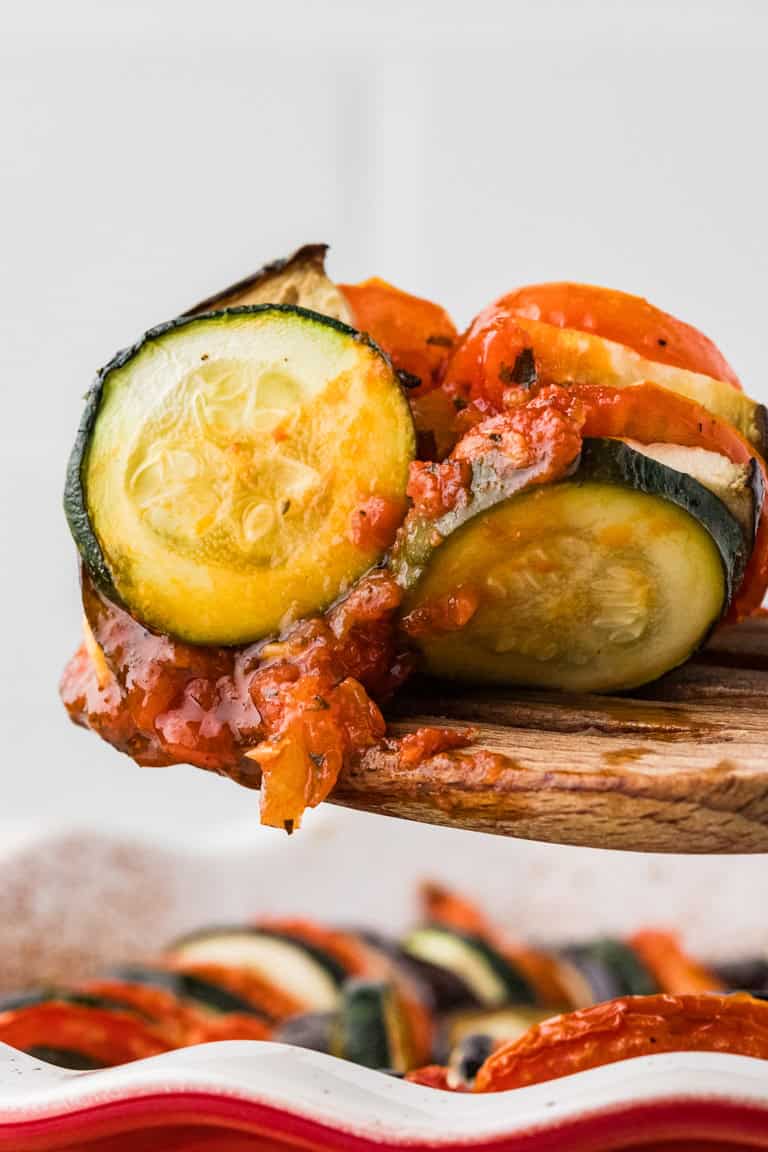
Ratatouille can be a flexible dish. While classic recipes use eggplant, zucchini, and tomatoes, it is possible to swap in other veggies depending on what you have on hand or what’s in season. I like to do this myself, choosing seasonal vegetables that still stay true to ratatouille.
On occasion, I’ll add bell pepper to the dish. Bell pepper is among the more common ingredients found in recipes for ratatouille. When they’re in season, I’ll sometimes swap zucchini with yellow squash. If you’re feeling experimental, try adding thinly sliced portobello mushrooms for an earthy flavor.
How to Make Ahead and Store?
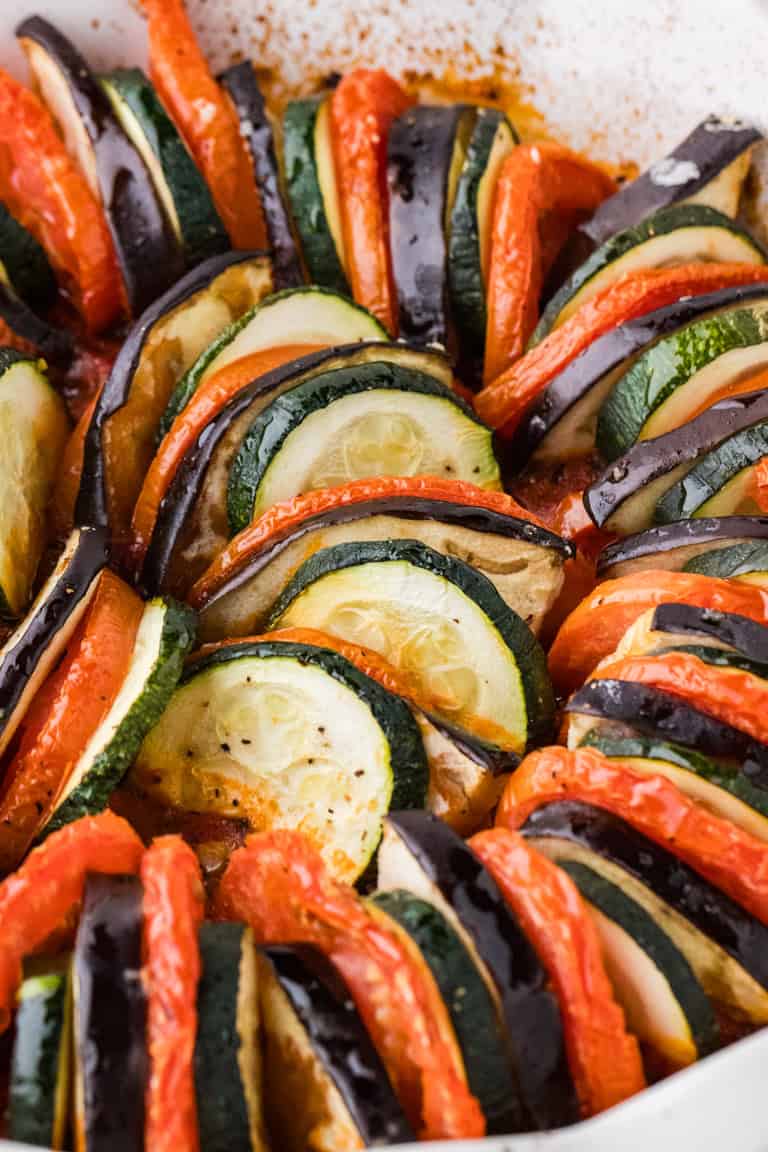
While I wouldn’t bake the dish ahead of time, you can assemble the ratatouille a day in advance. Cover it tightly with foil, and refrigerate. When ready to serve, simply bake as instructed. Store leftovers in an airtight container for up to 3 days and reheat in the oven at 350°F.
Serving Suggestions
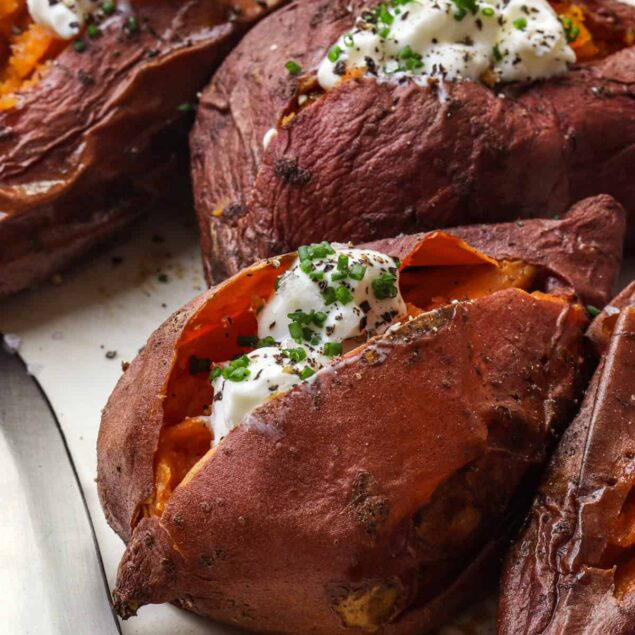
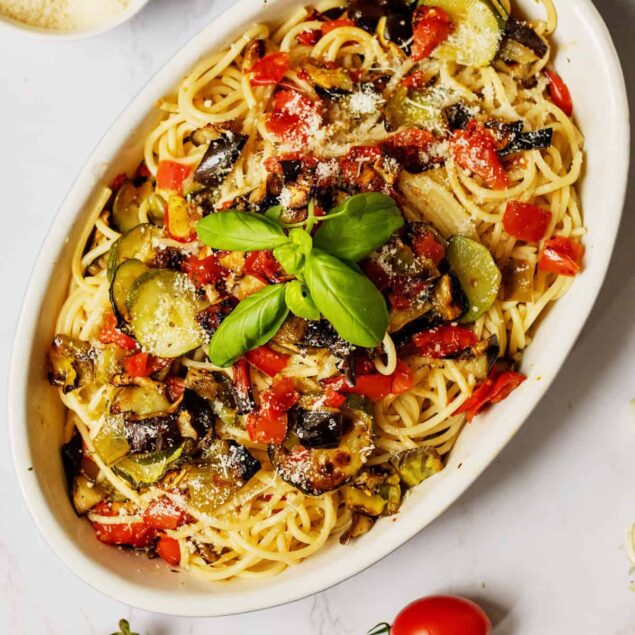
Ratatouille pairs deliciously with a crusty bread, quinoa, or brown rice. It also makes a fantastic topping for pasta or even a potato bar. For a more filling meal, serve it alongside a whole roasted chicken or a fish like Broiled Haddock. My favorite pairing for ratatouille is polenta. The creamy polenta complements the ratatouille in such a nice way.
Ingredients
- 2 tablespoons olive oil
- ¼ cup onion finely chopped
- 2 garlic cloves minced
- 1 cup crushed tomatoes
- 1 teaspoon dried basil
- ¼ teaspoon dried parsley
- 1 medium eggplant sliced into ⅛-inch thick rounds
- 2 medium zucchini sliced into ⅛-inch thick rounds
- 3 medium Roma tomatoes sliced into ⅛-inch thick rounds
- Salt to taste
- Black pepper to taste
Instructions
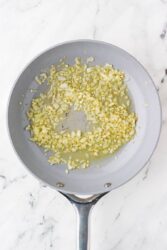
- Preheat the oven to 375°F. In a skillet, heat olive oil over medium heat. Sauté onion and garlic until softened, about 3 minutes.
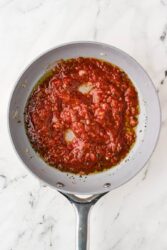
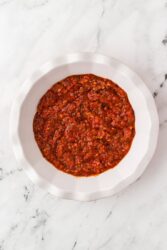
- Stir in crushed tomatoes, basil, and parsley. Simmer the sauce for 10 minutes, allowing it to thicken slightly. Season with salt and pepper to taste.
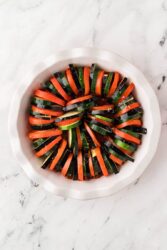
- Spread the tomato sauce evenly in the bottom of a baking dish. Arrange the sliced eggplant, zucchini, and Roma tomatoes in alternating layers over the sauce.
- Drizzle the vegetables with olive oil and season with additional salt and pepper. Cover with foil and bake for 30 minutes.
- Remove the foil and continue to bake for another 40 minutes, or until the vegetables are tender and the top is slightly caramelized.
Nutrition Info:
Nutrition information are estimates only and may vary based on the specific brands, ingredients, and portion sizes you use. This data is provided for informational purposes only.


Leave a Comment