

With its flaky texture, buttery taste, and short ingredients list, this is the Perfect Pie Crust recipe for beginners!
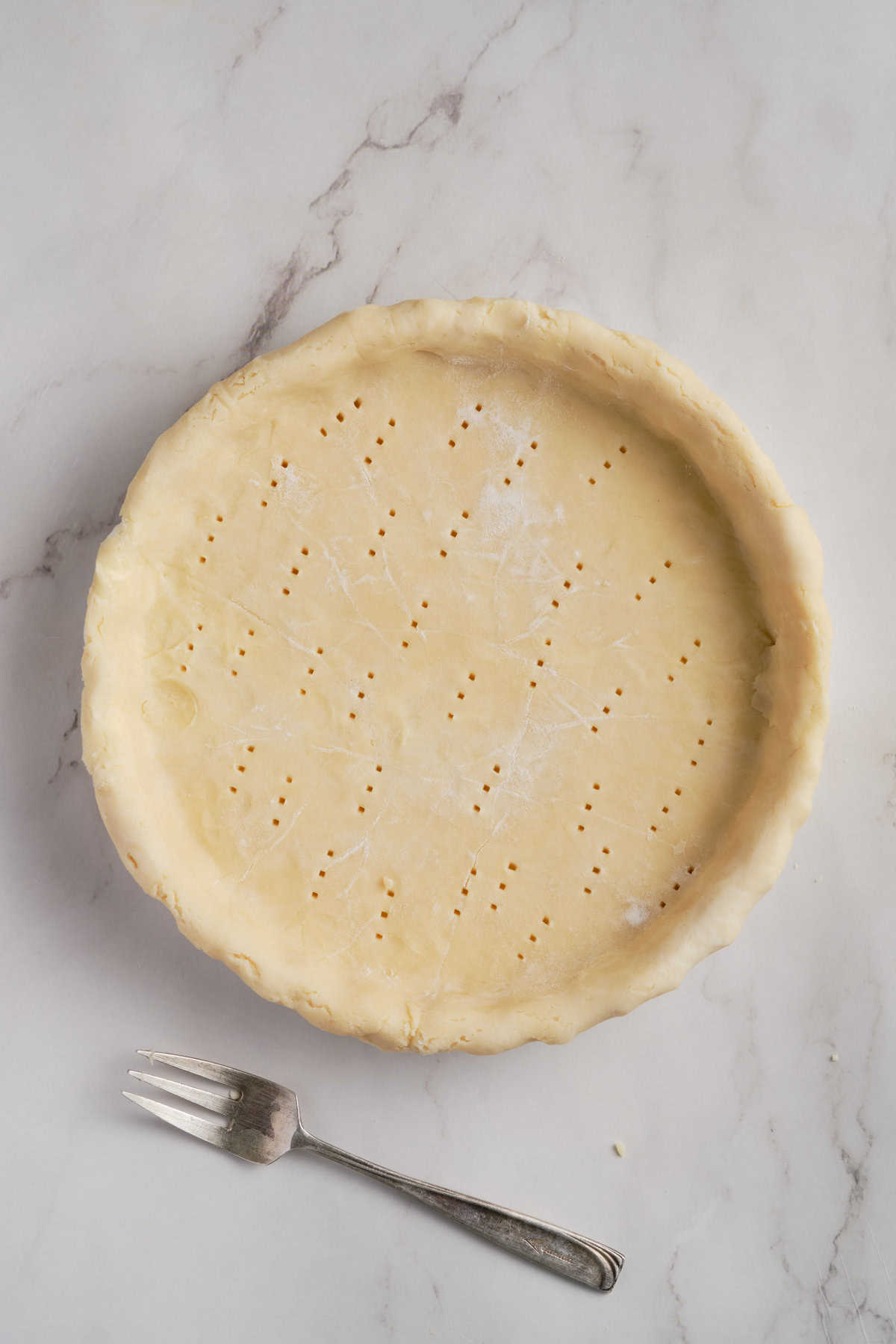
My wife is the undisputed baker in the Porter house. She’s got the touch, the patience, and the instinct to know that sometimes you pull the muffins out of the oven before the cooking timer beeps. Me? Not so much. In general, baking freaks me out. I don’t like how precise everything has to be. If cooking is an art, then baking is a science. While I can approximate the ingredients for a chicken stir-fry and have it turn out deliciously well, a single mismeasurement in my cookie batter can derail the whole recipe. That’s why I mostly stay in my cooking lane.
But every once in a while, I’ll take a stab at baking—or should I say spatula? This pie crust is an excellent beginner’s recipe. I’m not going to lie and say I nailed the pie crust after the first try. Third time’s the charm, as they say!
Even if your pastry skills are confined to pre-packaged Pillsbury dough, this crust comes together. Besides, I bet you’re better at following instructions than I am. If all goes well, the crust bakes up flaky and golden, with just the right balance of buttery richness to complement your favorite filling. Sweet or savory, this pie crust works with them all!
Is This Pie Crust Healthy?
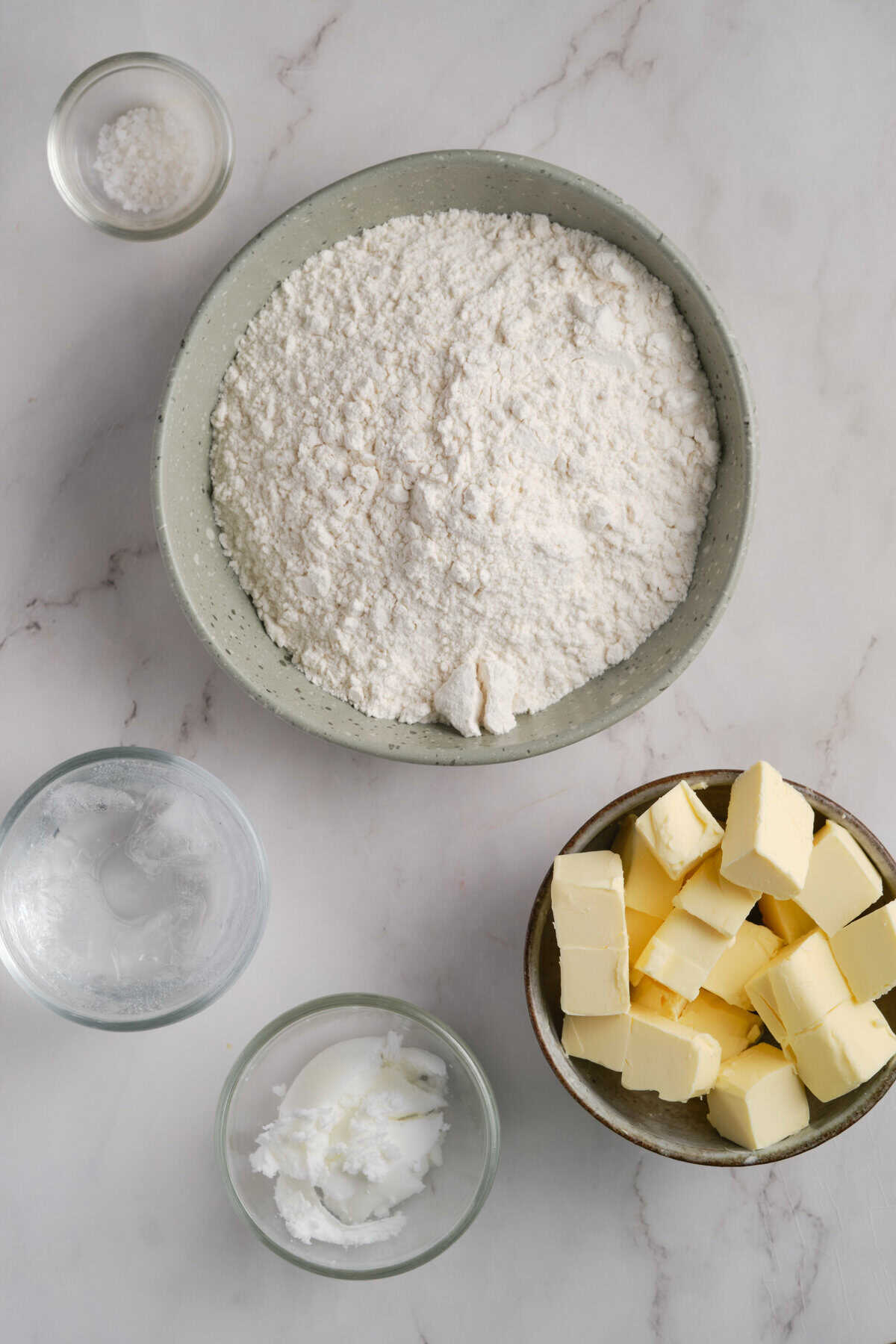
Sorry, folks. This is pie crust. Like, real pie crust. It’s loaded with butter, vegetable shortening, and carbs. However, homemade pie crust lets you control what goes in and what doesn’t. You won’t find any weird, hard-to-pronounce ingredients listed here.
If you want to make it a smidge healthier, use whole-wheat flour for part of the all-purpose. Additionally, many (but not all) vegetable shortening brands are made from hydrogenated oils. If you’re gluten-free or watching the carbs, this Keto Almond Flour Pie Crust Recipe is a tasty option.
Keeping It Cool: Why Cold Water Matters
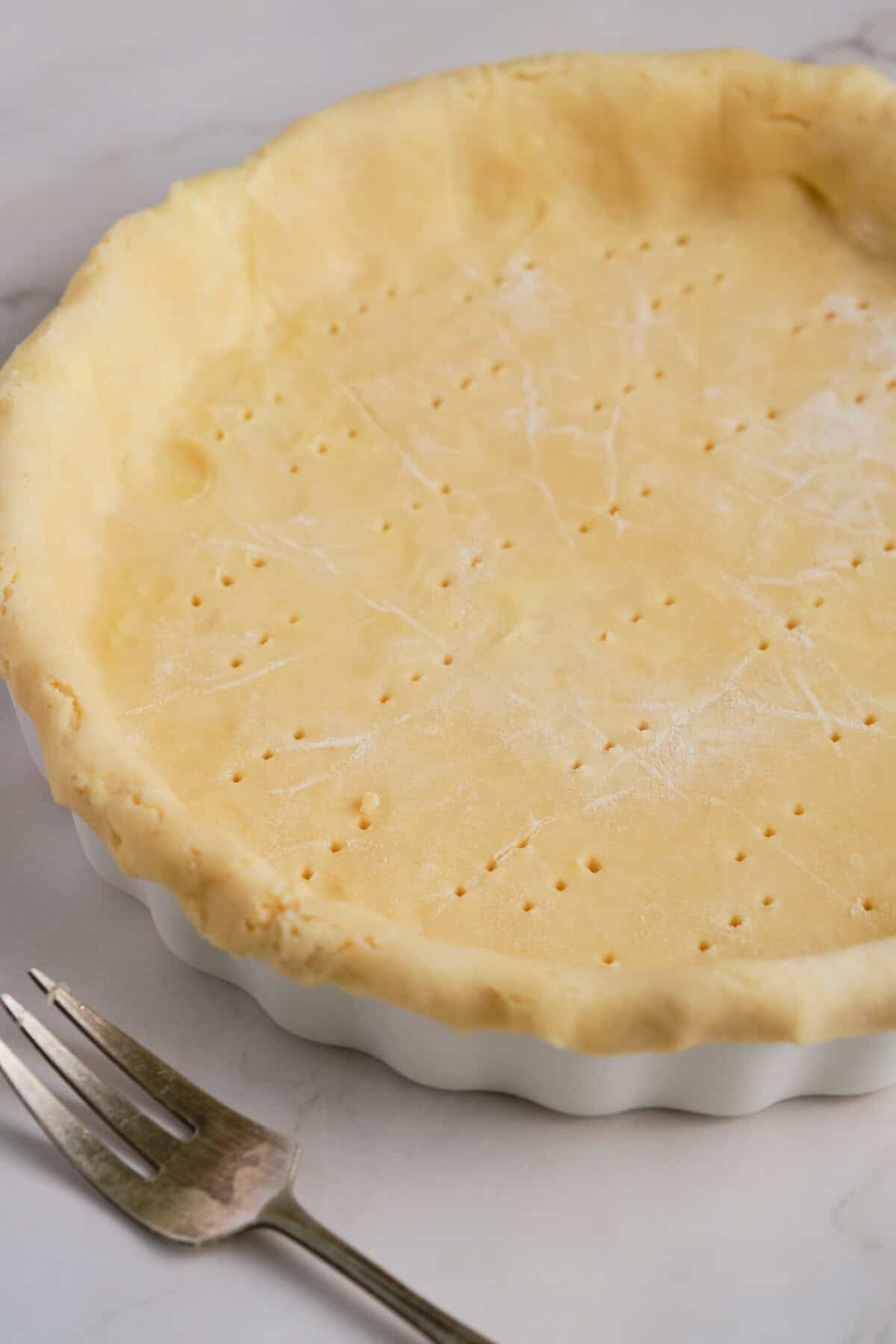
See, this is one of the baking rules that always throws me for a loop. No, it’s not some sort of frou-frou suggestion from a French pastry chef. Ice water really makes a difference.
If the water were warm or even just room temp, your butter and shortening would turn into a greasy mess. Cold water keeps the fat firm while you mix and roll. The result is a fantastically flaky crust.
And while we’re talking, I have another piece of advice from hard-earned experience—don’t go overboard with the water! A half cup is plenty. Once I thought my dough was much too stiff, so I added just a quarter cup more water. Well, that was a mistake. You only want enough to hold the dough together without making it sticky.
Can I Prep This Ahead?
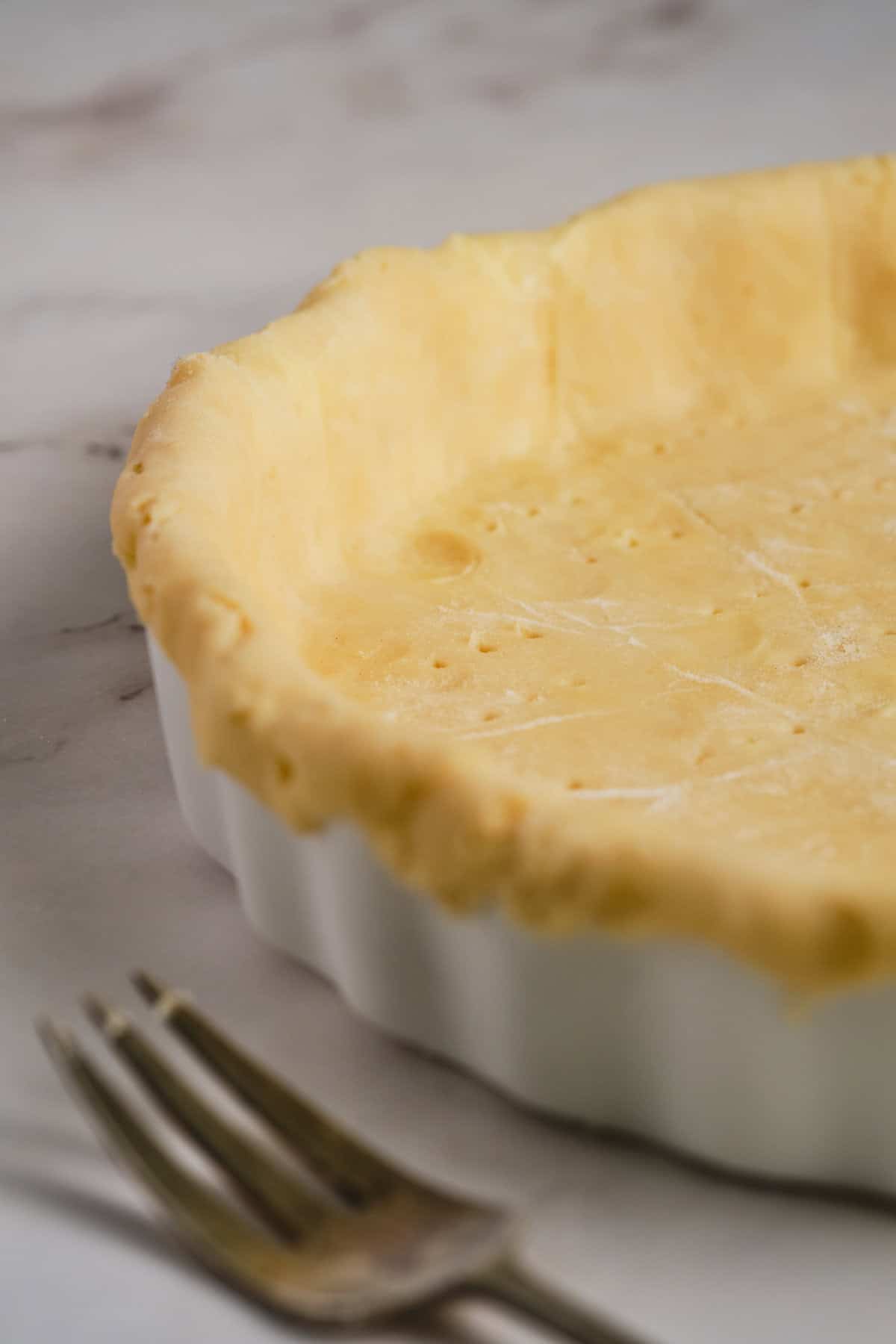
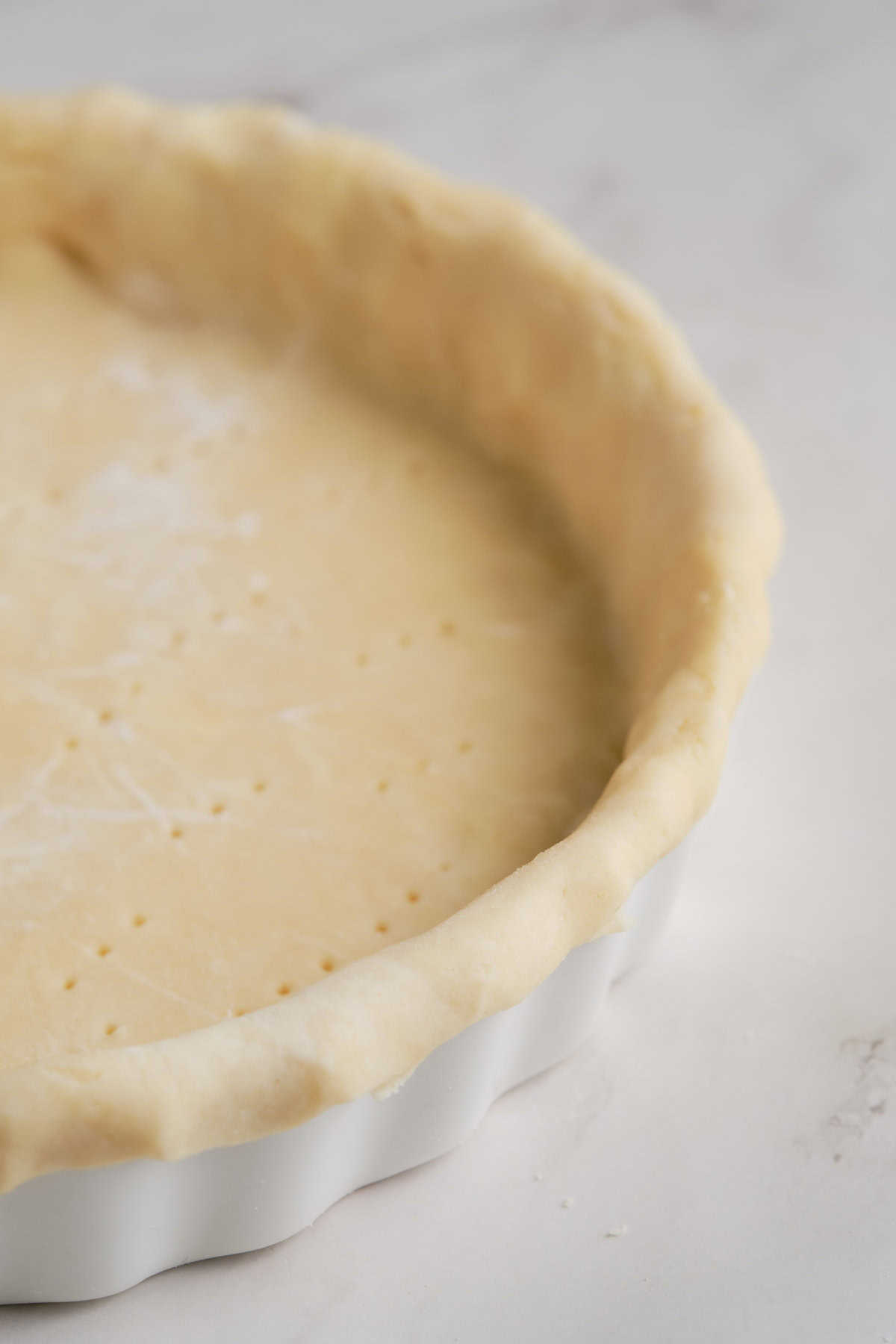
That’s where this recipe shines! The pie crust needs time to chill! You can make it a day or two ahead. Store it in the fridge for up to 3 days. You can also freeze it up to 3 months.
Serving Suggestions
This pie crust works with all sorts of fillings. When summer rolls around, I love to use this Peach Pie Filling topped with homemade whipped cream. For something more decadent, try a Peppermint Truffle Filling or use the crust as the base for your Banana Cream Pie.
The crust is also quintessential for a classic Quiche Lorraine. I’ve even taken a Crock-Pot Shepherd’s Pie and used it as a filling. You’ll just want to let the shepherd’s pie filling cool completely. Otherwise, the filling will melt the fat in the dough, and you’re left with a soggy bottom. Once the shepherd’s pie cools, spin it in the crust and bake at 375°F for about 30 minutes.
Ingredients
- 2 1/2 cups all-purpose flour
- 1 teaspoon kosher salt
- 1/2 cup ice water
- 6 tablespoons cold unsalted butter
- 3/4 cup vegetable shortening chilled
Instructions
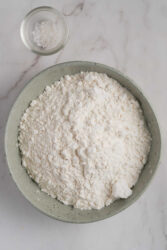
- In a large mixing bowl, whisk together the all-purpose flour and kosher salt.
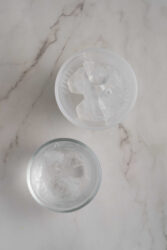
- Prepare ice water by adding ice cubes to a measuring cup and filling with 1/2 cup cold water. Set aside.
- Grate the cold unsalted butter into the flour mixture or cut it into small pieces. Add the chilled vegetable shortening. Using a pastry blender or fork, cut the fats into the flour until the mixture resembles coarse crumbs.
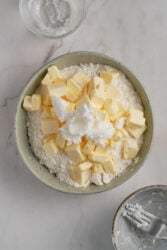
- Gradually add ice water, a spoonful at a time, mixing just until the dough starts to come together. Take care not to overwork the dough and only use as much water as needed.
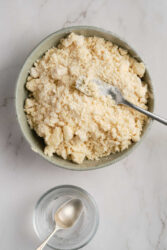
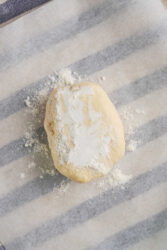
- Form the dough into a ball, then divide it into two equal parts. Flatten each part into a disk shape.
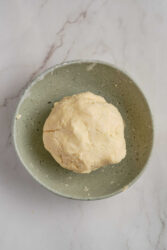
- Wrap each disk in plastic wrap and refrigerate for at least 2 hours, or freeze for 30 minutes if you’re short on time.
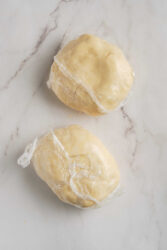
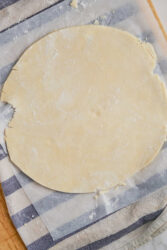
- To roll out the crust, dampen a towel and lay it on your countertop. Place parchment paper over the towel. Lightly flour both sides of the dough disk and place it on the parchment. Roll out from the center to the edges into a circle slightly larger than your pie dish.
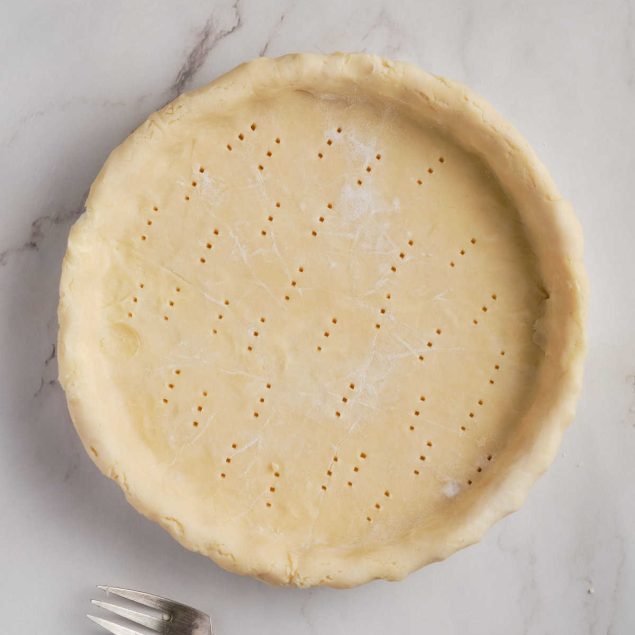
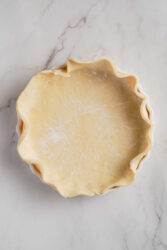
- Transfer the dough to your pie dish, remove the parchment paper, and smooth the dough into the bottom and sides of the dish. Trim and crimp the edges as desired.
- Fill with your chosen pie filling or proceed to blind bake if your recipe requires a pre-baked crust.
Nutrition Info:
Nutrition information are estimates only and may vary based on the specific brands, ingredients, and portion sizes you use. This data is provided for informational purposes only.


Leave a Comment