

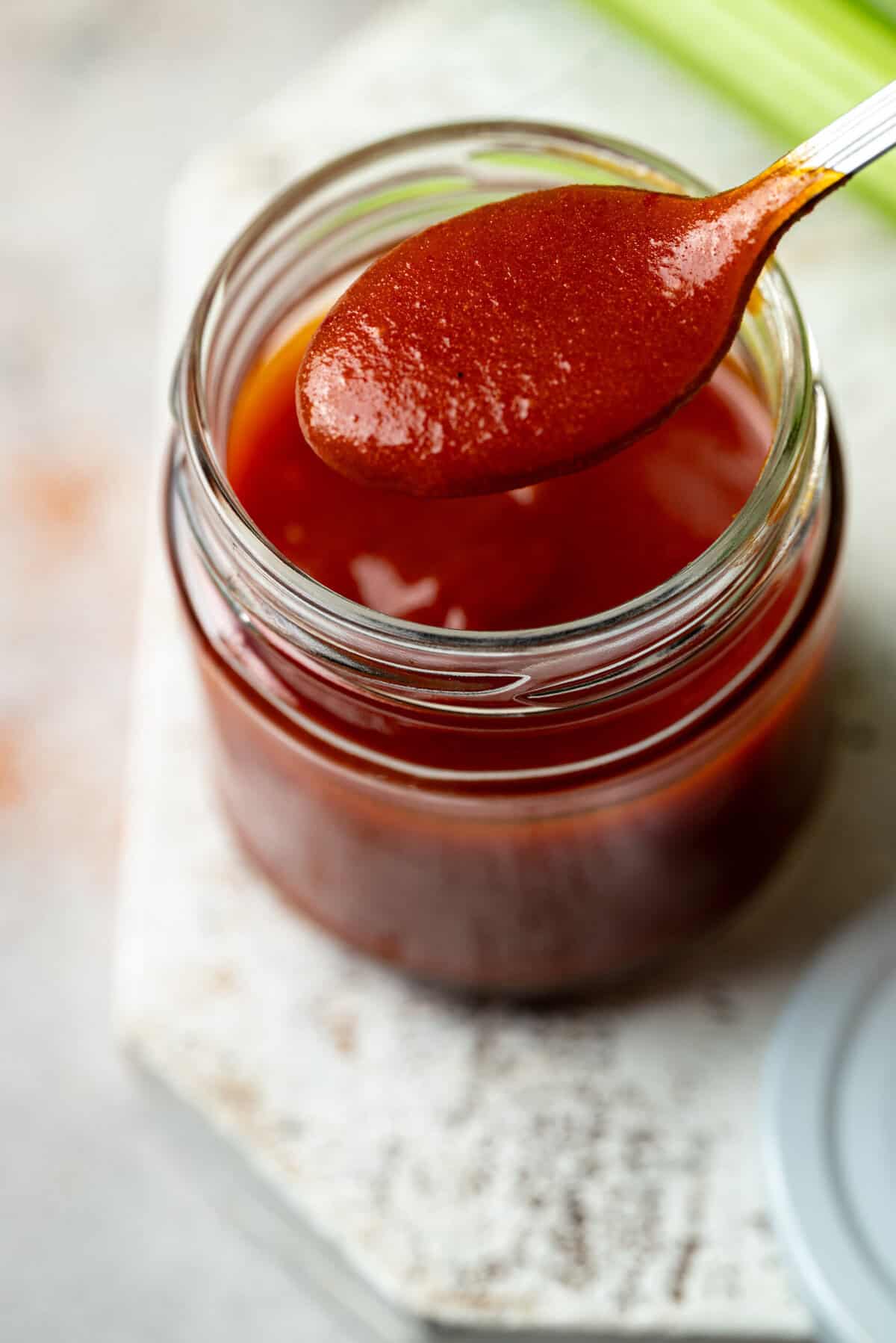
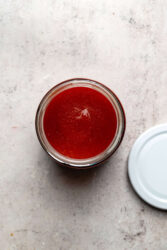
It’s so easy to perfect this sweet and spicy sauce at home—you’re going to want to use it on everything!
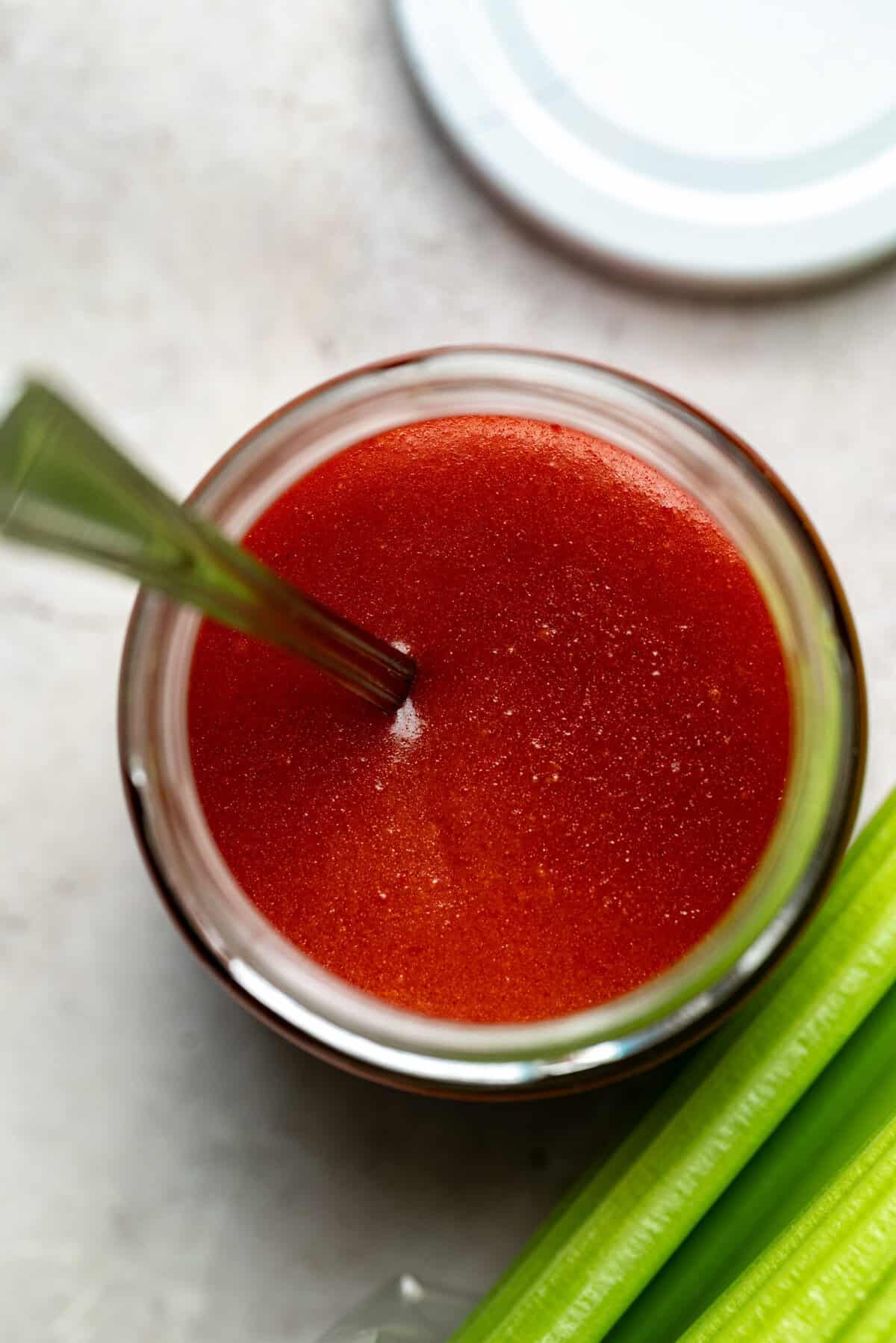
I truly don’t think sauces get the credit they deserve—they really are what makes or breaks a dish. Yet so often people opt for store-bought sauces while dedicating plenty of time to cooking the rest of a meal. I’m definitely guilty of being one of those people. That is, until I learned how easy and quick it can be to create sauces at home. This homemade honey Buffalo sauce, for example, comes together in just 10 minutes with ingredients you probably already have in your kitchen.
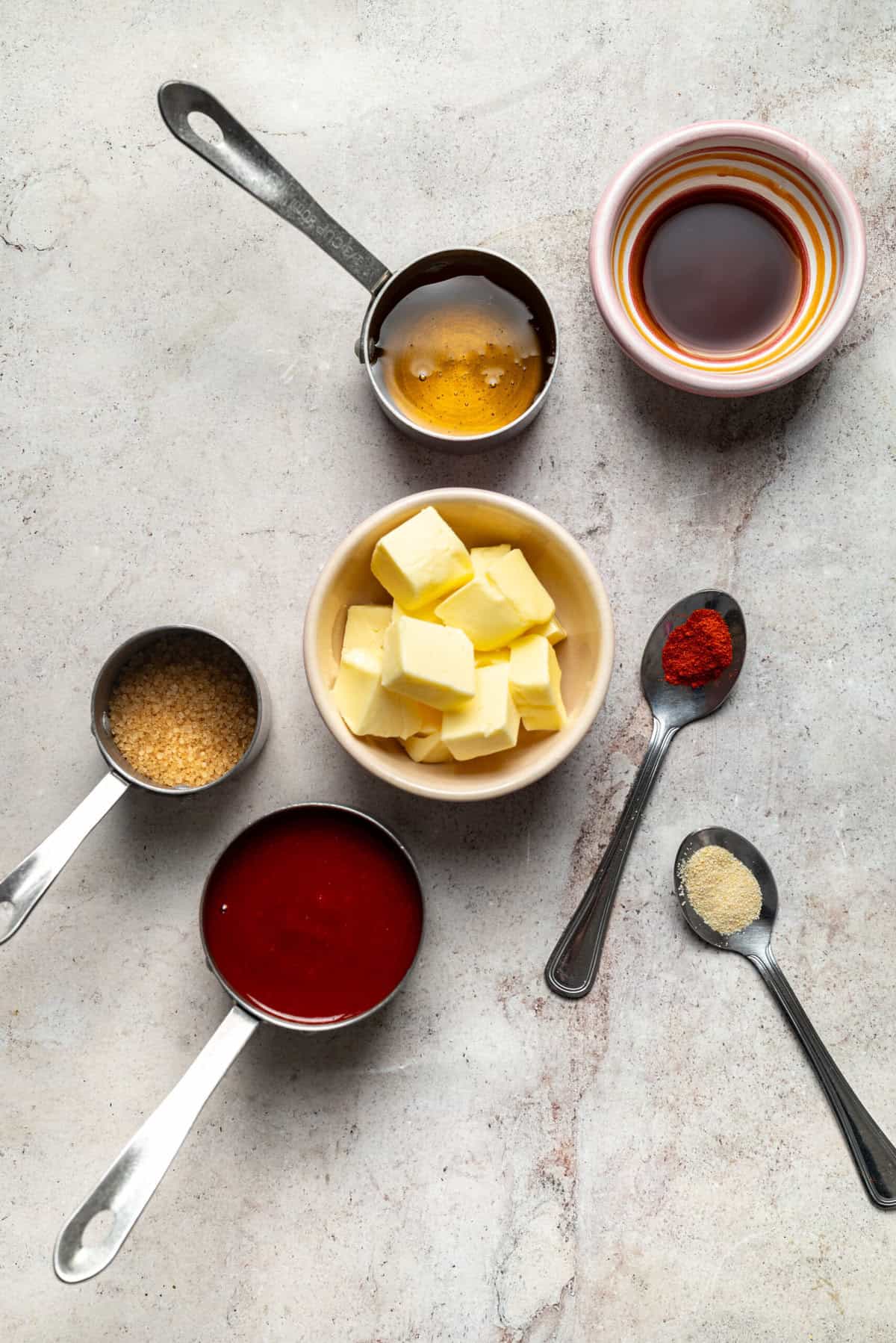
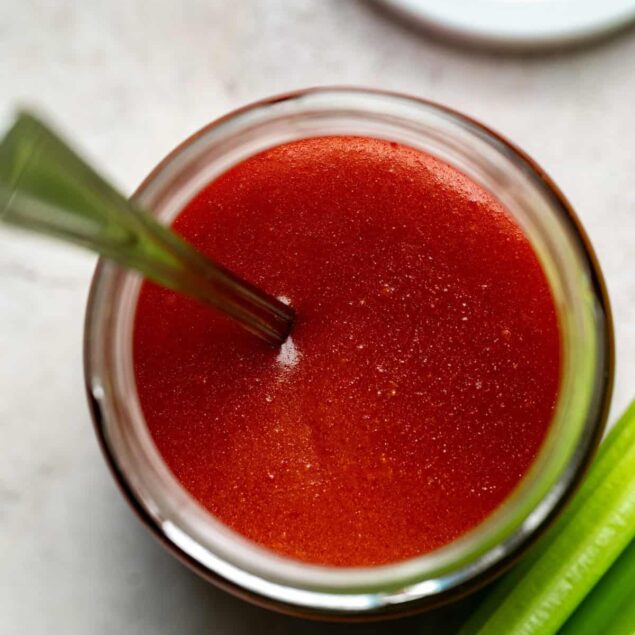
Honey and brown sugar add a nice sweetness, while Worcestershire sauce and garlic powder give it a deep savoriness. And to kick up the heat level, it has both hot sauce and a touch of cayenne pepper. Together they create a restaurant-quality sauce that’s perfectly balanced with a nice bit of tanginess. It’s extremely versatile, so you can pair it with any food that needs an extra kick of flavor, such as chicken or cauliflower.
For me, this honey Buffalo sauce is great for any kind of game-day entertaining, especially with a serving of wings or veggies. It’s a tasty twist on regular Buffalo sauce that will have your guests coming back for seconds and thirds. Plus, they will be that much more impressed when they find out you made the sauce from scratch!
What’s the difference between various types of honey?
Over the last few years, I’ve discovered there are lots of different kinds of honey beyond the bear-shaped plastic bottles that usually line the shelves of my grocery store. Since honey is made by bees using the nectar of flowering plants, the type of plants the bees use can influence the taste, sweetness, and color of the honey that they produce.
Some honeys are raw or unfiltered, meaning they haven’t been pasteurized—these tend to be the most flavorful and nutritious. Organic honey means that the bees only pollinated organic flowers. There are also single-source honeys, which means the bees only used one type of flower, as well as multi-flower honeys. Popular varieties include wildflower, buckwheat, Manuka, and orange blossom, each bringing their own subtle but unique properties to the honey. However, the most widely used honey is clover honey (the type in the plastic bear), which is mild, sweet, and slightly floral.
How do I store leftovers?
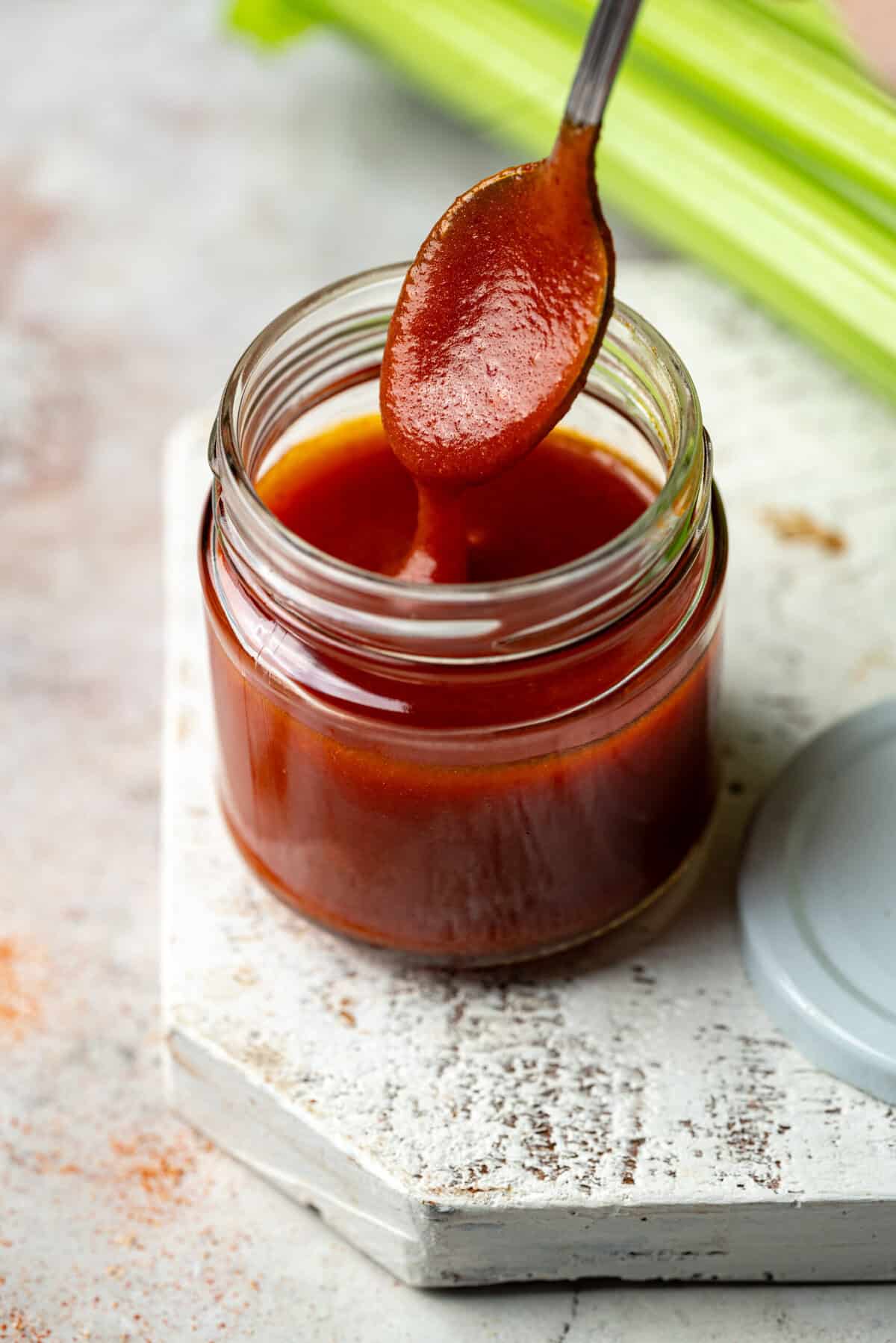
If you have leftover honey Buffalo sauce, you can store it in an airtight container in the fridge once you’ve let it cool completely. It will last in the fridge for up to 2 weeks. For longer storage, you can keep it in the freezer in a freezer-safe bag or container for up to 3 months. When you’re ready to eat your frozen sauce, you can thaw it in the fridge overnight before using it.
Serving suggestions
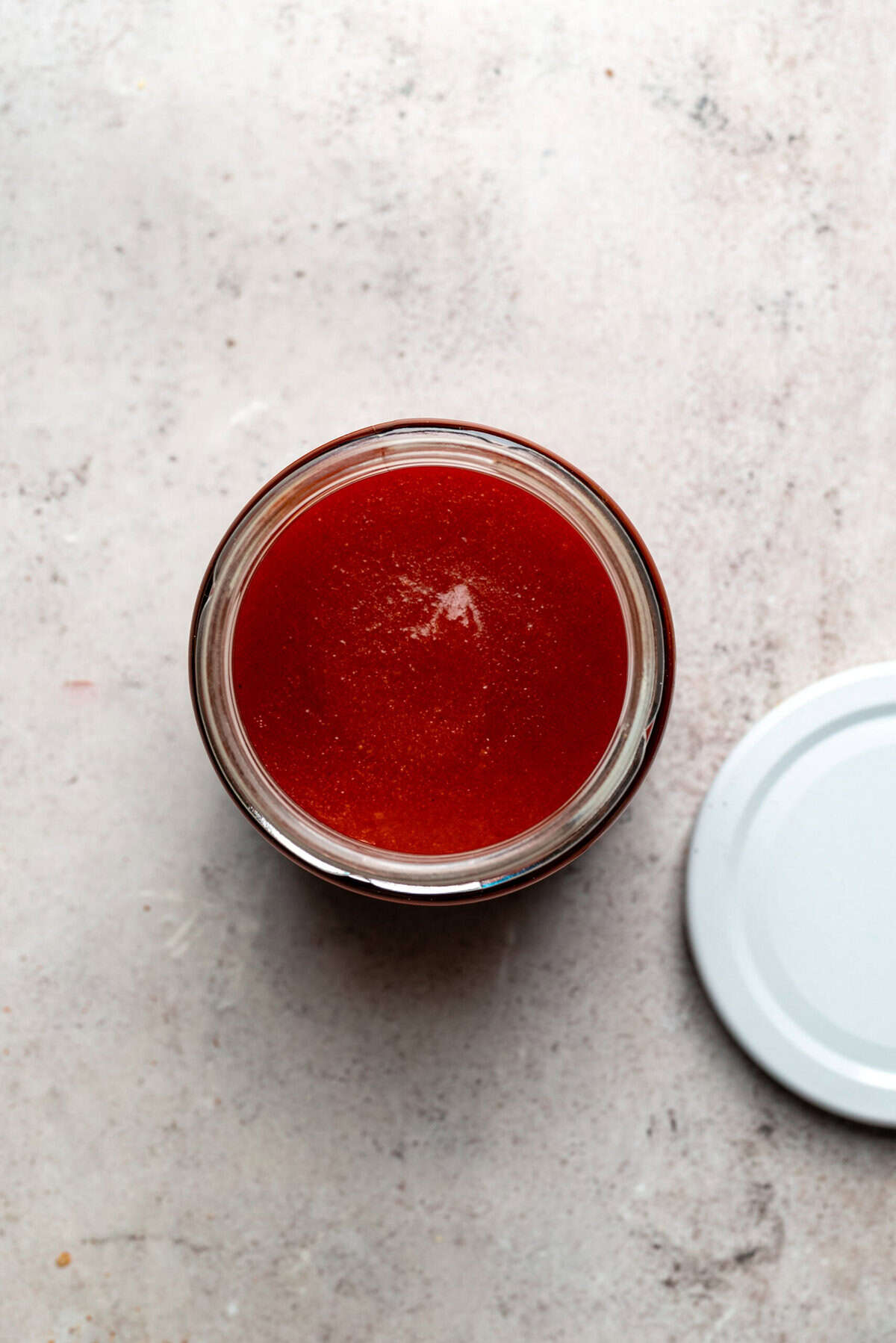
Honey Buffalo sauce can make a great sauce for so many dishes, but for a classic pairing, serve it with these Boneless Chicken Wings. Or, you could try out this recipe for Buffalo Chicken Wings, and simply replace the sauce with this recipe’s sweeter version. Another option is to give this recipe for Easy Air-Fryer Breaded Chicken Wings a try and use this sauce for dipping!
This sauce is just as enjoyable with vegetarian dishes too, like these Air-Fryer Cauliflower Wings. I think honey Buffalo sauce also makes a great dipping sauce for Onion Rings, which can easily be made according to your dietary needs, like these Keto Onion Rings or Gluten-Free Onion Rings.
Ingredients
- 1/2 cup hot sauce
- 4 1/2 tablespoons honey
- 4 tablespoons unsalted butter
- 1 tablespoon brown sugar
- 3/4 teaspoon Worcestershire sauce
- 1/2 teaspoon garlic powder
- 1/4 teaspoon cayenne pepper
Instructions
- In a small saucepan, combine the hot sauce, honey, unsalted butter, brown sugar, Worcestershire sauce, garlic powder, and cayenne pepper. Mix the ingredients thoroughly.
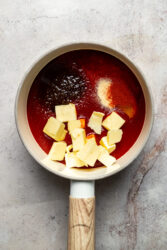
- Heat the saucepan over medium-low, stirring frequently until the butter melts and the sugar dissolves. Adjust the sweetness if needed.
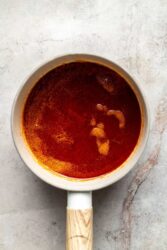
- Remove from heat when smooth; then allow the sauce to cool and thicken at room temperature.
Nutrition Info:
Nutrition information are estimates only and may vary based on the specific brands, ingredients, and portion sizes you use. This data is provided for informational purposes only.


Leave a Comment