

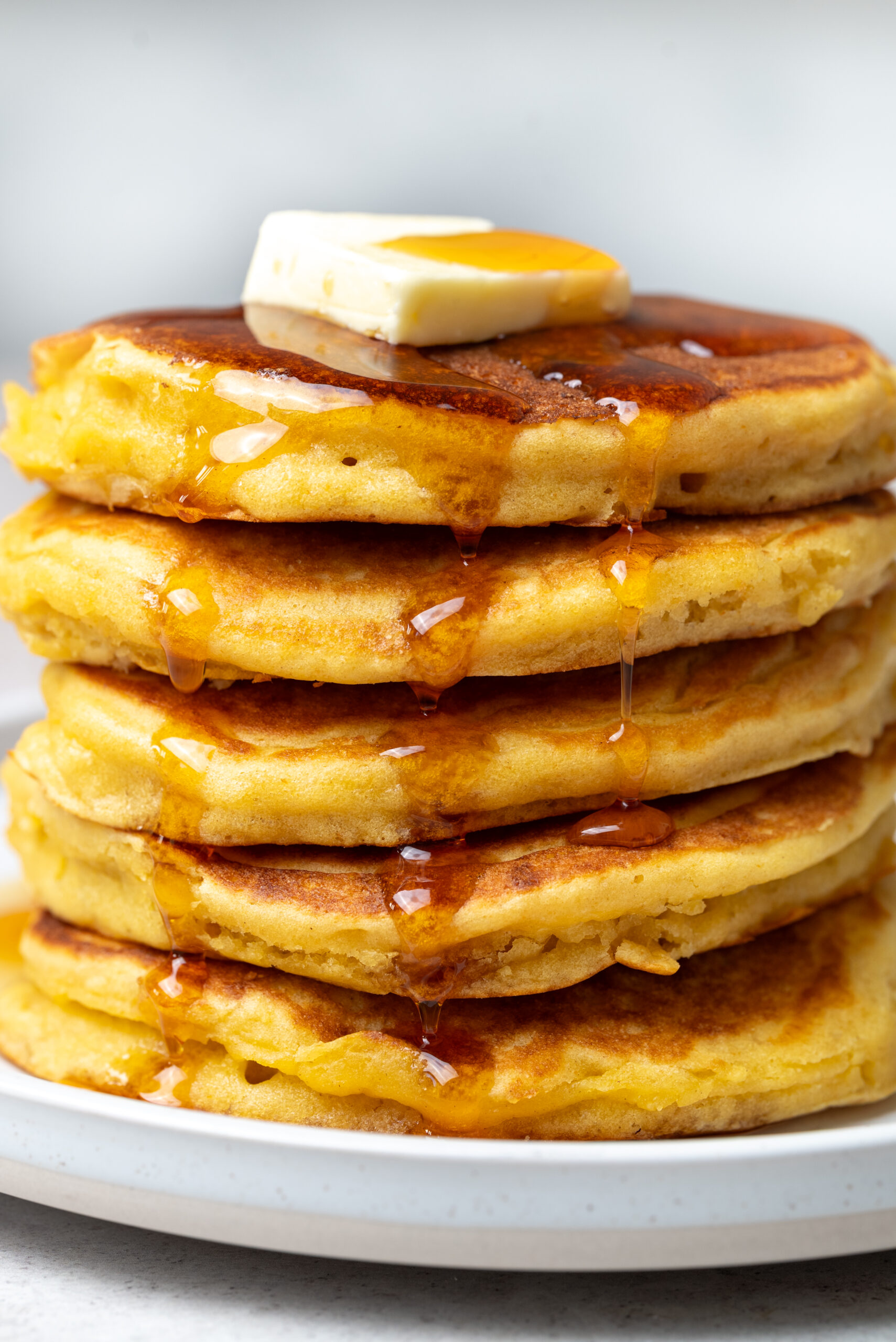
Cornbread meets pancakes in this classic Southern breakfast or anytime snack.
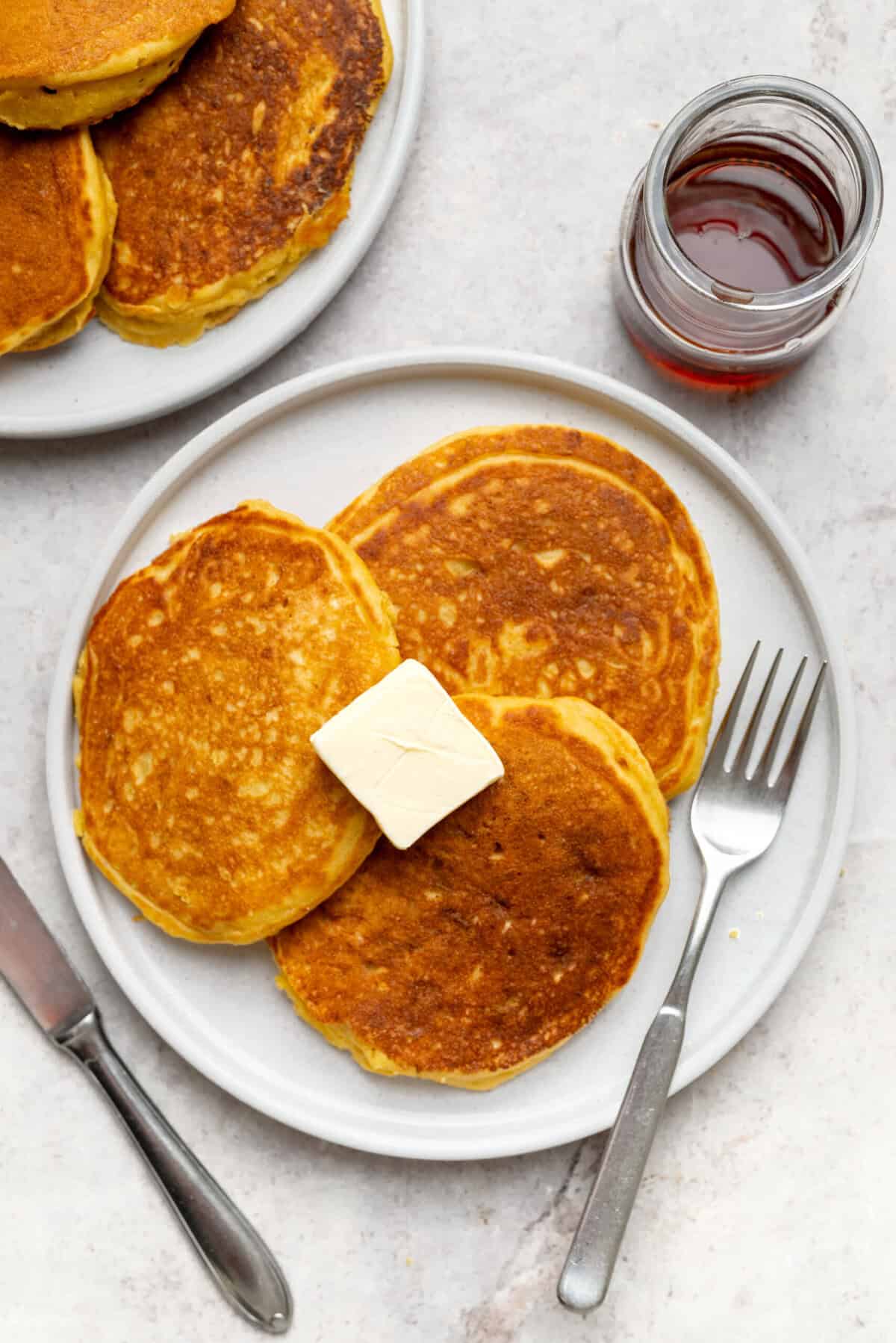
What is a hoe cake? Does anyone really know?
Sure, we’ve heard of cornbread. We’ve heard of hush puppies. Down South, these are like pancakes and fries—they’re ubiquitous to every Southern household, restaurant, community watering hole, and grandma’s house. But a hoe cake? That’s a new one.
Well, it turns out, hoe cakes themselves trace back all the way to early Native American cookery times, when Algonquian cooks introduced hoe cakes to European settlers by mixing cornmeal and hot water together. Initially, this batter was simply shaped into flat patties and baked on rocks over an open fire.
Early colonists then adapted the technique, cooking the same cakes in their fireplace hearths using griddles and frying pans, making hoe cakes a staple of early American life in the South. It was commonly known that the hoe cakes provided hefty nourishment in slaves’ diets before the Civil War, and while the origin of the dish’s name is often debated, some sources say that “hoe” was a term for “griddle” in the 17th century. The cakes are more often known nowadays as johnnycakes in the South.
Also called corn cakes, the pioneers initially ate the cakes fried in bacon grease and dipped in molasses, syrup, or fruit preserves.
What’s the difference between cornbread and a hoe cake?
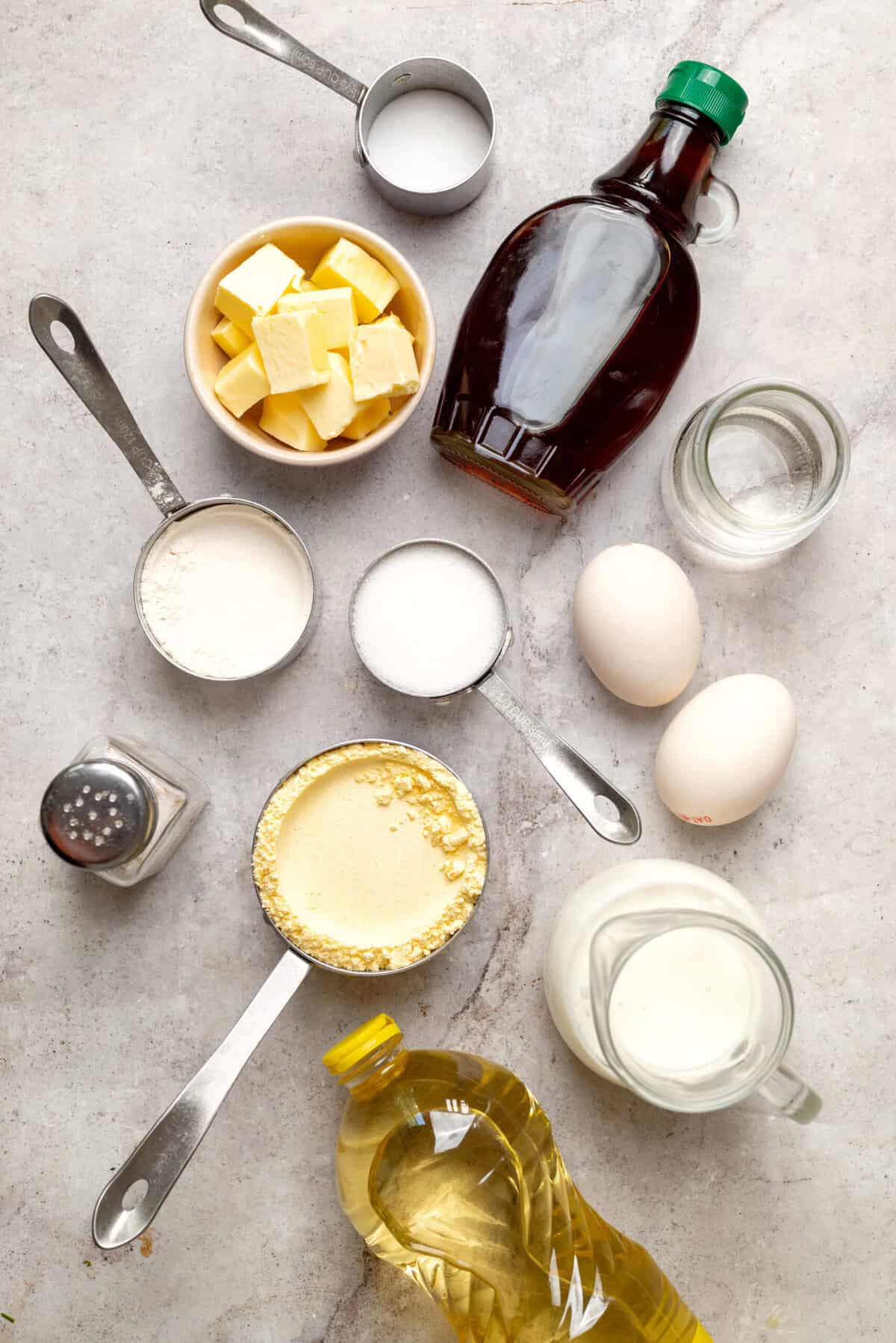
The two are definitely made similarly, using cornmeal as a base. However, cornbread often uses some sort of fat—lard, Crisco, or butter—along with a liquid such as milk or buttermilk to bind the ingredients together. Traditional hoe cakes, in comparison, are a simple, straightforward mixture of cornmeal, salt, and water.
Our hoe cakes, therefore, are more of a hybrid, as you’ll see our recipe utilizes both eggs and buttermilk to make the traditional hoe cake more moist, palatable, and pancake-like. While hoe cakes—including ours—are often made in a skillet, cornbread benefits from being cooked or baked in a cast-iron skillet, giving it its signature crust and crumb that contrasts with a mealier, corn-studded interior.
How do I store leftovers?
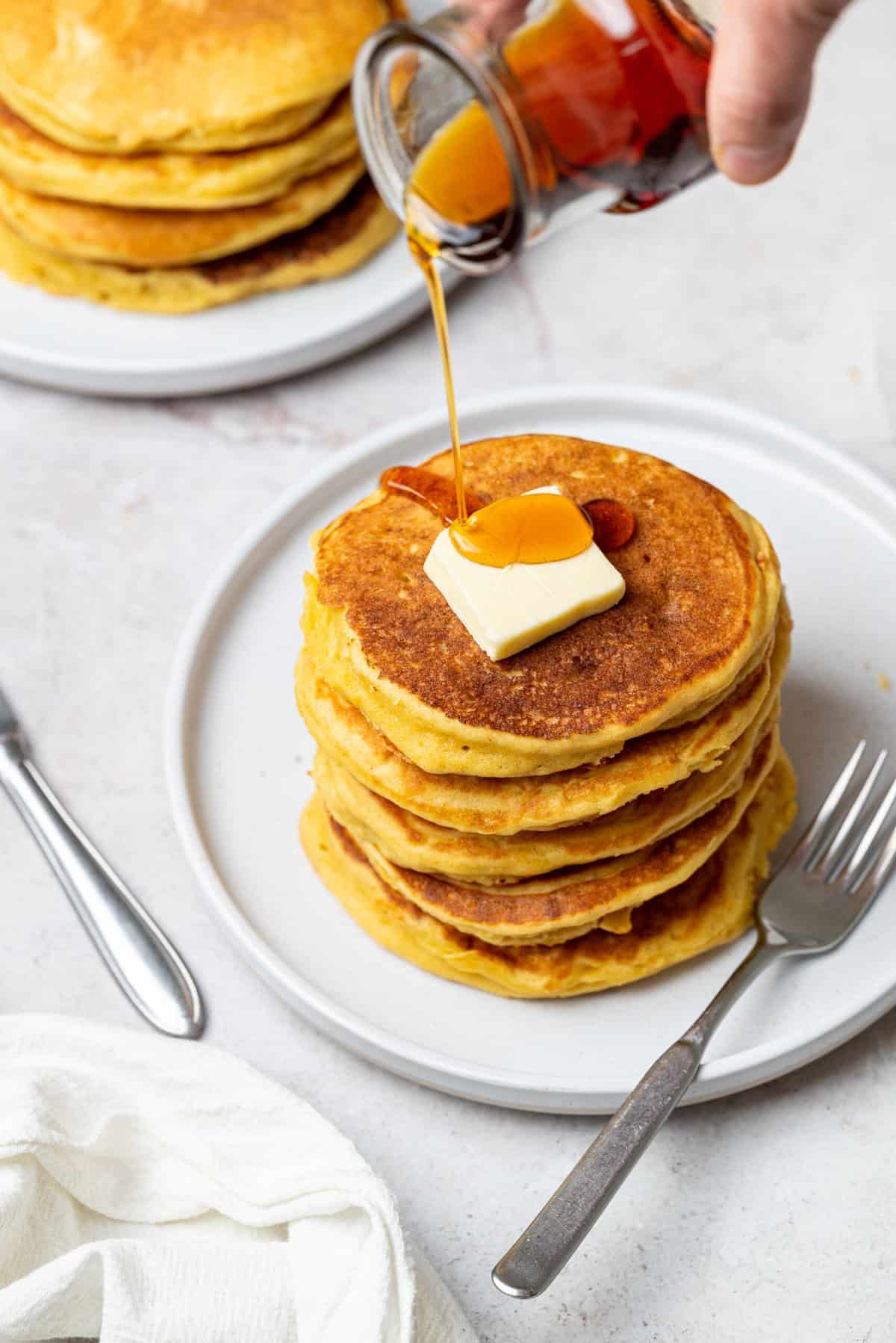
In my experience, hoe cakes are best when eaten fresh and immediately after preparing. However, they can be stored in the refrigerator in an airtight container for up to 3 days. I advise storing them in an airtight plastic bag, placing them in between sheets of wax paper to avoid sticking.
You can also place the hoe cakes in a freezer-safe container and freeze them for up to 2 months, simply thawing them in the refrigerator overnight and reheating them in the microwave for 15 seconds apiece or, for the best experience, in a hot skillet before consuming.
Serving suggestions
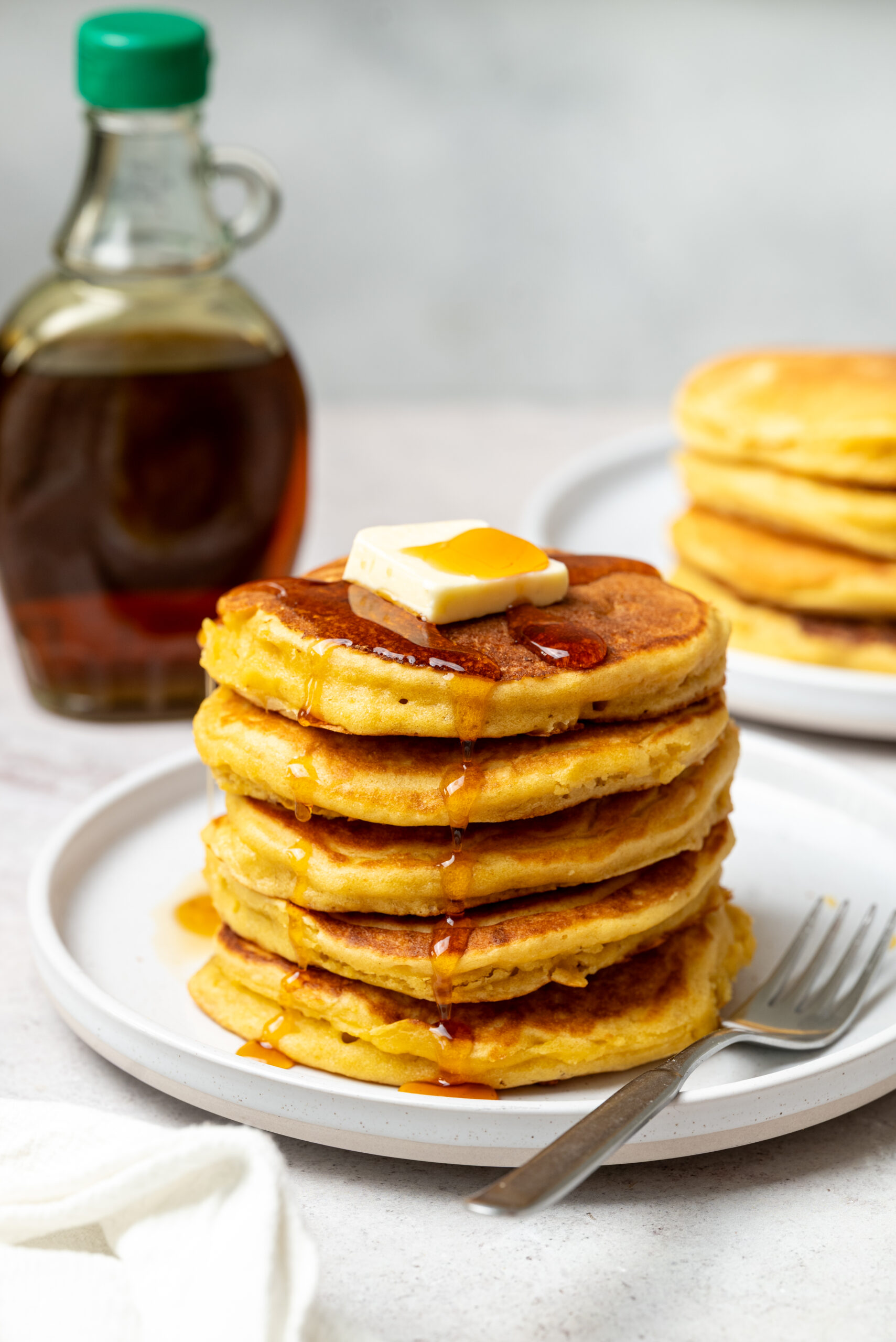
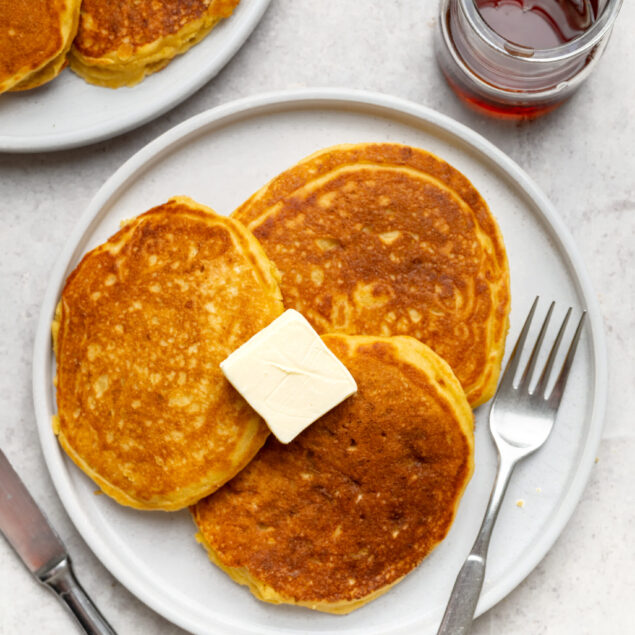
As I mentioned earlier, hoe cakes can be served simply with a pat of butter and a drizzle of good-quality maple syrup. For a little extra flavor, try a Strawberry Simple Syrup or a Honey Simple Syrup. Down South, people often serve hoe cakes as they would cornbread muffins, alongside a pot of Collard Greens; the hoe cakes help sop up the extra liquid. Serve them topped with a smear of Pimento Cheese as a bite-sized appetizer, or slather them with a spread of homemade Slow Cooker Apple Butter for a warm and comforting bite.
Ingredients
- 1 cup cornmeal
- 1 cup all-purpose flour
- 1 tablespoon baking powder
- 2 tablespoons granulated sugar
- 1/2 teaspoon salt
- 2 large eggs
- 3/4 cup buttermilk
- 5 tablespoons water
- 1/3 cup melted unsalted butter
- Oil for frying
- Unsalted butter for serving
- Sugar cane syrup or maple syrup for serving
Instructions
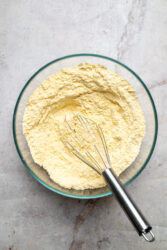
- In a large bowl, whisk together the cornmeal, flour, baking powder, sugar, and salt.
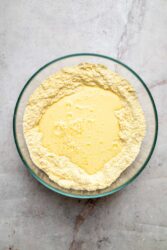
- Make a well in the center and add the liquid ingredients. Stir until just combined.
- Let the batter sit for about 5 minutes to thicken and allow the cornmeal to absorb the liquids.
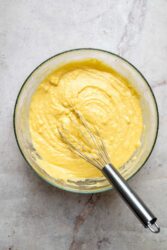
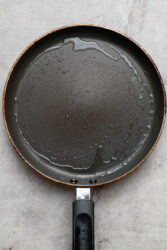
- Heat a skillet over medium-high heat and add a small amount of oil to coat the pan.
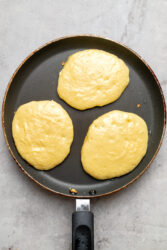
- Drop about 3 tablespoons of batter per cake into the skillet. Cook for 3 to 4 minutes until bubbles form and the edges begin to crisp, then flip and cook until the other side is golden brown.
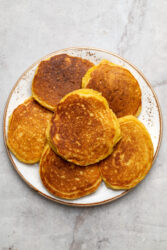
- Remove the cakes from the skillet and serve immediately with butter and sugar cane syrup or maple syrup if desired.
Nutrition Info:
Nutrition information are estimates only and may vary based on the specific brands, ingredients, and portion sizes you use. This data is provided for informational purposes only.


Leave a Comment