

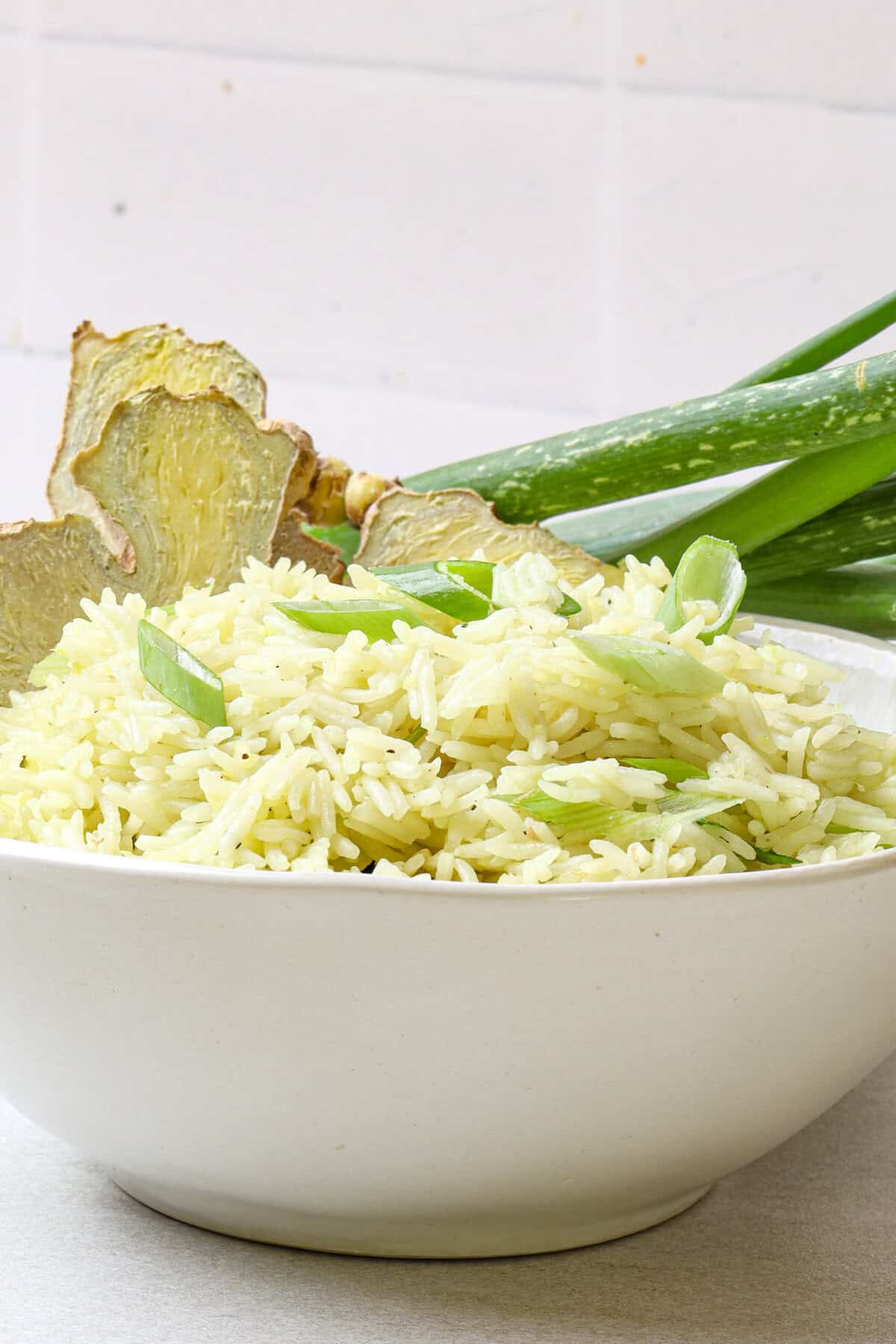
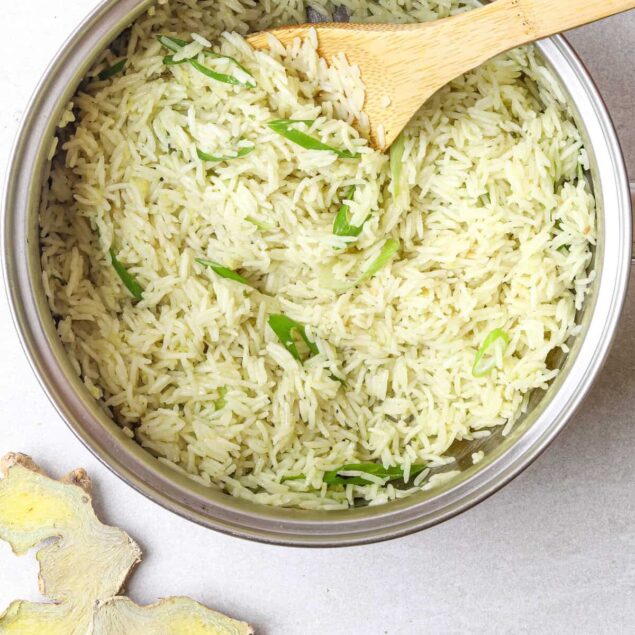
Fresh ginger root and aromatic bay leaves combine to make your basmati rice a spiced and savory side!
As a Louisiana kid raised in a Cajun family, I grew up on rice. Rice was part of nearly every dinner, whether it was jambalaya, rice and gravy, gumbo, or stuffed peppers. My two sisters and I ate so much rice that my dad would make it ahead of time and freeze it in bags so that he wouldn’t have to bother cooking it on busy weeknights. If you don’t know anything about Cajuns, know that we can put down some rice.
Ginger, on the other hand, was not part of my childhood. Regardless of how fascinated I was by culinary elements, in my mind, ginger remained “that nasty powder you put in pumpkin pie” for a long time. As an adult, I discovered fresh ginger at Japanese and Thai restaurants and marveled at how different the flavor was compared to ground ginger. It paled in comparison to the fresh stuff! Soon after, I got my first fresh ginger root and began putting slices of it in soups, pickling it as a condiment, and even adding it to drinking water. And of course, I put it in my beloved rice.
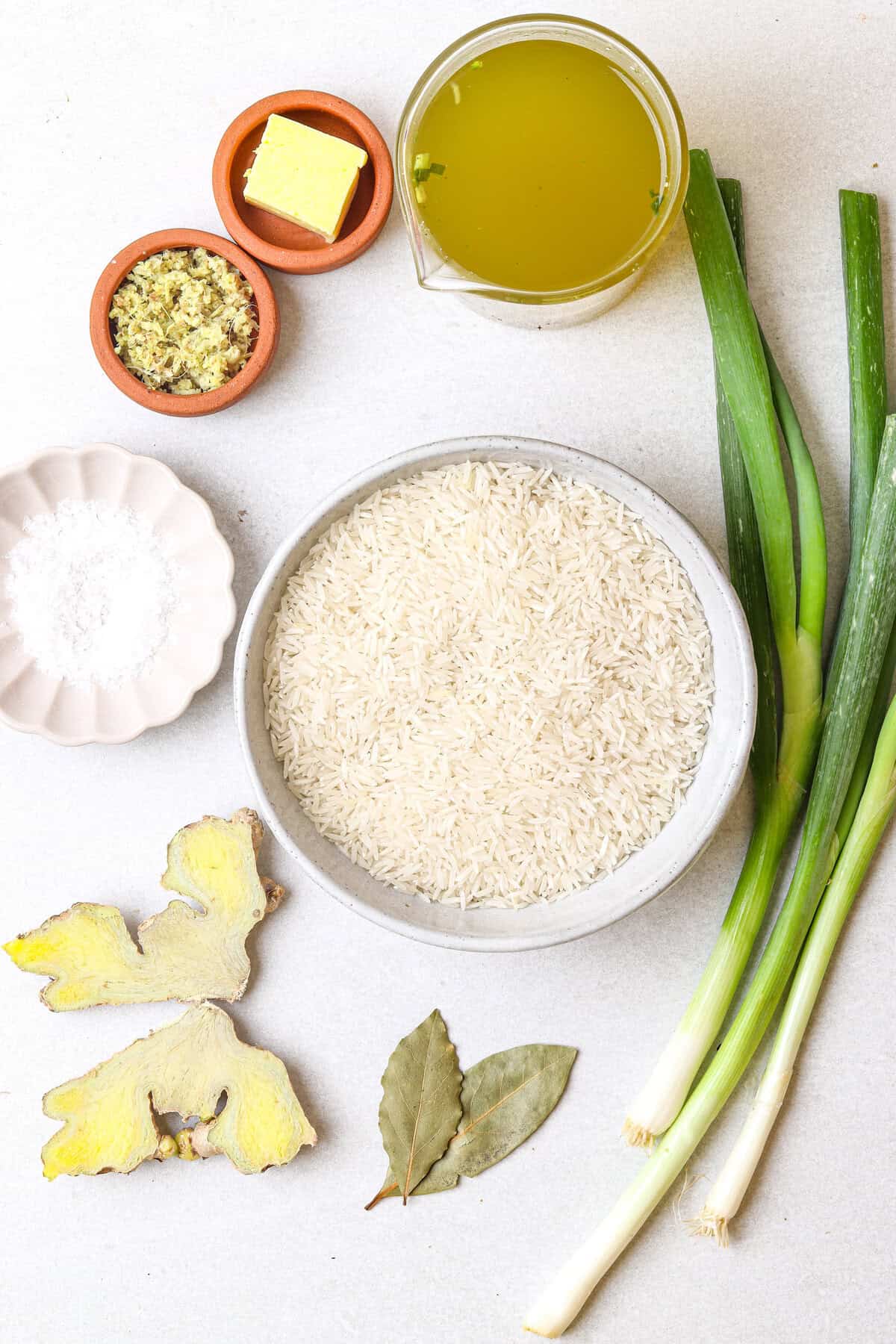
My recipe gives basmati rice a huge makeover by incorporating fresh grated ginger and bay leaves and cooking the rice in chicken stock and butter for a pop of flavor with a silky finish. Ginger rice is an incredible complement to tons of main dishes, but you might just decide to eat it by itself!
Is This Ginger Rice Healthy?
Ginger rice is fairly healthy. Basmati rice is generally low in fat and is a good source of vitamin B1, but it’s also low in fiber and protein and high in carbohydrates. Still, rice can be a healthy part of most diets, and its nutritional profile is enhanced by the other ingredients in this recipe. Ginger is known for its anti-inflammatory properties, and it also contains small amounts of magnesium, calcium, vitamin C, and other nutrients. Meanwhile, bay leaves contain small amounts of iron and potassium, and much like ginger, bay leaves improve the flavor of the dish without adding significant calories. Overall, this dish is fairly healthy and makes for a nutritious side to a healthy meal.
How To Use Ginger
If you aren’t used to cooking with fresh ginger, it can be a little confusing the first time. But it’s actually quite easy to use when you have a few basic rules in mind.
- Choosing: When buying your ginger root, look for tight, wrinkle-free skin that is firm to the touch, a consistent light color throughout the root, and plump knobs (those “fingers” attached to the main piece of ginger). Ginger can mold easily, especially where knobs have been broken off, so be sure to check those areas before you choose one.
- Peeling: You don’t have to peel ginger root, but peeled ginger tastes better to me, personally. The easiest way to peel ginger is to use the long edge of a thin metal spoon to scrape away the tan outer layer. You’ll lose a lot less ginger this way, compared to using a vegetable peeler!
- Grating: The center of a mature ginger root is usually very fibrous, and some regular box graters may struggle with it. When a recipe calls for grated ginger, use a sharp microplane, if possible. Your ginger will come out superfine.
- Cooking: Ginger burns easily, so when you’re sautéing it in the butter for this recipe, watch it carefully. If it starts to get very brown, quickly remove the pan from the heat.
How Do I Store Leftovers?
Let the rice cool completely, then store it in an airtight container in the fridge, where it will last for 3-4 days. I also freeze the rice in freezer-safe bags for up to 2 months. You can reheat it on the stove or in the microwave. If you have time, let it thaw overnight in the fridge. If not, reheating in the microwave straight from the freezer is fine.
Serving Suggestions
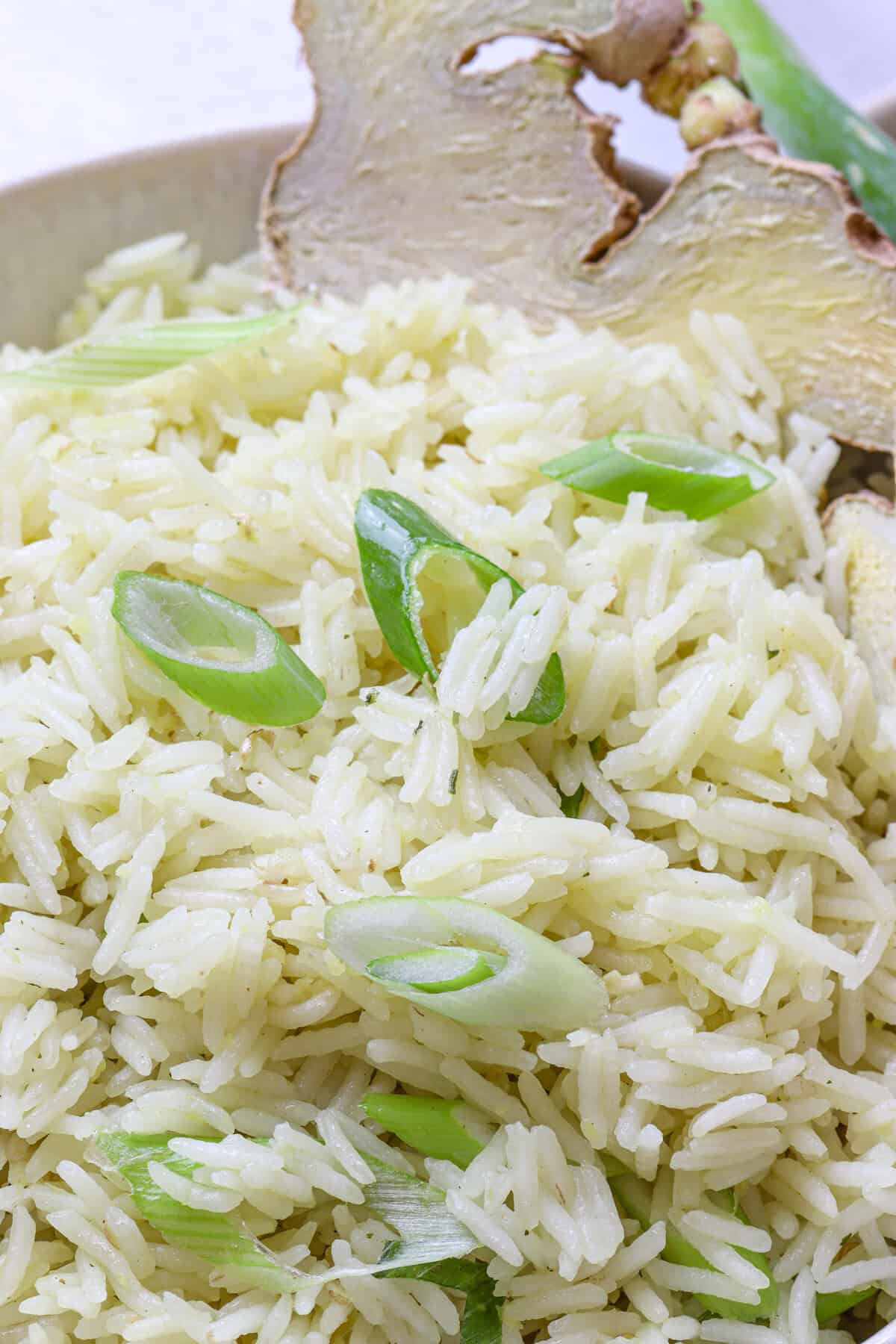
Ginger rice is an excellent side for so many mains. You can even make it into a full meal if you throw in some Wilted Spinach and add some feta cheese, Crispy Baked Tofu, or Juicy Grilled Chicken Breast to the top.
Otherwise, ginger rice goes really well with chicken curry, like this Thai Pineapple Paleo Chicken Curry With Coconut Milk, as well as these Asian Turkey Meatballs, which are served with an Asian peanut sauce. If you prefer seafood, this Asian Salmon With Soy And Ginger will complement the rice, as would Cilantro-Lime Shrimp And Rice (just sub in ginger rice for the rice in the recipe). If you’d prefer to avoid all meat, serve your ginger rice with these Tasty Tofu Tacos.
Ingredients
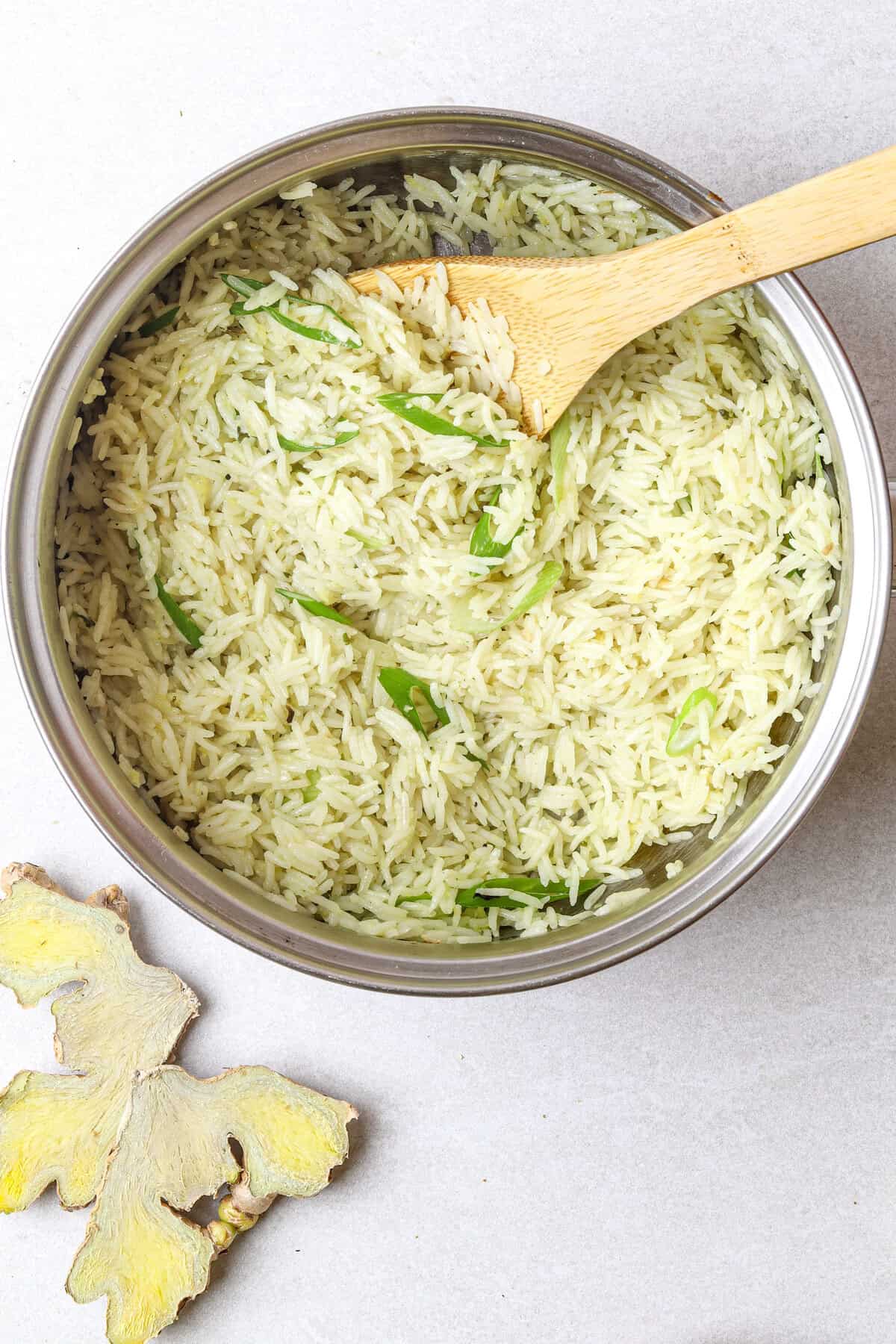
- 1 tablespoon butter
- 2 tablespoons fresh ginger grated
- 1 cup basmati rice
- 2 cups chicken stock
- ¼ teaspoon salt
- 2 bay leaves
- 2 green onions sliced
Instructions
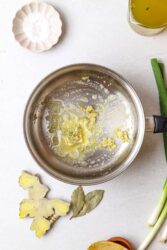
- Melt the butter in a pot over medium heat. Sauté the ginger for 5 minutes.
- Add the rice to the pot, along with the stock, salt, and bay leaves. Stir, then cover. Bring it to a boil. Reduce the heat to low and let simmer for another 15 minutes.
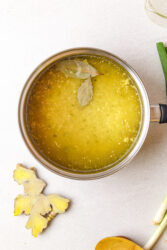
- Once the water has evaporated, turn off the heat and leave the rice covered to steam for 5 minutes.
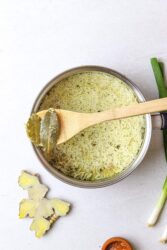
- Fluff the rice, then add the sliced green onions and toss.
Nutrition Info:
Nutrition information are estimates only and may vary based on the specific brands, ingredients, and portion sizes you use. This data is provided for informational purposes only.


Leave a Comment