

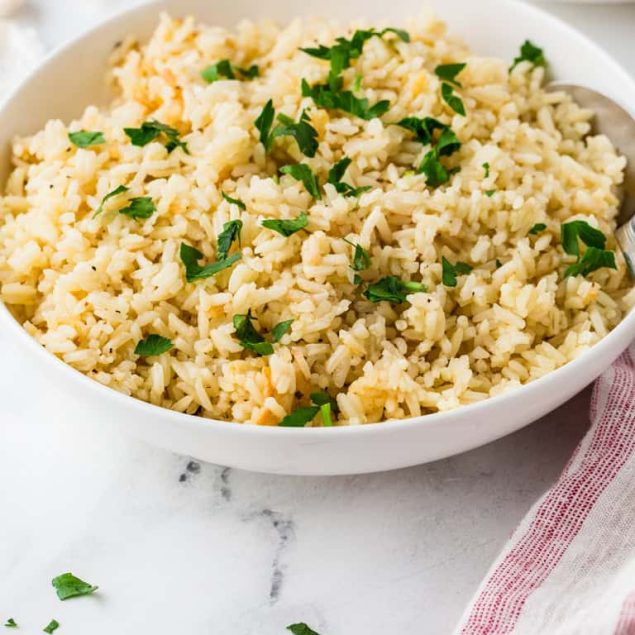
Versatile white rice comes to life with the flavor of garlic in this simple dish.
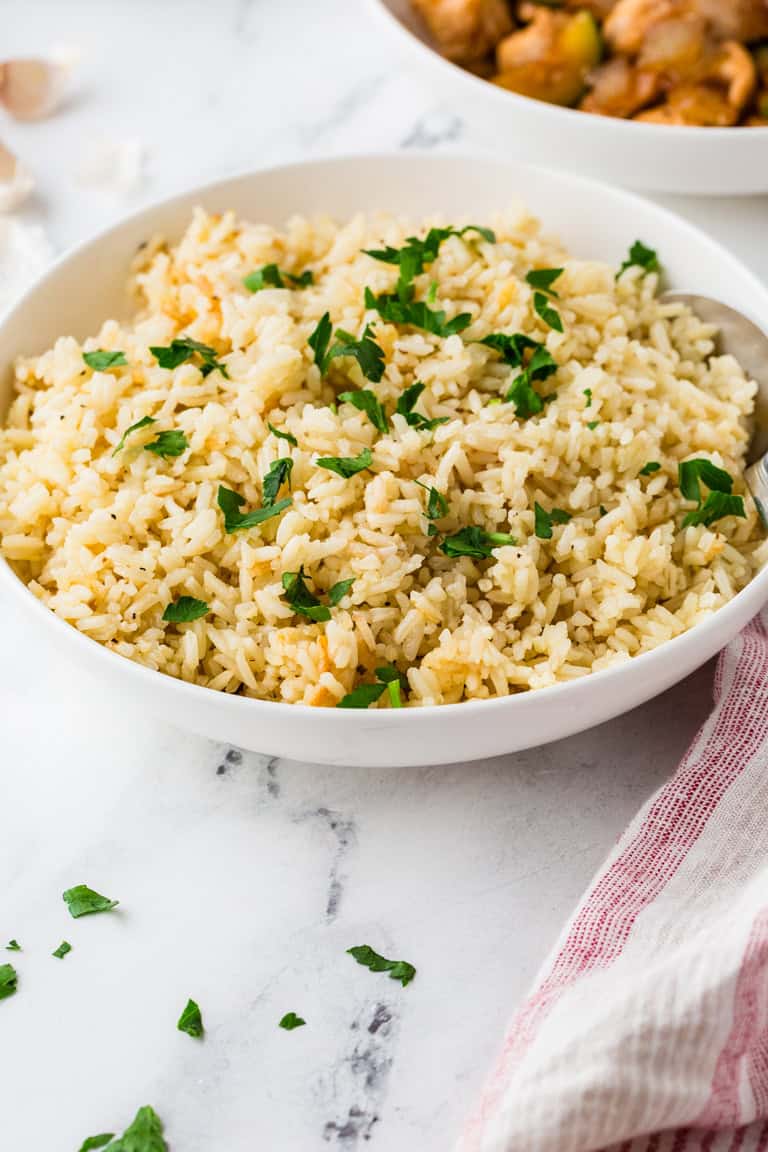
Rice is one of the most useful and inexpensive staples in the kitchen. It easily steps in when you don’t know what to make for lunch or dinner. White rice has a history that dates back thousands of years. It originated in Asia, where ancient farmers in China and India were the first to cultivate it around 10,000 years ago. These early farmers discovered that by removing the husk, bran, and germ layers of the rice grains, they could create rice with a longer shelf life and a milder taste compared to brown rice. Over time, this staple food spread across continents and became a part of diets in many societies.
White rice is simple to prepare and complements a range of dishes, making it a common side dish for meals. Whether it’s part of a casserole, served alongside a stir-fry or underneath juicy meat, or made into a sweet rice pudding, white rice fits into various culinary traditions. Its neutral taste allows it to absorb flavors from sauces and seasonings, enhancing any dish.
Although garlic rice only has a few simple ingredients, they are working hard. Sautéing the garlic in olive oil allows it to easily infuse throughout the oil. And if you’ve never cooked rice in broth before, it’s a flavor game changer.
Is This Garlic Rice Healthy?
Garlic rice isn’t just tasty; it is surprisingly good for you, making it a wonderful addition to any meal. Garlic is packed with nutrients and powerful antioxidants, including selenium and vitamin C. I definitely recommend including the optional parsley, since it contains vitamin K, vitamin C, vitamin A, iron, calcium, and magnesium. Rice offers carbohydrates that provide lasting energy and keep you satisfied for longer periods. When combined, garlic and rice form a dish that is not only delicious but also nourishing and relatively low in fat. However, since rice lacks protein and fiber, I’d recommend pairing it with protein and a fruit or vegetable for a complete meal rather than eating it on its own.
What Is Long-Grain Rice?
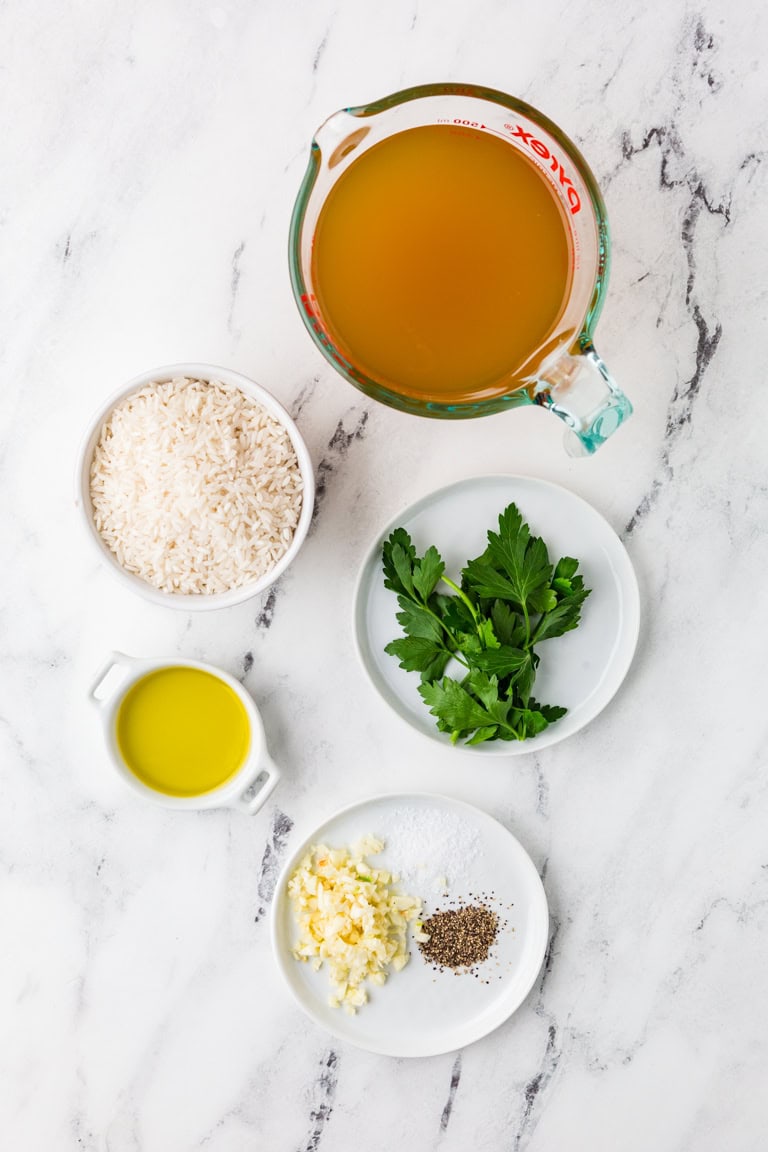
With all the different rice varieties available, it can get confusing. This recipe calls for white, long-grain rice. Long-grain rice, as its name implies, features slender grains that don’t stick and cook up fluffy. Basmati and jasmine are among the favored types. Basmati boasts a nutty taste with a hint of spice and is used in Middle Eastern or South Asian dishes, while jasmine offers a subtly sweet and floral essence and is commonly found in Thai cuisine. For garlic rice, long-grain works well if you desire fluffy, tender grains.
How Do I Store Leftovers?
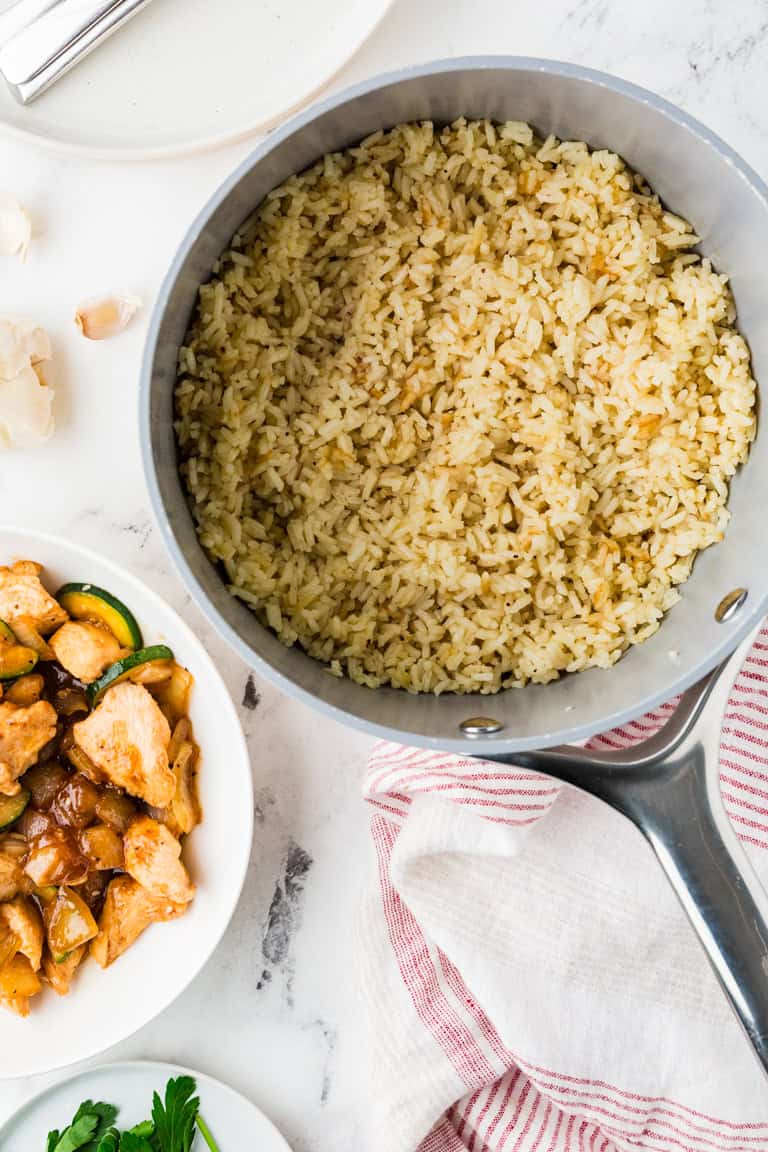
You can store leftover garlic rice in an airtight container in the refrigerator for 3 to 5 days. You can also freeze rice for up to 3 months; however, expect the texture to change when frozen. It may become mushy.
Serving Suggestions
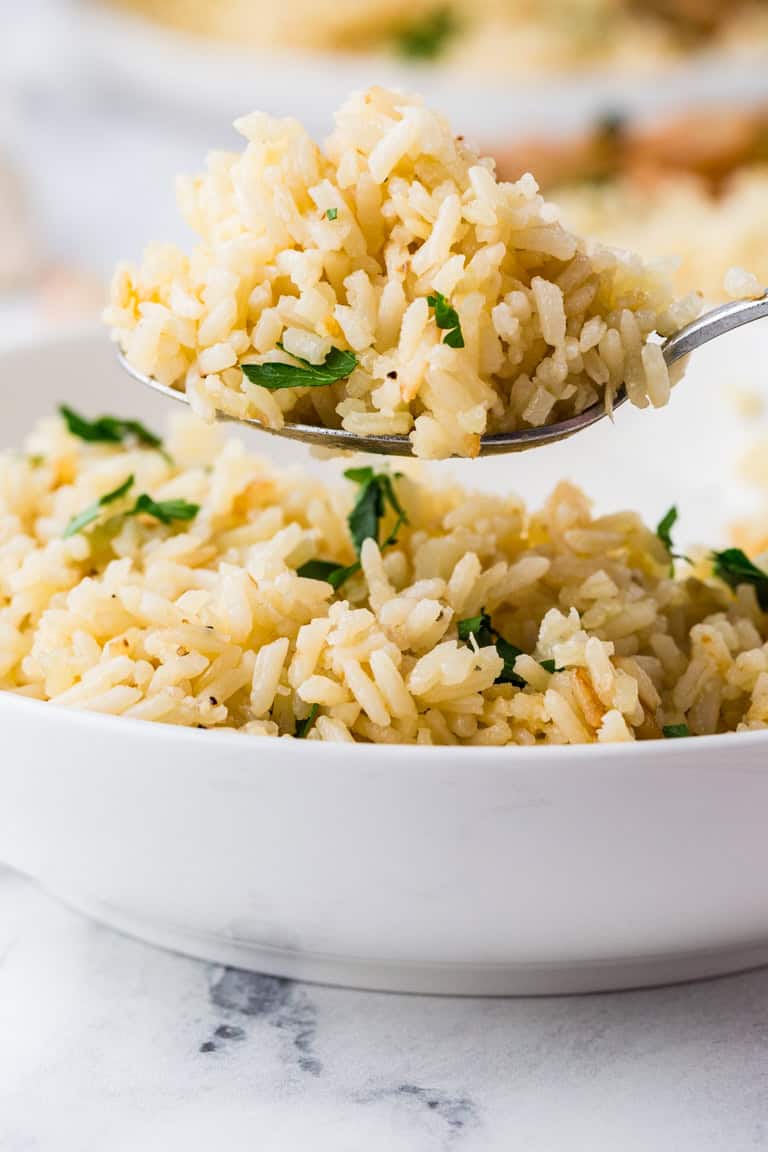
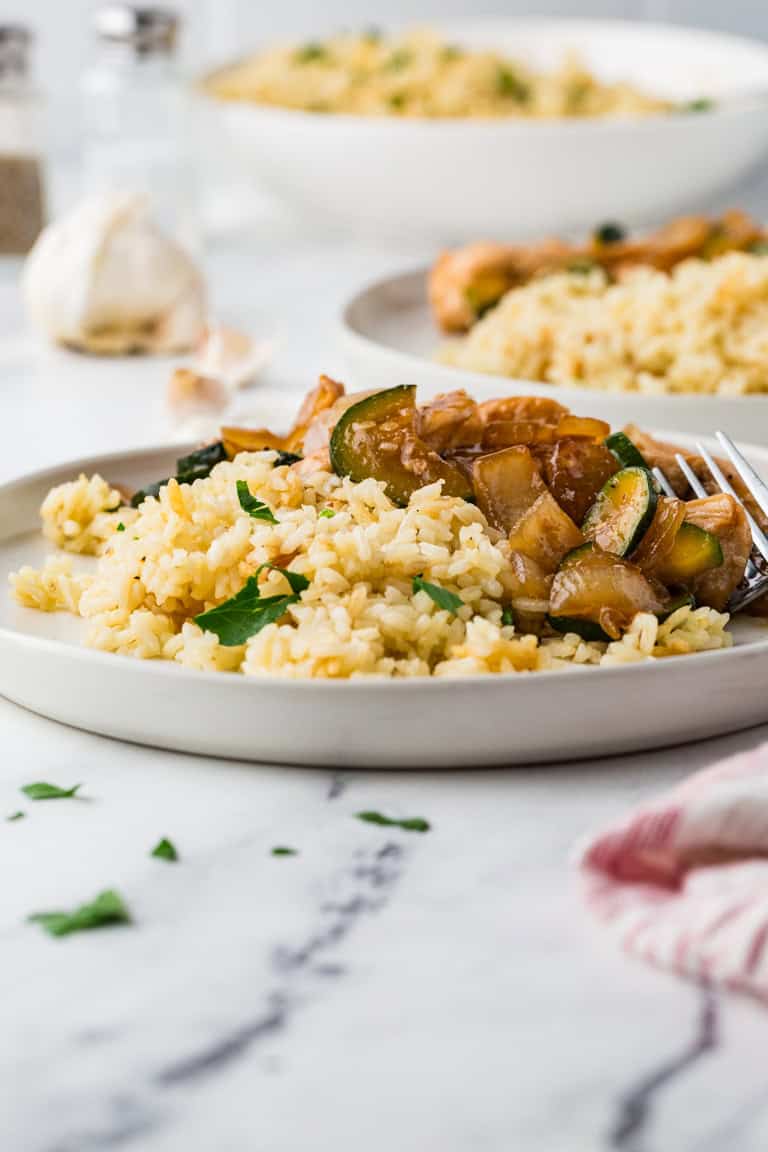
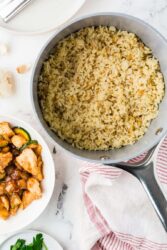
I recommend FFF’s easy Sautéed Shrimp piled on top of garlic rice. It’s a light meal packed with protein and energizing carbs. Garlic rice also makes a great side to an Oven-Cooked Top Sirloin Steak or Instant-Pot Steak. Vegetarians might enjoy some Crispy Baked Tofu mixed in with the garlic rice with a side of Oven-Roasted Vegetables.
Ingredients
- 1 tablespoon olive oil
- 4 cloves garlic minced
- 1 cup long-grain white rice rinsed
- 2 cups low-sodium vegetable broth
- 1/4 teaspoon salt
- 1/4 teaspoon black pepper
- 2 tablespoons fresh parsley chopped (optional)
Instructions
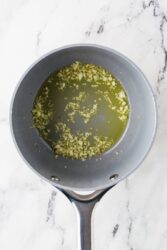
- Heat the olive oil in a medium saucepan over medium heat. Add the minced garlic and sauté until fragrant, about 1 minute, being careful not to burn it.
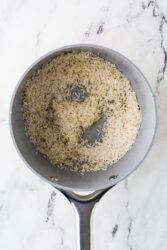
- Stir in the rinsed rice and cook for another 2 minutes, toasting it slightly while stirring continuously.
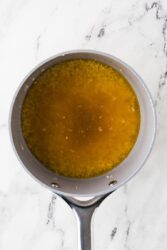
- Pour in the vegetable broth and season with salt and pepper. Bring to a boil, then reduce heat to low, cover, and simmer for 18 minutes, or until the rice is tender and the liquid is absorbed.
- Remove from heat and let the rice sit, covered, for 5 minutes. Then, fluff with a fork and, if desired, stir in the fresh parsley before serving.
Nutrition Info:
Nutrition information are estimates only and may vary based on the specific brands, ingredients, and portion sizes you use. This data is provided for informational purposes only.


Leave a Comment