

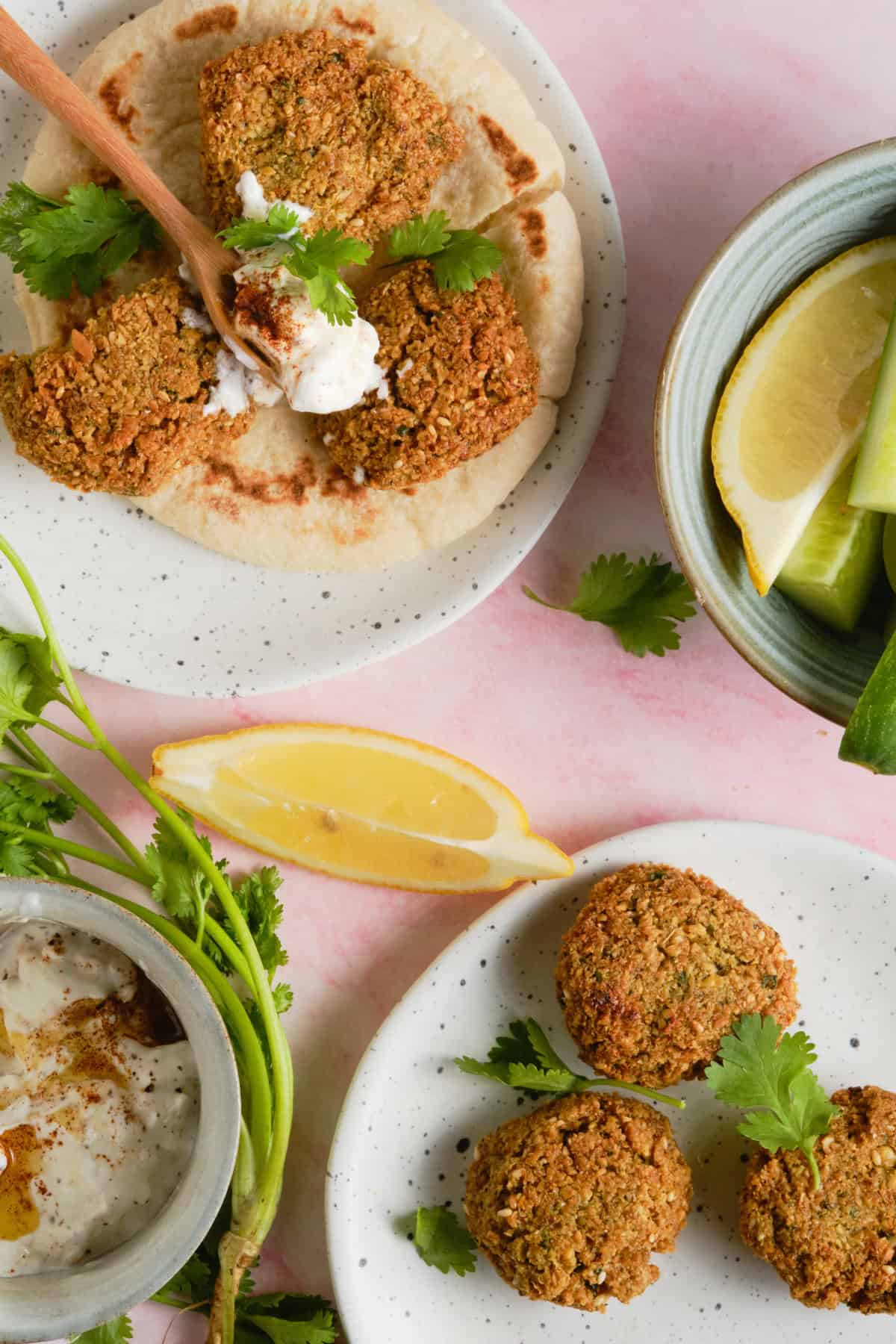
If you want to learn How To Make The Best Falafel, you’re in luck—these little chickpea bombs are way easier to pull off than you’d think.
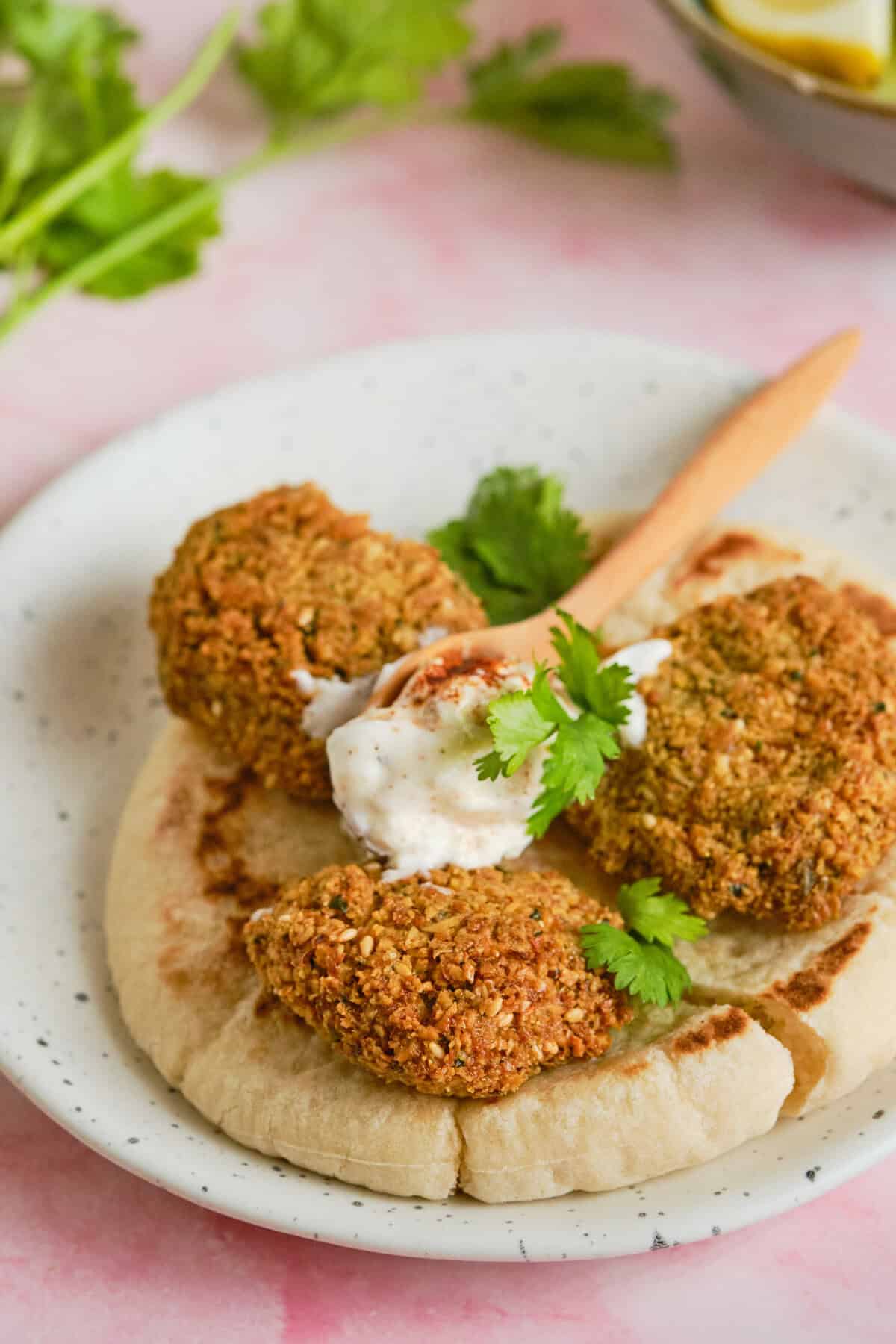
I knew I was going to love falafel the second our waiter dropped off a plate of those golden, crispy little orbs. During my early college years, I never really tried anything international outside of “Chinese” takeout. I didn’t know a falafel from a waffle. But I did know fried food. And these were fried, so obviously, they were going to be good. They weren’t just good. They were borderline life-changing. Okay, that sounds weird to ascribe such a description to a ball of fried chickpeas, but I stand by it. Falafel became an important gateway dish for me. If Middle Eastern food was this good, what else was I missing?
Flash-forward a decade, and I finally got brave enough to make them at home. I thought they’d be this intimidating, deep-fryer-only situation, but I was wrong. Homemade falafel is surprisingly doable. If you’ve got a food processor, you’re halfway there.
This falafel recipe brings a bright and herbaceous flavor courtesy of the fresh cilantro and dill I pick from my garden (seriously, you should grow this stuff!). I then add some cumin and coriander for a bit of warm spice. I also mix in toasted sesame seeds, an absolute must. The toasted sesame seeds add the type of flavor that makes your guests go—Hmm, what’s that—but in the best way. I always, always have a bag of sesame seeds, and you should, too. They are the not-so-secret ingredient in so many of my favorite recipes.
If you’re craving some falafel, this recipe is pretty straightforward and makes for a great side or even a main meal. It’s filling, fibrous, and provides a decent dose of protein as well. Sure, they’re fried in oil, but I’m not counting the calories—are you?
Is Falafel Healthy?
Chickpeas are the primary ingredient here, providing a significant amount of protein and fiber. I’ll admit, the recipe uses oil—about 2 to 3 cups if you’re frying. There certainly are healthier cooking methods for making falafel. However, authentic falafel is fried, and frankly, it tastes the best. That said, if you’re watching your calories, this Baked Falafel Recipe isn’t half bad.
What’s The Best (And Healthiest) Oil To Use For Frying Falafel?
I’m picky with my oils, especially when it comes to frying. I love extra virgin olive oil, but not for something like falafel, where you need a high smoke point and a neutral flavor. My personal go-to for frying is avocado oil. Admittedly, it’s not cheap, but it handles heat like a champion and is rich in healthy monounsaturated fats, as well as a fair amount of vitamin E.
Peanut oil and high-oleic sunflower oil are also solid contenders. They withstand high heat and also provide some vitamin E, especially sunflower oil. But if you’re trying to avoid oils overloaded with omega-6 fats or chemically processed mystery blends, skip the generic vegetable oil. It’ll get the job done, sure, but just because “vegetable” is in its name doesn’t make it a healthy option.
How Do I Store Leftovers?
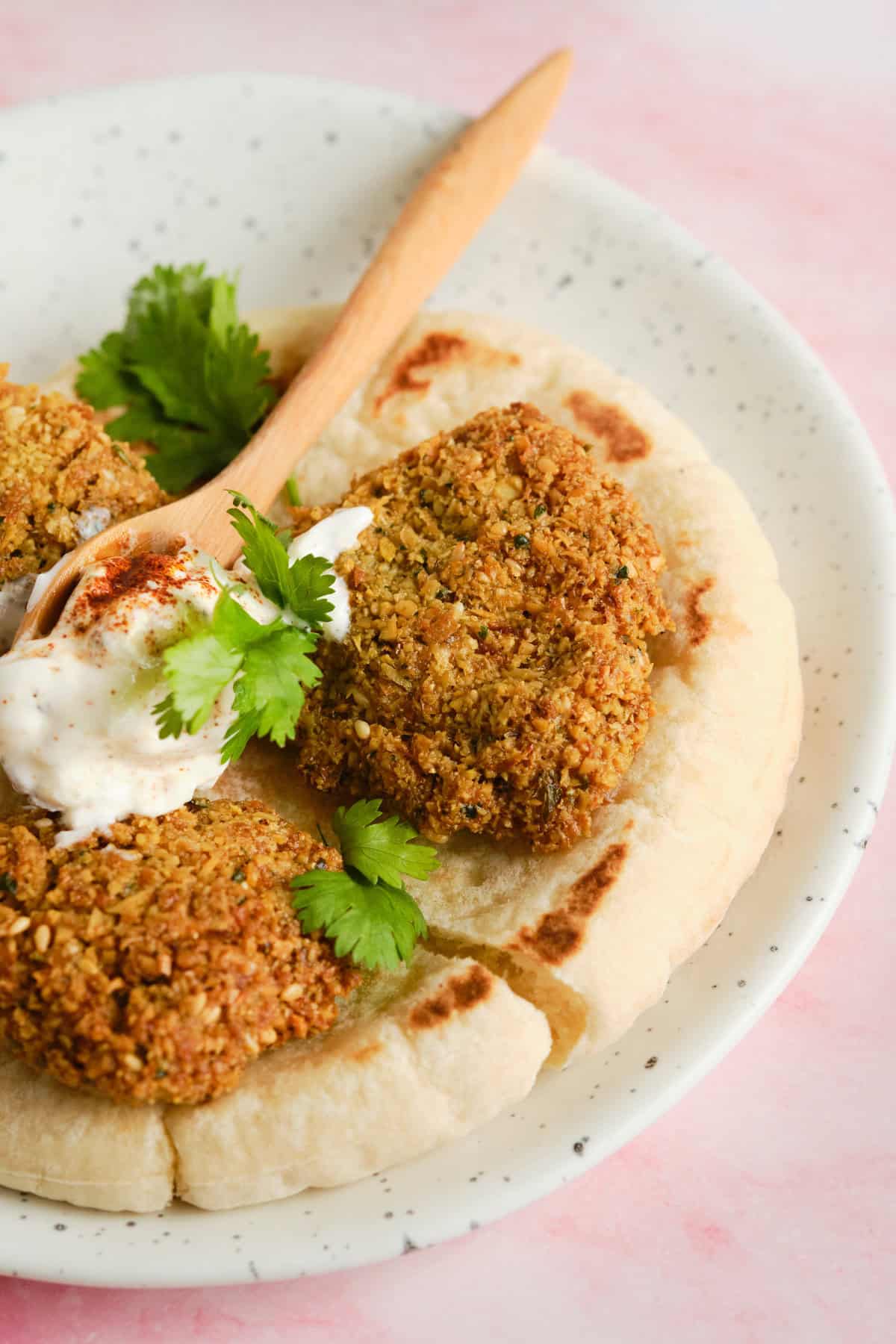
Refrigerate leftover falafel in an airtight container for up to 5 days. They reheat well in the oven, but my preferred pick is the air fryer.
Serving Suggestions
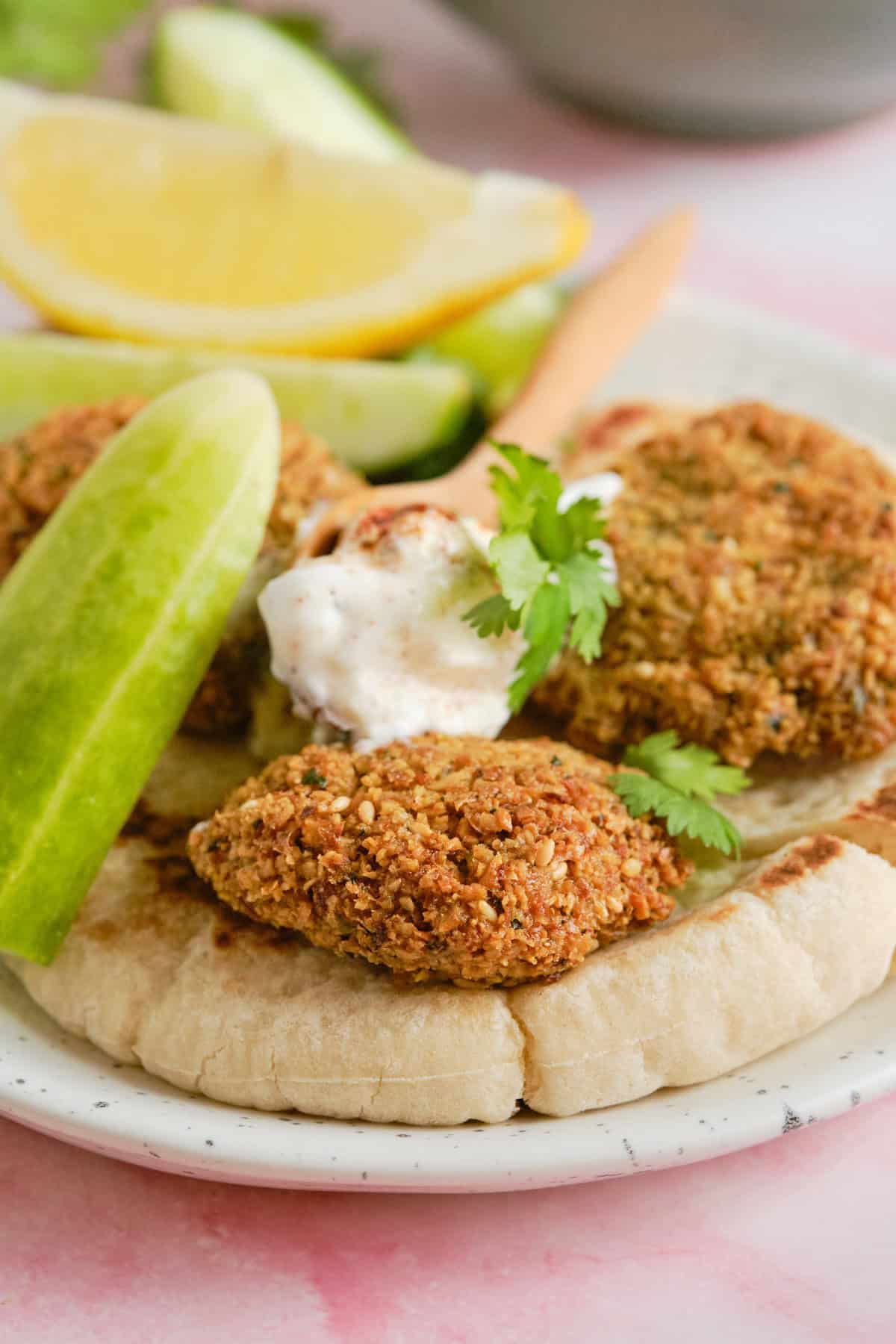
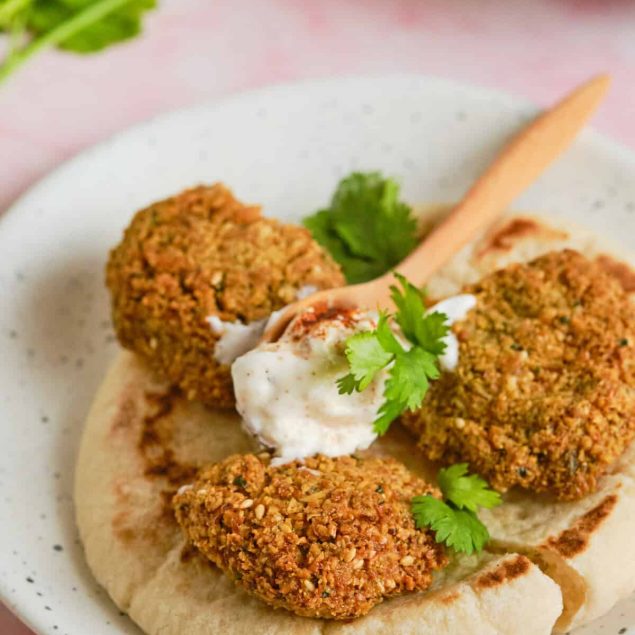
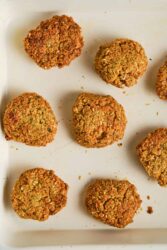
Enjoy these tantalizing falafel patties in warm Pita Bread with lettuce, tomatoes, and cucumber. Add a generous dollop of Tahini Sauce or some tangy Tzatziki for more of a Greek vibe.
Falafel is also a great side for Middle Eastern and Mediterranean-themed meals. Serve them alongside Chicken Shawarma and a fresh Jerusalem Salad. Lamb Kabobs are also a delicious pairing, along with a batch of Spanakopita.
Ingredients
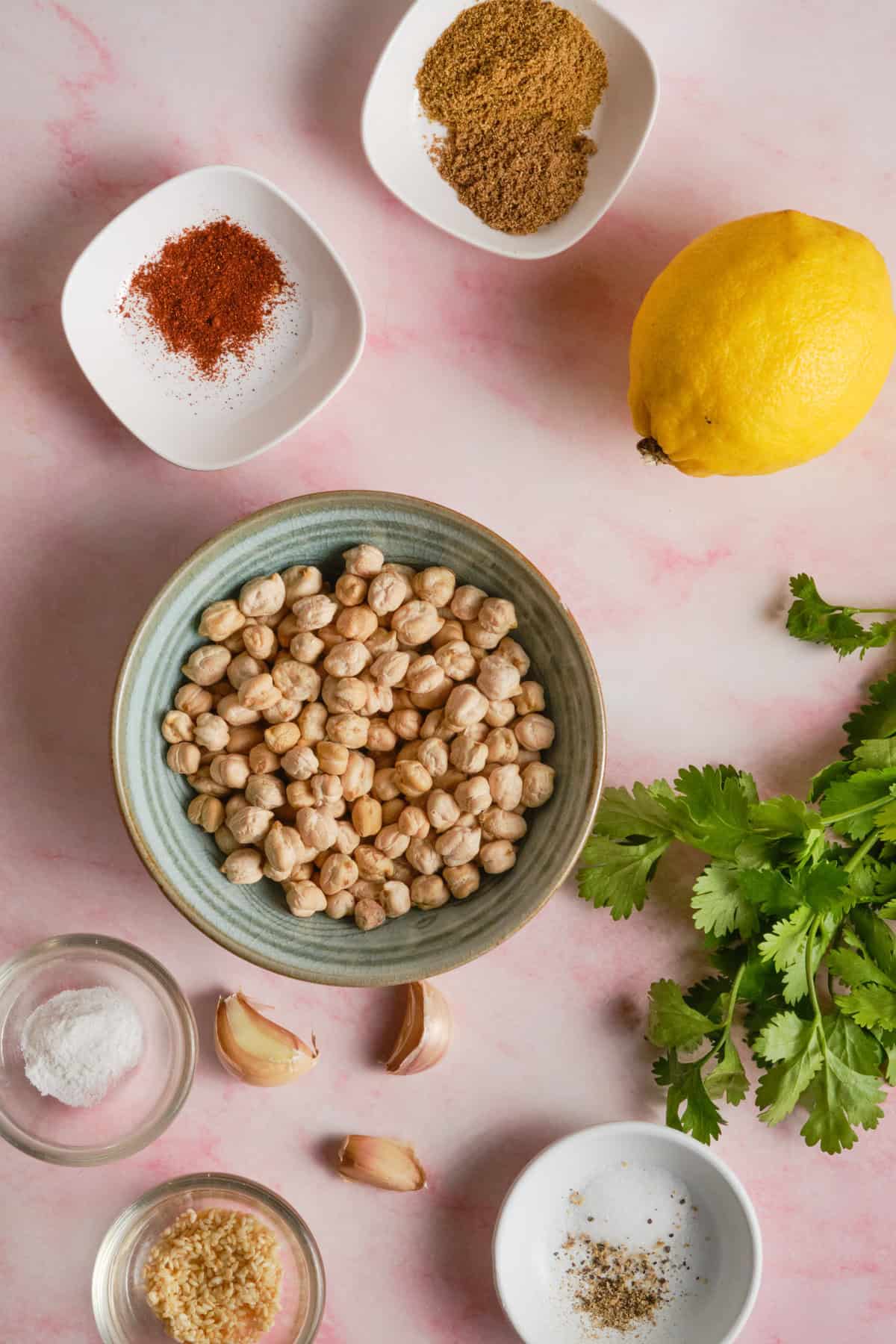
- 1 cup dried chickpeas
- 1/4 teaspoon baking soda
- 1/2 cup fresh cilantro leaves
- 1 tablespoon fresh dill
- 3 cloves garlic
- 1/2 tablespoon ground cumin
- 1/2 tablespoon ground coriander
- Pinch of cayenne pepper
- 1/2 teaspoon baking powder
- 1 tablespoon toasted sesame seeds
- Salt and pepper
- 2 to 3 cups high heat oil, like canola or avocado (for frying)
Instructions
- Place the dried chickpeas and baking soda in a large bowl and cover with cold water. Soak the chickpeas for at least 12 hours. Drain the chickpeas and pat them dry.
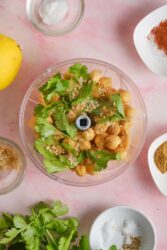
- Place the soaked chickpeas, cilantro, dill, garlic, and spices in a food processor and mix well.
- Transfer the falafel mixture to an airtight container. Refrigerate for at least 1 hour.
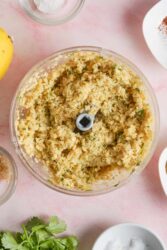
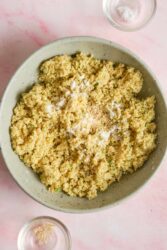
- Remove the mixture from the fridge. Add the baking powder, sesame seeds, salt, and pepper. Stir well.
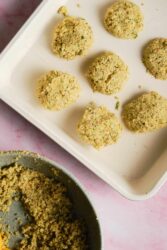
- Wet your hands and use them to form the falafel mixture into patties.
- Preheat a deep cast-iron pan with oil over medium-high heat. A heavy pot can also be used.
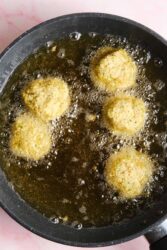
- Fry the falafel patties in the hot oil for about 5 minutes, until they brown.
- Serve the falafels with pita bread, lettuce, cucumbers, and desired sauces such as yogurt, hummus, or tzatziki.
Nutrition Info:
Nutrition information are estimates only and may vary based on the specific brands, ingredients, and portion sizes you use. This data is provided for informational purposes only.


Leave a Comment