

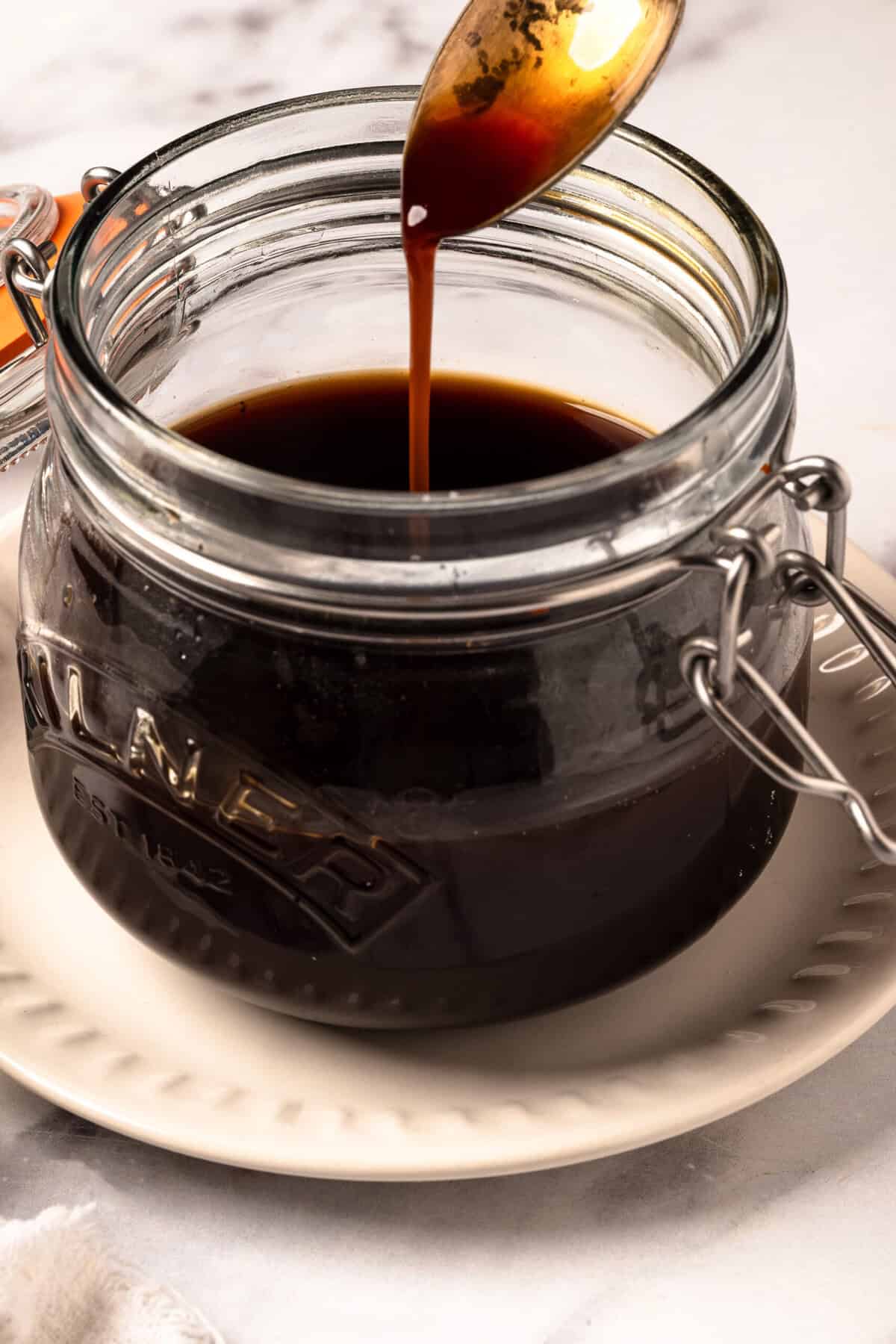
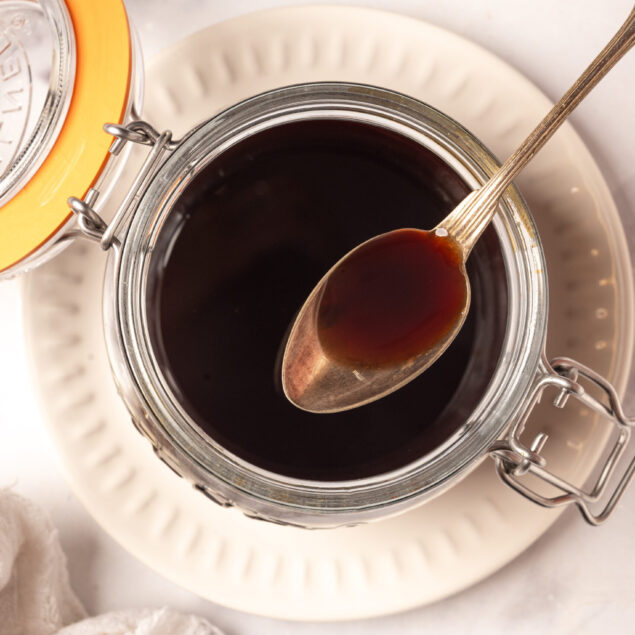
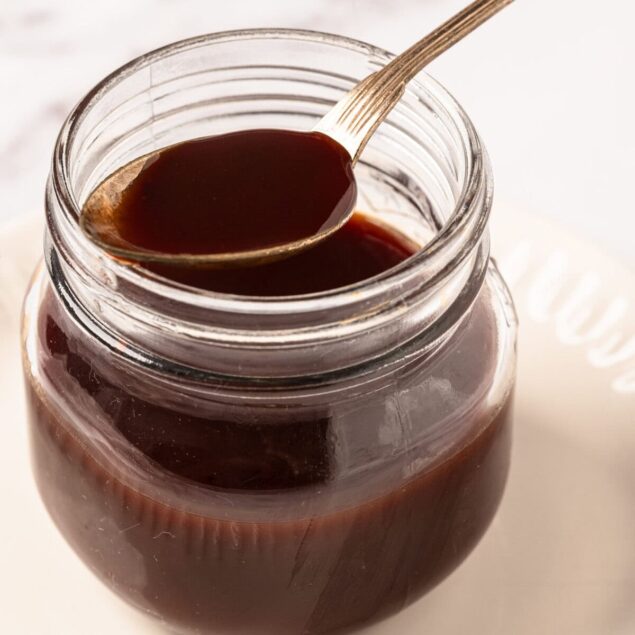
Sticky, sweet, and salty, this sauce is suitable for a variety of dishes, not just sushi.
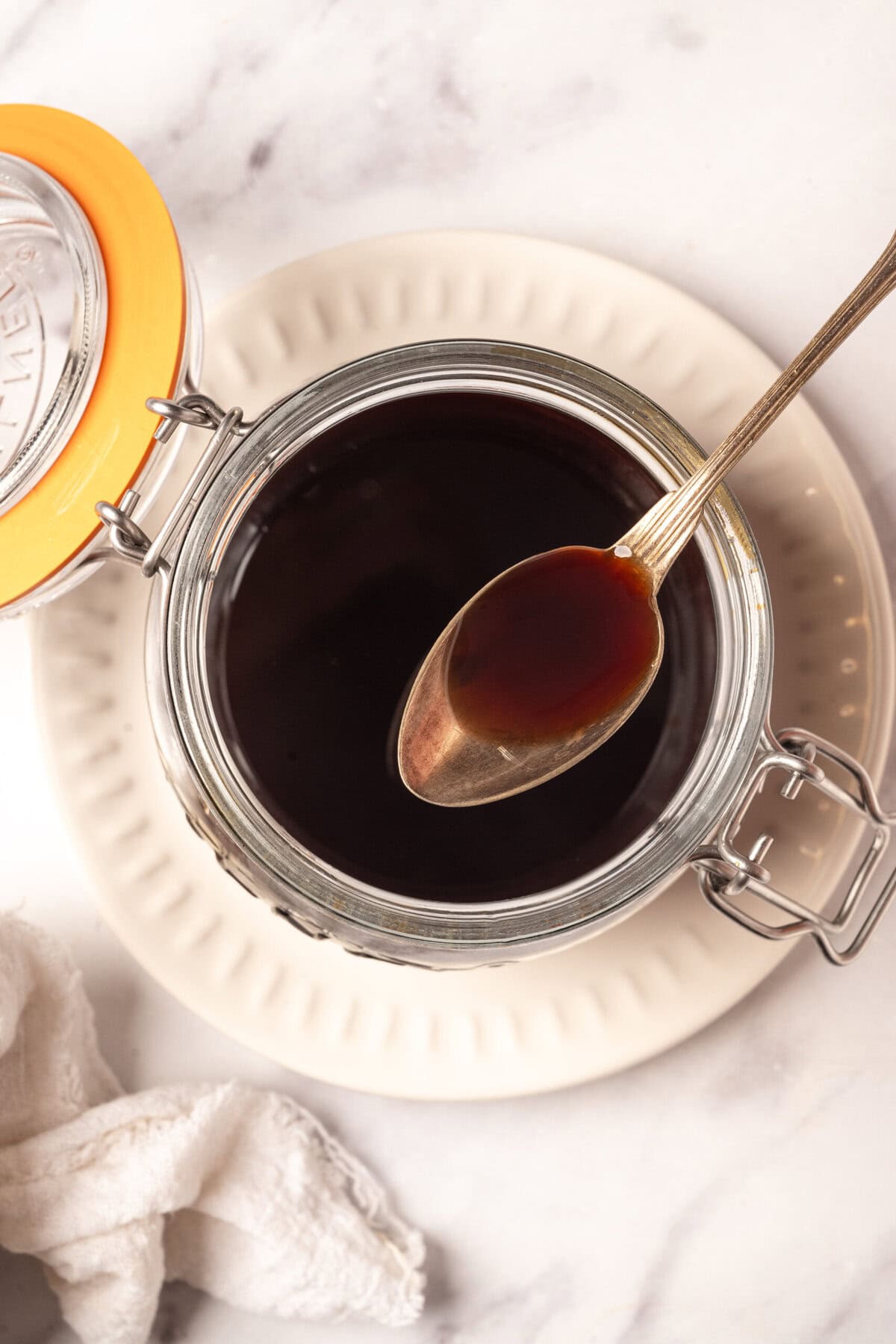
What I’m about to tell you, I’ve never told anyone. Promise not to laugh. I thought eel sauce was made from eels. You’re laughing, aren’t you? I can’t say I blame you. What’s really embarrassing is that no one ever told me the truth.
That’s my silly little culinary secret. It’s out in the open, so I can breathe a sigh of relief. Now that I’ve seen the recipe for this sauce—also known as unagi sauce—I can guarantee I won’t forget it again.
This recipe for eel sauce does not feature eels among its ingredients. But there could be another issue with it for some people—it’s made with soy sauce, which is typically not gluten-free. Although I do not have celiac disease, I am sensitive to gluten, so I tend to avoid it. Luckily, a tiny amount usually won’t bother me, so I can enjoy eel sauce at most restaurants.
But when I make it at home, I skip the soy sauce and use either tamari, gluten-free soy sauce, or coconut aminos. I also use coconut sugar in my homemade version, as I don’t typically cook with sugar at home. When combined with coconut aminos, it creates a nice, salty-sweet sauce that I love.
Whether you make yours gluten-free or not, this sauce delivers tons of flavor. It’s got a deep umami quality from the mirin—aka traditional Japanese rice wine used in many classic dishes—and a hint of sweetness. Overall, its balanced savoriness helps bring out the flavors of everything from vegetables to beef.
Beyond sushi—more uses for eel sauce
If you’ve ever been to a sushi buffet, you’ve probably seen many of the sushi rolls drizzled with eel sauce. It’s easy to think that’s the only use for this savory, sweet sauce. However, it’s not. Eel sauce makes an ideal marinade for fish and chicken. It’s even suitable for pork chops and beef. When using it as a marinade, I reduce the simmer time so the sauce is not as thick as it is for sushi.
How do I store leftovers?
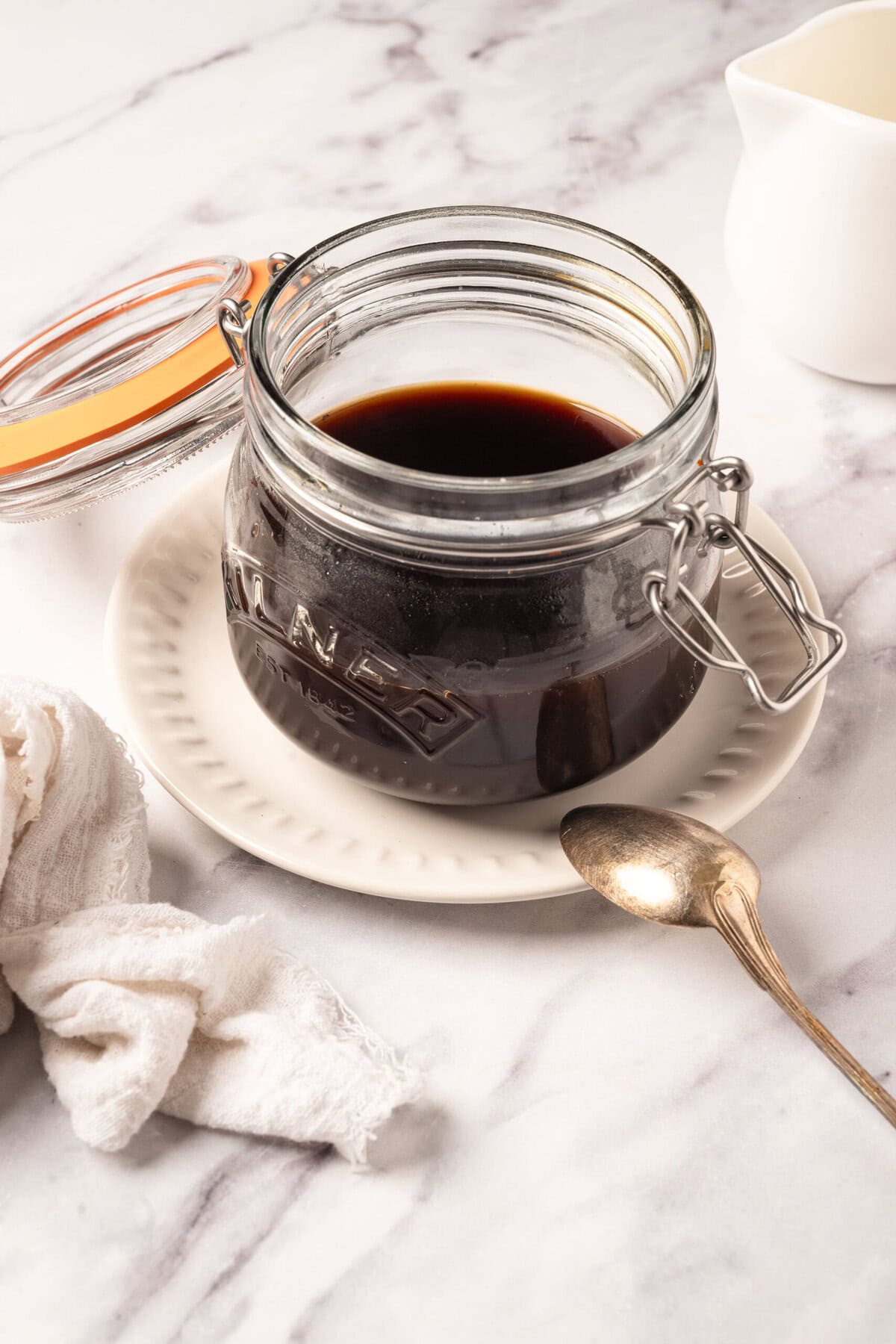
Once the eel sauce has cooled to room temperature, store it in an airtight container in the refrigerator for up to 2 months. Alternatively, you can place it in small freezer-safe bags or containers and freeze it for up to 3 months. Thaw it overnight in the refrigerator before using.
Serving suggestions
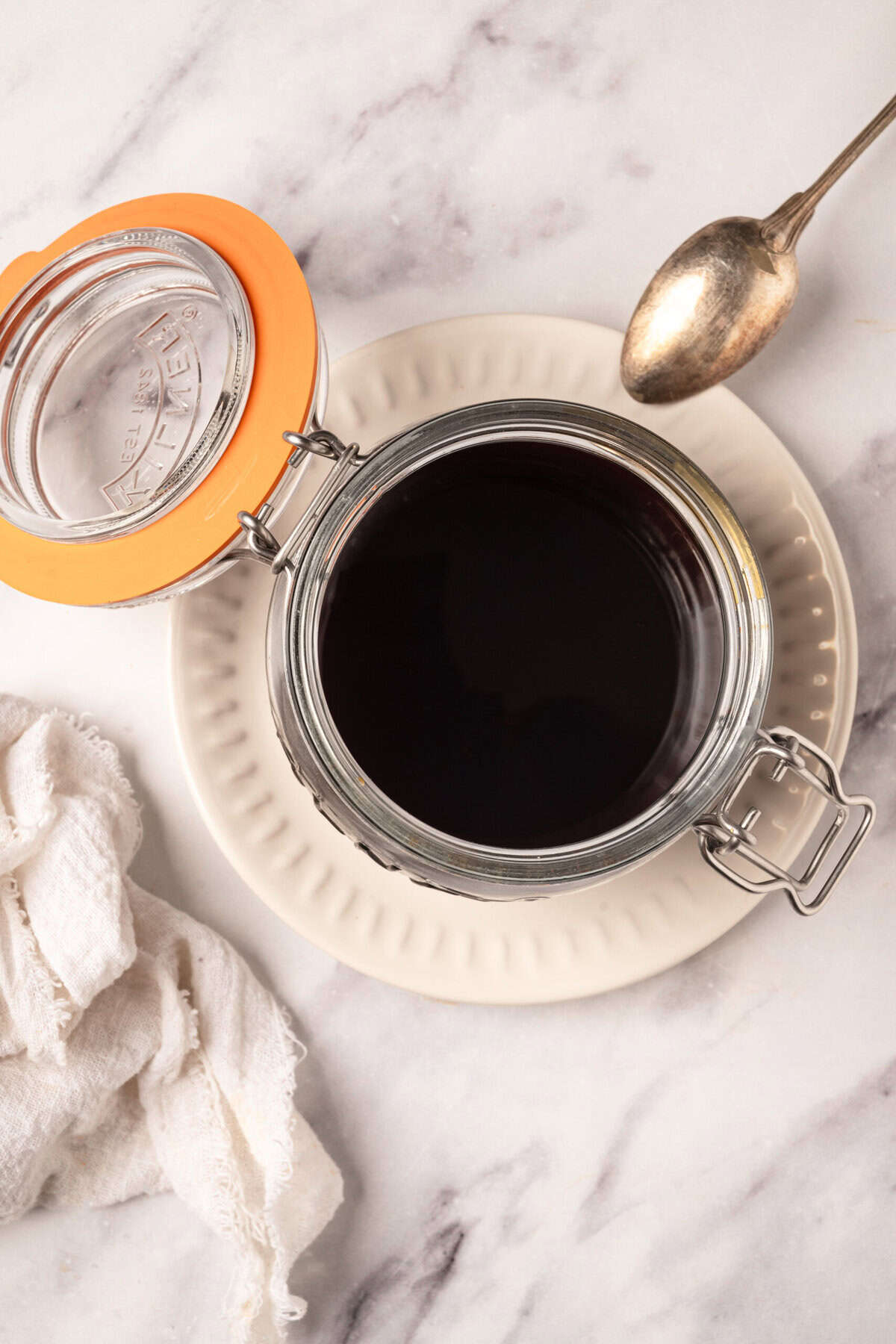
Drizzle your eel sauce over Crunchy Roll Sushi, Avocado Sushi Roll, and Vegan Sushi. It’s also perfect for this Sushi Bowl Recipe and for drizzling inside this Sushi Burrito Recipe before rolling it up.
And if you think eel sauce is just for sushi, think again. Serve it with a Seared Ahi Tuna Steak, drizzled over Shrimp Fried Rice, or atop these Sous Vide Pork Chops. Any stir-fry will benefit from a touch of eel sauce, so try it on this Broccoli Tofu Stir-Fry or Rice Noodle Chicken Stir-Fry for added flavor.
Ingredients
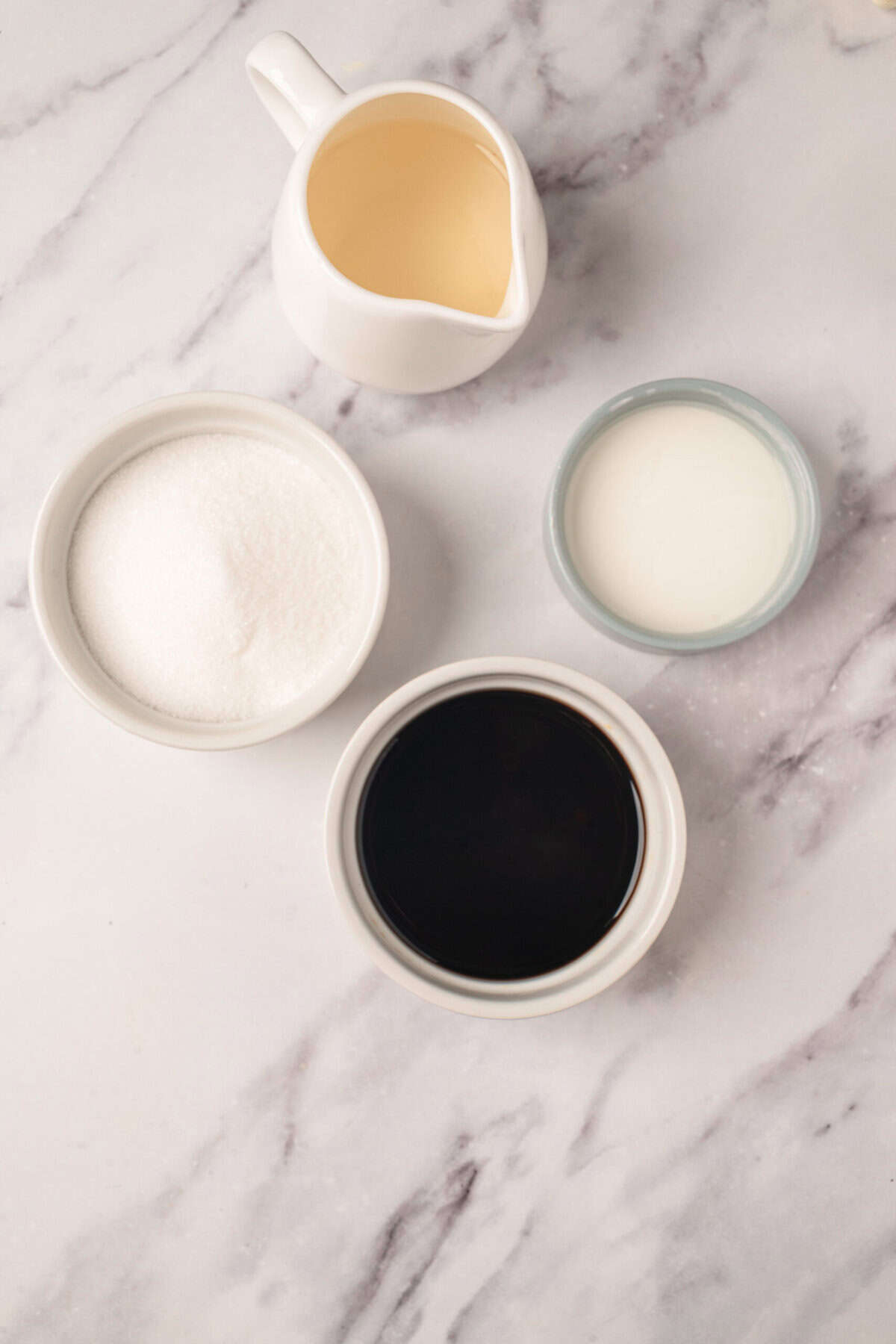
- 1/2 cup soy sauce
- 1/2 cup granulated sugar
- 1/2 cup mirin
- Cornstarch slurry 1 tablespoon cornstarch mixed with 2 tablespoons water, optional
Instructions
- Mix soy sauce, granulated sugar, and mirin in a small saucepan.
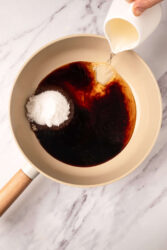
- Place the saucepan over medium-high heat and stir until the sugar dissolves and the mixture begins to simmer.

- Reduce the heat to medium-low and let the sauce simmer for about 10 minutes, stirring occasionally until it slightly thickens. For a thicker sauce, slowly whisk the cornstarch slurry into the sauce and cook for 1-2 minutes longer.
- Remove the saucepan from heat and allow the sauce to cool completely, which takes roughly 15-30 minutes. It will thicken further as it cools.

Nutrition Info:
Nutrition information are estimates only and may vary based on the specific brands, ingredients, and portion sizes you use. This data is provided for informational purposes only.


Leave a Comment