

Tap into a Southern tailgating tradition with this quick and easy recipe for a sweet yet strong combo of liqueurs and orange juice!
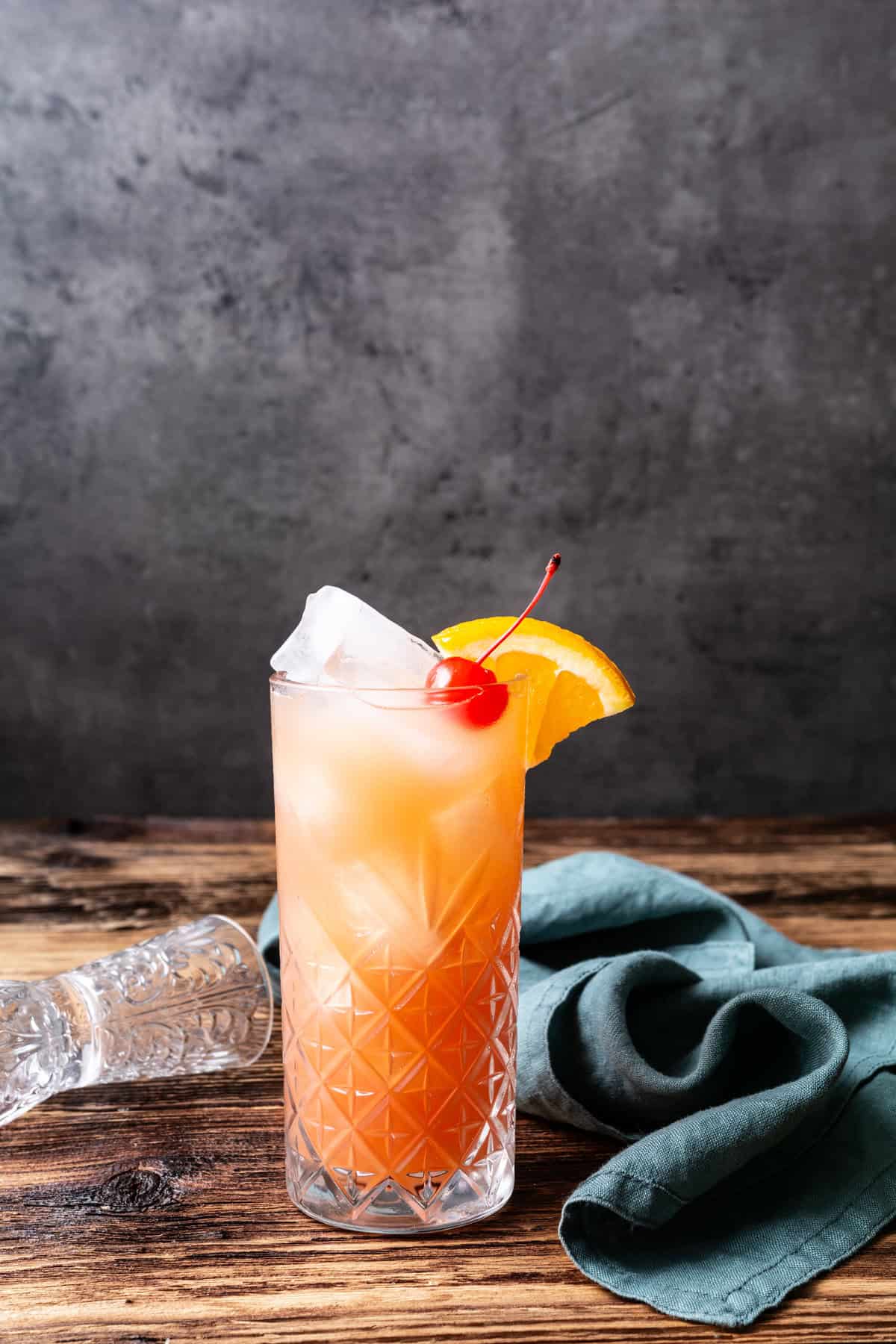
For Alabamians, tailgating isn’t just pre‑game fun—it’s a sacred tradition. In fact, little captures Southern pride quite like a Crimson Tide game day in Tuscaloosa. Hours before kickoff, the Quad outside Bryant‑Denny Stadium transforms into a red and white sea of tents, grills, coolers, and generations of fans united under one rallying cry: “Roll Tide!”
Amid this exuberant atmosphere, the Alabama Slammer was born. The exact birthdate and creator have been lost to history, but most sources agree it was first mixed at the University of Alabama sometime in the 1970s. The fruity cocktail appeared in The Playboy Bartender’s Guide in 1971, albeit with lemon juice instead of orange juice.
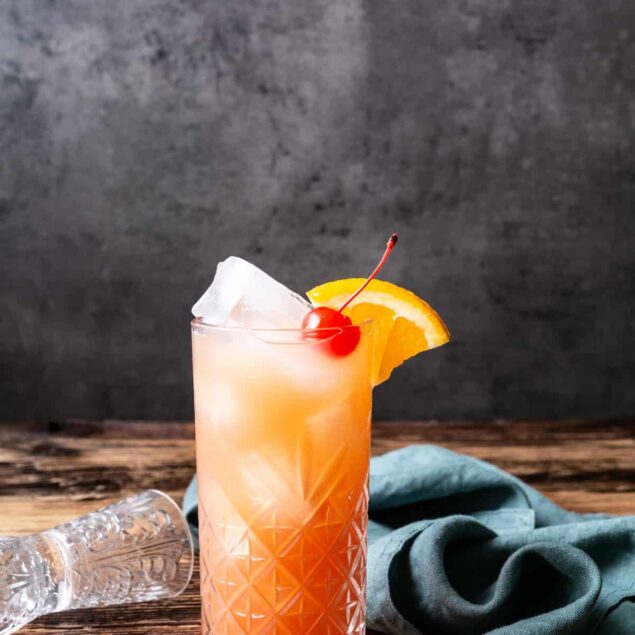
This Alabama Slammer cocktail recipe follows the now-standard OJ version that became a mainstay of ’70s and ’80s bar culture. The juice’s tart-sweetness melds beautifully with the spicy, honeyed notes of Southern Comfort, the creamy almond-like flavors of amaretto, and the berry-forward character of sloe gin—which also contributes the cocktail’s signature rosy color.
Whether you sip this drink from a tall glass over ice or slam it neat from a shot glass like tailgaters and UA students might, you’ll love its easy drinkability.
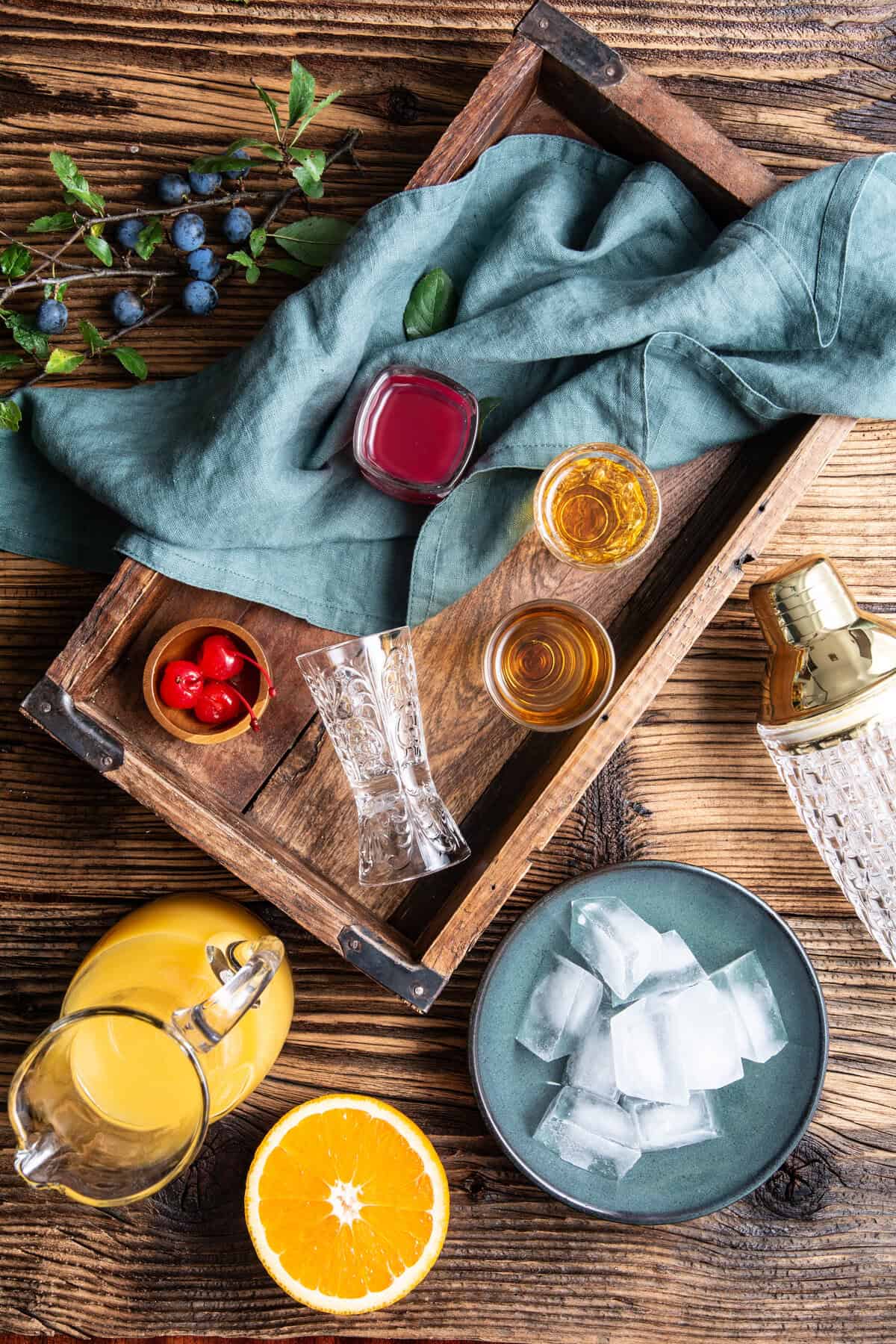
Ingredient spotlight: sloe gin
Despite its name, sloe gin isn’t really gin. It’s a sweet, ruby‑red liqueur made by steeping sloe berries—the tart, plum‑like fruit of the blackthorn bush—in gin with sugar. Over time, the blend takes on the deep color and flavor of the berries, creating a spirit that’s fruity, slightly astringent, and aromatic, with soft notes of almond and spice. Traditional versions range from 20–30% ABV, much lower than regular gin, making it smooth enough to sip neat or mix easily into cocktails.
Sloe gin’s roots trace back to rural England in the 17th century, where it was a countryside tradition to infuse autumn’s blackthorn fruit in spirits after the first frost. The result quickly became a winter favorite—sometimes called “poor man’s port”—enjoyed by farmers and gentry alike. Each family guarded its own recipe, tweaking sweetness levels or adding spices such as cinnamon or clove. Today, sloe gin remains a hallmark of British distilling culture and has found new life in modern craft spirits.
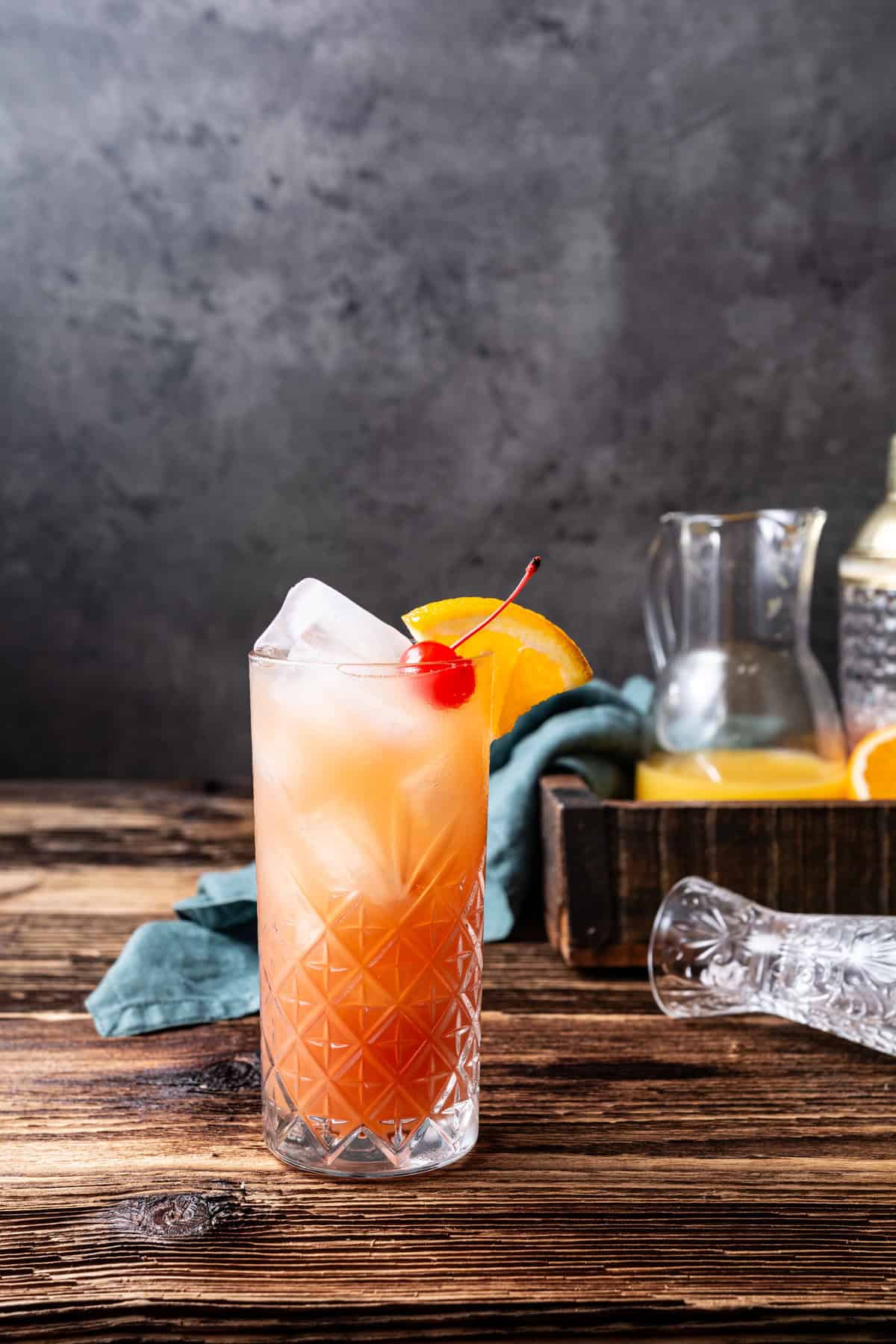
How do I store leftovers?
Store leftover Alabama Slammers in an airtight container in the fridge for up to 24 hours. After that short timeframe, the orange juice flavor will start to dull. Stir or shake before enjoying over fresh ice. You can also freeze this cocktail for up to 2 months in a freezer-safe container, though you might lose some citrus flavors. Thaw at room temp for 30-60 minutes and stir or shake well before serving.
To batch for a party, maintain the 1:1:1:2 ratio—three equal spirit portions, double orange juice. You can either combine all ingredients in a pitcher or sealed jug and chill for up to 24 hours, or mix just the liqueurs ahead of time and add orange juice just before serving for the brightest, freshest flavors.
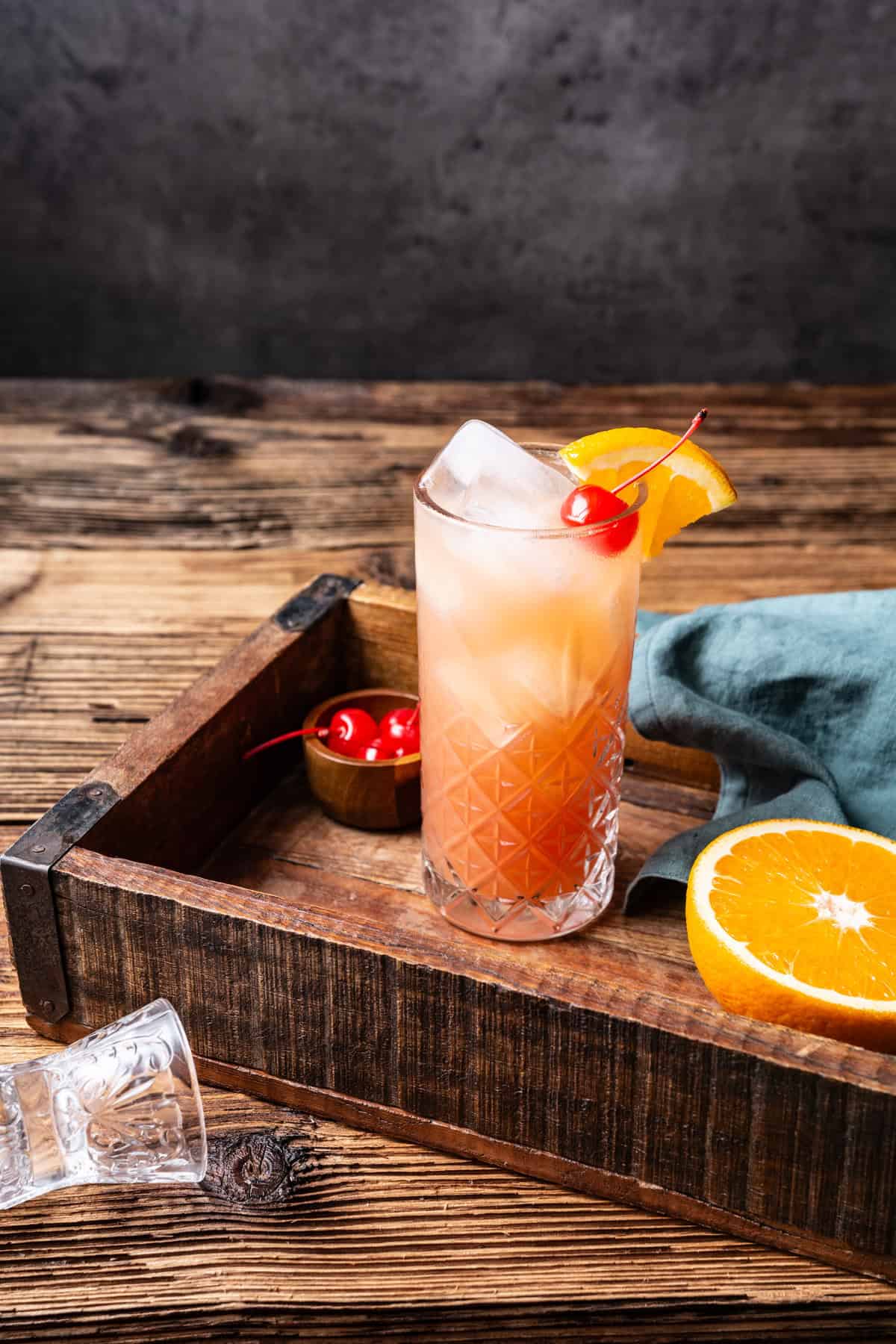
Serving suggestions
Serve Alabama Slammers alongside dishes that celebrate the vibrant tailgating culture they were born into. Cheeseburger Sliders and Bacon-Wrapped Hot Dogs With Salsa Verde And Queso Fresco make excellent pairings. Add Classic Southern Deviled Eggs as a starter, then finish with this Peach Pie Recipe.
Ingredients
- 1 ounce Southern Comfort
- 1 ounce sloe gin
- 1 ounce amaretto
- 2 ounces orange juice
- Orange slice and cocktail cherry optional, for garnish
Instructions
- Add the Southern Comfort, sloe gin, amaretto, and orange juice to a cocktail shaker. Fill the shaker with ice.

- Shake vigorously for 10–15 seconds until the shaker feels frosty.
- Strain into a highball or Collins glass filled with fresh ice.

- Garnish with an orange slice and cherry, if desired. Serve immediately.

Nutrition Info:
Nutrition information are estimates only and may vary based on the specific brands, ingredients, and portion sizes you use. This data is provided for informational purposes only.


Leave a Comment