

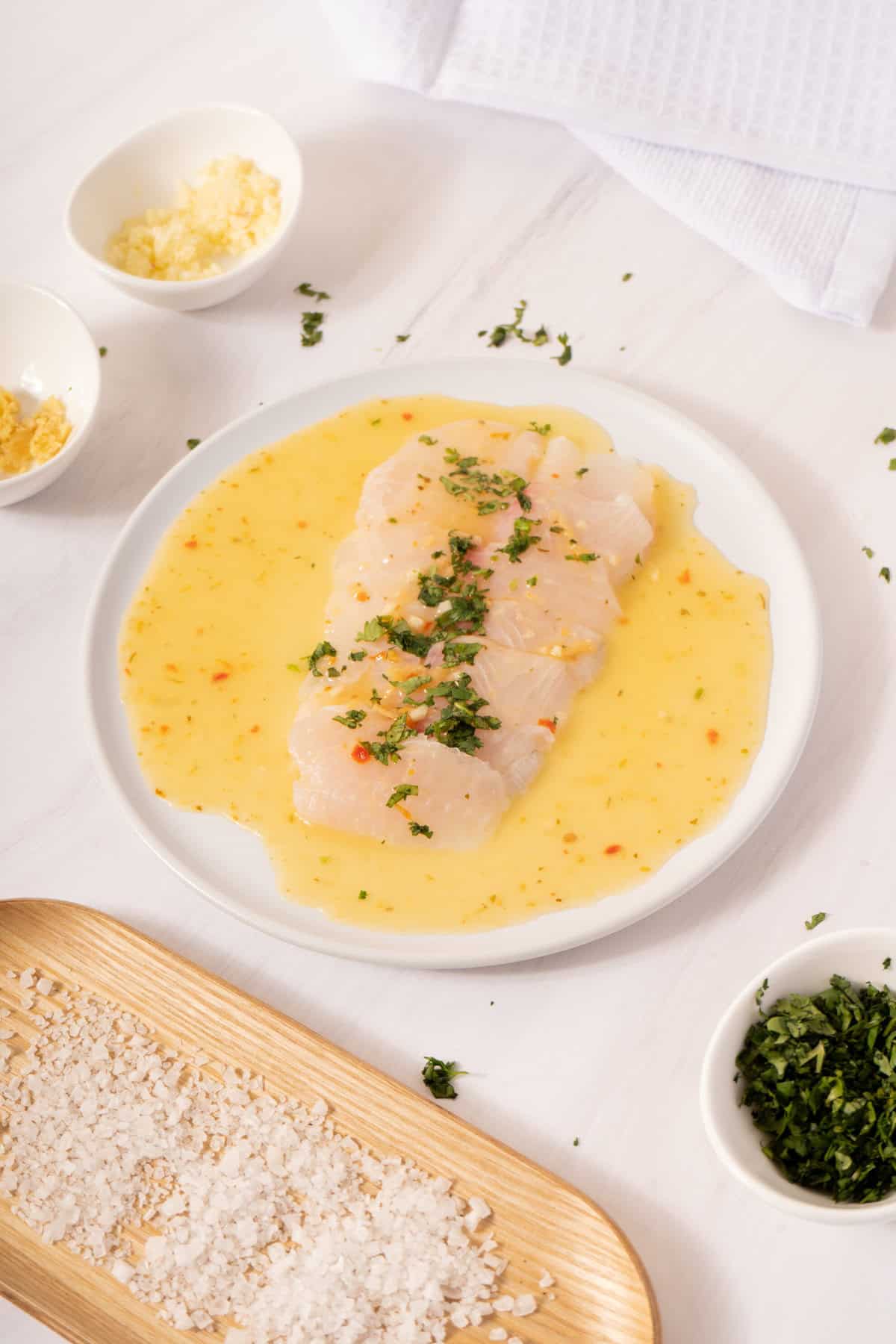
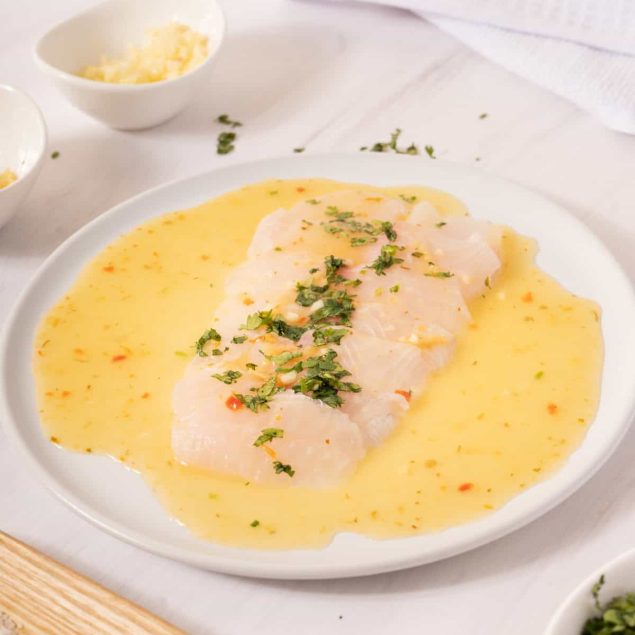
With roots in both Japanese and Peruvian cuisine, Tiradito is a delicious blend of cultures that will become a favorite.
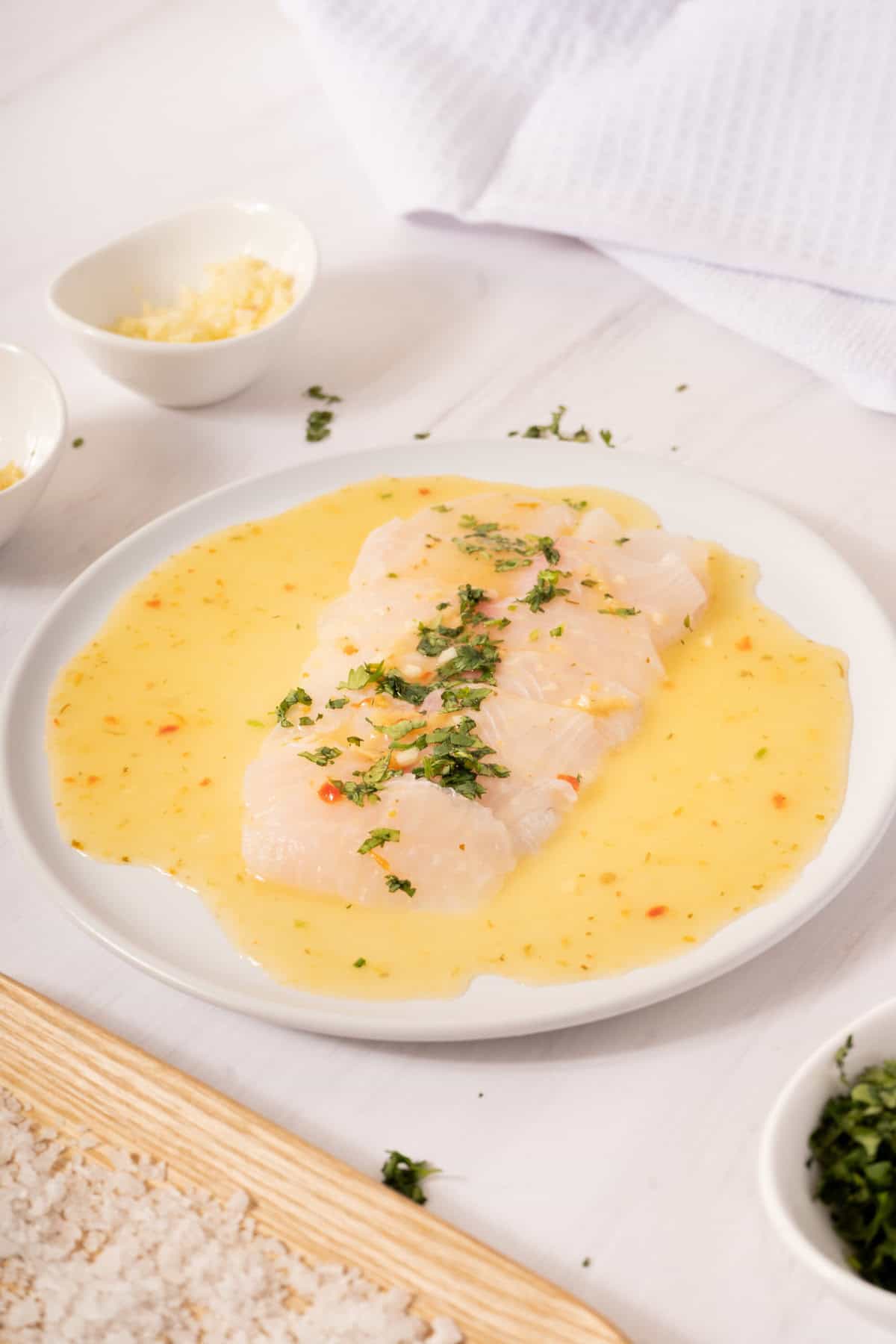
Regular readers know my love of seafood. I was essentially raised in a sushi restaurant that was owned by family friends. As much as I love sushi, I also love learning how different cultures prepare raw fish. In my hunt for unique dishes, I found tiradito. At first glance I thought it was similar to ceviche, using a citrus sauce to “cook” the seafood. It was only when I really started to read up on the dish that I realized that was not the case. Tiradito is actually specially cut sushi-quality raw fish served with a distinct sauce. I needed to know more. The hunt led me to this recipe—your new showstopper for small get-togethers.
Tiradito was developed by Japanese immigrants who landed in Peru in the 1800s. They brought their love of fresh fish and married it with some of the traditional flavors of their new home. The name tiradito comes from the Spanish word tirar, meaning “to throw,” as you throw together raw fish and sauce. You get the rich flavors of Peru: a blend of slightly sweet citrus from lime and lemon juice met with the delicious spice of aji amarillo. Ginger and garlic round out the flavors for a truly unique and culturally diverse dish.
Is Tiradito Healthy?
Yes, tiradito is healthy. The fish is rich in lean protein as well as omega-3 fatty acids, and the citrus juices add flavor without unnecessary calories or fats. The aji amarillo sauce is also healthy; aji amarillo peppers are rich in vitamin C, vitamin A, and potassium. The recipe is completely gluten-free, making it ideal for those with gluten intolerance or celiac disease.
What Does “Sashimi-Grade” Mean?
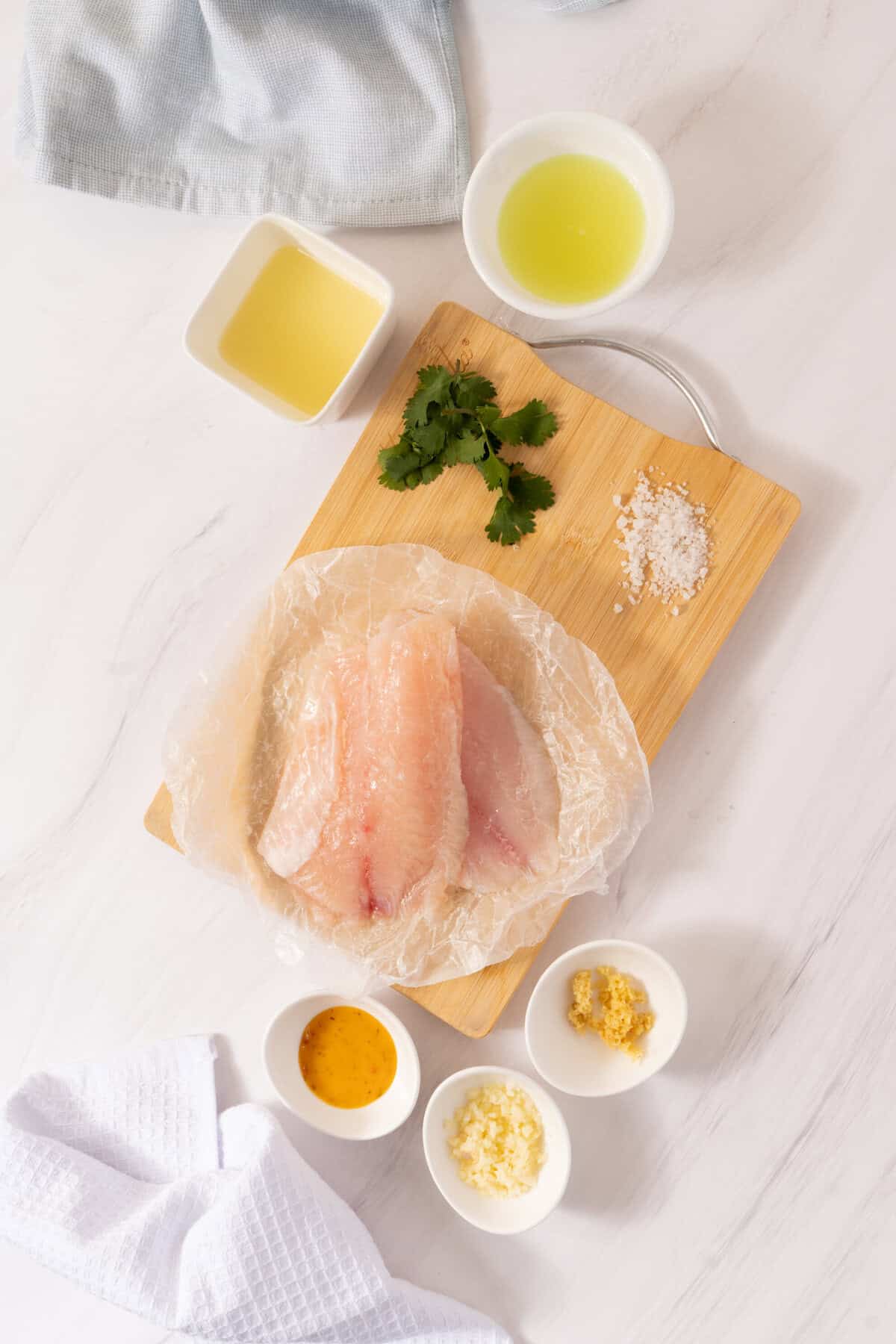
“Sashimi-grade” is a term used to indicate that the fish is safe to eat raw and has been handled with additional care to reduce the risk of foodborne illness. Whether a fish is truly sashimi grade is not generally regulated, so be sure that you trust the fish market you are buying from to guarantee quality. Sashimi itself is thinly sliced raw seafood that is common in Japanese cuisine and sushi restaurants around the world. With that said, sashimi-grade white fish are easy to find. I recommend flounder, sea bass, or my favorite: sea bream. If you are still uncomfortable choosing your fish, I recommend asking your local fishmonger; they’ll direct you to their best option.
How Do I Store Leftovers?
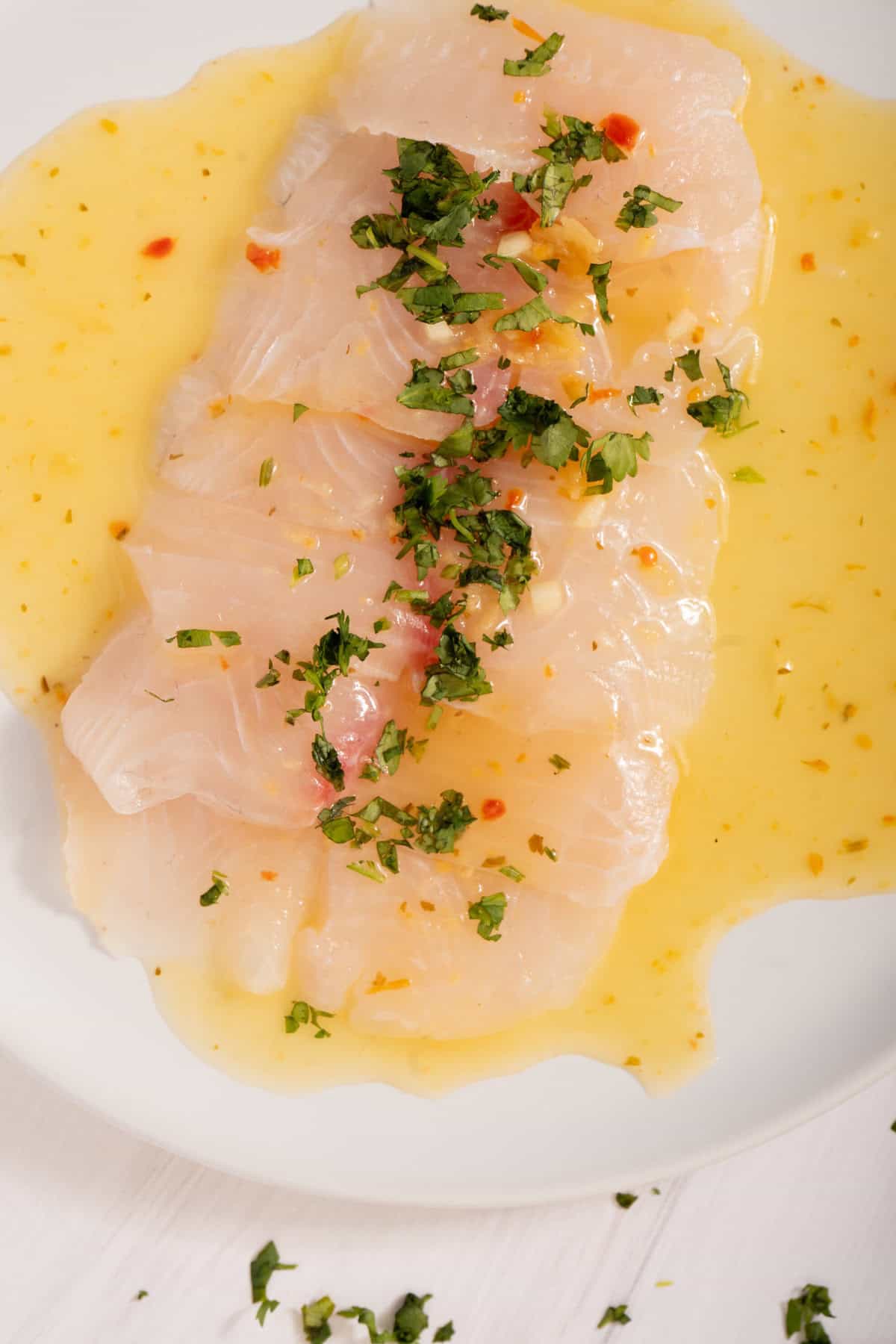
Tiradito is best enjoyed right away. That said, you can prepare your sauce in advance and store it in a sealed container in the refrigerator for up to 3 days. The fish, however, should be bought the day you plan on serving it, ideally eaten within three hours of being cut.
Serving Suggestions
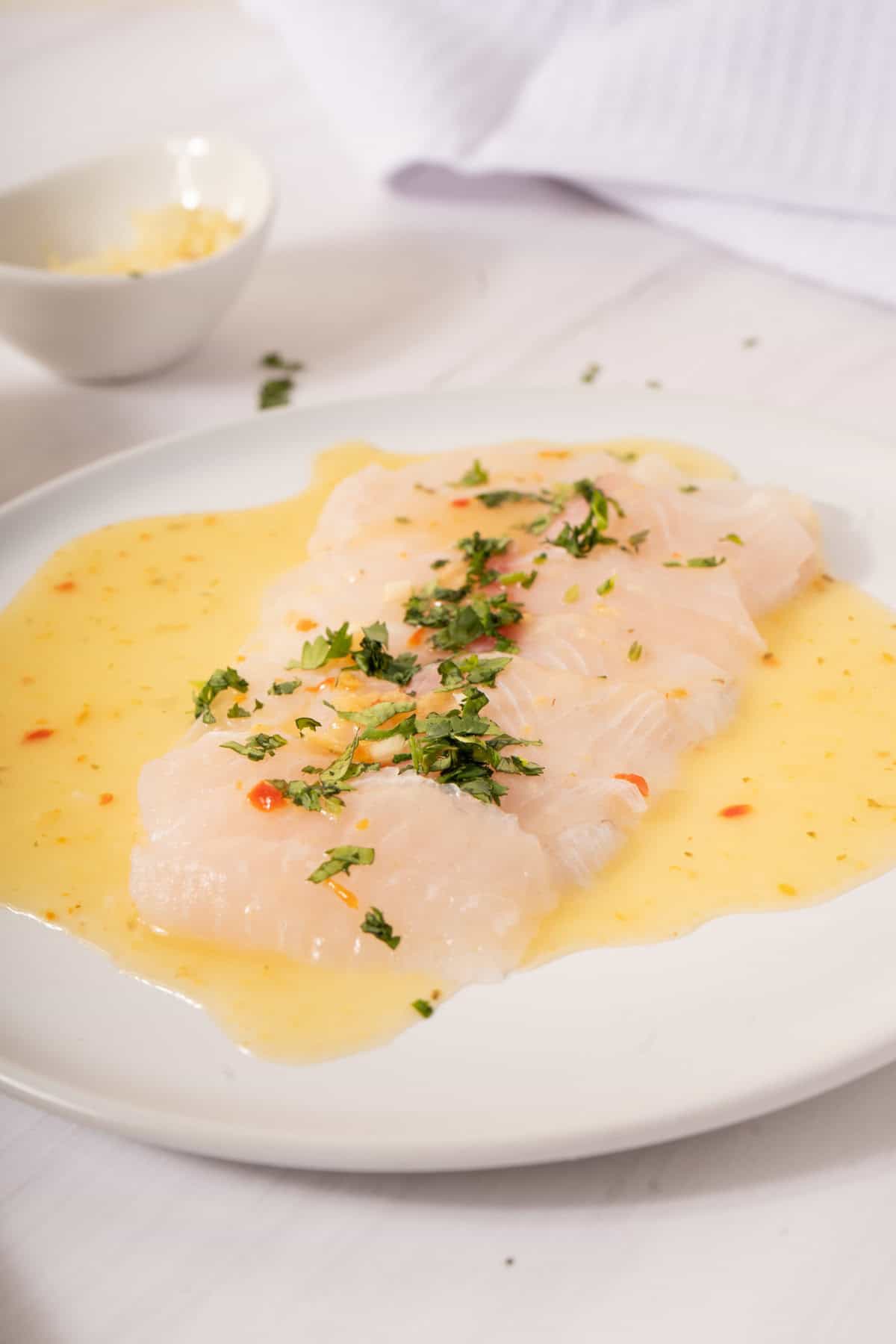
I love serving tiradito as a light, elegant appetizer at dinner parties or as a quick, flavor-packed snack for just me and my husband. A glass of chilled white wine or crisp White Sangria makes a perfect pairing, mellowing out the heat from the aji amarillo while highlighting the dish’s bright acidity. For a well-rounded spread, I often plate it with Steamed Sweet Potatoes or Hasselback Sweet Potatoes—their creamy, naturally sweet flavor plays beautifully against the citrusy sauce. Looking for something more filling? Try it alongside Arroz Chaufa or Relleno De Papa for a satisfying Peruvian-inspired meal.
Ingredients
- ½ pound sashimi-grade white fish such as sea bass or fluke
- ¼ cup fresh lime juice
- ¼ cup fresh lemon juice
- 2 tablespoons aji amarillo paste or fresh aji amarillo minced
- ½ teaspoon kosher salt
- ½ teaspoon fresh ginger grated
- ½ teaspoon fresh garlic grated
- Fresh cilantro leaves for garnish
Instructions
- Chill the fish in the freezer for about 15 minutes to firm it up for easier slicing.
- Thinly slice the chilled fish against the grain and arrange the slices on a serving plate in a single layer.
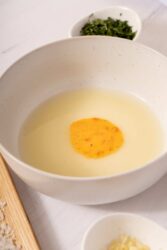
- In a small bowl, whisk together the lime juice, lemon juice, aji amarillo, salt, ginger, and garlic until well combined.
- Drizzle the citrus-chili sauce evenly over the fish, ensuring each piece is coated.
- Garnish the tiradito with fresh cilantro leaves. Serve immediately and DEVOUR.
Nutrition Info:
Nutrition information are estimates only and may vary based on the specific brands, ingredients, and portion sizes you use. This data is provided for informational purposes only.


Leave a Comment