

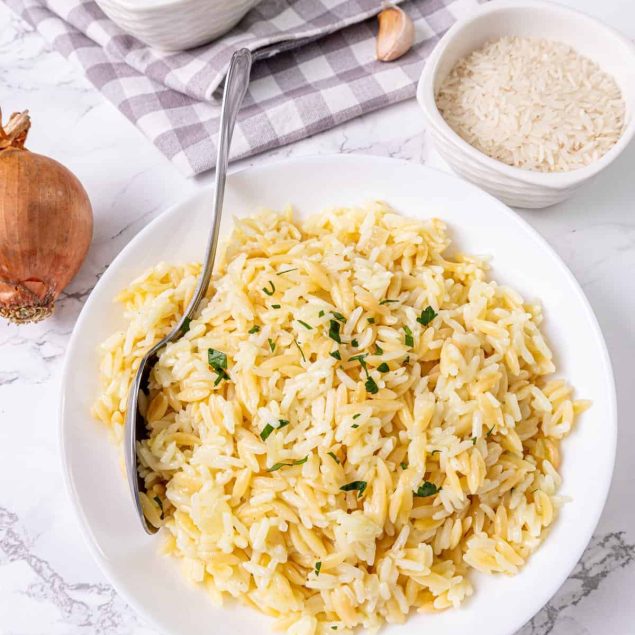
This lightly-seasoned combination of pasta and rice creates a fluffy, tasty bite! You’ll want to serve Rice Pilaf With Orzo with dinner over and over again.
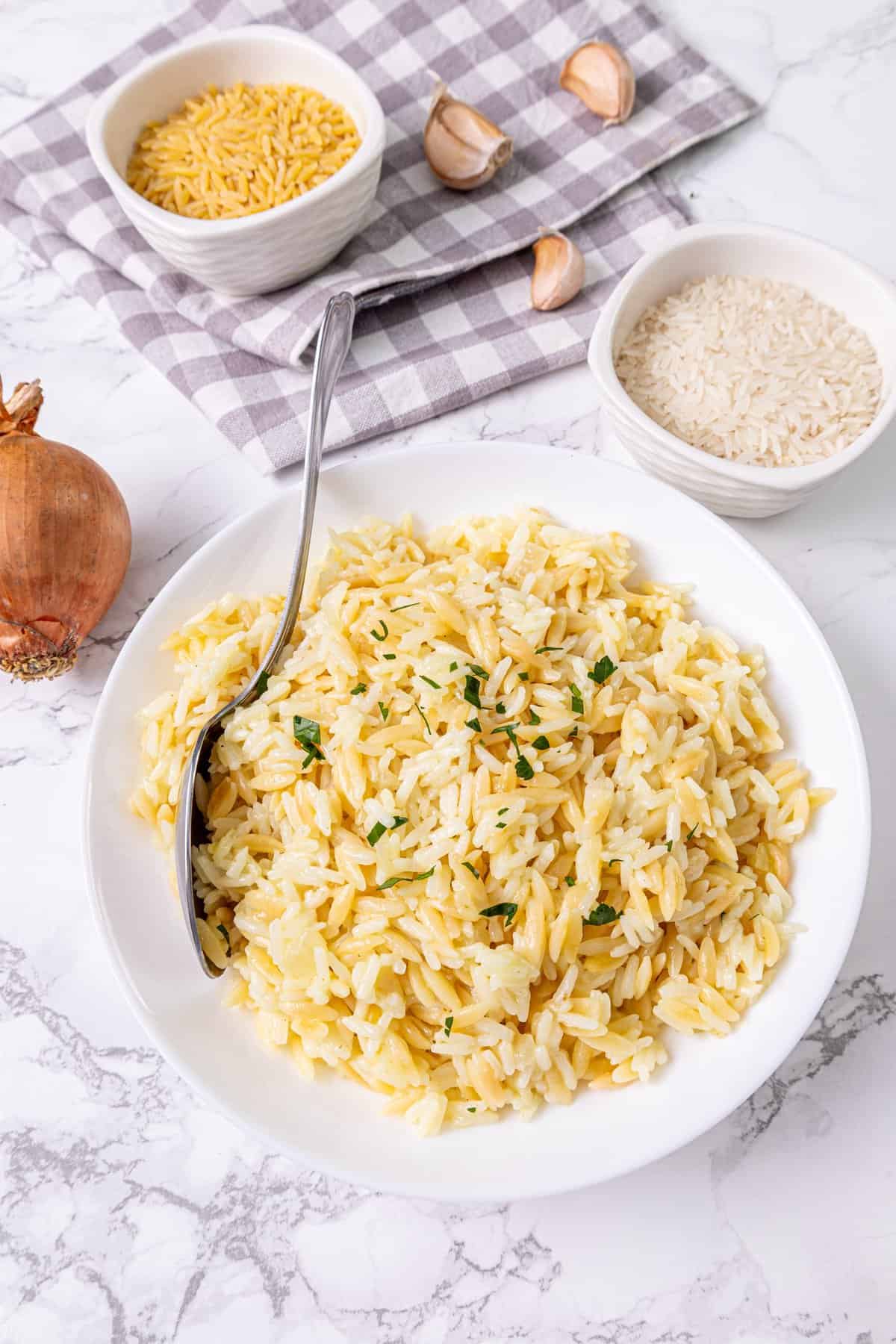
Does anyone remember Rice-A-Roni? It’s the San Francisco treat that combines vermicelli pasta, white rice, and various flavoring packets to make a really tasty side dish. I loved this stuff as a kid. It was easy enough for me to make by myself after a certain age, and I bought boxes of it long into adulthood—at least until I figured out how to make my own version.
Pasta and rice require different cooking processes and slightly different cooking times, so making both in the same pot is a little bit tricky without a recipe. Thankfully, we have one! This rice pilaf with orzo recipe isn’t identical to the so-called “San Francisco treat,” but in my opinion, it’s better than the boxed stuff.
Instead of using vermicelli pasta, this recipe uses orzo for a thicker pasta texture, and it’s browned in butter to give a slightly toasty flavor. Chicken broth, garlic, and onion provide the bulk of the flavor, and all that goodness is soaked up by the pasta and rice as it all cooks together. You can add different ingredients to this pilaf, but it’s absolutely delicious on its own, too!
Is This Rice Pilaf With Orzo Healthy?
This recipe is carb-heavy, but that doesn’t imply that it’s unhealthy! Orzo pasta has some protein, a bit of fiber, and other nutrients, such as small amounts of potassium and iron. White rice contains similar amounts of important nutrients as well, such as B vitamins, magnesium, and folic acid. The butter adds a little bit of satisfying fat, including some healthy monounsaturated fats. The chicken broth used is low-sodium, which significantly lowers the sodium content per serving compared to full-salt varieties of broth. All in all, this recipe is relatively low in fat and can be enjoyed in moderation next to your favorite dinner mains and veggie sides.
You can make this pilaf vegetarian by using low-sodium vegetable broth instead of chicken broth, and vegans can go a step further by swapping the butter for olive oil. If you’re avoiding gluten, use a gluten-free orzo pasta variety.
Pile On The Additions To Your Pilaf
My childhood bowls of Rice-A-Roni taught me that this type of dish really benefits from adding different ingredients to the mix. This recipe is quite flexible as far as additions go—more or less whatever you’re craving can be added to the pot of cooked pilaf with good results. Here are a few of my favorites!
- Green peas: One of the most common frozen veggies in freezers across the U.S. is excellent in this orzo rice pilaf. It even adds protein to the dish! I defrost my peas in the microwave before stirring them into the cooked pilaf.
- Parmesan cheese: You can’t have pasta without a little sprinkle of Parmesan, right? That’s what I think, anyway.
- Grape or cherry tomatoes: Adding a handful of tiny, whole tomatoes to the pot right after adding the rice is one of my favorite moves for this recipe! As the rice and pasta cook, the tomatoes will burst and release a pleasant acidity into the pot. You only need four or five small-variety tomatoes for this to work, but feel free to add as many as you like.
- Green onions: Yet another small addition with a big effect! Add a chopped green onion to the pot as you’re fluffing the pilaf for a bright pop of fresh onion flavor.
- Baby spinach or other fresh greens: A handful of quick-cooking greens, such as baby spinach or kale, add nutrition and color to the pot. Add the greens along with the rice for a long cook, or add them as you’re fluffing the rice for a quick wilt.
How Do I Store Leftovers?
When it’s cooled off completely, store leftover rice pilaf with orzo in an airtight container and keep it in the fridge for up to 4 days. For longer storage, transfer it to a freezer-safe container or ziplock freezer bag and freeze for up to 3 months. Thaw it overnight in the fridge the day before you want to eat it. Reheat leftovers in the microwave or in a pan on the stovetop.
Serving Suggestions
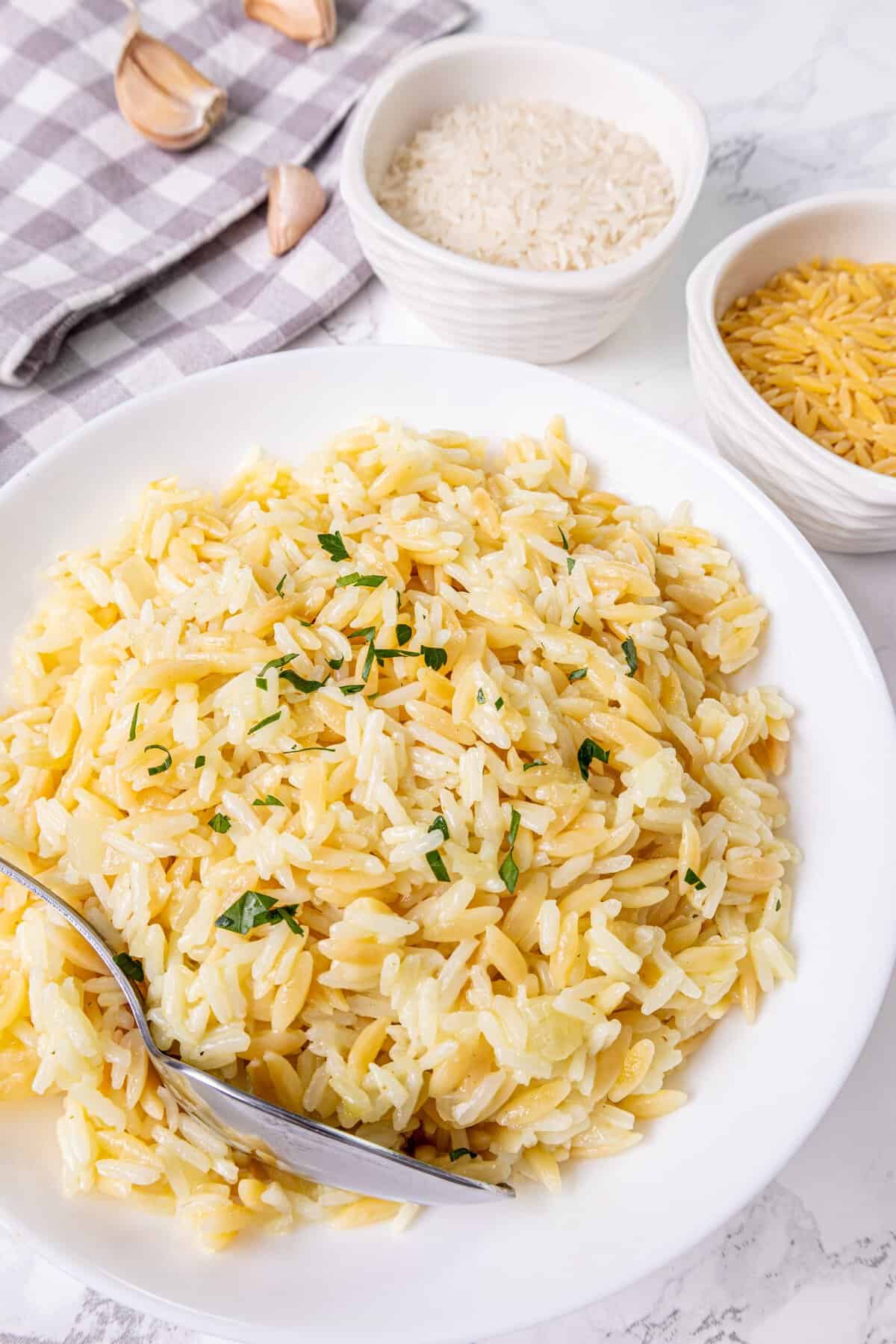
This orzo rice pilaf is an excellent side dish to many main dishes. I love serving it with these Sheet Pan Paleo Za’atar Chicken Thighs for their amazing earthy flavor or these Stuffed Pork Chops when I want something a little heavier. On days I want to skip the meats, I go for this Air-Fryer Falafel, or just a simple fried egg on top of the pilaf!
In addition to the main dish, I always pair my orzo rice pilaf with a big side of vegetables. Give this Easy Sautéed Broccoli or these Cumin-Roasted Carrots a try; you won’t regret it.
If you’re not in the mood for heavy cooking, I’ll share a lazy-dinner-night tip: You can make a one-bowl meal out of this pilaf by adding cooked veggies (broccoli, spinach, peas, cauliflower, etc.) and chopped cooked meat at the end of the cooking process for this dish. Whatever I have on hand works fine, whether it’s cooked chicken breast, leftover bits of steak, ground beef, deboned pork ribs, or even these Roasted Chickpeas.
Ingredients
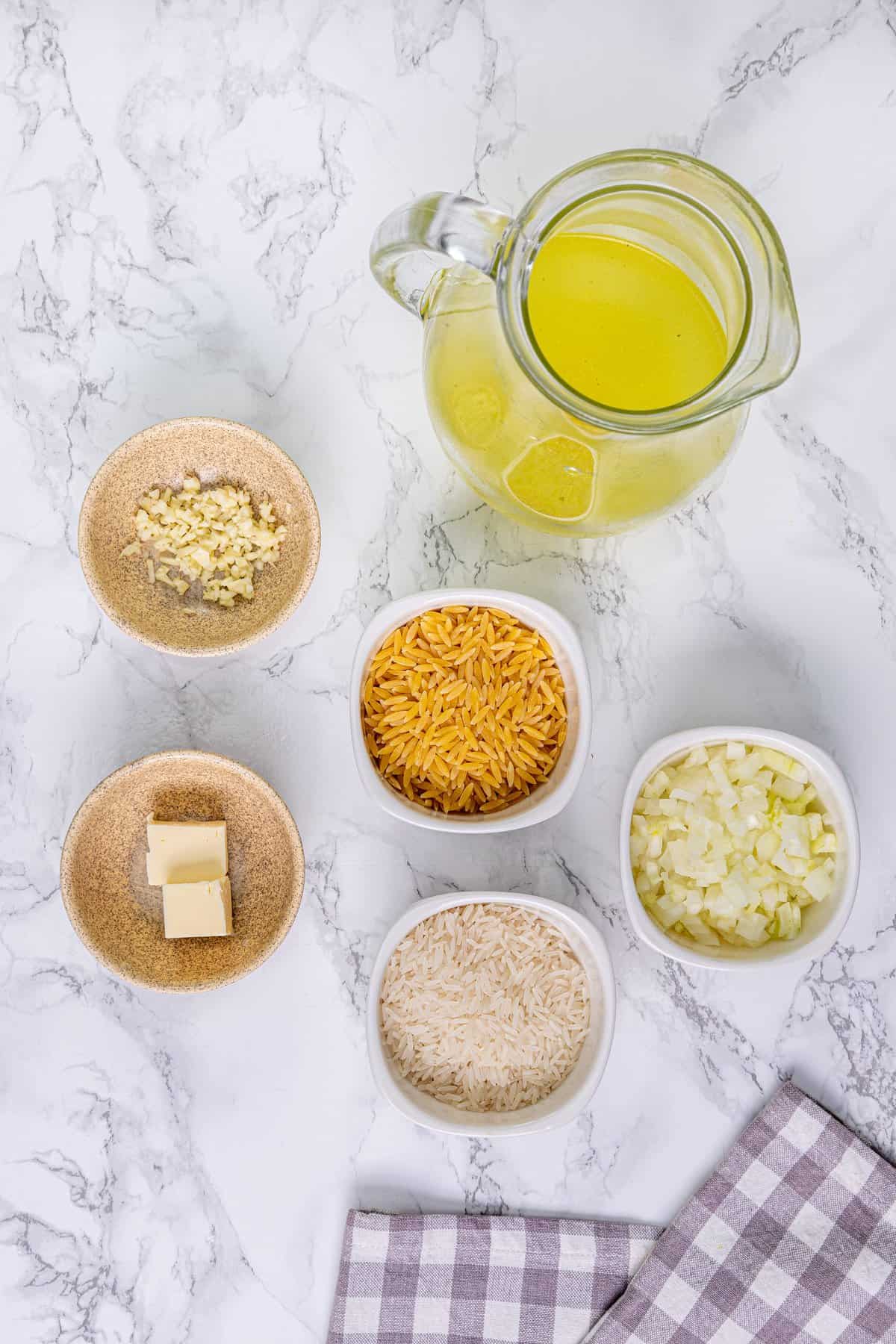
- 2 tablespoons unsalted butter
- ½ cup orzo pasta
- ½ cup onion diced
- 2 cloves garlic minced
- ½ cup white rice uncooked
- 2 cups low-sodium chicken broth
Instructions
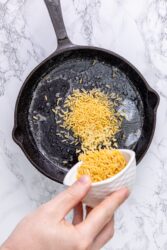
- In a skillet over medium-low heat, melt the butter. Add the orzo and cook, stirring frequently, until it turns a golden brown color.
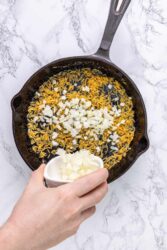
- Mix in the diced onion with the orzo and continue to cook until the onion is translucent and soft.
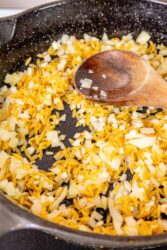
- Add the minced garlic to the skillet and cook for 1 minute, just until fragrant, to avoid burning.
- Stir in the uncooked white rice and pour in the chicken broth. Increase the heat to bring the mixture to a boil.
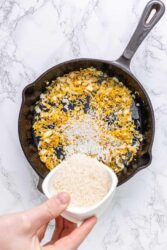
- Once boiling, reduce the heat to medium-low, cover the skillet, and let it simmer. Cook until the rice is tender and all the liquid has been absorbed, about 20 to 25 minutes.
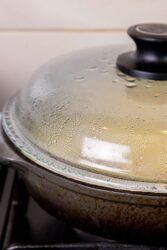
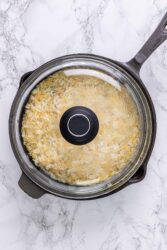
- Remove the skillet from the heat and let it stand covered for 5 minutes to finish the cooking process with residual heat.
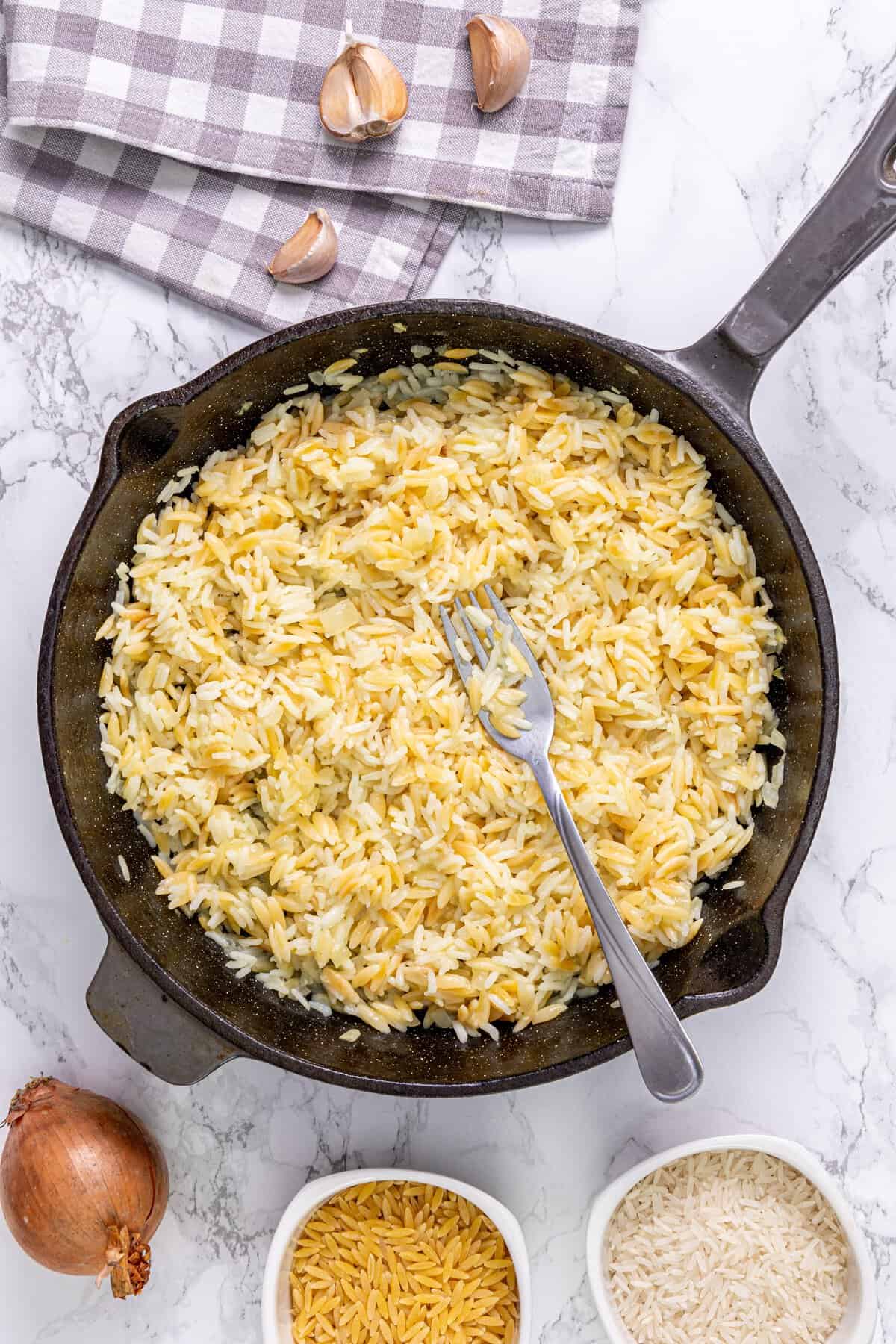
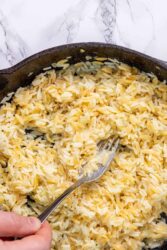
- Fluff the rice pilaf with a fork to separate the grains before serving, ensuring a light and fluffy texture. Serve immediately.
Nutrition Info:
Nutrition information are estimates only and may vary based on the specific brands, ingredients, and portion sizes you use. This data is provided for informational purposes only.



Leave a Comment