

A versatile and aromatic spice blend perfect for crafting pickles with vibrant, tangy flavors.
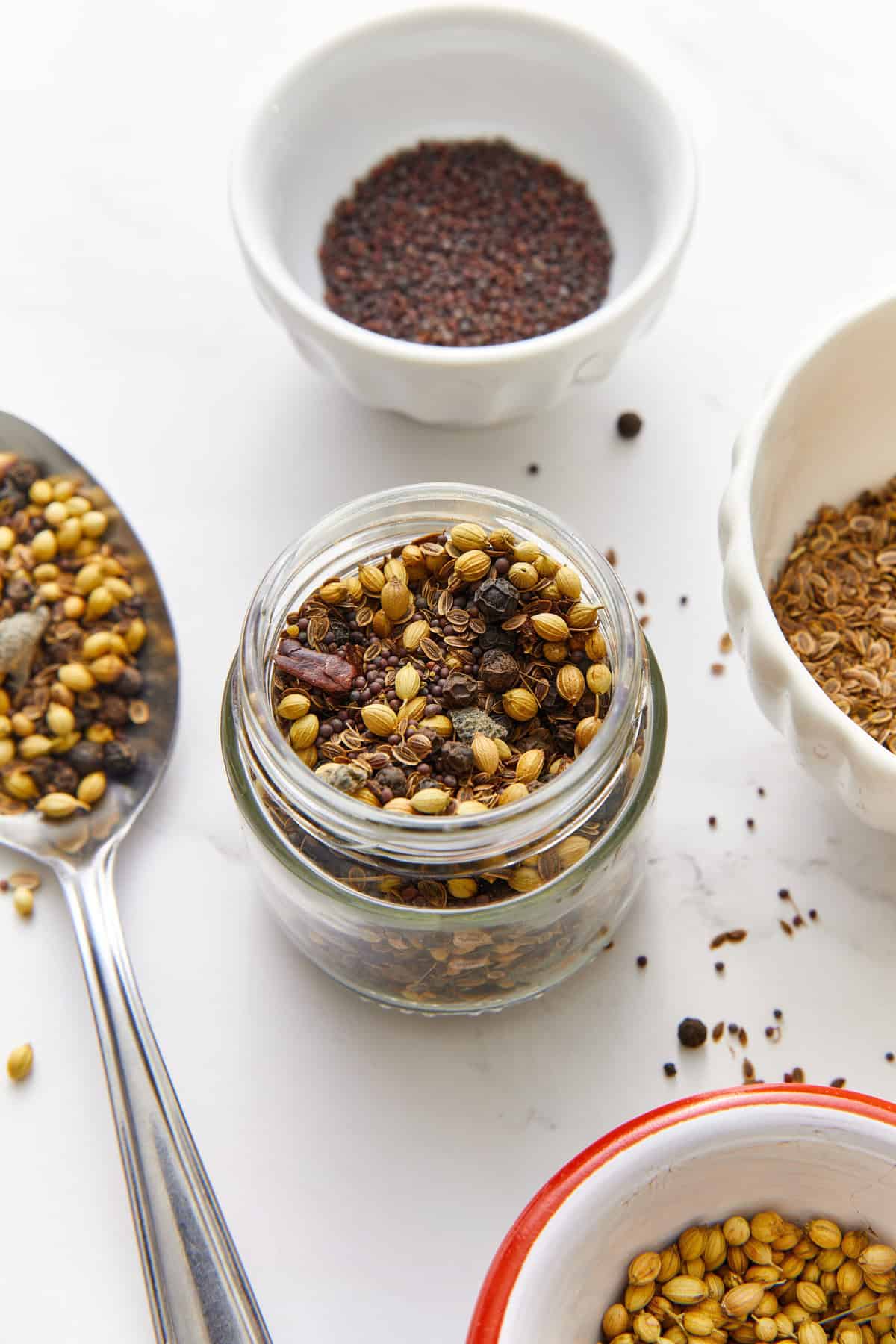
While it’s easy to run to the store and pick up a jar of ready-made pickling spice, there is so much more joy in creating your own blend! I only recently started making my own pickling spice blends, but ever since, my pickled veggies have been even more delicious. I’ve never been a fan of aniseed, and it’s always in store-bought blends. Now, with this recipe, I control the ingredients!
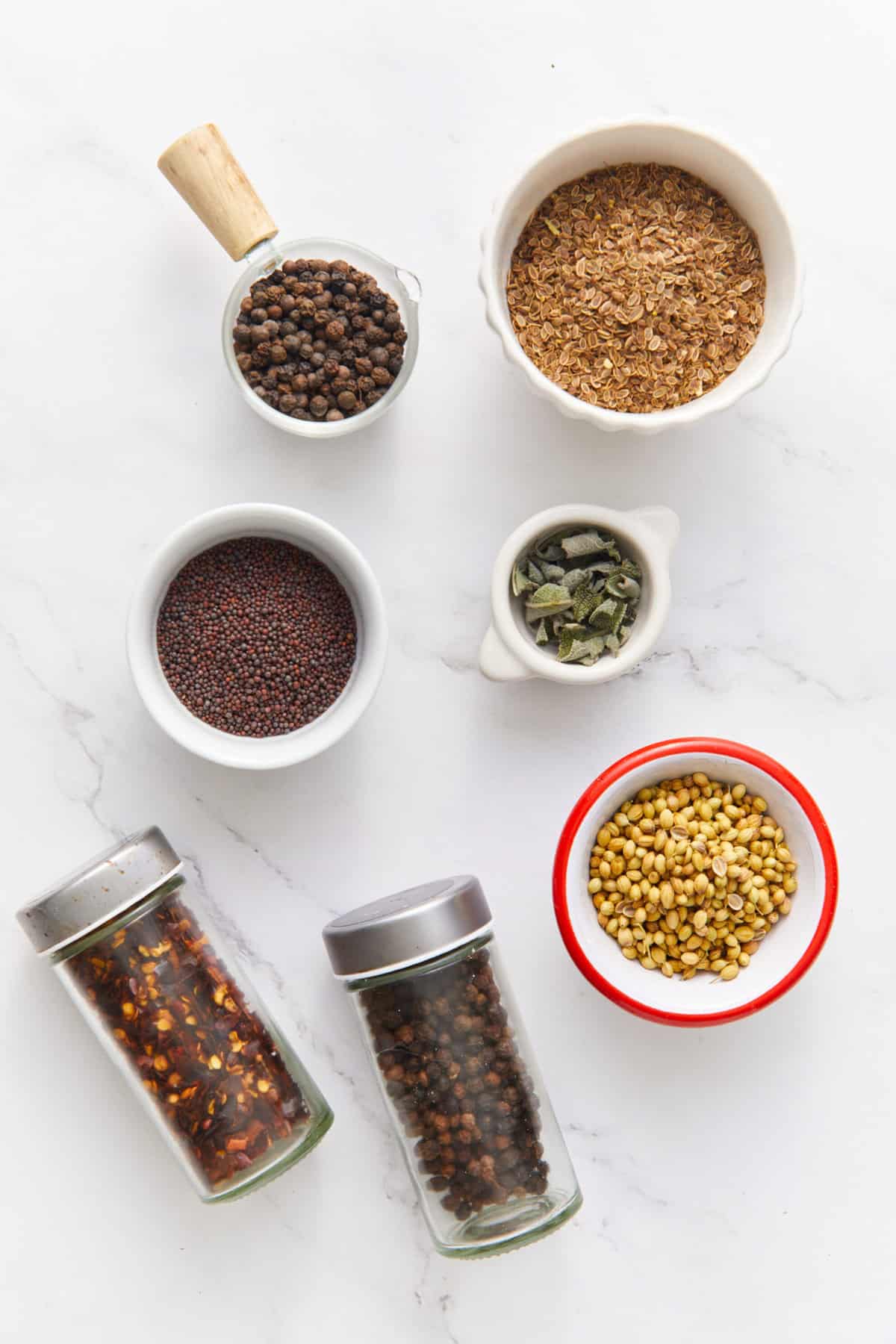
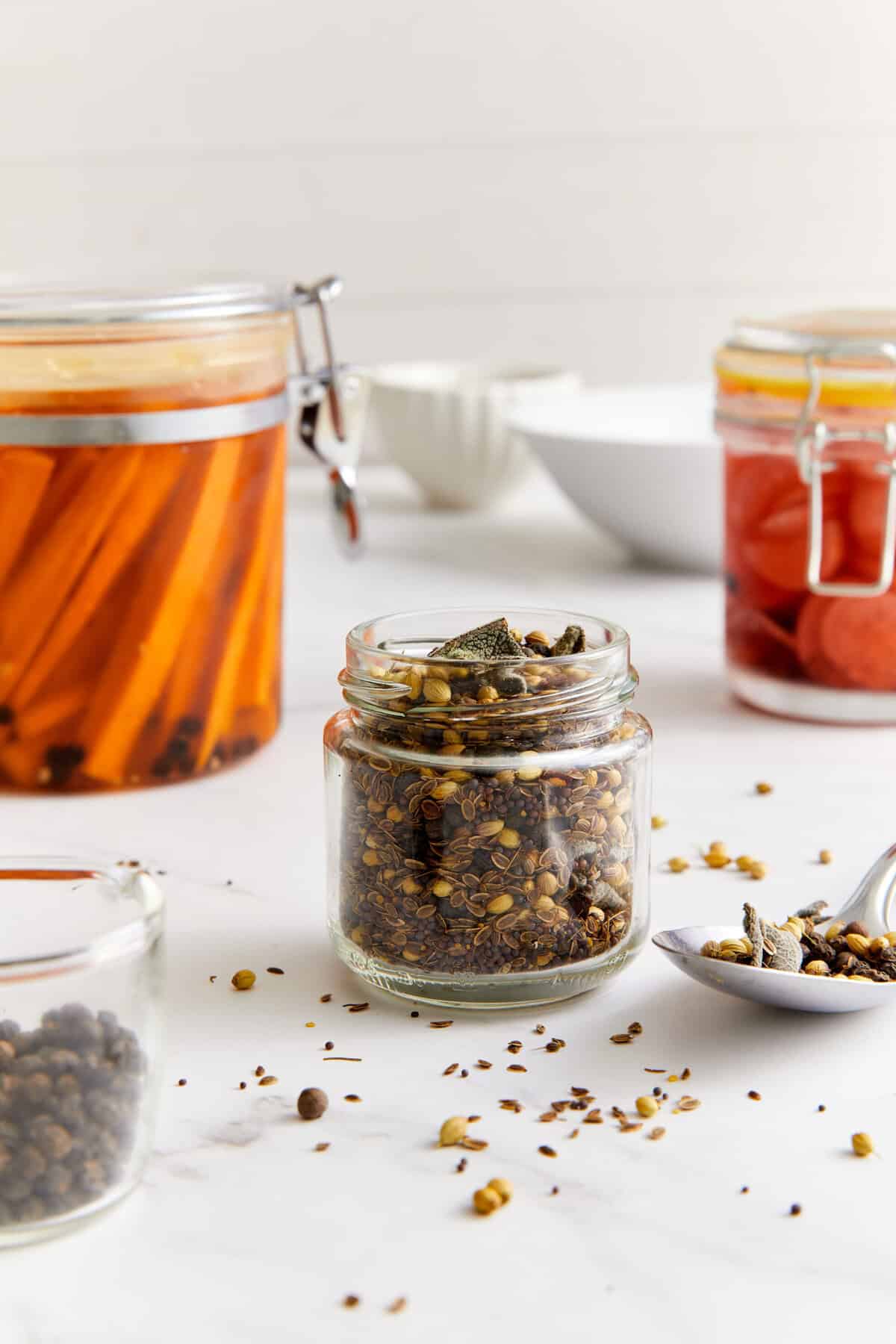
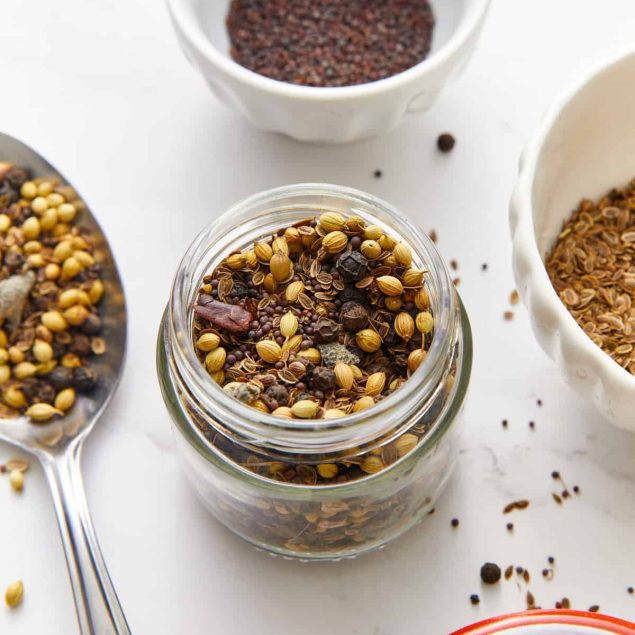
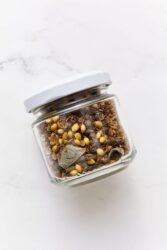
This homemade pickling spice is your key to crafting pickled creations bursting with bold, aromatic flavors. With a blend of mustard seeds, black peppercorns, coriander, dill, allspice, and a hint of heat from red pepper flakes, this recipe delivers a balance of tangy, earthy, and spicy notes.
Whether you’re brining cucumbers for classic pickles or experimenting with pickled fruits, this spice blend enhances every bite with its vibrant taste. The recipe is easy to make, endlessly customizable, and perfect for both novice and seasoned cooks who want to elevate their pickling game.
Is This Homemade Pickling Spice Healthy?
The ingredients in this pickling spice are all-natural and packed with benefits. Mustard seeds and coriander are known for their digestive properties, while dill seeds have been traditionally used to support gut health. The absence of additives or preservatives makes it a wholesome alternative to store-bought blends.
If you’d like to make this recipe even healthier, consider adding dried herbs like dill, thyme, or rosemary for added flavor and nutrients. This spice blend is naturally low in calories and free of sodium, allowing you to control the salt content in your pickling process.
What To Pickle With Your Pickling Spice
This spice blend is your passport to a world of pickling possibilities! From crispy cucumbers to tangy green tomatoes, the options are endless. You can use it to pickle vegetables like carrots, cauliflower, and beets, which are staples in Middle Eastern and Mediterranean cuisines. Try it with onions or cabbage to create condiments reminiscent of German sauerkraut or Korean kimchi.
Looking for something unique? Pickle watermelon rinds, a cherished Southern U.S. tradition, or experiment with okra, a favorite in West African cuisine. In Indian cooking, pickled mangoes (achaar) benefit from a bold spice mix like this, while Japanese tsukemono (pickled vegetables) offer a subtler, refreshing flavor profile.
How To Make Ahead And Store
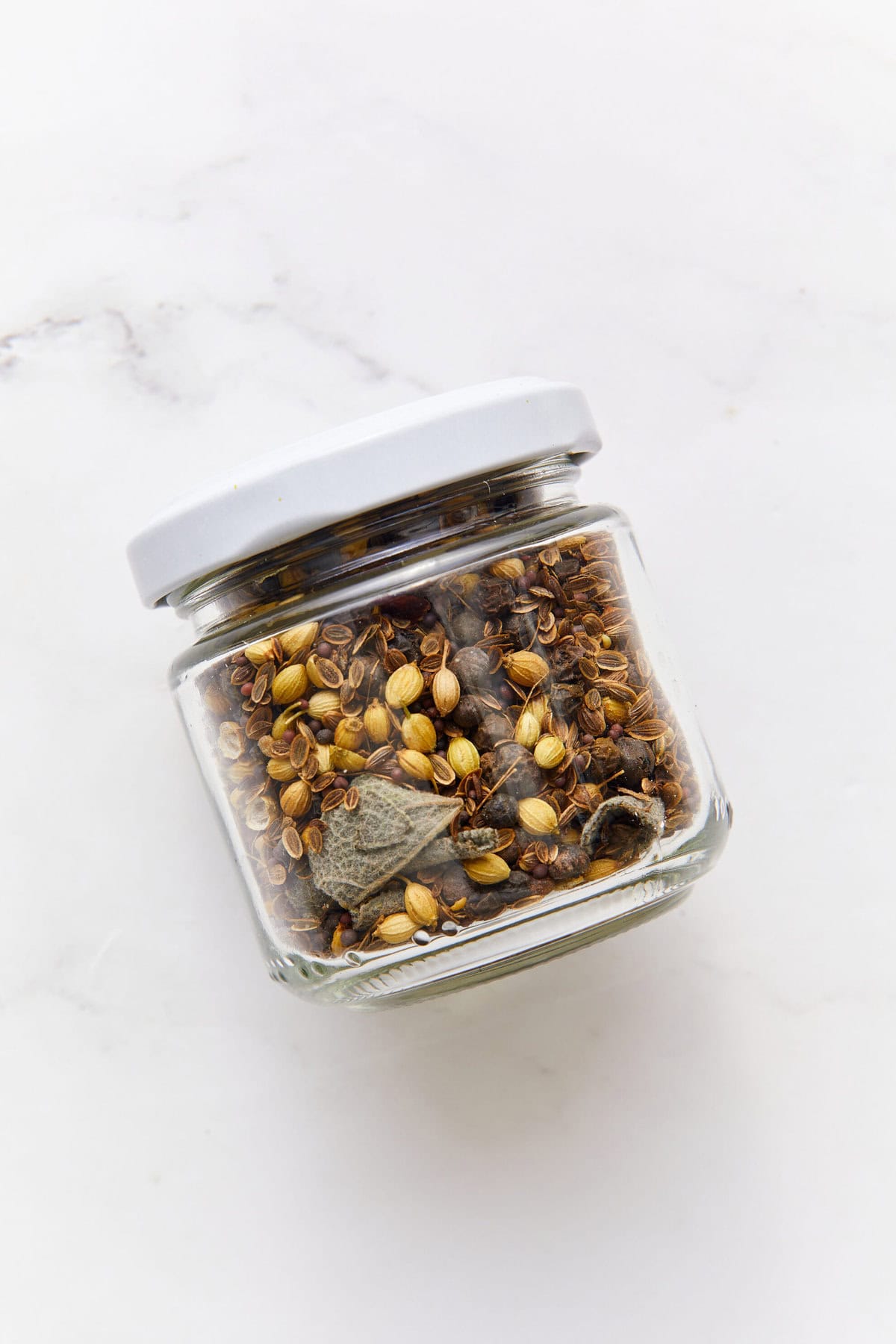
This pickling spice is best stored in an airtight container in a cool, dry place, such as a pantry. For the best flavor, use this blend within 6 months. After that, the spices may lose potency but will still be safe to use. Freezing isn’t necessary but can help retain freshness for longer.
Serving Suggestions
If you’re wondering what to use your pickling spice for, there are plenty of pickling recipes available here on FFF! For the classics, try making your own Pickled Shallots, Pickled Jalapeños, or Quick-Pickled Zucchini to serve up with your favorite meals.
For your next mezze platter, try making your own Pickled Beets, Pickled Carrots, or Pickled Cherry Tomatoes to enjoy with your favorite flatbreads, falafel, and dips.
Top your rice bowls or ramen bowls with plenty of Pickled Turnips, Korean Pickled Cucumbers (Oi Muchim), Pickled Ginger, or Pickled Radish for a bright pop of flavor that will cut through heavier ingredients.
Ingredients
- 2 tablespoons mustard seeds
- 2 tablespoons black peppercorns
- 2 tablespoons coriander seeds
- 2 tablespoons dill seeds
- 1 tablespoon allspice berries
- 2 crumbled bay leaves
- 1 teaspoon red pepper flakes
Instructions
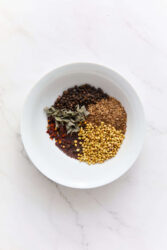
- Combine all ingredients in a bowl and mix thoroughly.
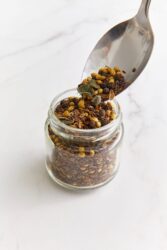
- Transfer the spice blend to an airtight container.
- Store in a cool, dry place and use within 6 months for best flavor.
Nutrition Info:
Nutrition information are estimates only and may vary based on the specific brands, ingredients, and portion sizes you use. This data is provided for informational purposes only.


Leave a Comment