

Bust out this sweet and earthy condiment for burgers, sandwiches, and more!
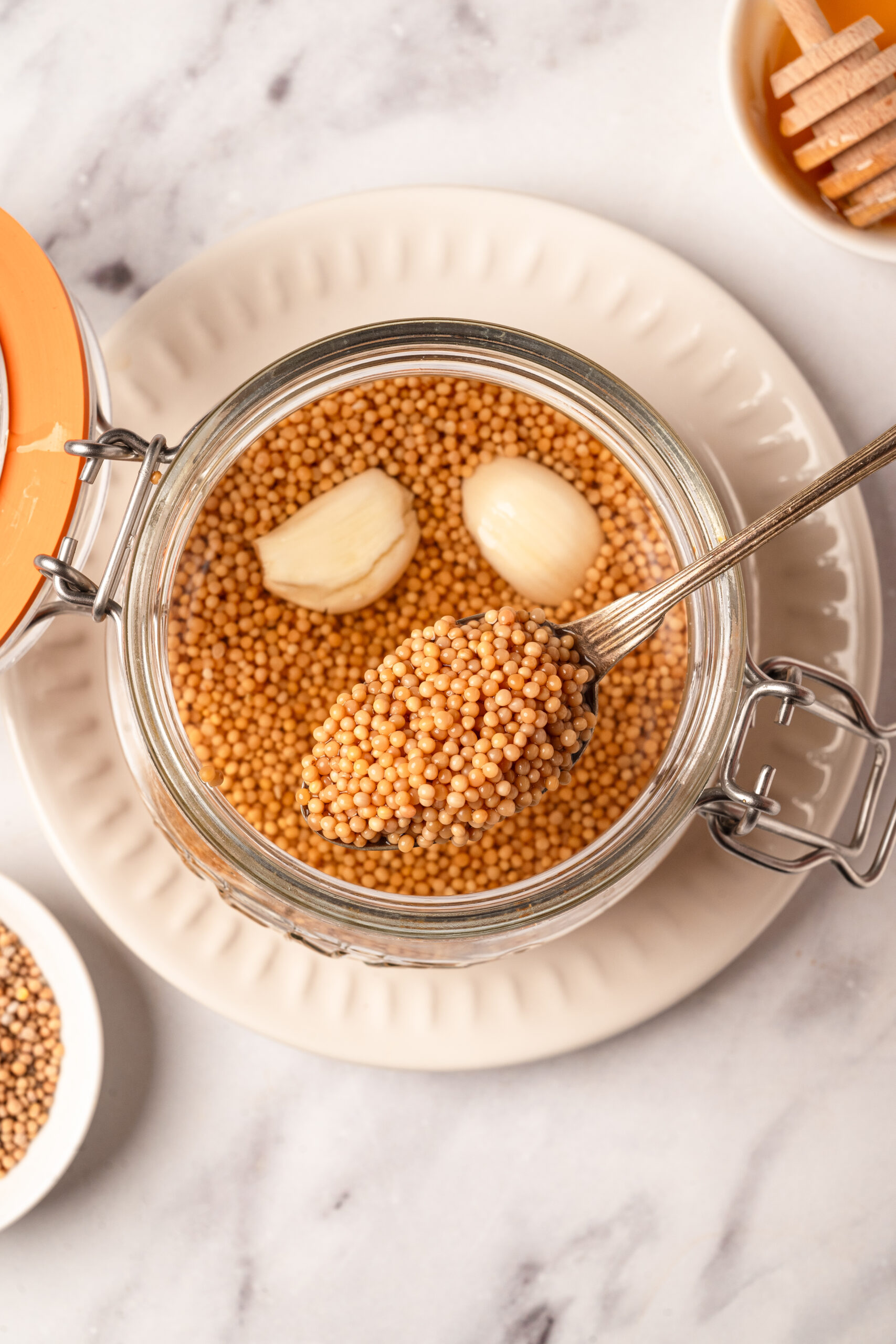
There’s a well-known saying that goes, “If you have faith the size of a mustard seed, then you can move mountains.” That’s a powerful statement, considering that mustard seeds are smaller than grains of rice! But it speaks to the pure potential of a seed. Inside its little, round body rests a cornucopia of everything it needs to form a flourishing plant.
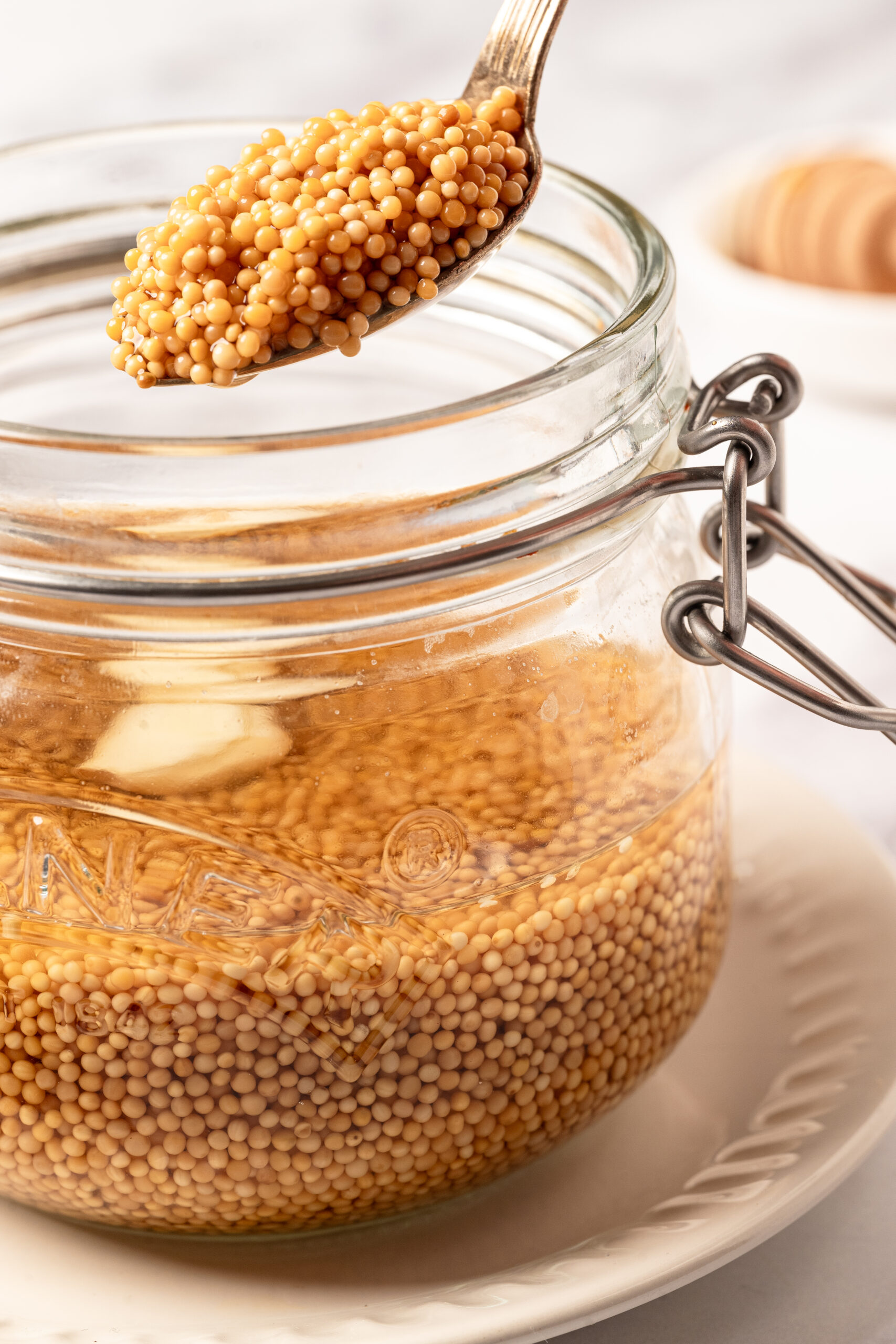
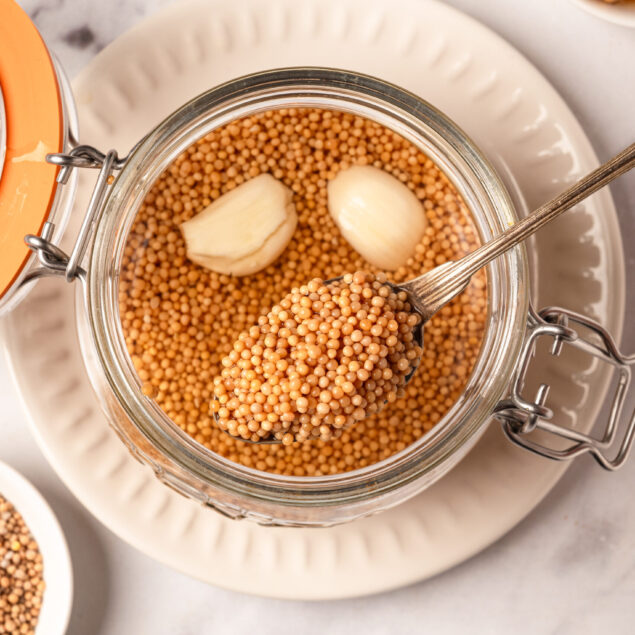
Not only are mustard seeds packed with potential for growth—they’re also full of flavor, especially when you pickle them in vinegar. Soaked in white wine vinegar, honey, and garlic, my pickled mustard seeds make an amazing spread on burgers or sandwiches. They can also be used as a garnish or flavor booster in dressings for your favorite salads. That’s why I’m bringing this recipe to the next family cookout, for a uniquely down-to-earth taste that can level up simple dishes.
With a slight satisfying crunch, these pickled mustard seeds pop in the mouth, making them as fun to eat as they are to make. And crafting this condiment is simple enough that anyone can do it, no matter their culinary skill.
Where do mustard seeds come from?
Mustard seeds have been cultivated since biblical times and beyond, with historians believing that they first originated in the Mediterranean region. From there, they supposedly spread through Europe, Africa, and Asia by various trade routes and conquering empires. The mustard plant flourishes so easily, you can even grow your own from mustard seeds bought in a grocery store. It just takes some care, patience, and fertile soil with full sun or partial shade. These plants prefer cooler temperatures, so consider planting them in the fall or spring for best results.
How do I store leftovers?
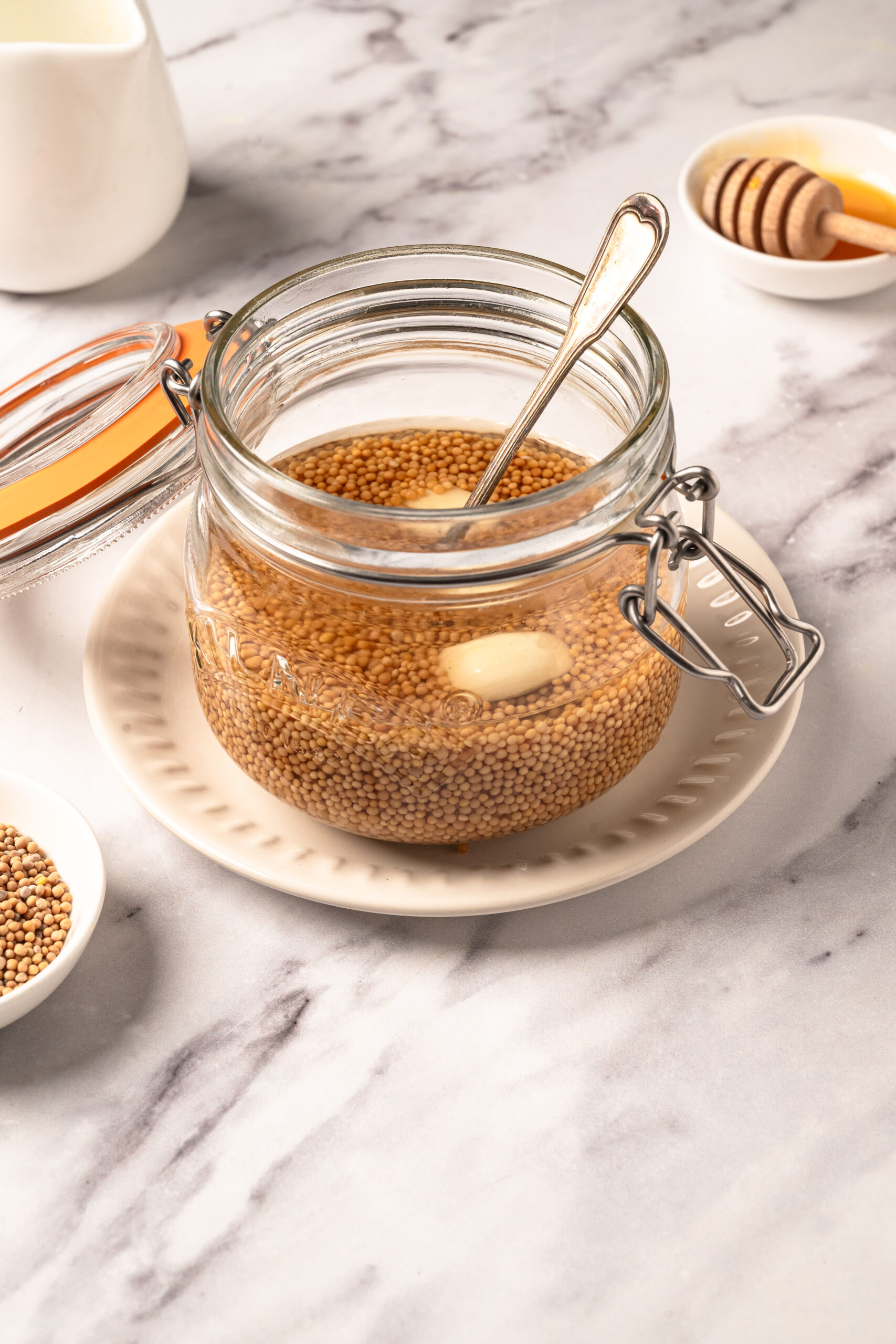
Once the mustard seeds are at room temperature, seal your jar with a lid and refrigerate for up to 2 months. In my opinion, pickled mustard seeds taste best starting around the 1-week mark, when the flavors have mingled for just the right amount of time. Keep your jar handy for any time you want to whip up some sandwiches, burgers, salads, or special sauces.
Serving suggestions
Speaking of sandwiches, burgers, salads, and special sauces—I have a whole slew of recipe recommendations you might like to experiment with. For a hand-held meal that tingles the taste buds, spread pickled mustard seeds on a Cheeseburger Wrap, Cubano Sandwich, or Bacon-Avocado Toast. But if it’s a bodacious bowl you’re craving, let me point you to this Green Salad, Mediterranean Quinoa Salad, or Air-Fryer Fish with Rice Cooker Brown Rice. Who knew such a unique topping could be so versatile?
Ingredients
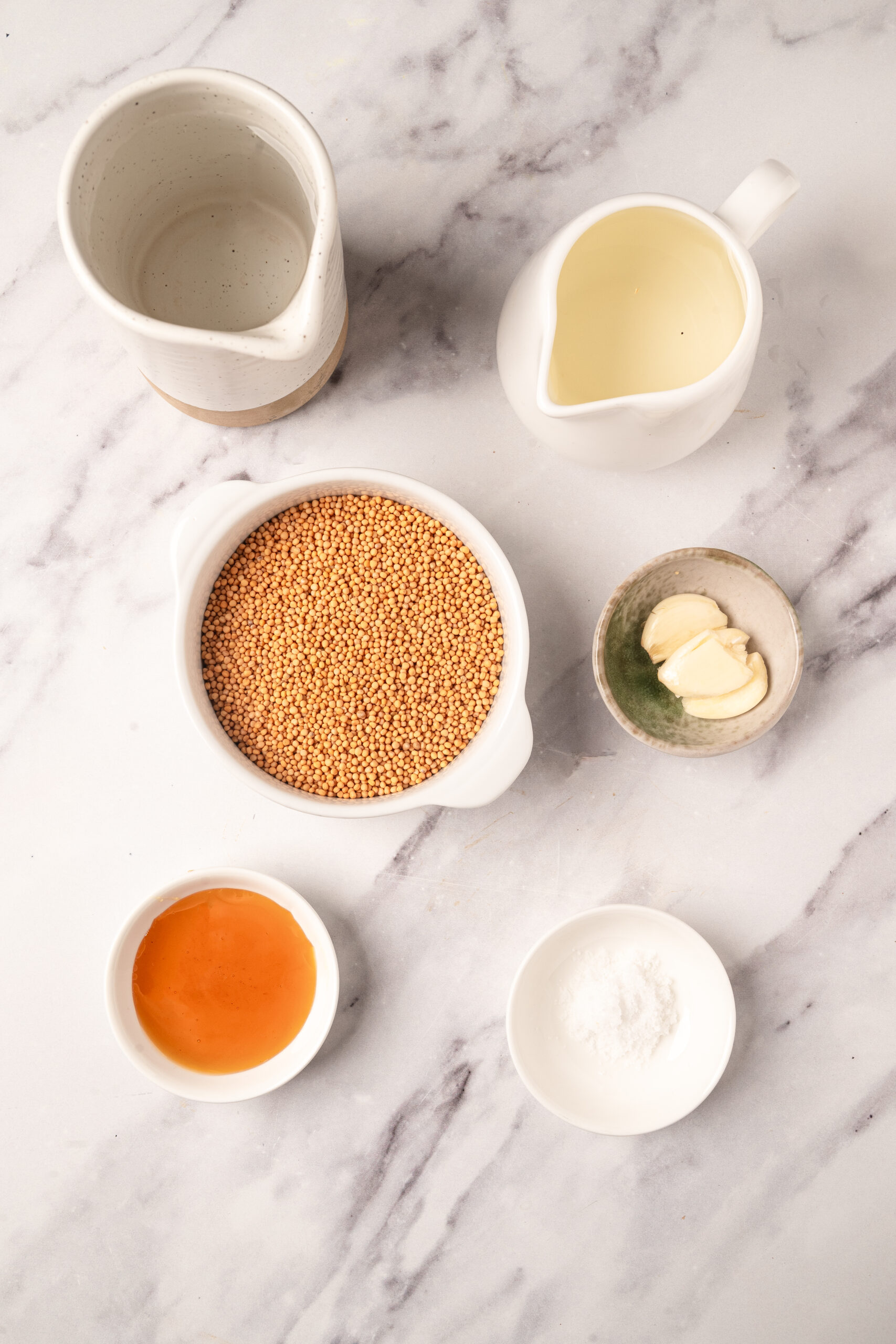
- 1 cup white wine vinegar
- 2 1/2 tablespoons honey
- 1 teaspoon kosher salt
- 4 ounces yellow mustard seeds
- Water for blanching seeds
- 2 cloves garlic peeled and lightly smashed, optional
Instructions
- In a small saucepan, combine the white wine vinegar, honey, and kosher salt. Bring the mixture to a boil over medium-high heat. Once boiling, reduce the heat and let it simmer for about 5 minutes, stirring until the honey and salt are dissolved.
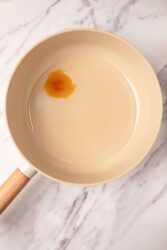
- In a separate medium saucepan, combine the mustard seeds with enough water to completely cover them (approximately 1 cup). Bring the mixture to a boil over medium-high heat and allow it to boil for 2 minutes.
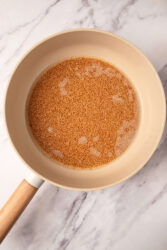
- Use a fine-mesh strainer to drain the seeds. Repeat this process until the discarded water no longer has a bitter taste, which may take between 3 to 6 times.
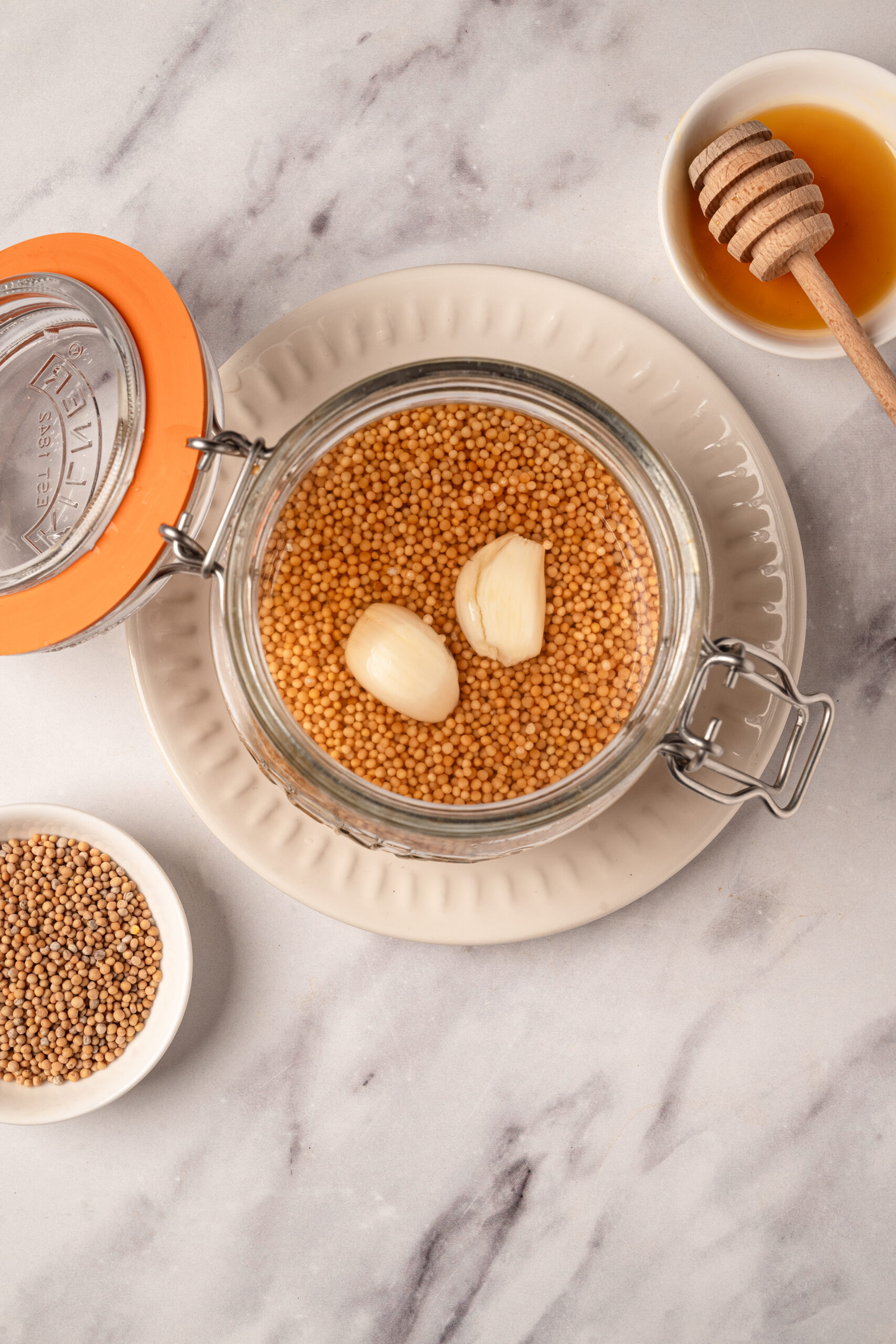
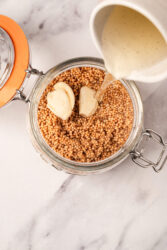
- Place the drained mustard seeds into a clean glass jar. If using garlic, add the lightly smashed garlic cloves to the jar.
- Pour the hot brine over the mustard seeds (and garlic) in the jar, ensuring the seeds are fully covered. Allow the jar to cool to room temperature, about 30 minutes. Once cooled, seal the jar with a lid and refrigerate. The pickled mustard seeds can be used after a few hours and will keep for up to 2 months.
Nutrition Info:
Nutrition information are estimates only and may vary based on the specific brands, ingredients, and portion sizes you use. This data is provided for informational purposes only.


Leave a Comment