

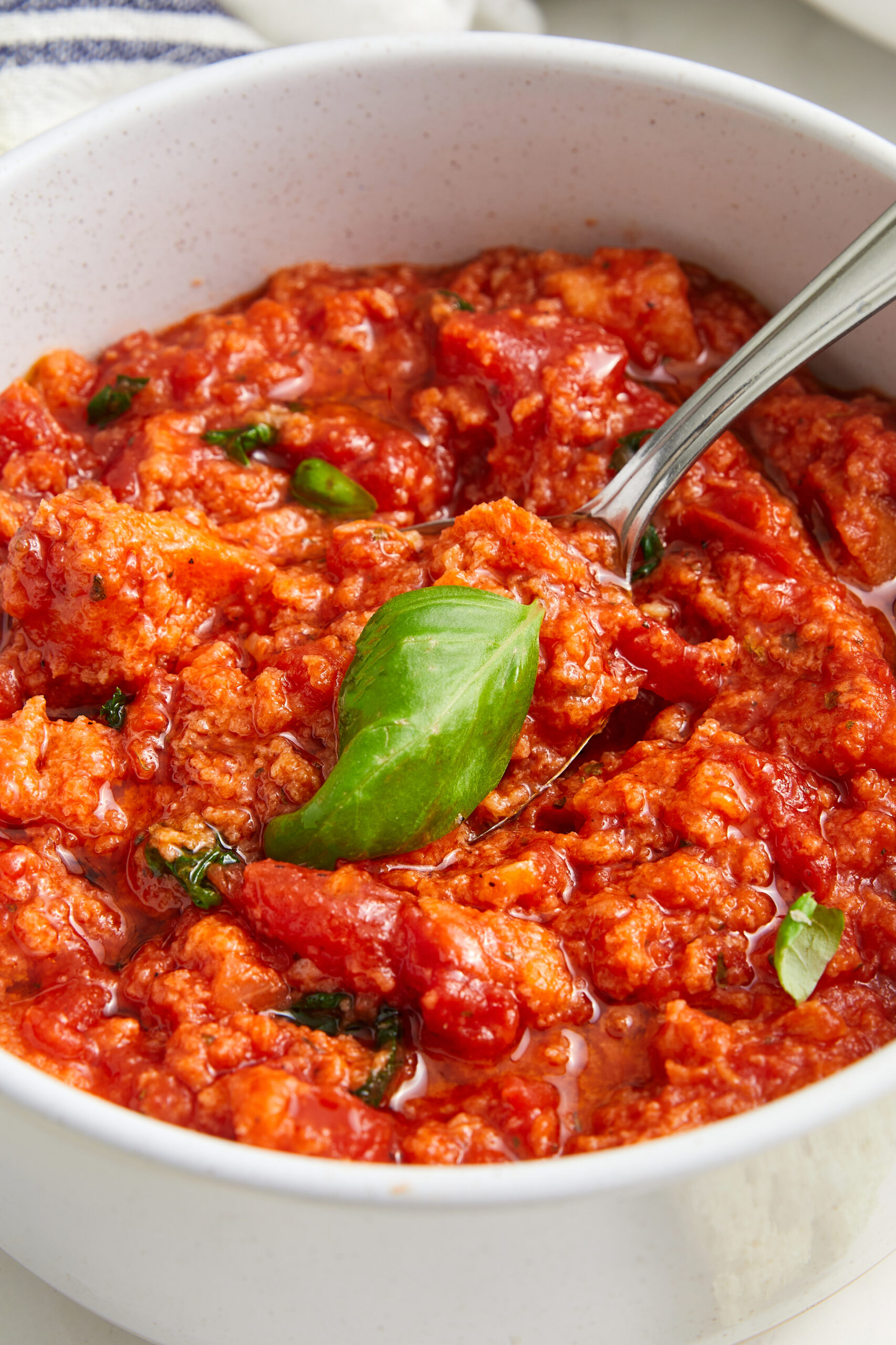
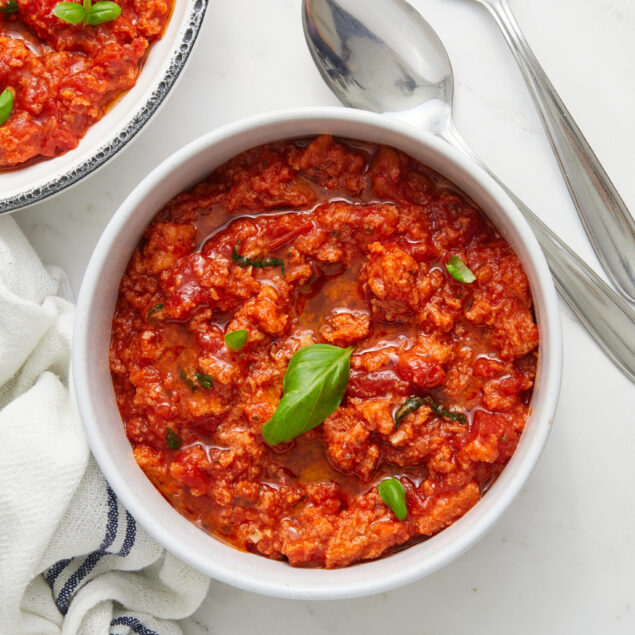
Transport yourself to the rolling hills of Tuscany by making this delicious Pappa al Pomodoro recipe!
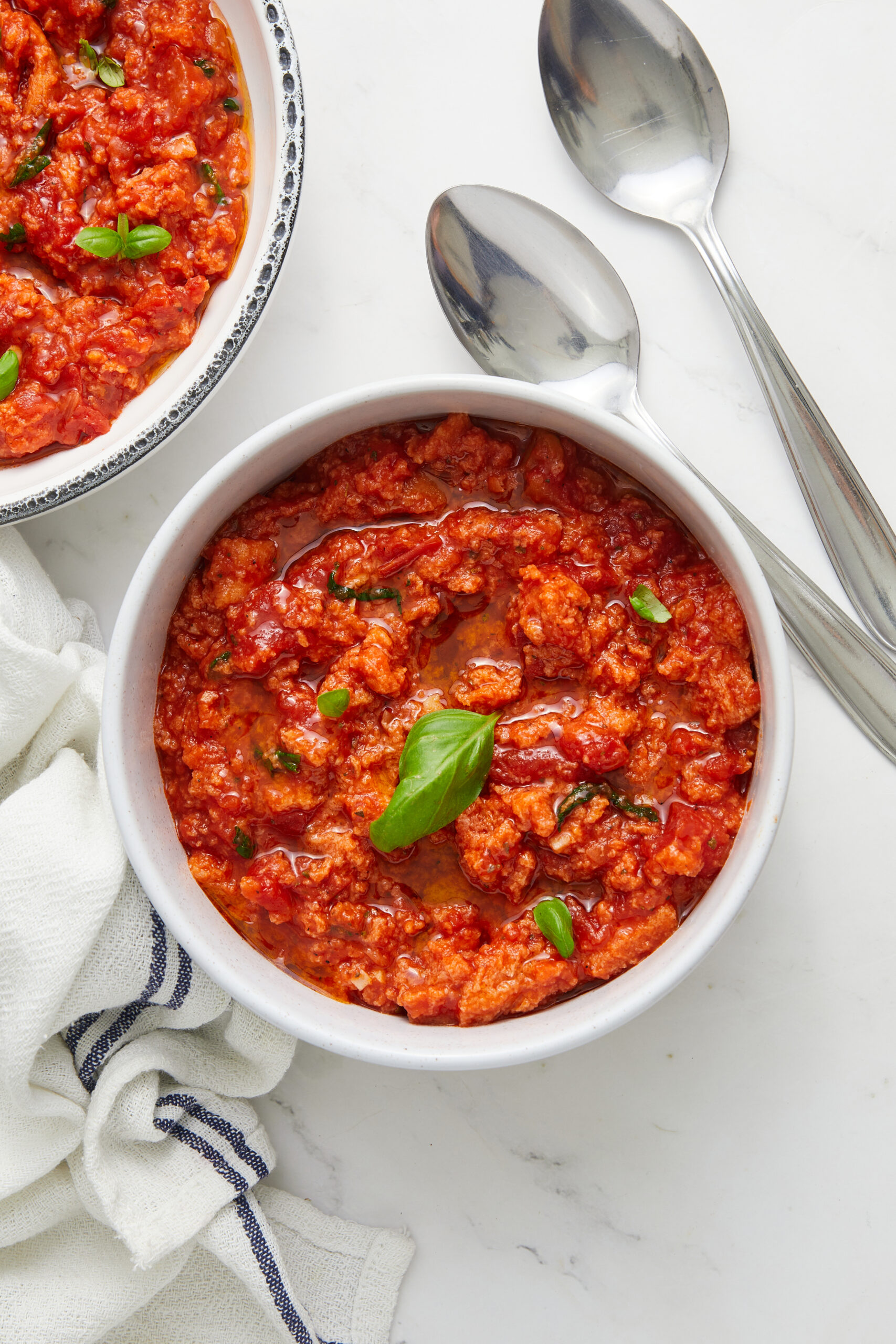
In Italian, cucina povera means “poor cuisine,” and pappa al pomodoro stands as its quintessential illustration. It’s a simple and rustic dish that utilizes readily available and inexpensive ingredients, specifically stale bread and fresh tomatoes. When I attended culinary school in Florence, Italy, pappa al pomodoro was one of the first dishes I prepared. It quickly became a foundational lesson in cucina povera, teaching me how minimal ingredients could transform into a meal that’s deeply comforting. My pappa al pomodoro recipe is a great way to get yourself familiar with basic cooking techniques, perfect for building confidence in the kitchen while creating a genuinely delicious meal.
I love that you can enjoy pappa al pomodoro either hot or cold. At restaurants in the ancient Tuscan city of Siena, it’s common to be served cold pappa al pomodoro with peppery extra-virgin olive oil as an appetizer. When served cool, the rich tomato flavor is less muted by the heat, allowing for the umami, savory notes of the tomato to shine through. Additionally, the extra-virgin olive oil adds a lovely, sharp flavor, giving it a refreshing, vibrant taste. This pappa al pomodoro recipe offers a wonderful way to discover the delicious essence of simplicity and Italian cuisine.
How do I incorporate protein?
There are numerous ways to boost the protein content of pappa al pomodoro. In Italy, it is typical to garnish each bowl with crispy pancetta, sausage, or guanciale. Personally, I love adding a can of rinsed cannellini beans or red lentils for that Tuscan flair. Additionally, I always like to whisk in a few eggs at the end of the cooking process to enhance both protein and richness.
If you want to add meat that’s different from the garnishes outlined above, I recommend introducing lean, precooked meats that complement rather than overpower the delicious tomato flavor. Shredded rotisserie chicken breast or finely diced cooked ham would work great! Although this addition may deviate from tradition, it will result in a heartier and more substantial meal.
How do I store my leftovers?
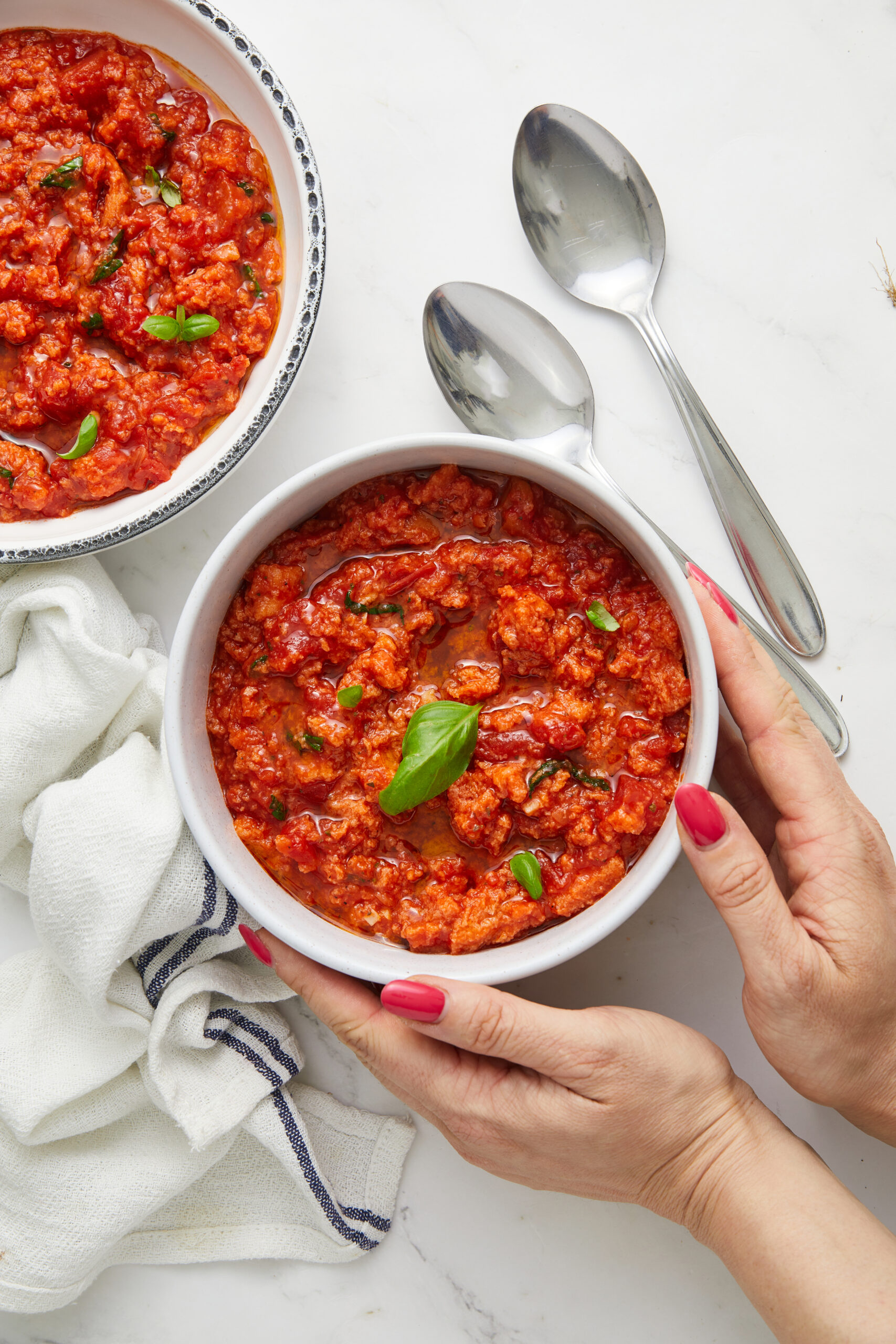
Once it’s fully cooled, you can store any leftovers in an airtight container in the refrigerator for up to 3 days. I also freeze it in freezer-safe containers for up to 2 months. Thaw overnight in the refrigerator and reheat on the stovetop until warm.
Serving suggestions
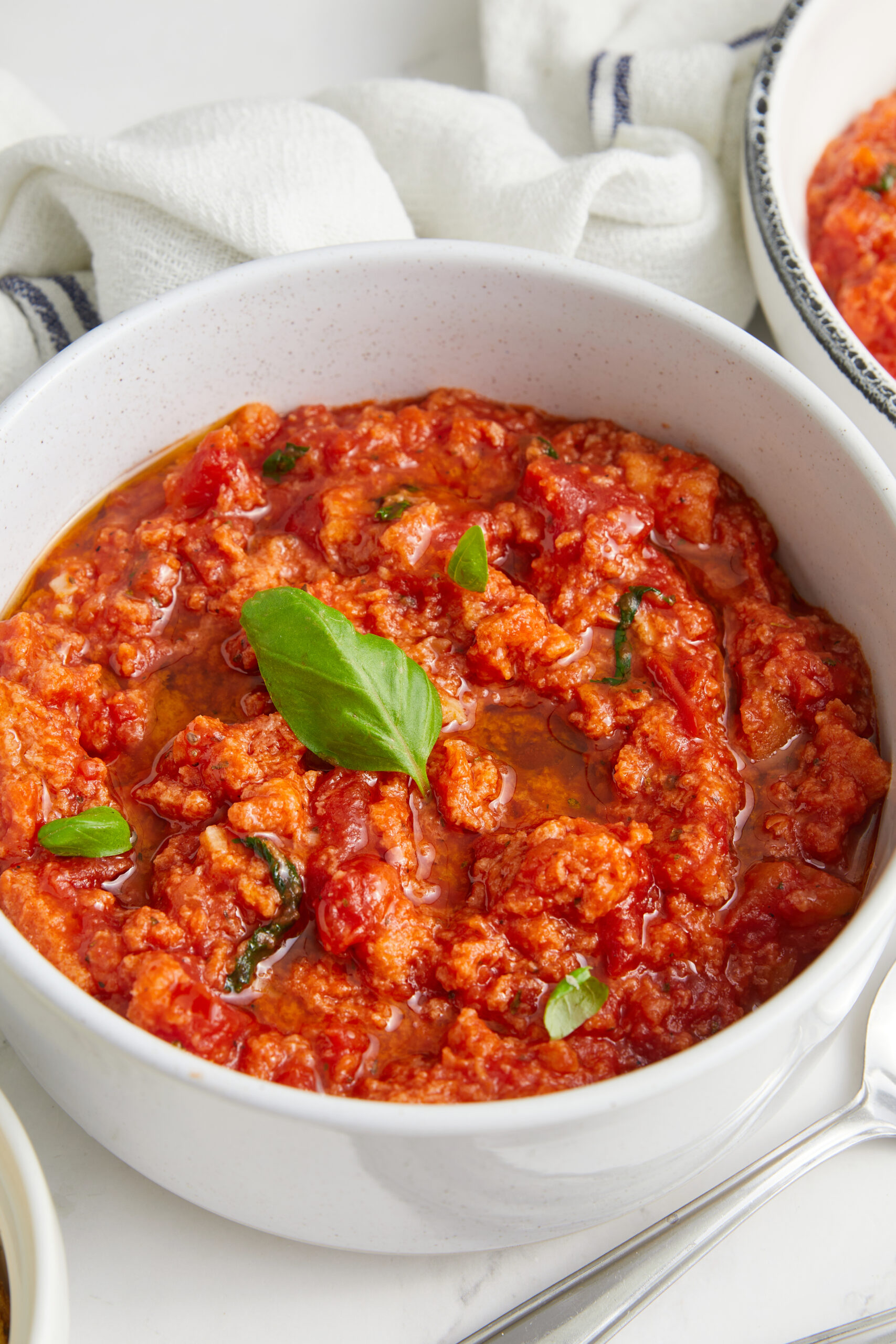
I love to garnish my pappa al pomodoro with freshly shaved pecorino cheese! My mother-in-law would often pair this dish with either steamed Instant-Pot Artichokes and a plate of this succulent Honey-Lemon Chicken or this juicy Baked Pork Tenderloin. If artichokes aren’t really your favorite vegetable, you can also serve them alongside some Roasted Brussels Sprouts or this Garlic Sautéed Spinach recipe.
Ingredients
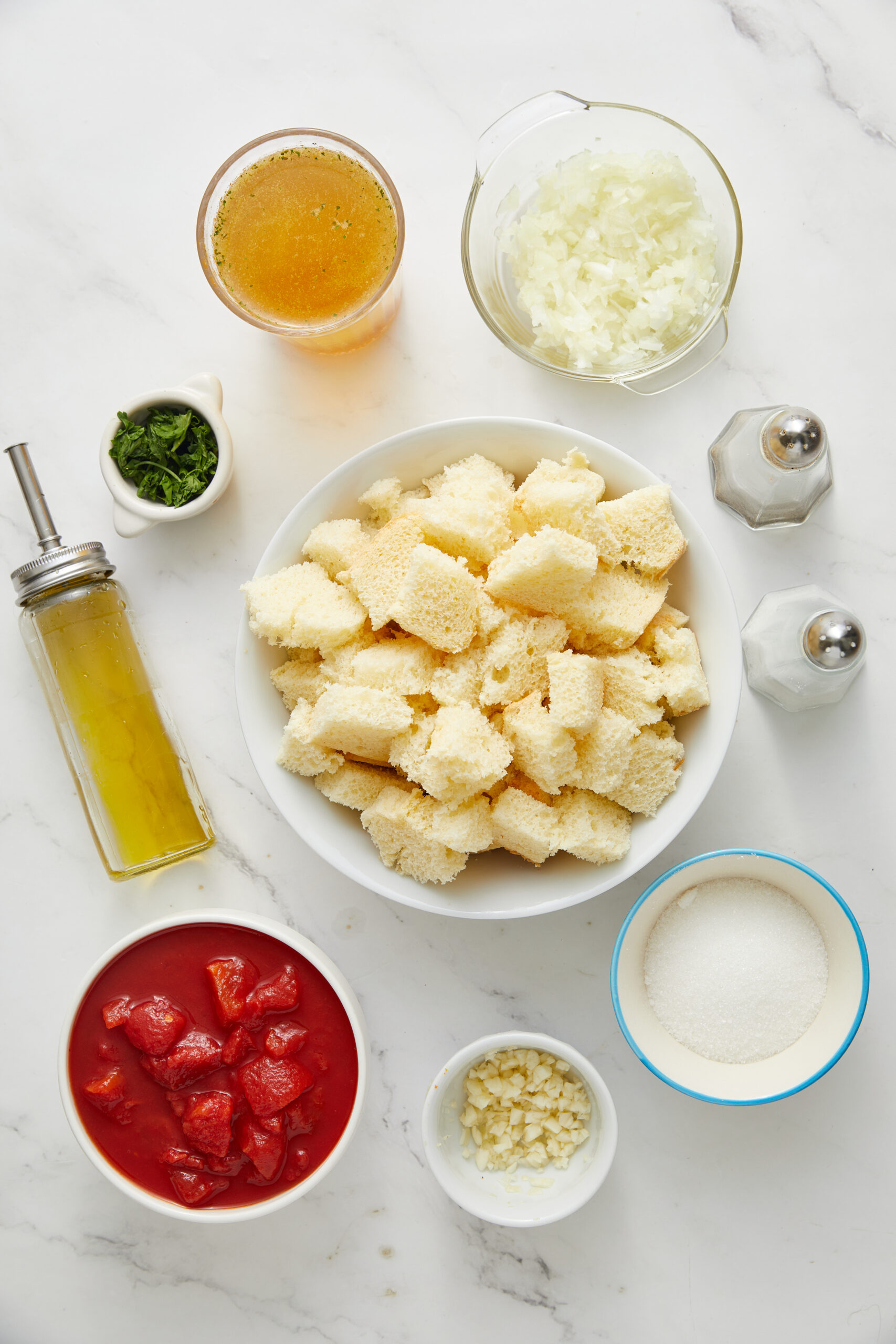
- 1 1/2 tablespoons extra-virgin olive oil plus extra, for drizzling
- 3 medium garlic cloves finely chopped
- 1 small yellow onion diced
- Pinch of salt optional
- 2 cups chicken or vegetable stock
- 1 can crushed tomatoes with juice (28 ounces)
- 3/4 teaspoon sugar optional
- 6 ounces rustic bread day-old or fresh, crust removed, torn into 1-inch pieces
- 1 large handful fresh basil leaves torn, plus more for garnish
- Freshly ground black pepper to taste
Instructions
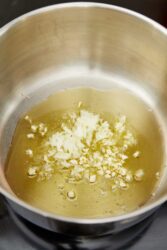
- Heat the olive oil in a large saucepan over medium heat. Add the garlic and onion along with a pinch of salt if using, and cook until the onion is soft, about 5 minutes.
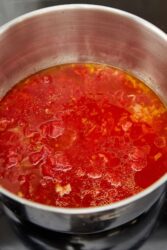
- Pour in the stock and add the crushed tomatoes with their juices. Add sugar if using. Bring to a boil, then reduce the heat and let it simmer gently for 20-30 minutes, stirring occasionally.
- Turn off the heat. Stir in the torn bread and basil leaves, pressing the bread into the liquid to create a thick, porridge-like texture.
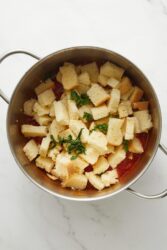
- Season with salt and pepper to taste, let the mixture sit for 20 minutes, then whisk or stir vigorously. Garnish with extra olive oil and basil leaves on top before serving.
Nutrition Info:
Nutrition information are estimates only and may vary based on the specific brands, ingredients, and portion sizes you use. This data is provided for informational purposes only.


Leave a Comment