

Embrace New Orleans tradition with this soft, sesame-topped Muffuletta Bread—perfect for hearty sandwiches or solo snacking!

Craving a new bread to elevate your next sandwich? Meet the muffuletta. Originally a Sicilian round loaf with a golden crust and sesame seeds, it gained fame around 1906 when Sicilian immigrant and baker Salvatore Lupo—owner of Central Grocery in New Orleans—started layering local meats, cheeses, and a signature olive salad, in muffuletta bread. That hearty combo quickly won over the city and became an iconic Southern favorite.
Muffuletta bread’s soft, spongy texture can handle just about any filling, from pulled pork to turkey burgers to grilled veggies. Still, the classic way to enjoy it is with ham, salami, mortadella, provolone cheese, Swiss cheese and olive dressing—some would say it’s as beloved in New Orleans as the Philly cheesesteak is in Philadelphia. With so many gems in our country’s diverse culinary landscape, muffuletta is definitely one worth savoring.
Is Muffuletta Bread Healthy?
Generally, bread isn’t considered the healthiest food (especially for gluten-free folk) because it’s carb-heavy. That being said, I always vouch for homemade bread because you can ensure that there are no added preservatives. Keep in mind, though, this means it will usually go bad faster than store-bought, which typically contain preservatives, so it’s a good idea to use your loaf as soon as possible.

Muffuletta’s New Orlean Origin
When I think of New Orleans, usually French culture comes to mind. But did you know that muffuletta is one of many delectable dishes that came from Sicilian immigrants in that area? By the late 1800s, large numbers of Sicilians were settling in the city—especially around what’s now known as the French Quarter. If you ever go to New Orleans, locals might recommend you visit Central Grocery, the Sicilian-owned deli where the muffuletta sandwich was born. But if you can’t make that trip, now you can enjoy some muffuletta bread at home!

How to make ahead and store
Wrap the muffuletta loaf in plastic wrap and it will last at room temperature for 2 to 3 days. This is definitely a bread that’s best enjoyed fresh, so eat it sooner rather than later. I don’t recommend freezing it.

Serving Suggestions
With a hearty texture similar to ciabatta or focaccia, there are many ways to use muffuletta bread. Tear it up and dip the pieces in Garlic-Infused Olive Oil for a simple yet satisfying snack. For a super simple vegetarian meal, make it Caprese-style, with layers of tomato, mozzarella cheese, and fresh basil drizzled with Balsamic Vinaigrette inside this fluffy bun. Some other great vegetarian options to serve this bread with are Falafel Burger or Vegan Meatloaf. For more succulent sandwich stuffings, try Ham Salad, Instant-Pot Meatballs, or thin slices of Air-Fryer Turkey Breast.


Ingredients
- 1 cup warm water 110°F
- 1 tablespoon granulated sugar
- 2 1/2 teaspoons active dry yeast
- 3 cups bread flour
- 1 1/4 teaspoons salt
- 2 tablespoons unsalted butter softened
- 1 egg beaten
- Sesame seeds for topping
Instructions
- Add warm water, sugar, and yeast to a small bowl. Let it sit for about 5 minutes or until foamy.
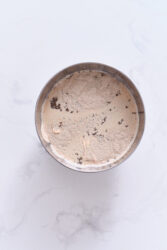
- In a large mixing bowl, combine bread flour and salt.
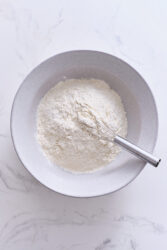
- Add unsalted butter and the activated yeast mixture to the flour. Mix using a dough hook on a stand mixer or knead by hand until the dough is smooth and pulls away from the sides of the bowl, about 7 minutes.
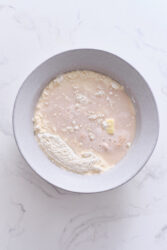
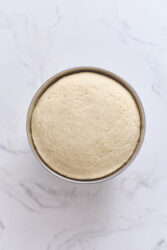
- Place the dough in a greased bowl, cover with plastic wrap, and let it rise in a warm place until doubled in size, about 1 1/2 hours.
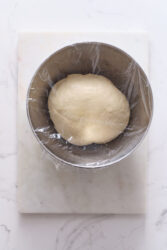
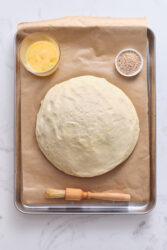
- Punch down the risen dough and shape it into a 10-inch round disc. Place on a parchment-lined baking sheet.
- Brush the dough with beaten egg and sprinkle sesame seeds evenly on top.
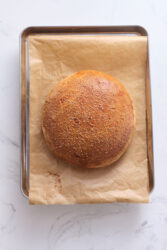
- Bake in a preheated oven at 375°F for 25-30 minutes or until golden brown. You can also give the loaf a light tap on the top – if it sounds hollow, it's done.
Nutrition Info:
Nutrition information are estimates only and may vary based on the specific brands, ingredients, and portion sizes you use. This data is provided for informational purposes only.


Leave a Comment