

In just a few minutes, whip up this classic and creamy Asian condiment that blends well with many different dishes.
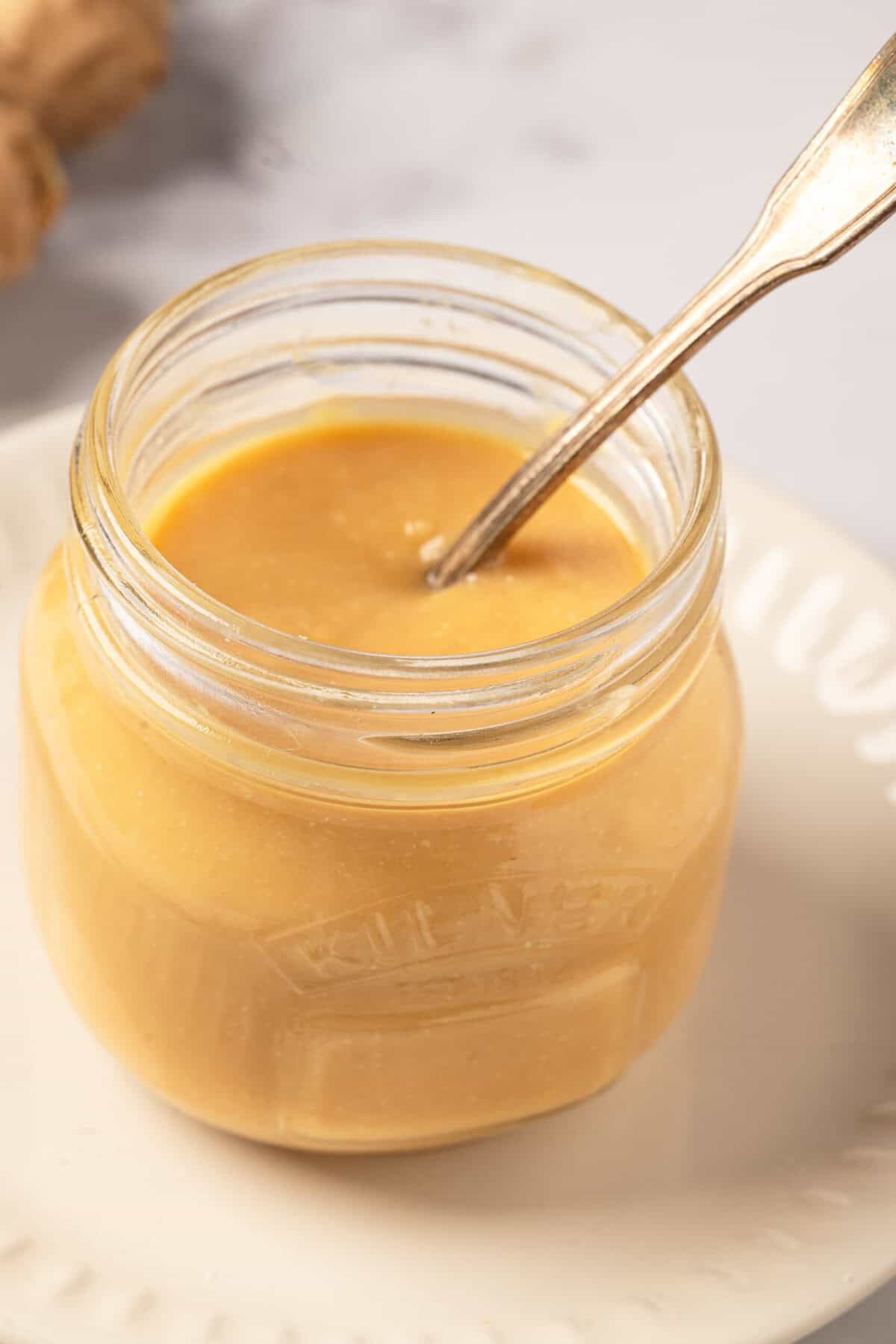
In high school, the type of restaurant my friends and I visited most frequently was hibachi—Japanese-style dining with performing chefs and an extensive menu selection. They gave us cute little dishes of dips for our stir-fried food, and while my friends always opted for traditional teriyaki, I went for miso sauce.
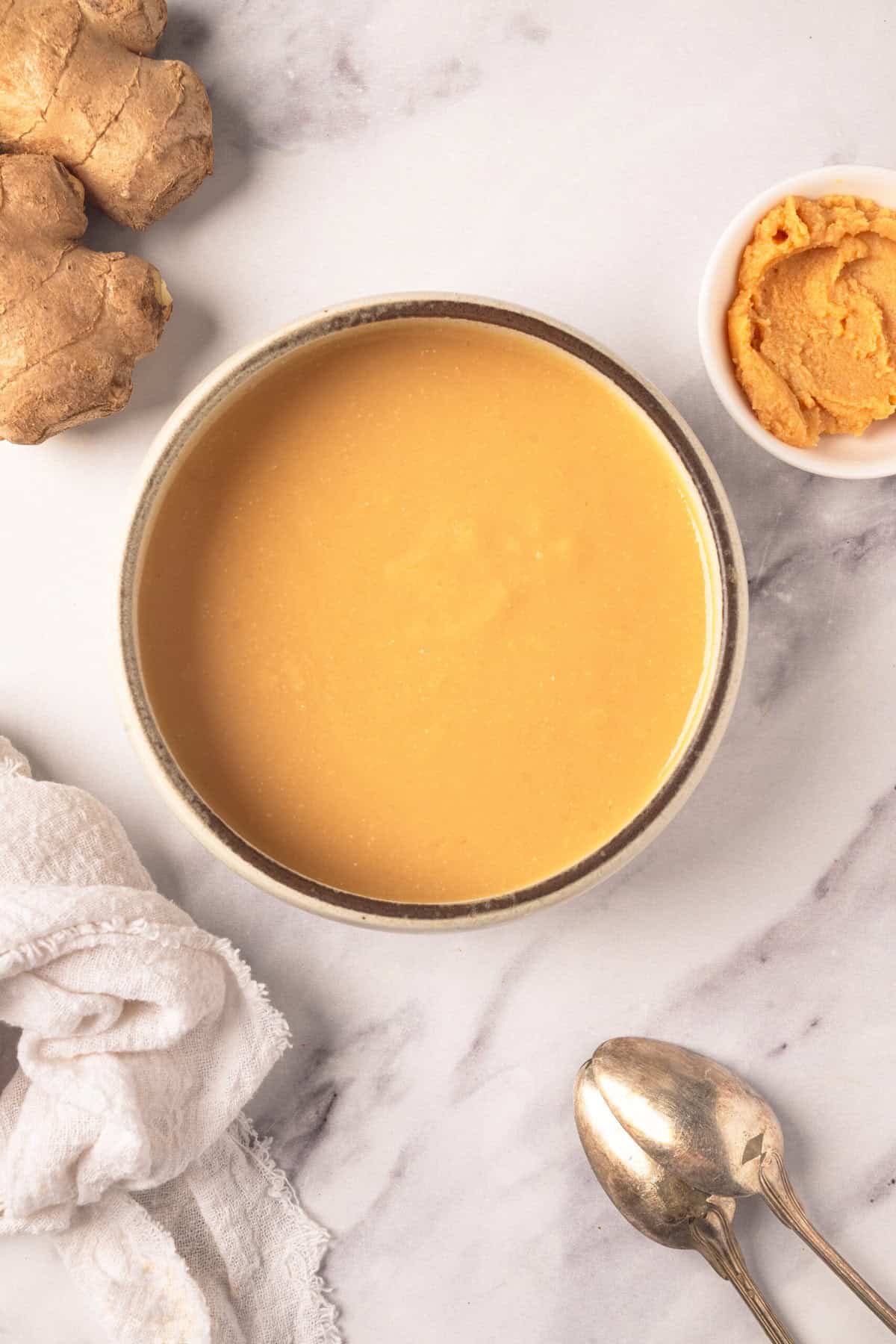
They could’ve called me “Miss Miso,” that’s how much I savored it! The fragrant combination of fermented soybeans, fresh ginger, rice vinegar, and sweetened sesame oil made my mouth water before I even tasted it. At the time, I wanted to bring the magical miso sauce home with me, but now I can just make it at home to begin with.
And you should too, because it’s super easy! It only takes five minutes and three simple steps to produce a vibrant miso sauce. The best part? It tastes just like the restaurant version—salty, a little sweet, and uniquely umami. That’s why I want to put it on practically every Asian dish I make. There’s no limit to what this little sauce can do to brighten a meal. Even if your family isn’t used to these kinds of flavors, miso sauce has the potential to pique their interest.
The history of miso paste
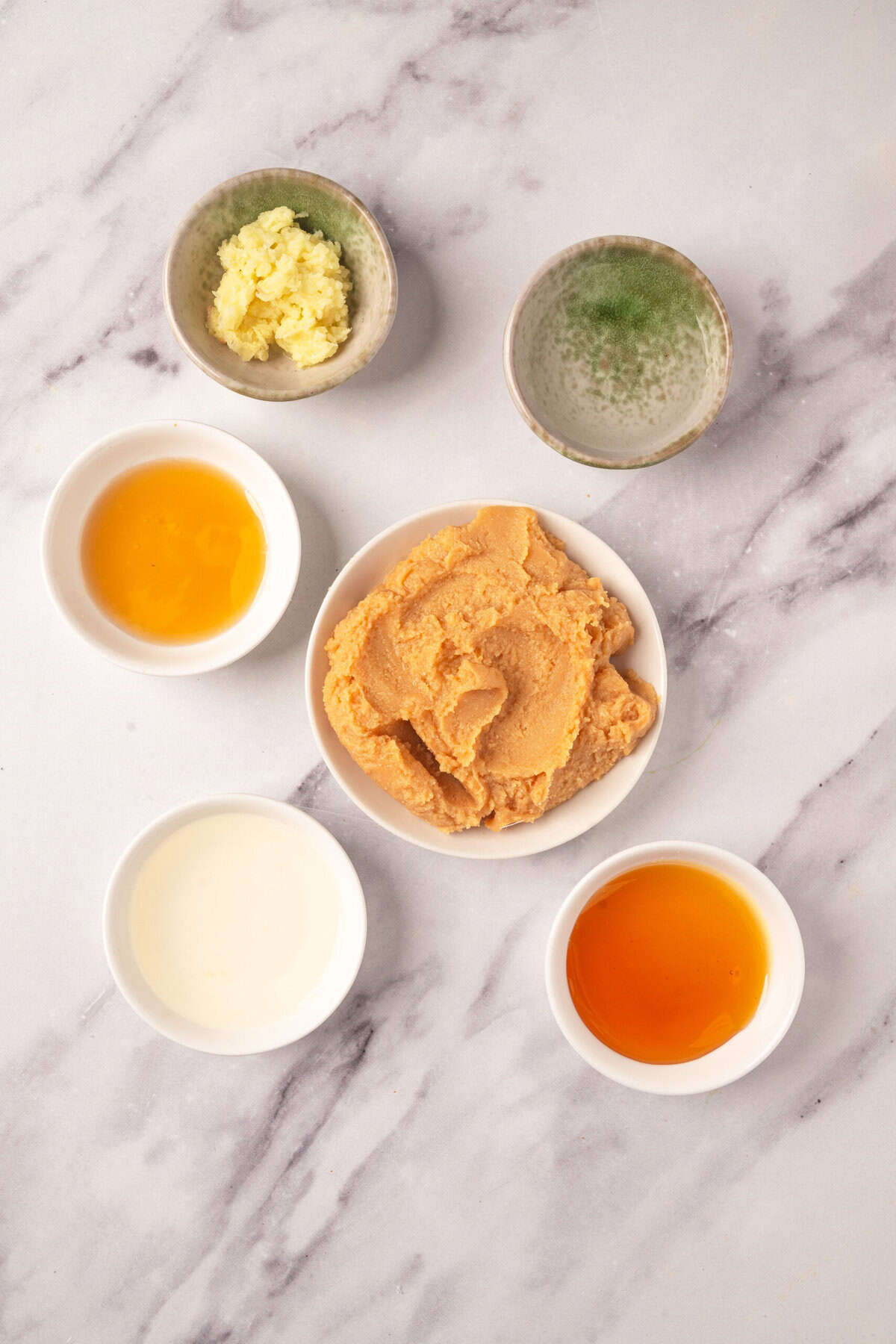
Miso paste is a fermented blend of soybeans, salt, and koji mold that tastes salty, tangy, and very umami. Since it has been around since ancient times, its exact origins are mysterious. What is certain is that it originated in China around the 4th century BC and was introduced to Japan a few centuries later. Many believe that Buddhist monks were the catalyst for this introduction, but the details are up for debate. Since its original trip around Asia, miso paste has become one of the most commonly shipped food products around the world. It can be found in most grocery stores and Asian food markets. So let’s get out there and taste what the world’s been buzzing about for hundreds of years!
How do I store leftovers?
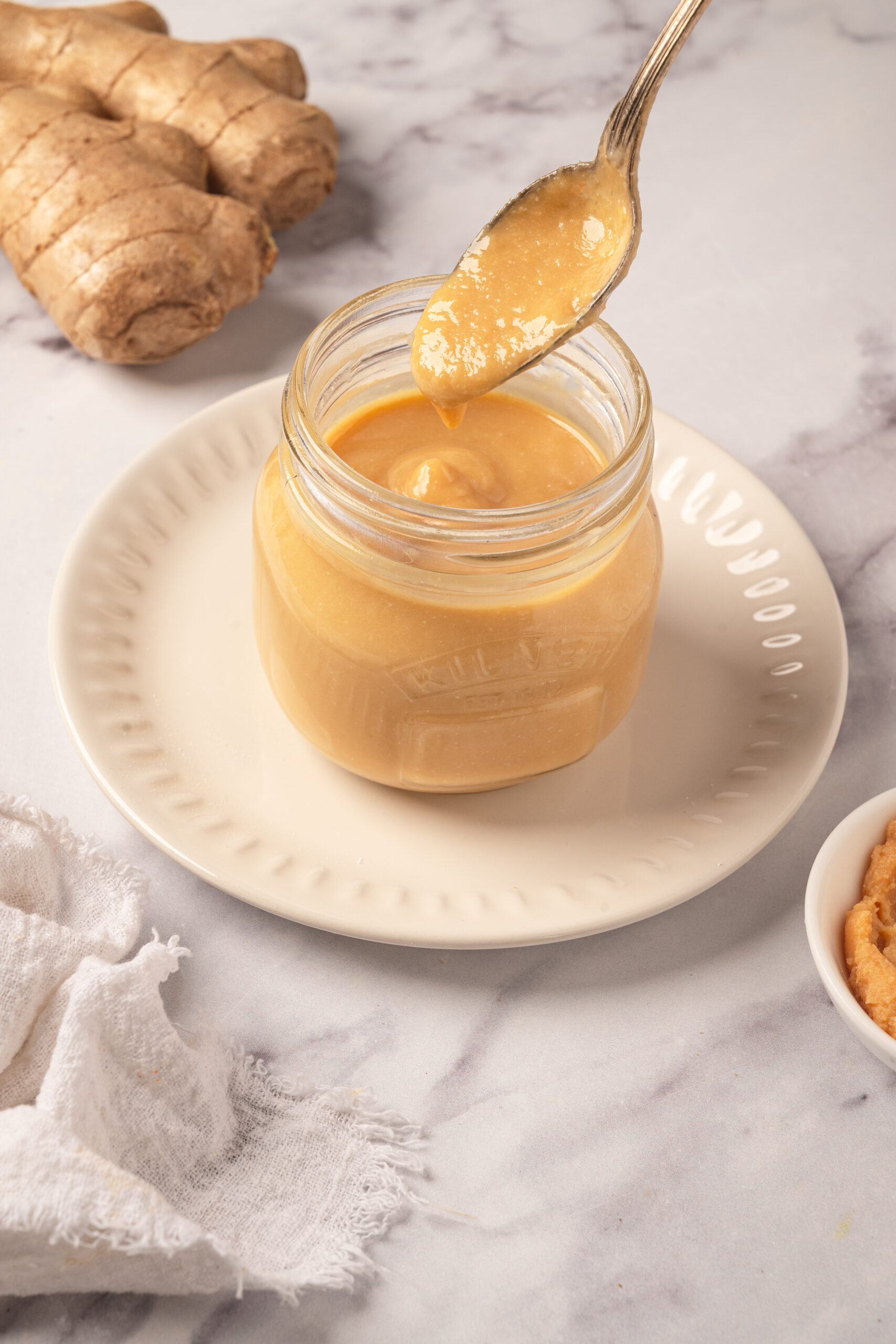
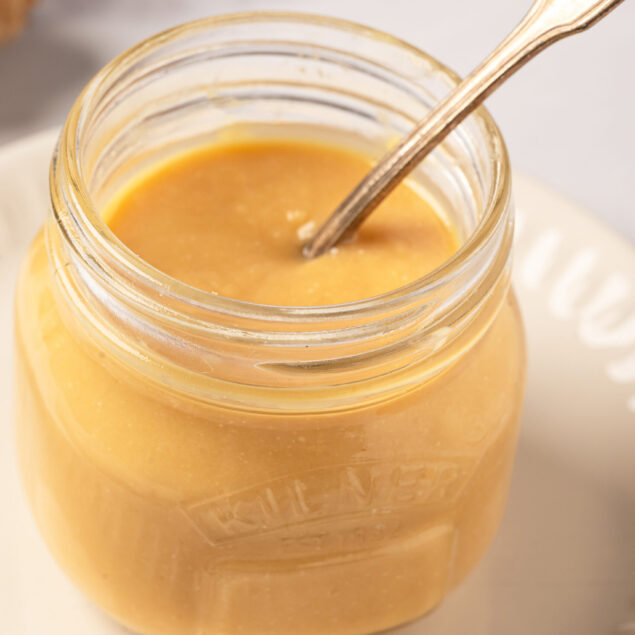
Keep your homemade miso sauce in a well-sealed jar and refrigerate it for 1-2 weeks. If you’d like to keep it for longer, transfer it to a freezer-safe container and freeze for up to 3 months. Let it thaw in the fridge before serving cold or at room temperature. Honestly, this sauce is so scrumptious, you might want to just keep it in the fridge so you can use it quickly whenever you want.
Serving suggestions
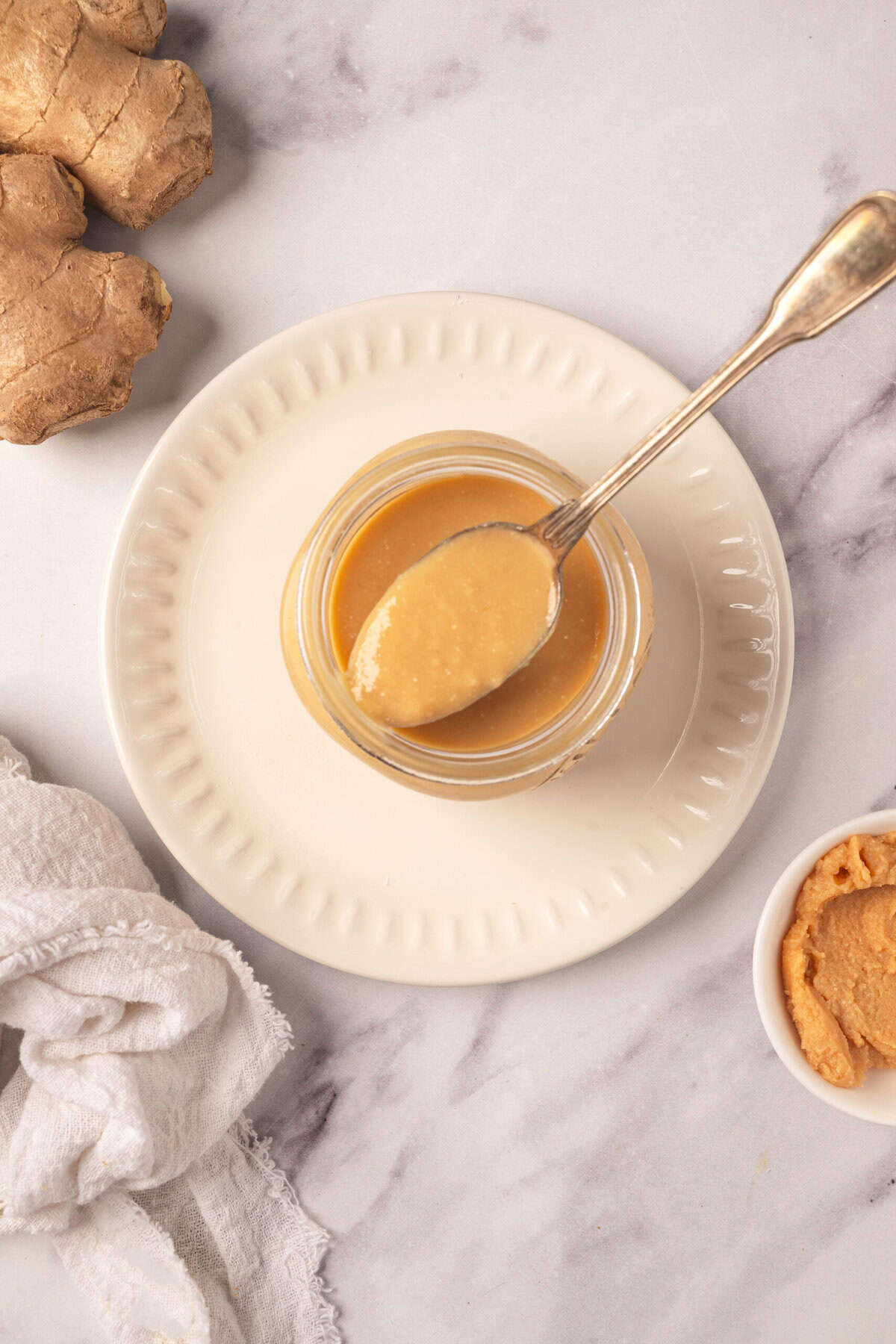
Miso sauce is marvelously versatile—it can be a dip or a dressing, depending on the meal. Give yourself a refreshing lunch to remember by pouring miso sauce over Asian Cabbage Salad, then pair it with a glass of Lemonade. Alternatively, fix up a special dinner of vegetable or Chicken Stir-Fry, Oven-Roasted Vegetables, and Pineapple Fried Rice. Miso sauce can taste amazing on any of these options, and more. Don’t be afraid to try new dishes that tantalize your taste buds!
Ingredients
- 4 tablespoons white miso paste
- 1 teaspoon grated fresh ginger
- 2 1/2 tablespoons rice vinegar
- 1 teaspoon toasted sesame oil
- 2 teaspoons maple syrup
- 1 1/2 tablespoons water add more as needed for desired consistency
Instructions
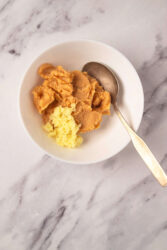
- In a bowl, combine the white miso paste and grated fresh ginger.
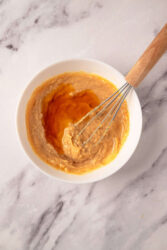
- Slowly whisk in the rice vinegar and toasted sesame oil until smooth.
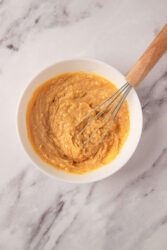
- Gradually incorporate the maple syrup, followed by the water, until you achieve your desired pourable consistency. Taste and adjust as necessary.
Nutrition Info:
Nutrition information are estimates only and may vary based on the specific brands, ingredients, and portion sizes you use. This data is provided for informational purposes only.



Leave a Comment