

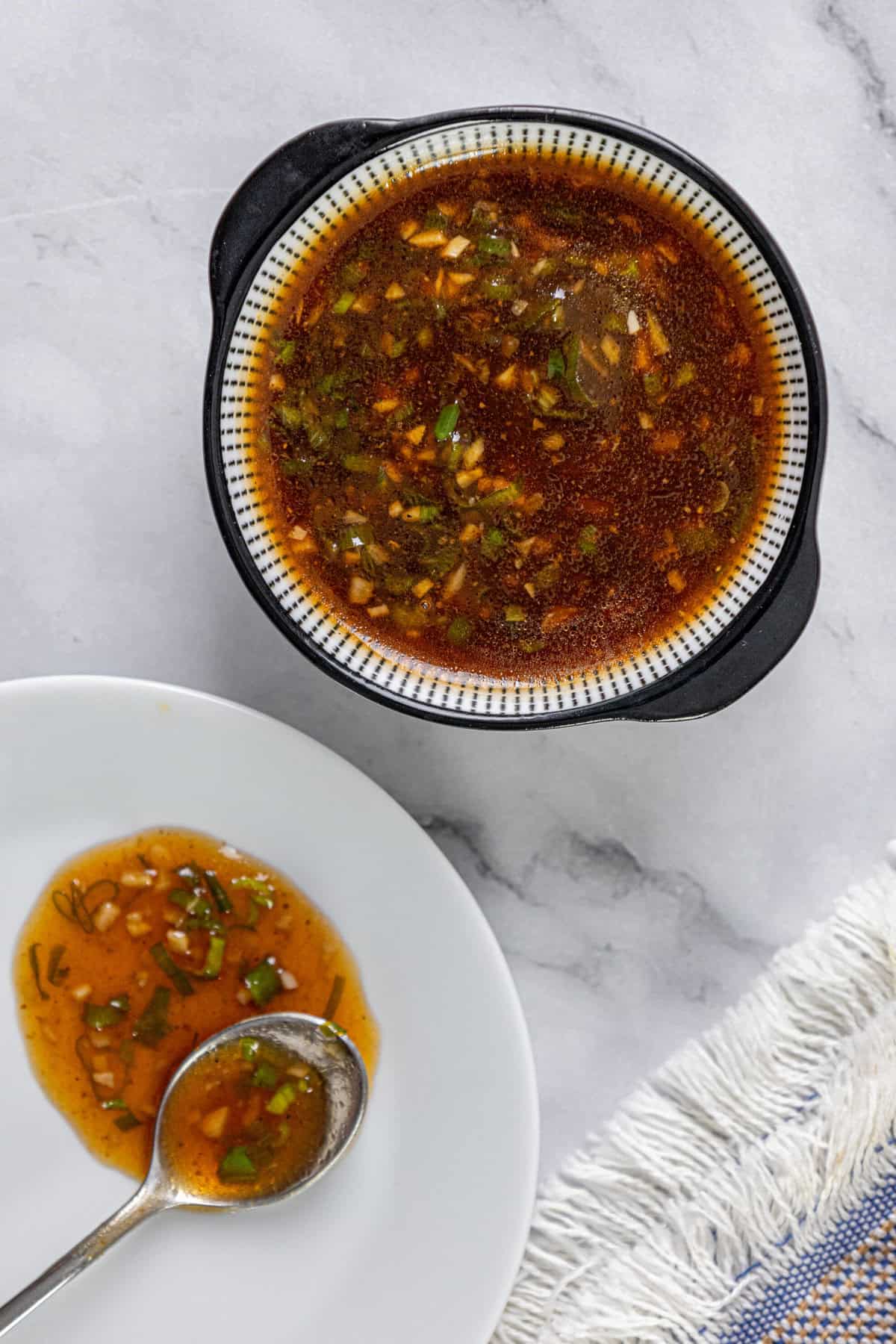
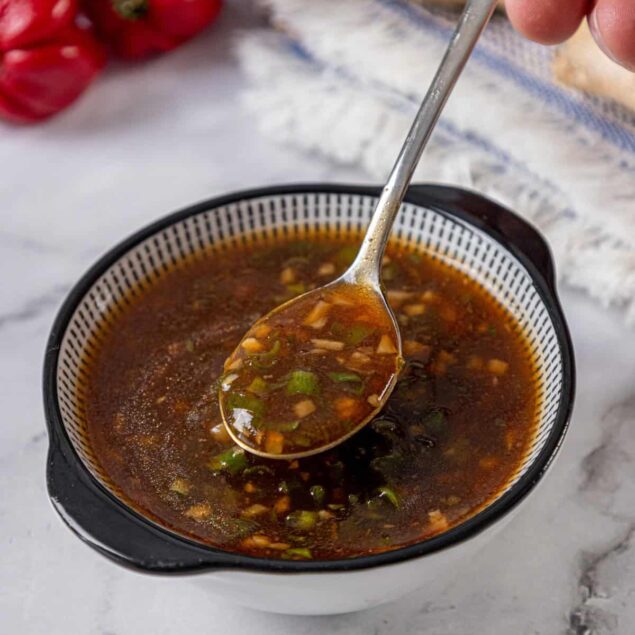
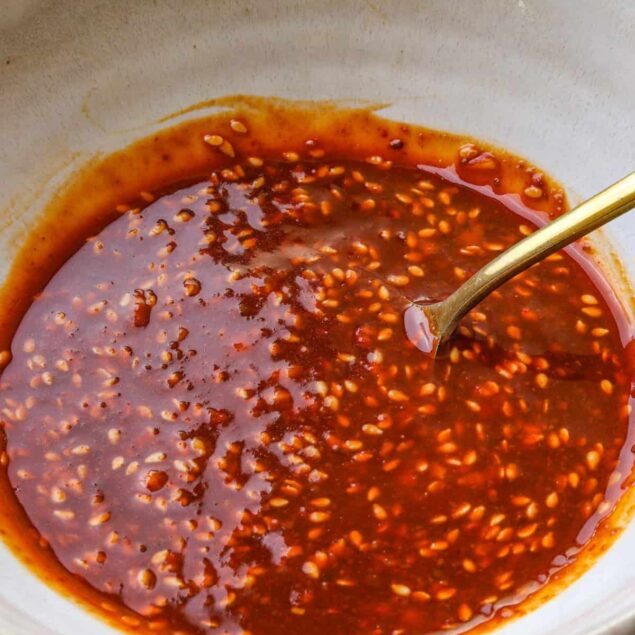
This Kung Pao Sauce is packed with fresh garlic, ginger, soy sauce, and lots of heat from Sichuan pepper and sriracha.
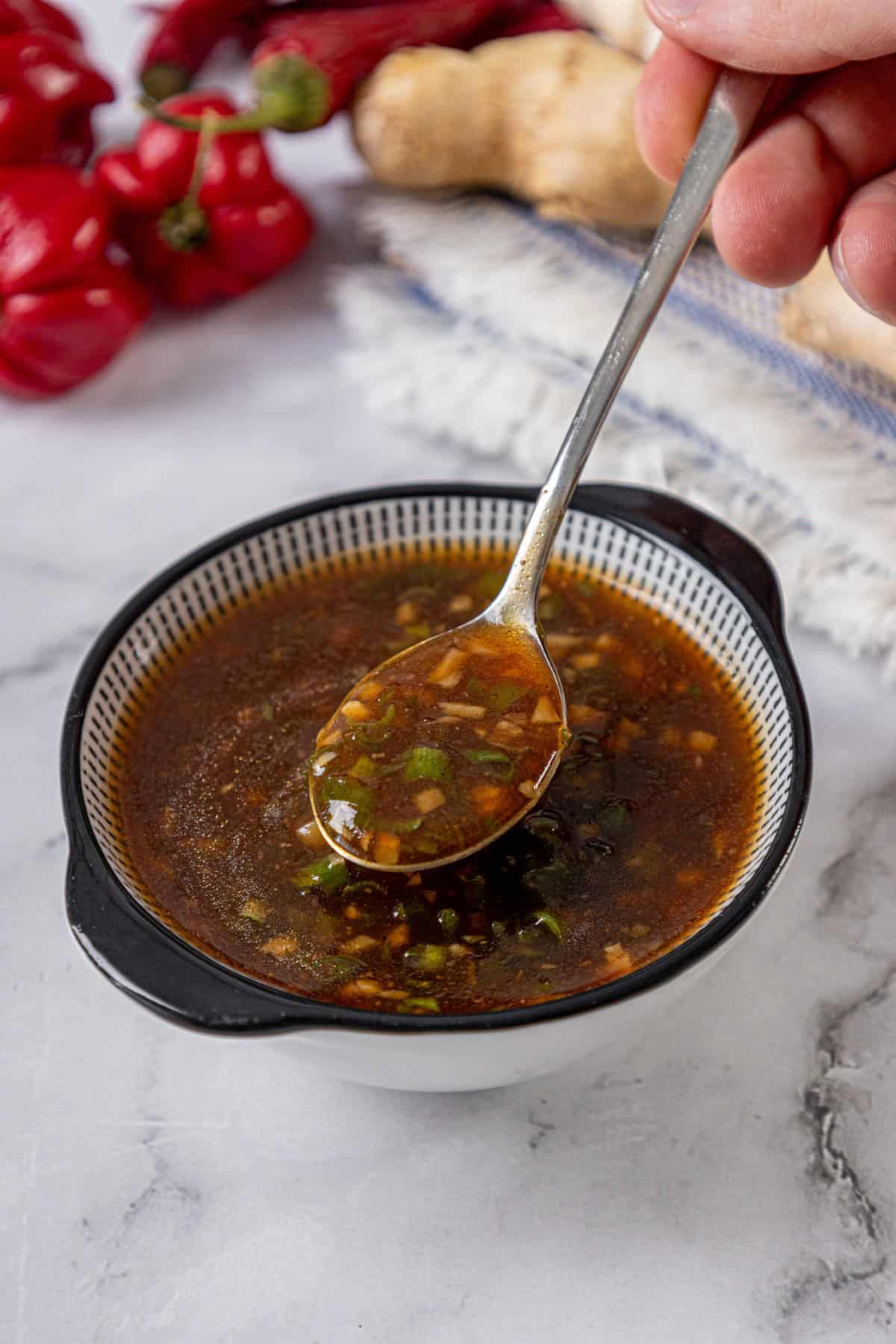
My first experience with kung pao sauce was in Chinatown in New York City at a bustling, no-frills, authentic Sichuan restaurant. The line was too long for a dim sum brunch—a surefire sign that the food would be amazing.
My dad ordered many items from the dim sum cart, including kung pao chicken and noodles. At first, the kung pao chicken was too spicy for me, but after a few bites, I began to appreciate the complex flavors of savory, spicy, and a hint of sweetness, finished with a kick of fresh ginger and garlic.
You might think kung pao sauce is difficult to make, but it’s actually very quick and easy! And while many of us know the sauce because of kung pao chicken, kung pao sauce also works with various other veggies, meats, and fish.
Is Kung Pao Sauce Healthy?
This kung pao sauce is low in calories, without the additives you might find in store-bought versions. The sauce is vegan and can easily be made gluten-free by swapping the soy sauce for coconut aminos. To make the sauce keto-friendly, just swap the sugar for your favorite sugar-free substitute, like monk fruit, and omit the cornstarch (just simmer the sauce for longer to thicken it). To make a Whole30-compliant kung pao sauce, just omit the sugar and add one tablespoon of pineapple juice. You’ll also need to replace the soy sauce with coconut aminos and the cornstarch with tapioca flour.
Kung Pao, Sichuan, General Tsos—Are they the same sauce?
Kung Pao, Szechuan, and General Tso’s sauces share some similarities, as they are all made with soy sauce and may include a hint of sweetness and a kick of spice. However, they differ significantly in flavor and preparation.
General Tso’s sauce is typically the least spicy of the three. It is a sweet, tangy sauce used to coat crispy, fried chicken or shrimp, rather than stir-fried dishes like kung pao.
Kung Pao sauce balances sweet and spicy flavors, often incorporating peanuts or cashews for a nutty element. It is usually stir-fried with vegetables like bell peppers and scallions, making it less sweet and milder in heat compared to Szechuan sauce.
Szechuan sauce is known for its bold heat and the distinctive numbing sensation provided by Sichuan peppercorns. It is spicier than both kung pao and General Tso’s sauces, featuring chili oil, garlic, ginger, and fermented bean paste for an intense and complex flavor.
How To Make Ahead And Store
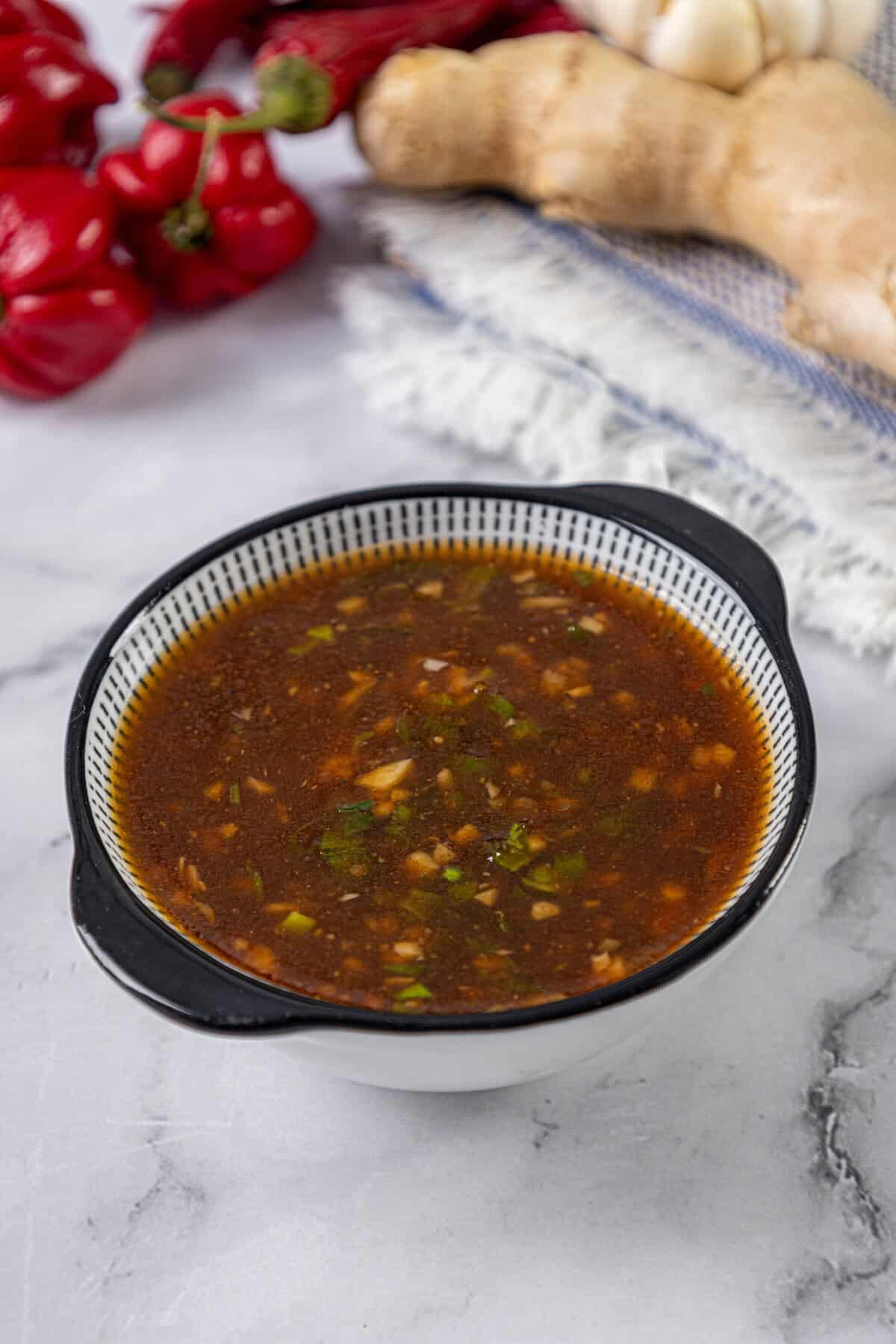
Kung Pao sauce can be made ahead and stored in an airtight container in the refrigerator for up to 1 week. It can also be frozen for up to 2 months; just let it thaw in the refrigerator overnight before using.
Serving Suggestions
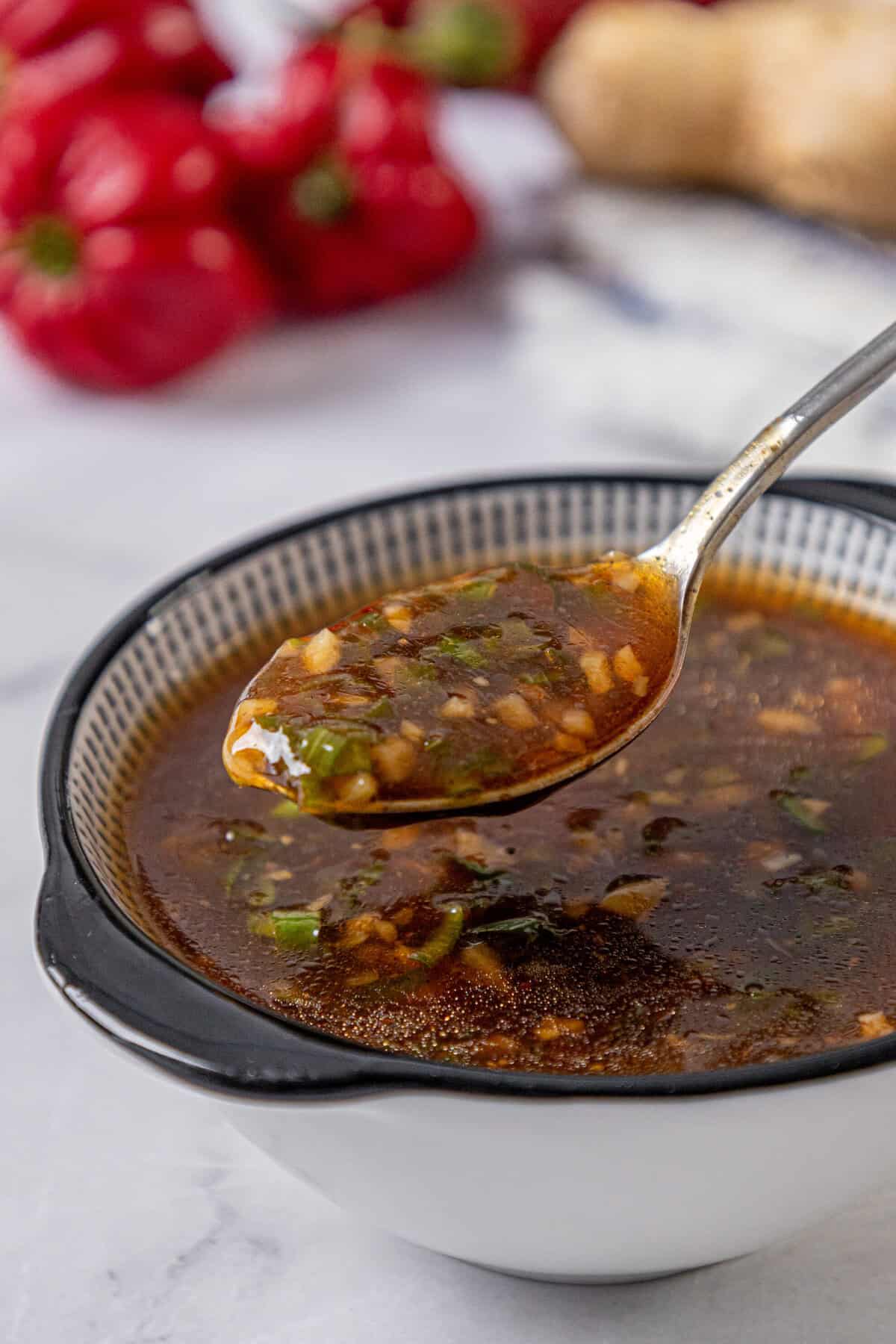
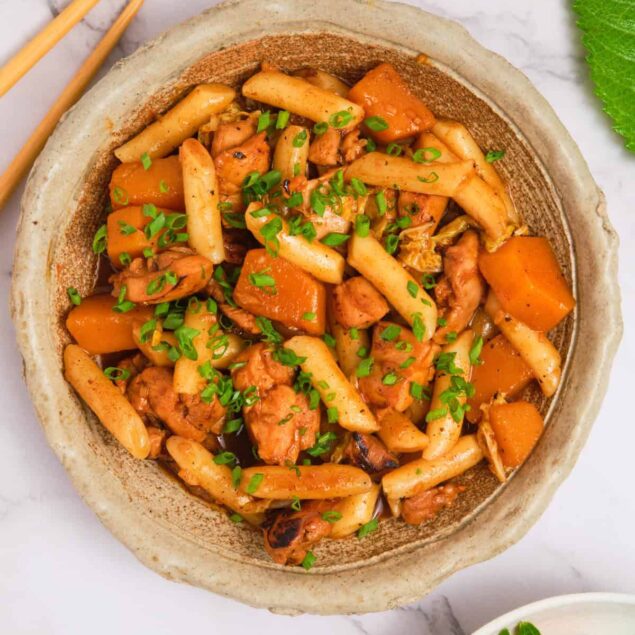
Kung Pao sauce turns any boring protein or veggie into a masterpiece! It is best over Pan-Seared Chicken Breast, Crispy Tofu, or Poached Shrimp. Add some Steamed Broccoli and Crispy Asparagus on the side, and serve over brown rice for a healthy and delicious meal.
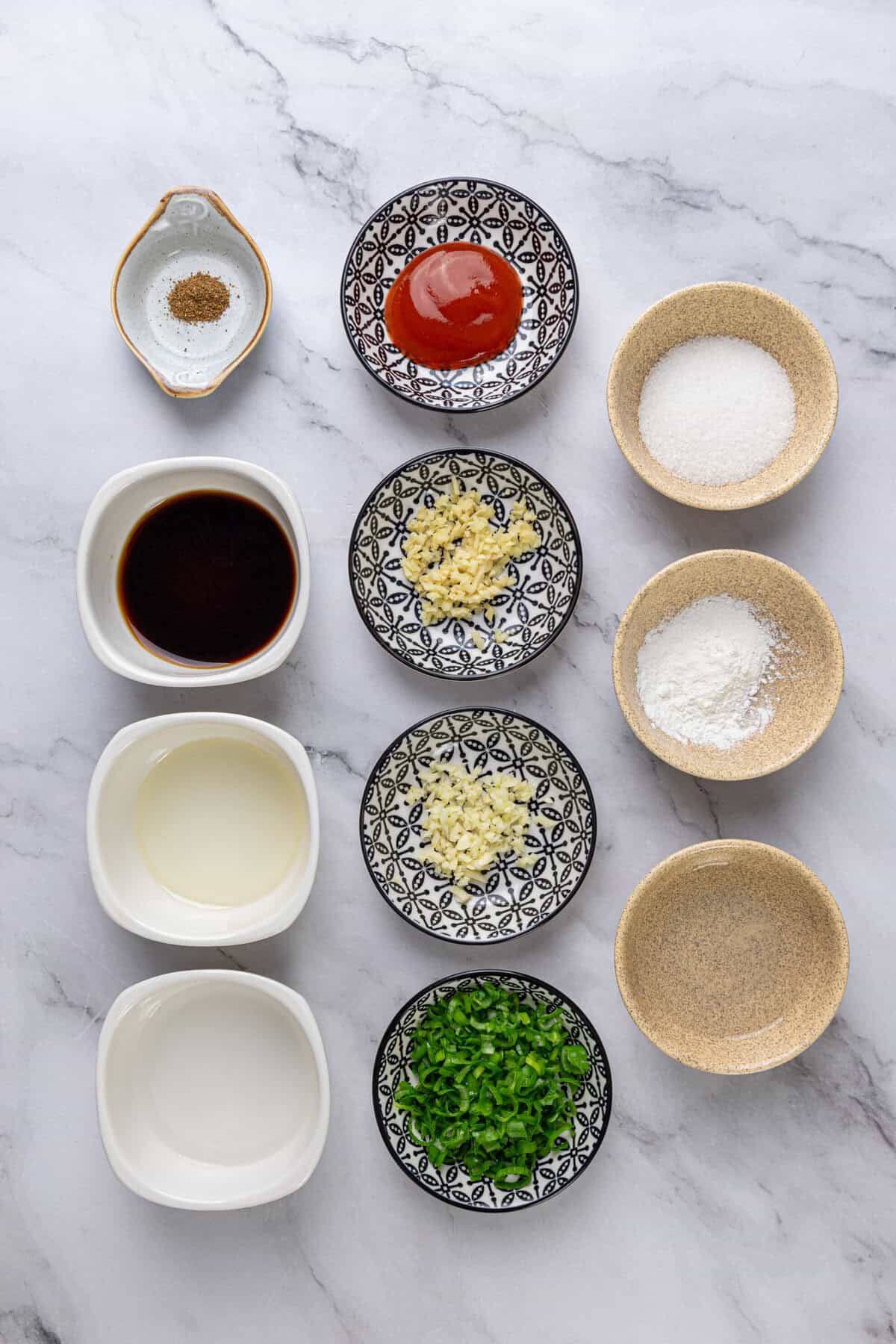
Ingredients
- 1 tablespoon sesame oil
- 1 teaspoon garlic minced
- 1 teaspoon ginger minced
- 1/4 teaspoon Sichuan peppercorn powder
- 1/4 cup low-sodium soy sauce
- 2 tablespoons rice vinegar
- 1 tablespoon granulated sugar
- 1 tablespoon sriracha or chili paste
- 1 teaspoon cornstarch
- 2 tablespoons water
- 2 tablespoons green onions chopped
Instructions
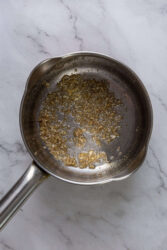
- In a small saucepan, heat the sesame oil over medium heat. Add garlic, ginger, and Sichuan peppercorn, sautéing until fragrant, about 1 to 2 minutes.
- Stir in soy sauce, rice vinegar, sugar, and sriracha. Bring the mixture to a simmer.
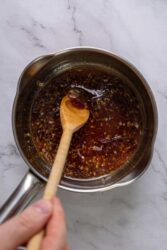
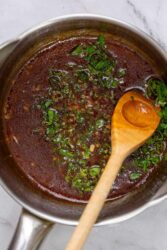
- Dissolve cornstarch in water to make a slurry. Pour into the saucepan, stirring continuously until the sauce thickens, about 1 to 2 minutes. Remove from heat and stir in the green onions.
Nutrition Info:
Nutrition information are estimates only and may vary based on the specific brands, ingredients, and portion sizes you use. This data is provided for informational purposes only.


Leave a Comment