

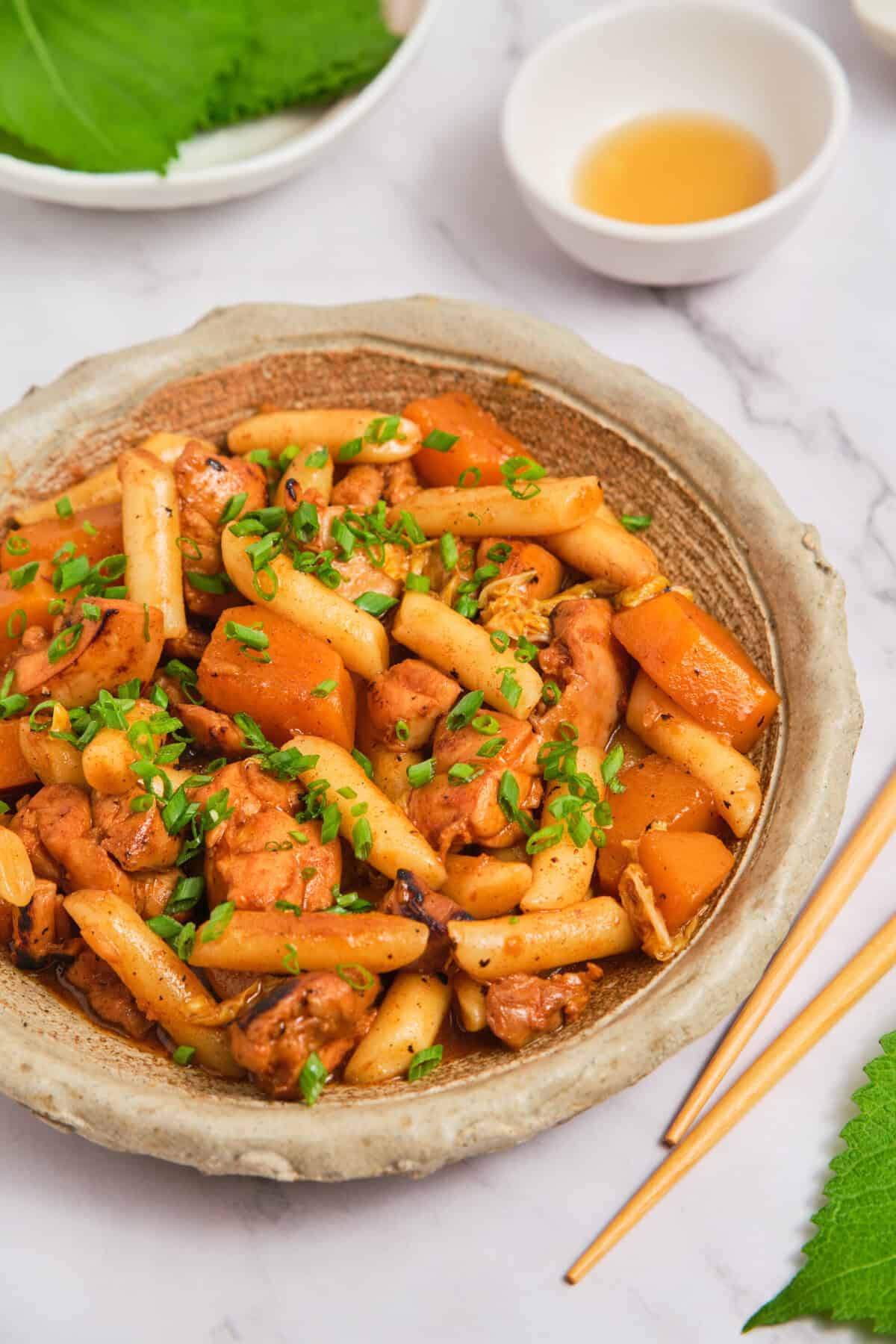
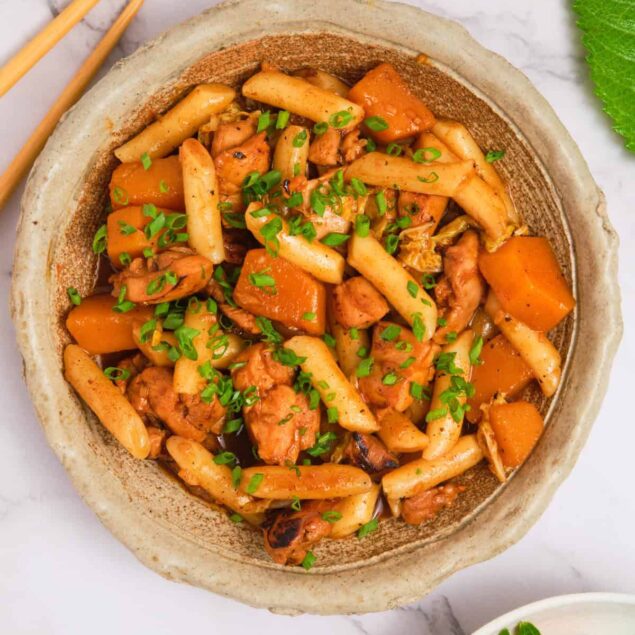
This flavorful Korean dish strikes the perfect balance of savory, spicy, and salty.
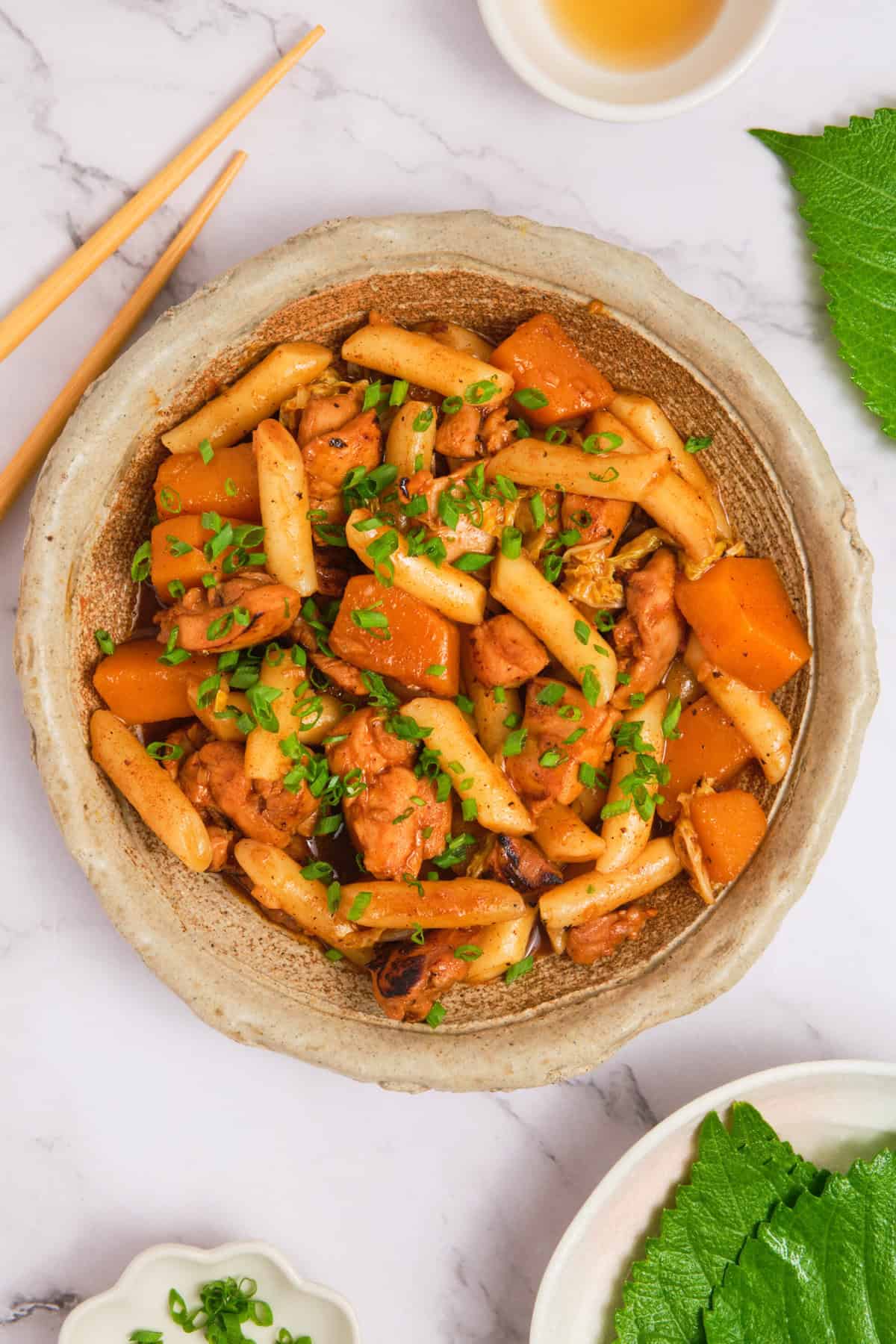
In the beautiful country of South Korea, nestled in a basin formed by the Soyang and Han Rivers, you’ll find the peaceful city of Chuncheon. With a small-town feel and abundant outdoor activities to explore, some say Chuncheon is a great place to escape the hustle and bustle of big-city life. Others, however, may tell you that the best reason to travel to Chuncheon is to taste the delicious and historical dish of dakgalbi.
Developed in the 1960s as an inexpensive restaurant meal, dakgalbi quickly spread across Chuncheon’s main districts and shot to fame. While mainly enjoyed by soldiers and students at the time, dakgalbi is now a beloved local specialty, often referred to as “Chuncheon-dak-galbi.” It is a meal that turned heads in Chuncheon’s direction, and now many tourists flock to the city just to get a taste. If the irresistible flavor and aroma of dakgalbi has piqued your interest, you can visit Chuncheon for their annual festival dedicated to the dish. But if a trip to South Korea is not a current possibility for you, don’t fret. You can enjoy the vibrant and spicy profile of dakgalbi in the comfort of your own kitchen.
Is Dakgalbi Healthy?
Dakgalbi isn’t necessarily a light meal, but it does have some healthy ingredients. The chicken thighs are a great source of protein (though they are fattier than chicken breast), along with iron and B vitamins. Sweet potato is high in vitamin A, potassium, and fiber, while the cabbage is an excellent source of vitamin C and other antioxidants.
If you wanted to make things a bit leaner, you could swap the chicken thighs for breast or use an alternative protein like tofu. Another important consideration is that soy sauce and gochujang both contain a lot of salt, so if you’re watching your sodium intake, you may want to limit these ingredients.
As always, everything in moderation is the key to an enjoyable, healthy lifestyle.
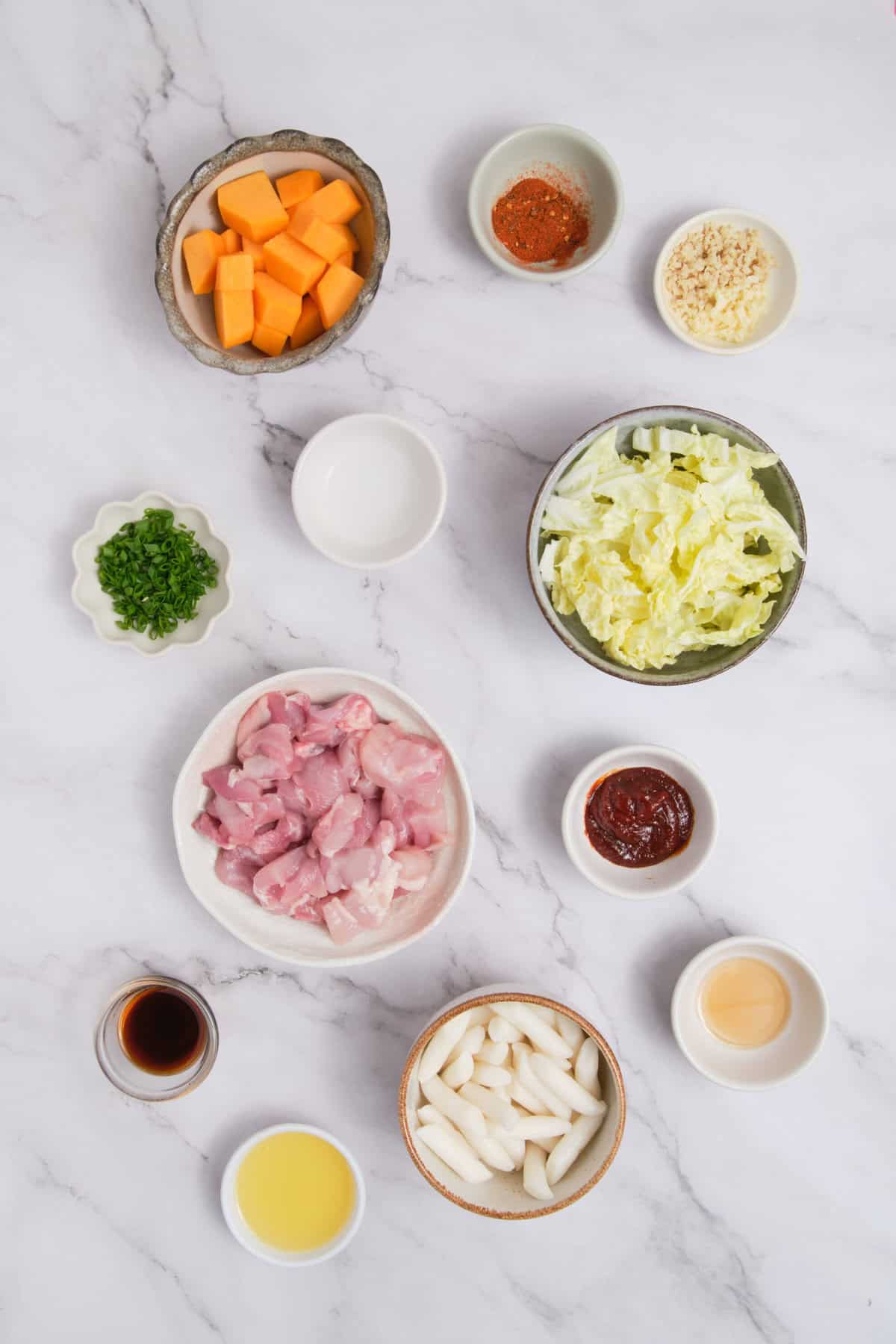
Tracking Down The Ingredients For Dakgalbi
When it comes to shopping for Asian ingredients, like the Korean rice cakes, gochujang, or gochugaru, my recommendation is always to try to get to an Asian market.
Asian markets are treasure troves of authentic flavors and ingredients that your standard big-box grocery store might not have. There are rows of fresh produce, a huge variety of noodles and rice, and even specialty meats that you can choose from. Plus, when you shop at an Asian market, you’re usually supporting a small, local business and getting closer to the heart of the cuisine you’re recreating.
If you don’t have an Asian market nearby, that’s okay—you’ve still got options. Many large American grocery store chains have decently stocked international sections and may carry staples like gochujang. Korean rice cakes might be a bit harder to find, but you can often order them online along with other specialty ingredients.
How To Make Ahead And Store
One of the many things that makes dakgalbi so great is that you can prepare several components in advance. The marinade can be made 10-15 days in advance, allowing it time to meld and deepen in flavor. You can marinate your chicken overnight and cut up your vegetables the day before. Leftover dakgalbi can be stored in your fridge for 3-4 days if you use an airtight container.
Serving Suggestions
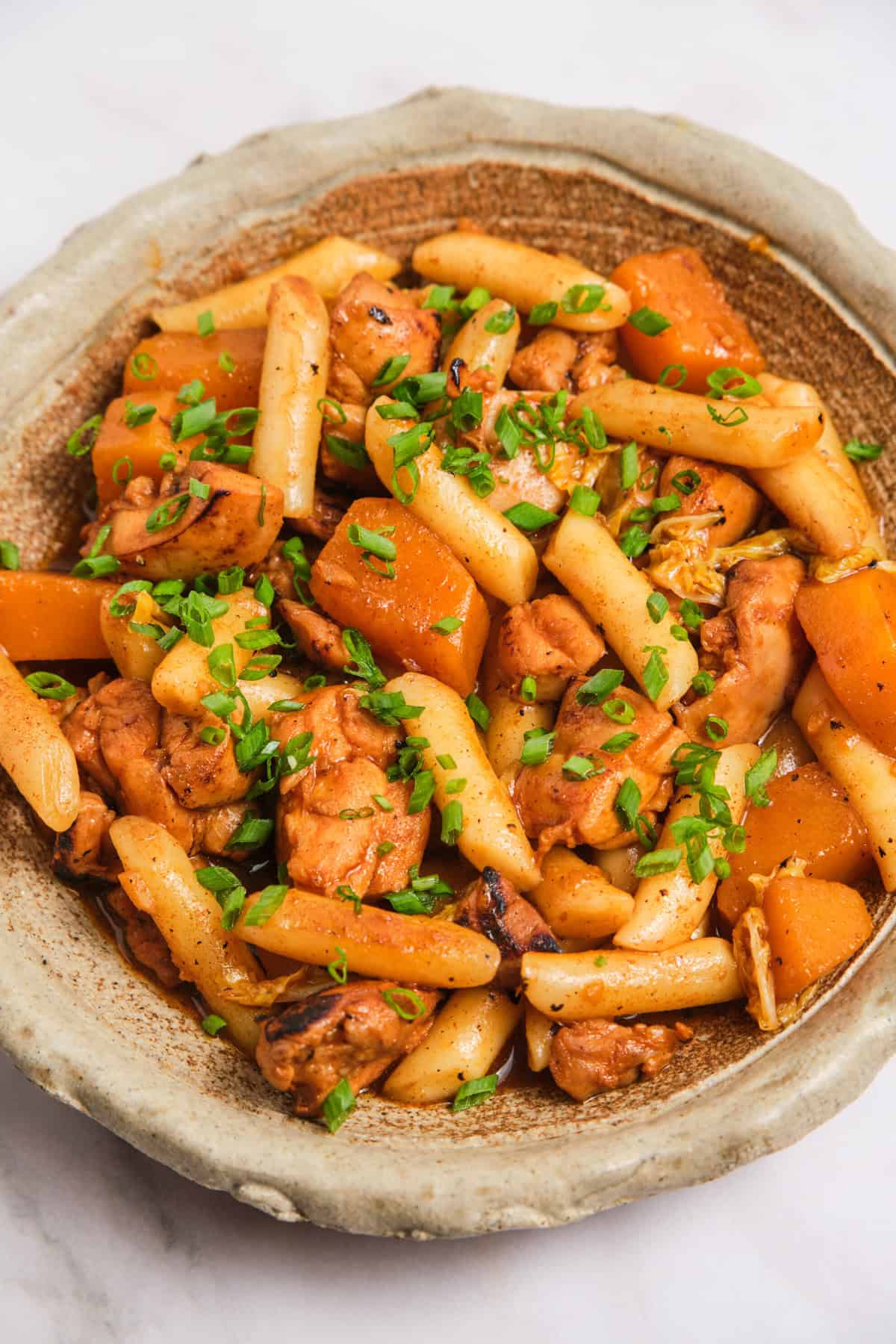
If you’d like to immerse yourself in this dakgalbi recipe, try preparing it the restaurant way at home. Grab a cast-iron skillet and a portable gas burner, and take the cooking to your table. This way, once your dakgalbi is ready to eat, you can enjoy it immediately. You can eat dakgalbi as is or enjoy it in Korean BBQ style by putting some into a lettuce leaf with slices of garlic and ssamjang, as well as a soybean and chili paste sauce. You can even toss some rice into the skillet and stir-fry it with your dakgalbi. A few delicious sides to serve are kimchi (or Cucumber Kimchi), sheets of nori, a Korean Cucumber Salad, and some Soy Sauce-Marinated Eggs.
Ingredients
- 1/4 cup gochujang
- 2 tablespoons soy sauce
- 1 tablespoon mirin
- 1 tablespoon gochugaru chili flakes
- 1 tablespoon minced garlic
- 1 teaspoon minced ginger
- 1 pound boneless, skinless chicken thighs cut into bite-size pieces
- 2 tablespoons vegetable oil
- 1 medium sweet potato peeled and cut into 1/2-inch thick slices
- 1/2 cup water
- 8 ounces green cabbage chopped
- 1/2 cup Korean rice cake tteokbokki, soaked if hard
- 1 tablespoon sesame oil
- 2 scallions chopped
Instructions
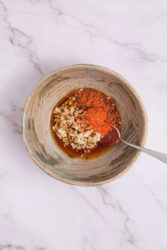
- In a large bowl, mix gochujang, soy sauce, mirin, gochugaru, garlic, and ginger to make the marinade. Add the chicken pieces to the marinade, ensuring they are well coated. Let marinate for at least 20 minutes.
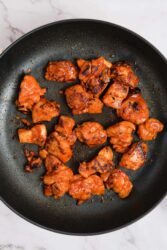
- Heat vegetable oil in a large skillet over medium-high heat. Add the marinated chicken and cook for about 5 minutes, or until the chicken starts to brown.
- Add the sweet potato slices and water to the skillet. Cover and let cook for about 10 minutes, or until the potatoes are halfway cooked.

- Add the cabbage and rice cakes to the skillet. Stir well and cover again. Cook for another 10 minutes, stirring occasionally, until the chicken is fully cooked and the vegetables are tender.
- Drizzle sesame oil over the dish and garnish with chopped scallions. Serve hot.
Nutrition Info:
Nutrition information are estimates only and may vary based on the specific brands, ingredients, and portion sizes you use. This data is provided for informational purposes only.


Leave a Comment