

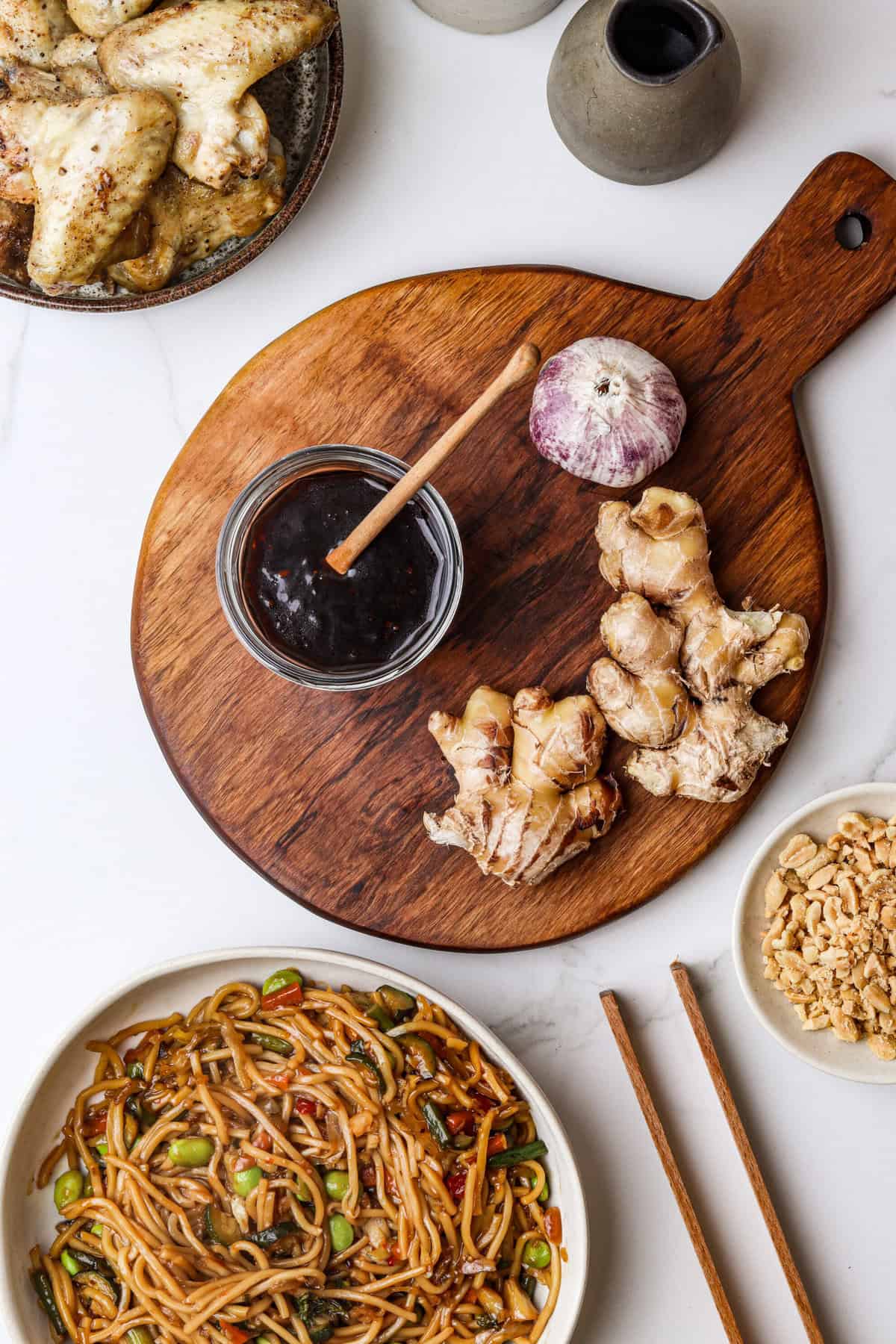
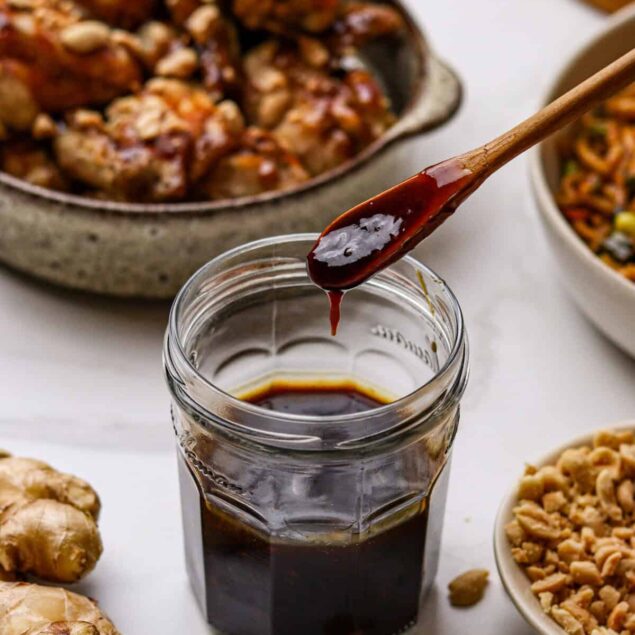
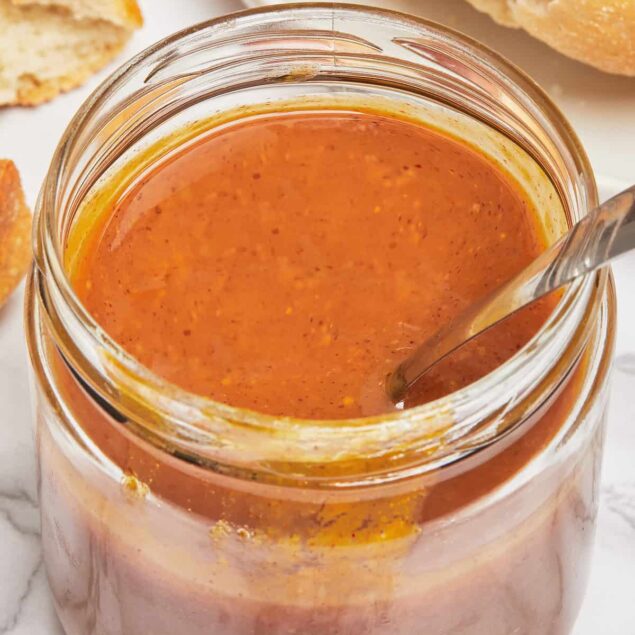
This sweet and savory Korean BBQ Sauce is ready to be your new favorite marinade, sauce, and dip.
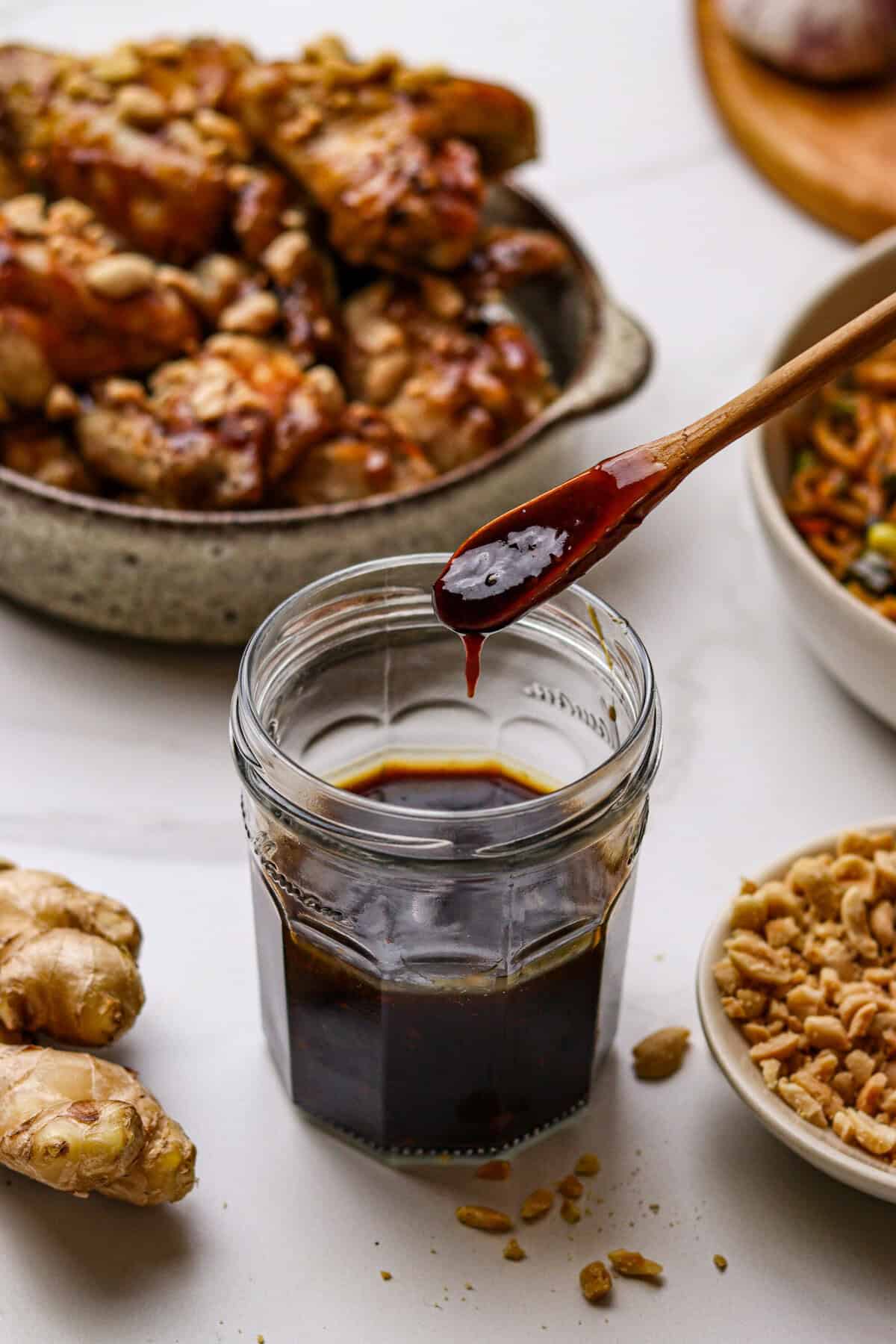
You know a dish is delish when you have a distinct memory of falling in love with it! My love for Korean BBQ sauce began over a decade ago at a trendy little Asian-fusion spot in downtown NYC. It was Valentine’s Day, and I went there on a date for bao buns and cocktails.
The guy was nice, but those pillowy buns filled with savory Korean BBQ sauce left an impression; on both my taste buds and my heart. I was so hooked that I made regular pilgrimages from uptown to the East Village (which any New Yorker knows is no small feat) just to get my fix. I even roped my downtown friends into acting as my personal bao couriers. And that guy? He’s now my husband, the father of our two kids, and my biggest taste tester for this recipe.
Korean BBQ sauce is a symphony of bold, umami-packed flavors that elevate any dish it touches. With the salty depth of soy sauce, the spicy kick of gochujang, and the aromatic warmth of garlic and ginger, this sauce strikes a perfect balance of sweet, savory, and spicy. Whether you’re marinating, dipping, or glazing, it adds that quintessential Korean-inspired flavor to any meal.
Is Korean BBQ Sauce Healthy?
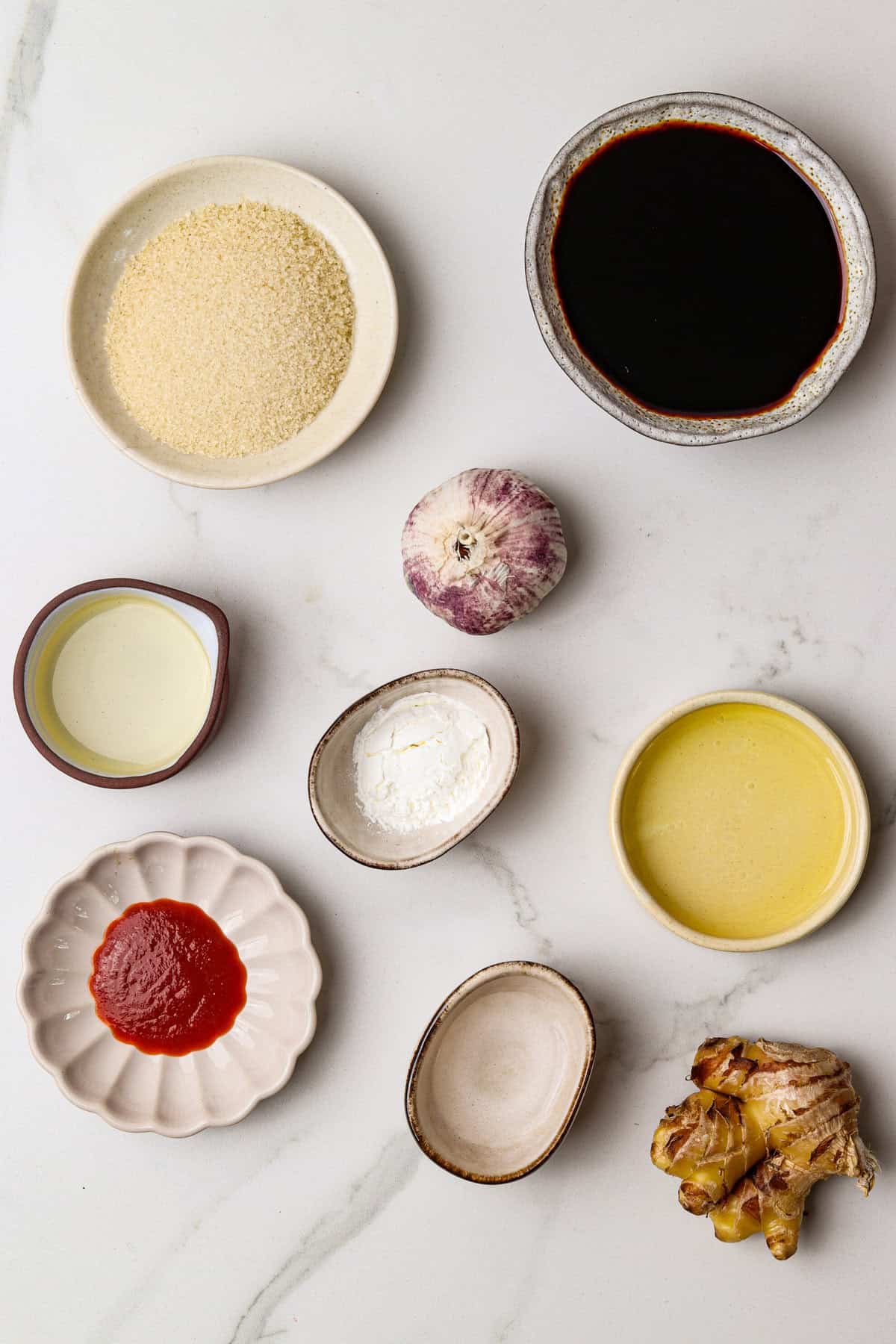
Absolutely, but with a few considerations. The recipe uses nutrient-rich ingredients like garlic and ginger, and sesame oil adds a dose of healthy fats, while gochujang brings beneficial probiotics, if using a fermented variety.
That said, the sauce does contain sugar and sodium, so moderation is key. If you’re looking to make it even healthier, consider substituting the brown sugar with a natural sweetener like honey or coconut sugar. Using coconut aminos instead of soy sauce will make this recipe both low-sodium and gluten-free.
How Is Korean BBQ Sauce Traditionally Used?
Traditionally, Korean BBQ sauce is a key player in Korean cuisine, most famously used as a marinade for bulgogi (thinly sliced, grilled beef) and galbi (marinated short ribs). Its rich, umami-packed profile is ideal for tenderizing and flavoring meats, but its uses don’t stop there. You’ll also find it brushed over grilled chicken, served as a dipping sauce for vegetables or dumplings, or even drizzled over rice bowls for a quick burst of flavor.
In Korean culture, marinades like this are a crucial part of achieving the layered flavors of a proper BBQ spread. The balance of sweetness, saltiness, and heat complements the smoky char from the grill. While this version is a quick stovetop preparation, it retains the essence of traditional marinades, making it accessible while honoring its origins.
How To Make Ahead And Store
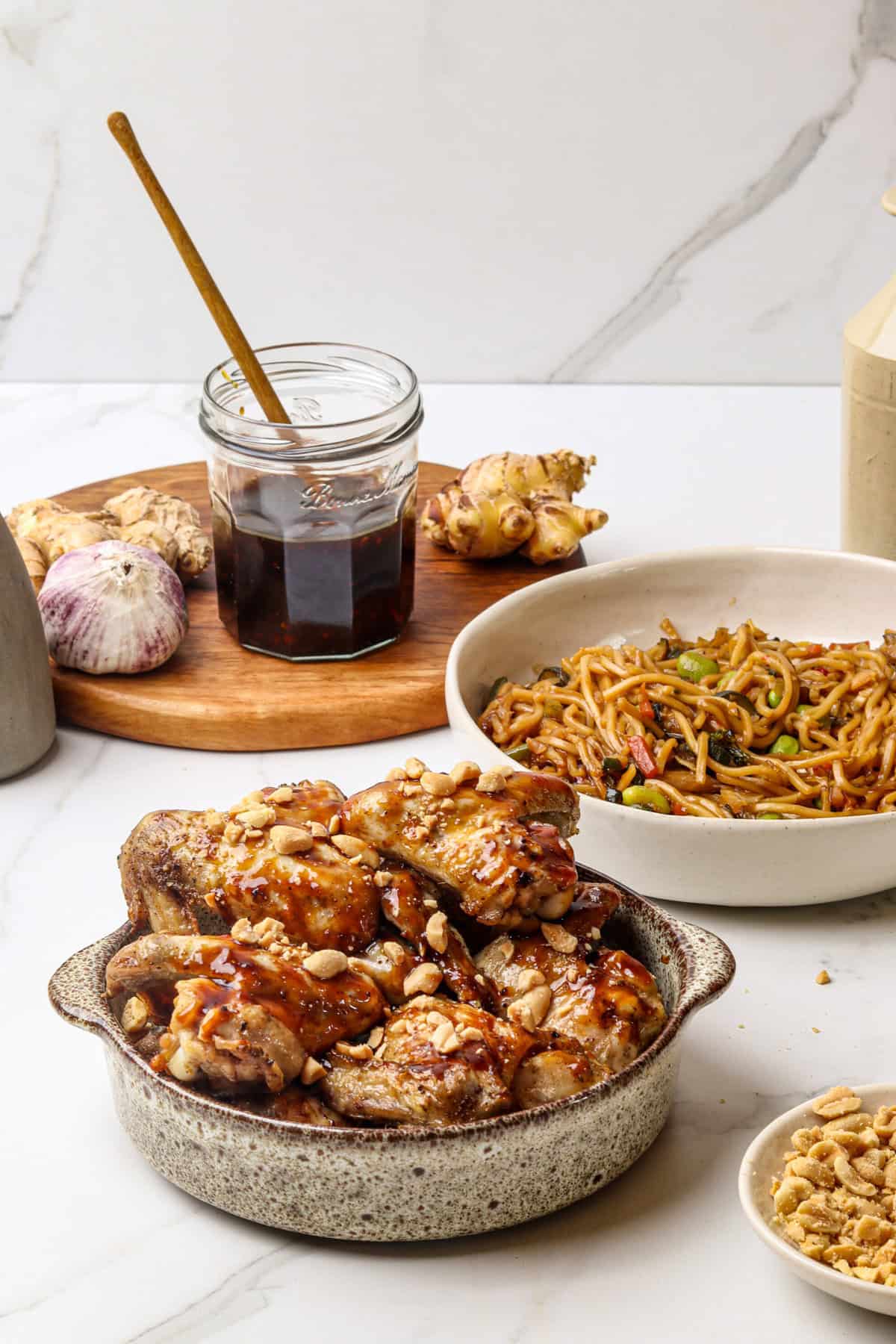
This sauce stores beautifully. In the refrigerator, keep it in an airtight container for up to 2 weeks. If you want to freeze it, portion the sauce into ice cube trays or small containers, and freeze for up to 3 months. Thaw in the refrigerator overnight before use.
Serving Suggestions
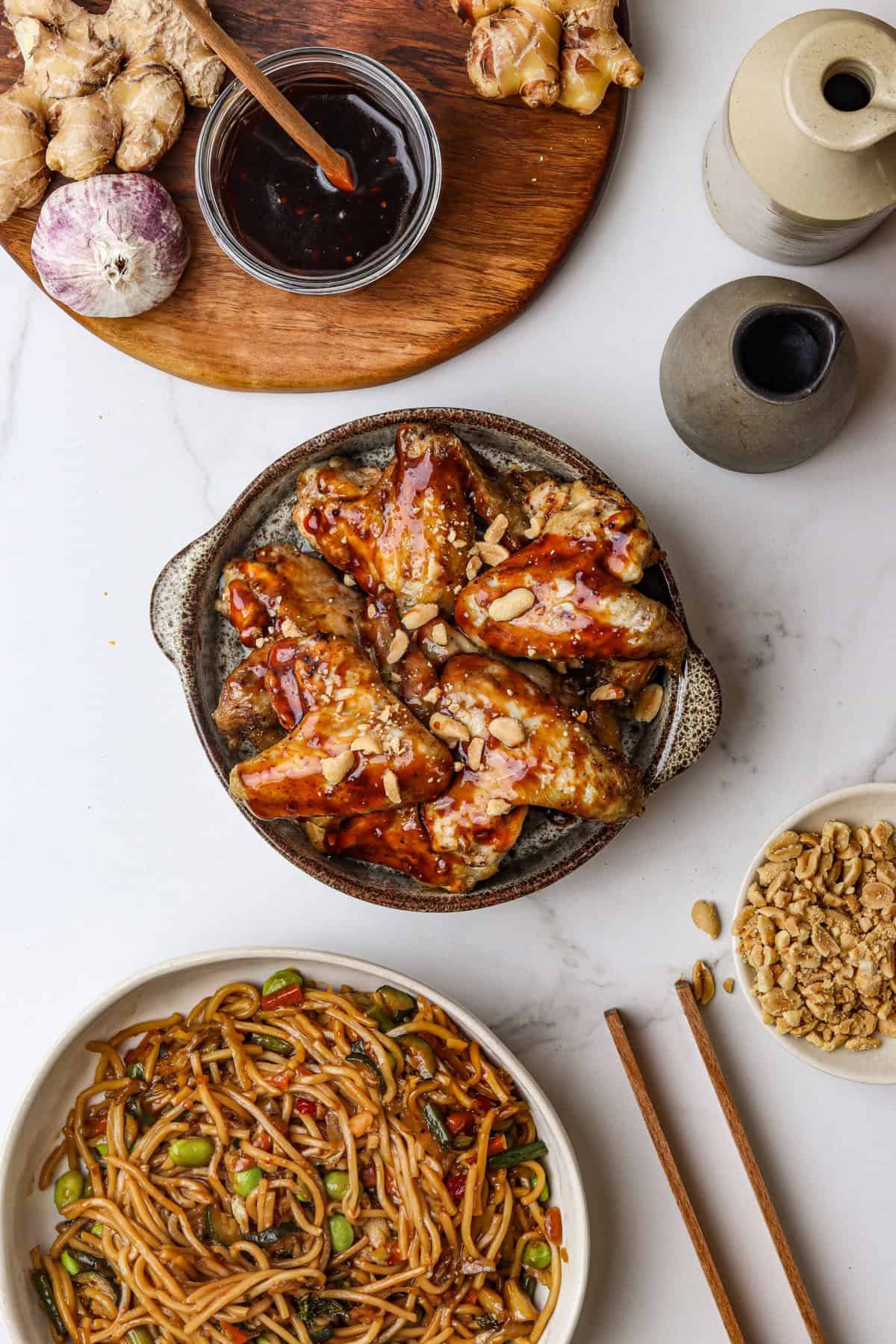
Like I said, you can use this Korean BBQ sauce with almost anything! For an appetizer, you can use this BBQ sauce to coat Pan-Fried Chicken Wings or Baked Chicken Tenders, or use it as a dipping sauce for Fried Wontons. If you want a vegetarian-friendly option, use this sauce with Steamed Broccoli and Baked Tofu over rice. You won’t regret it! And finally, while this might be crazy, I’ve immensely enjoyed having Korean BBQ sauce with Chicken And Waffles, so try it out!
Ingredients
- 1 tablespoon water
- 1 tablespoon cornstarch
- 1/2 cup soy sauce
- 1/4 cup brown sugar
- 2 tablespoons rice vinegar
- 1 tablespoon chili paste like gochujang
- 1 tablespoon sesame oil
- 3 cloves garlic minced
- 1 teaspoon ginger grated
Instructions
- In a small bowl, whisk together the water and cornstarch until smooth to create a slurry.

- Combine soy sauce, brown sugar, rice vinegar, chili paste, sesame oil, garlic, and ginger in a saucepan over medium heat, stirring until the sugar dissolves.
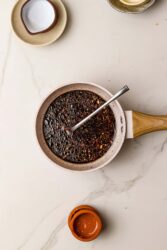
- Add the cornstarch slurry to the saucepan, whisking continuously. Cook until the sauce thickens, about 5 minutes. Remove from heat and let cool before using.

Nutrition Info:
Nutrition information are estimates only and may vary based on the specific brands, ingredients, and portion sizes you use. This data is provided for informational purposes only.


Leave a Comment