

This Poached Eggs Recipe keeps it simple—no gimmicks and no guesswork required.
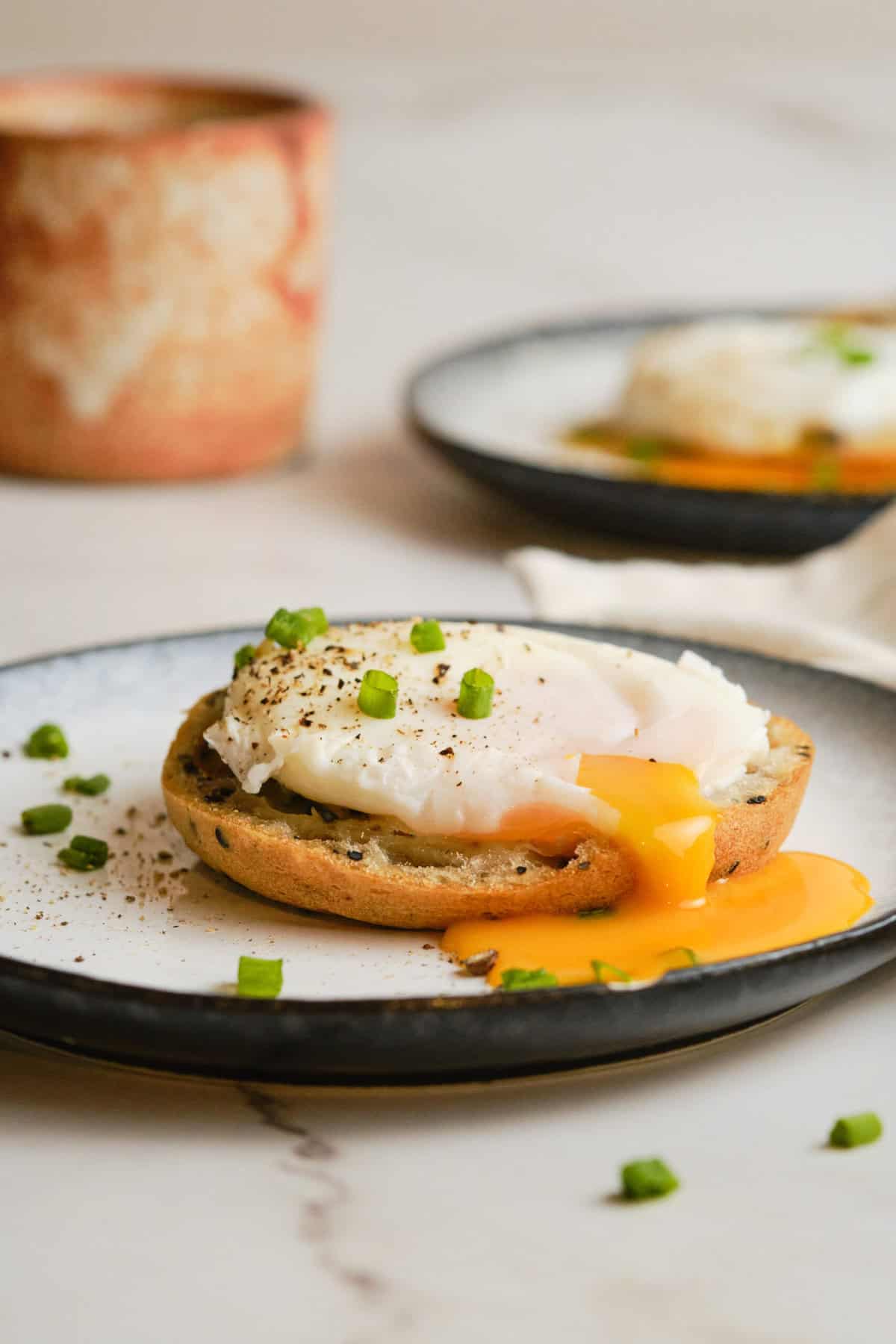
Poached eggs were one of those seemingly simple recipes that intimidated me. Really, any egg outside scrambled intimidated me. Maybe it’s because I’m a naturally impatient person. When a recipe relies on timing, I drop the ball, or in this case, the egg.
I used to have this fear that my egg would morph into ghostly clumps of white, the yolk just floating in a watery grave. And actually, that did happen—several times. But I’m here to say that’s okay. When it comes to cooking, missteps like this are par for the course. Because that cliché saying, “practice makes perfect,” is true. You don’t need one of those fancy Williams Sonoma poaching cups. You just need some practice.
Besides, the method here is simple—swirl, drop, wait, and finito. That’s all. Will you get it right the first time? Well, I’m rooting for you. Whether it takes a couple of tries or you nail it right away, you’re in for a treat. My homemade poached eggs taste just as good as the ones from my local brunch spot that sells them on avocado toast for $16. Honestly, they’re better. These eggs are soft, savory, and perfect on English muffins, grain bowls, and even ramen (personal fave).
Are Poached Eggs Healthy?
Poached eggs don’t use butter or oil, just water and vinegar. Compared to scrambled or sunny-side up, poached eggs keep the calorie count low. Plus, you still get protein, iron, and a good dose of choline. Even better, this recipe is naturally low-carb, especially if you skip the bread. In fact, I like to serve this egg on a thick slice of avocado.
Why Vinegar Makes A Difference
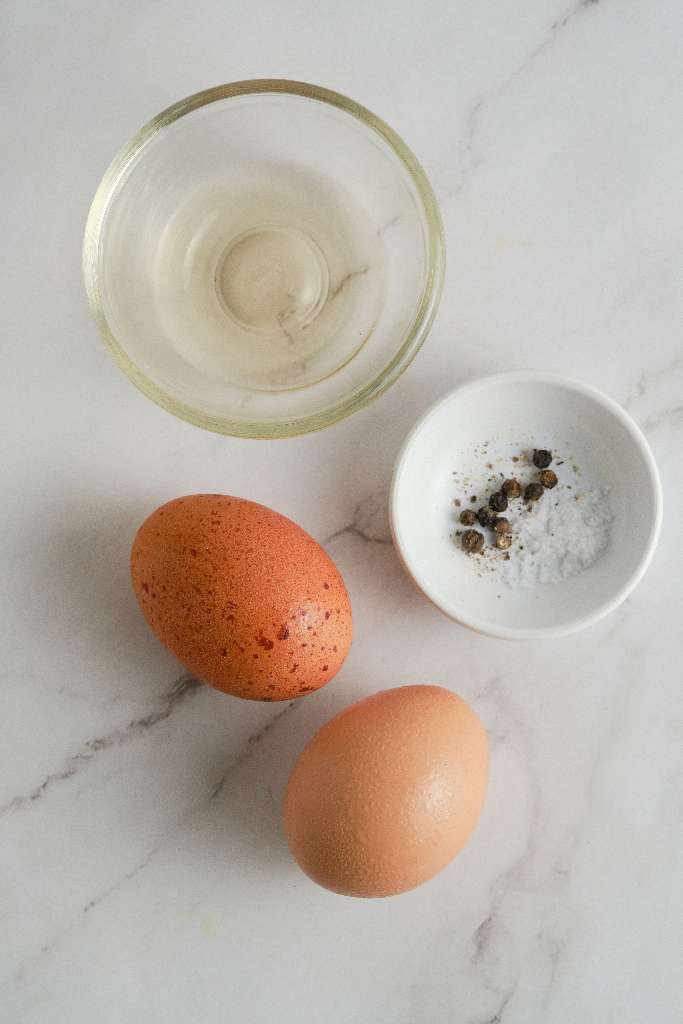
My face contorts to a grimace every time I open a bottle of vinegar. It’s strong stuff, and on its own, I think it’s kind of unappealing. But man, it’s a great catalyst for everything from dressings to, you guessed it, poaching eggs. You don’t need much—just a tablespoon. It helps the egg whites firm up faster, so you have fewer floaty strands and a way cleaner poach.
I’ve poached eggs without vinegar, and it does work. However, in my experience, water alone only works with farm-fresh eggs. The fresher the egg, the firmer the whites. As eggs age, the whites get thinner, and thinner whites translate to stringy, wispy, poached eggs. That’s where vinegar helps. And no, your egg won’t taste like salad dressing!
How Do I Store Leftovers?
I store leftover poached eggs in cold water in the fridge for up to 2 days. When you’re ready to eat, reheat gently in warm (not boiling) water for about a minute.
Serving Suggestions
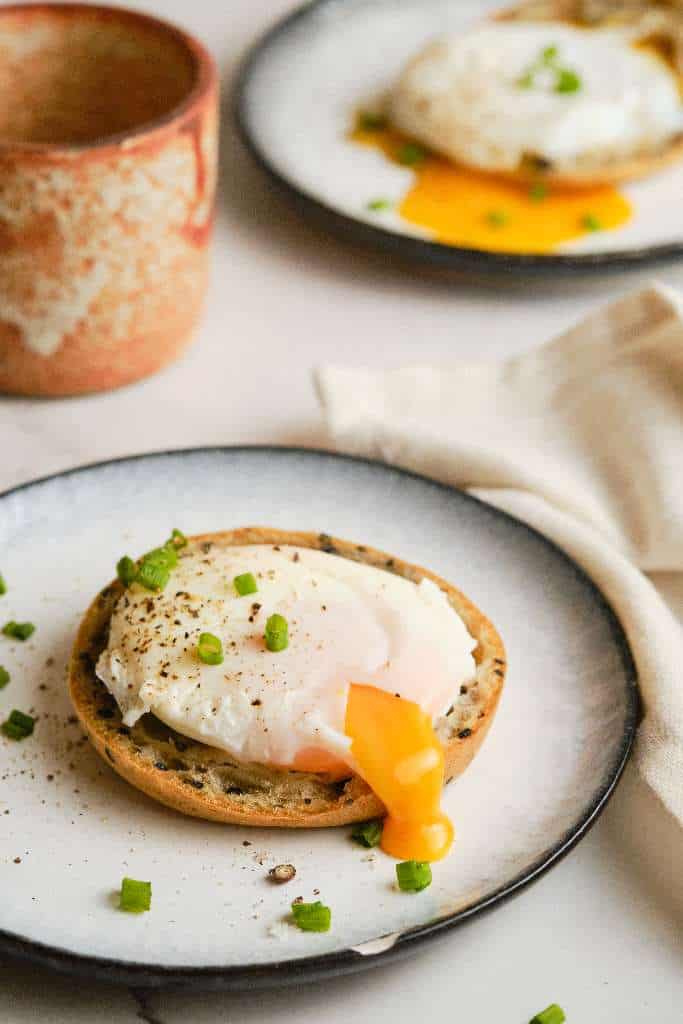
I think poached eggs are perfectly at home on English muffins and toast. If you’re in a baking mood, this Potato Bread recipe is a great option and toasts beautifully. Watching your carbs? Serve the eggs on a bed of Sautéed Kale or Sautéed Spinach. Or top on a bowl of Chicken Ramen Noodles. There’s really no wrong way to enjoy poached eggs!
Ingredients
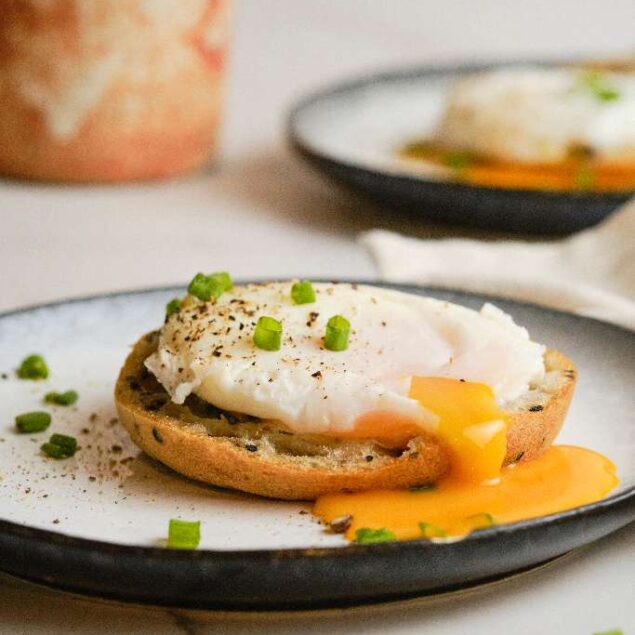
- 2 large eggs
- 1 tablespoon white wine vinegar
- Pinch of salt and pepper
Instructions
- Crack the eggs in separate small bowls and set aside.
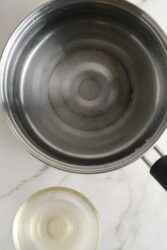
- Bring a large pot of water to a boil. Add the vinegar then reduce to low heat. Stir the water to create a vortex, then pour the egg into the middle of the vortex.
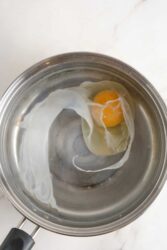
- Slowly simmer the eggs for 3 minutes, then remove the poached egg from the water. Set on a paper towel to remove excess water.
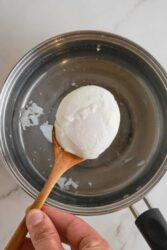
- Season the poached eggs with salt and pepper. Serve on bread or toast and garnish with chopped chives.

Nutrition Info:
Nutrition information are estimates only and may vary based on the specific brands, ingredients, and portion sizes you use. This data is provided for informational purposes only.



Leave a Comment