

A Filipino twist on hard-boiled eggs that you have to try!
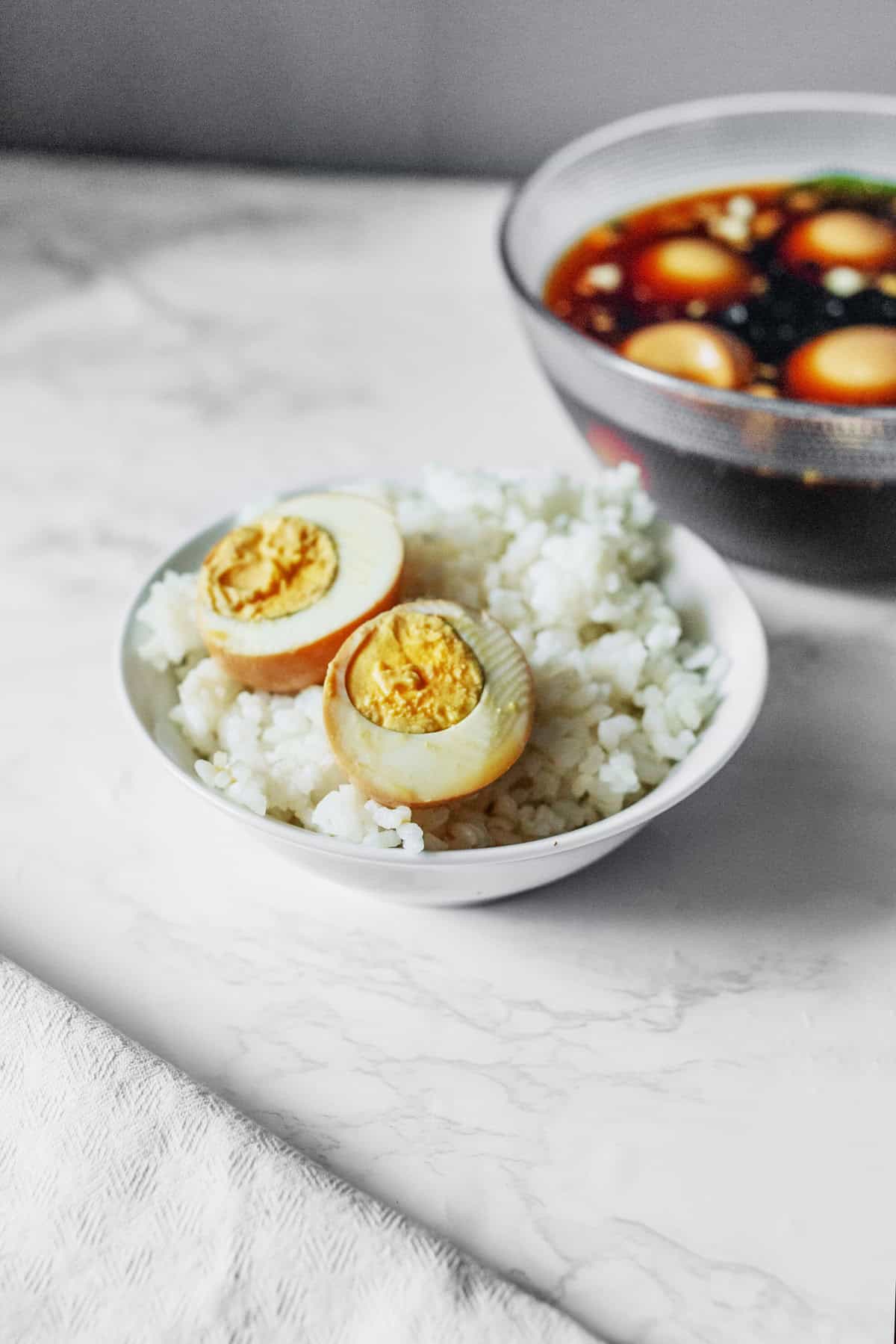
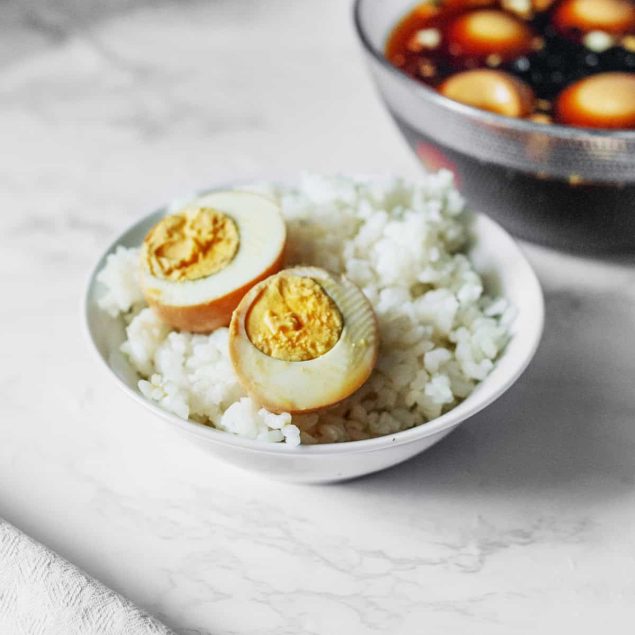
For fans of hard-boiled eggs, sometimes it’s important to nudge ourselves out of our comfort zones. While convenient and nutritious, plain hard-boiled eggs can start to get one-dimensional pretty fast. They’re really the perfect blank canvas for upgrading with a wide array of unique flavors, and it’s a missed opportunity if you aren’t doing exactly that. So before you slice one up to toss on a salad or eat plain with a little sprinkle of salt, I’d like to present to you the idea of Filipino adobo eggs.
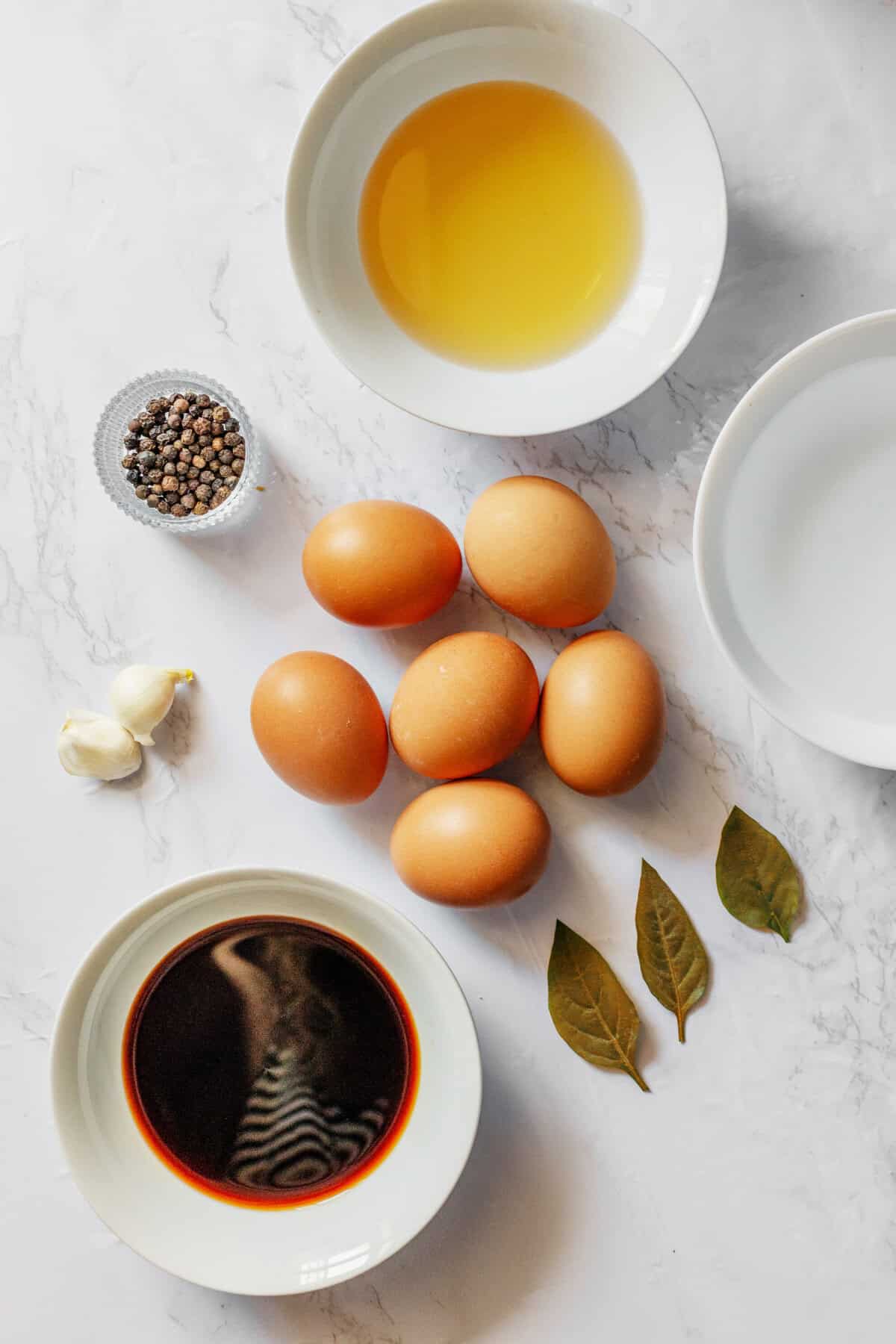
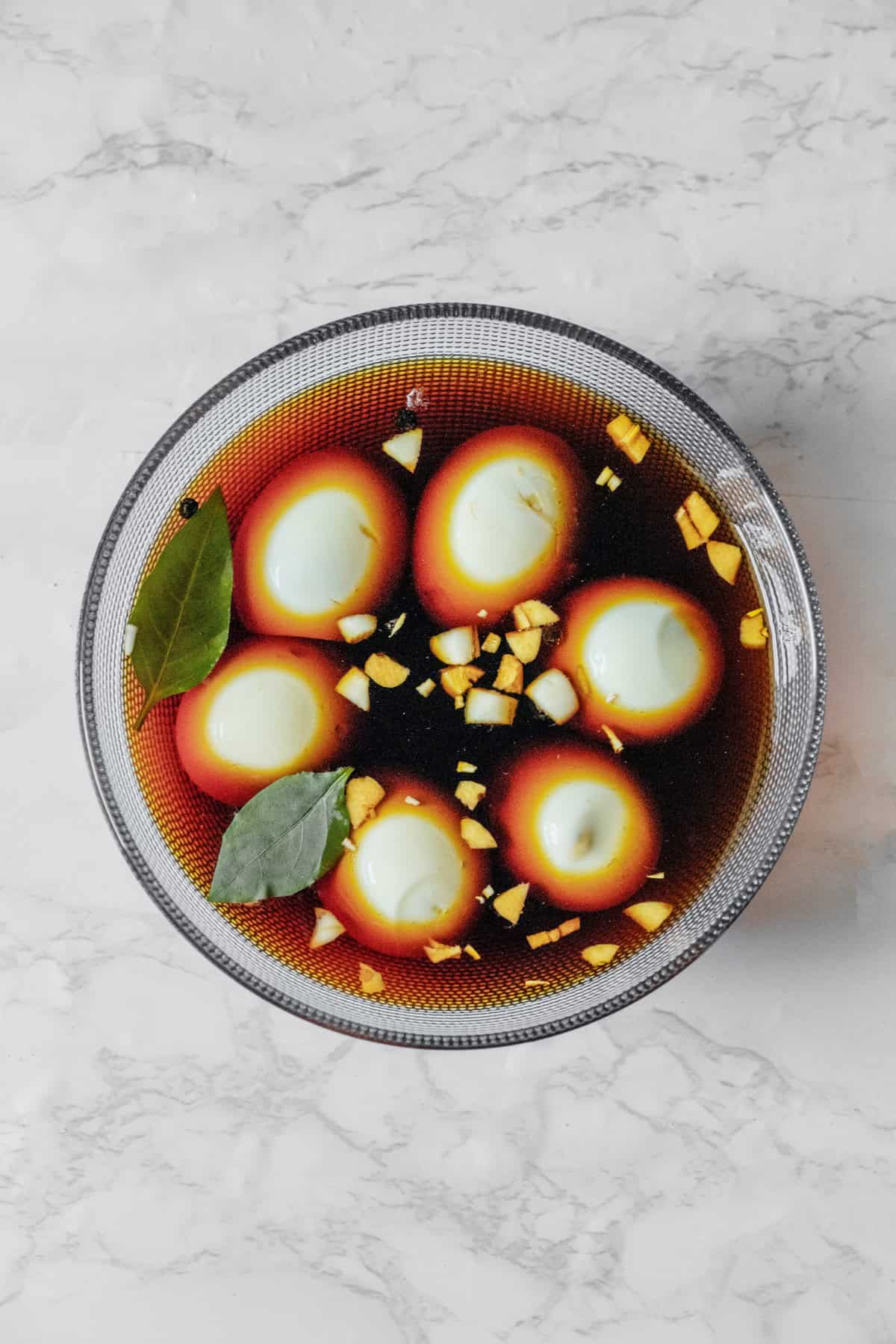
What’s that, you ask? Rather than eating the plain hard-boiled eggs straight from the pan, you peel them and let them marinate in an umami-packed mixture of soy sauce, garlic, vinegar, bay leaves, and black pepper. I promise, it’s a hard-boiled egg that’s nothing like you’ve tasted before. They are absolutely perfect on a bed of rice, in a soup, or with a bowl of ramen. The marinade does all the work (okay, you do have to boil and peel the eggs yourself), so you can turn to this recipe as an easy way to transform basic eggs into something you actually crave.
Are Filipino Adobo Eggs Healthy?
Eggs are a nutritious part of most diets. They’re high in protein while also being rich in B vitamins, vitamin E, vitamin D, and choline. However, because of the soy sauce marinade, Filipino adobo eggs contain quite a bit of sodium, which may be a concern for some people watching their salt intake. Therefore, this is a dish best enjoyed in moderation. Feel free to use a low-sodium soy sauce or coconut aminos instead.
Patience Is Key
The key to my Filipino adobo eggs is the marinade, and getting the most out of that marinade requires patience. Lots of it.
Unlike meat, which soaks up a marinade relatively quickly, eggs take their time. The longer they sit in the mixture, the deeper the flavor will develop. A few hours will be sufficient to give you a nice hint of adobo, but if it’s really bold flavor you’re after, let them sit overnight. This transforms the eggs into super savory morsels of umami goodness. So, take it from me: A little willpower goes a long way.
How Do I Store Leftovers?
After marinating the eggs, if any of them aren’t consumed right away, place them in an airtight container and leave them in the fridge for up to 2-3 days.

Serving Suggestions
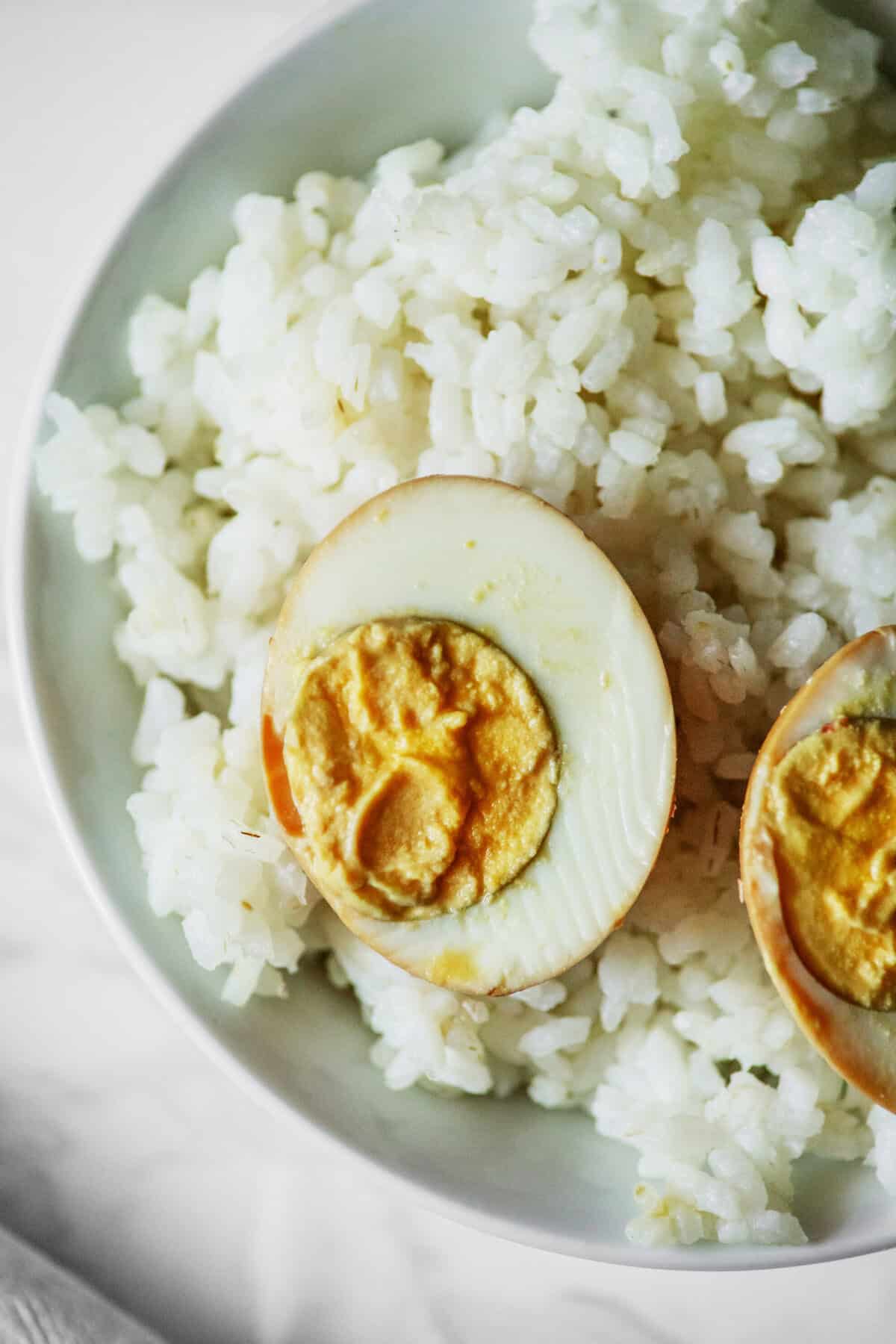
As mentioned, it’s common to serve Filipino adobo eggs over a bed of rice. I recommend using Whole30 Paleo Cauliflower Fried Rice or Vegetable Fried Rice. But something as simple as Cilantro-Lime Cauliflower Rice can work just as well. Noodle dishes can also benefit from a Filipino adobo egg. For example, you can cook Zucchini Noodles With Pesto Fried Eggs with a bonus adobo egg on top. Dropping an adobo egg in a bowl of soup is also a popular option. Consider trying this with Coconut Curry Soup With Sweet Potato Noodles.
Ingredients
- 6 large eggs
- 1/2 cup soy sauce
- 1/2 cup white vinegar
- 1 cup water
- 2 cloves garlic minced
- 1 teaspoon whole black peppercorns
- 2 bay leaves
Instructions
- Place eggs in a saucepan and cover with cold water. Bring to a boil over medium-high heat, then cover, remove from heat, and let stand for 12 minutes. Transfer eggs to a bowl of ice water to cool.

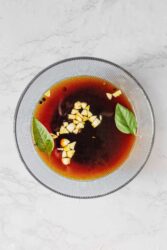
- In a separate bowl, combine soy sauce, vinegar, water, garlic, peppercorns, and bay leaves to create the adobo marinade.
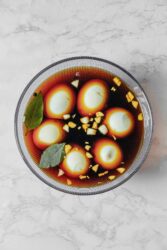
- Peel the cooled hard-boiled eggs and place them in the marinade, ensuring they are fully submerged. Cover and refrigerate for at least 4 hours or overnight for best flavor.
Nutrition Info:
Nutrition information are estimates only and may vary based on the specific brands, ingredients, and portion sizes you use. This data is provided for informational purposes only.


Leave a Comment