

Achieve the height of sophisticated mixology with this guide for crafting a timeless cocktail that would even impress James Bond.

No drink exemplifies class like a martini. After all, it’s the favorite cocktail of the coolest, suavest, classiest spy of all time, James Bond. And even though he’s a fictional character and not a real person, we all still aspire to his level of sophistication.
One way I achieve that is with this guide for how to make a dry martini. What’s the difference between a dry and a regular martini? They both start with gin and add dry vermouth, but it’s the ratio between the two that sets them apart. In bartending parlance, “dry” means less sweet, so a dry martini contains less of the sweeter ingredient, vermouth. My recipe holds to an industry standard ratio of five to one for a very gin-forward flavor profile. If you order a regular or “classic” martini at a bar, you’ll get a ratio that’s closer to two or three to one. It won’t taste sweet, per se, but it’ll be rounder and softer with more of a balance between the gin and vermouth flavors. Much less common is the sweet martini, made with red vermouth that has a much sweeter character.
Once you try this recipe and discover how it appeals to your palate, feel free to play with the ratios to find your “sweet” spot.
Why stir a martini instead of shake it?
James Bond was wrong. A classic martini is almost always stirred, not shaken. And for good reason. Stirring mixes the gin and vermouth with ice gently, chilling and diluting the drink without altering its texture. This preserves the martini’s hallmark crystal clarity, leaving it smooth, silky, and unclouded—a look and feel that cocktail fans cherish. In contrast, shaking vigorously breaks up the ice, introducing tiny air bubbles and chips that cloud the drink and result in a frothier, slightly watered-down texture. Stirring also maintains the distinct, layered flavors of good gin and vermouth, while shaking tends to mash them into a single, less nuanced profile.
Traditional bartending wisdom puts it simply: Stir clear, spirit-forward drinks like martinis and this Classic Manhattan Cocktail Recipe. Reserve shaking for cocktails with juices, syrups, or other non-alcoholic mixers that need more thorough blending, like The Best Classic Margarita Recipe or this Daiquiri Cocktail Recipe.

How do I store leftovers?
Store a leftover martini in an airtight glass container or bottle in the fridge for 1-2 days, and expect the aromatics to fade and the taste to go flatter over time. You can also freeze martinis for up to 1 week, though the high alcohol content means they’ll turn syrupy rather than solidifying. That makes freezing a great strategy for party batching. Keep the 5:1 ratio of gin to vermouth as you scale, and pour directly from the freezer into chilled glasses, adding fresh garnishes as you serve.

Serving suggestions
Serve a dry martini alongside an elegant meal that matches its storied history. A classic pairing might include an herby Rosemary Steak, savory Butter Potatoes, and an upscale Waldorf Salad. Finish strong with a decadent dessert, like Basque Cheesecake.

Ingredients
- 2 1/2 ounces gin
- 1/2 ounce dry vermouth
- Lemon twist or green olives for garnish
Instructions
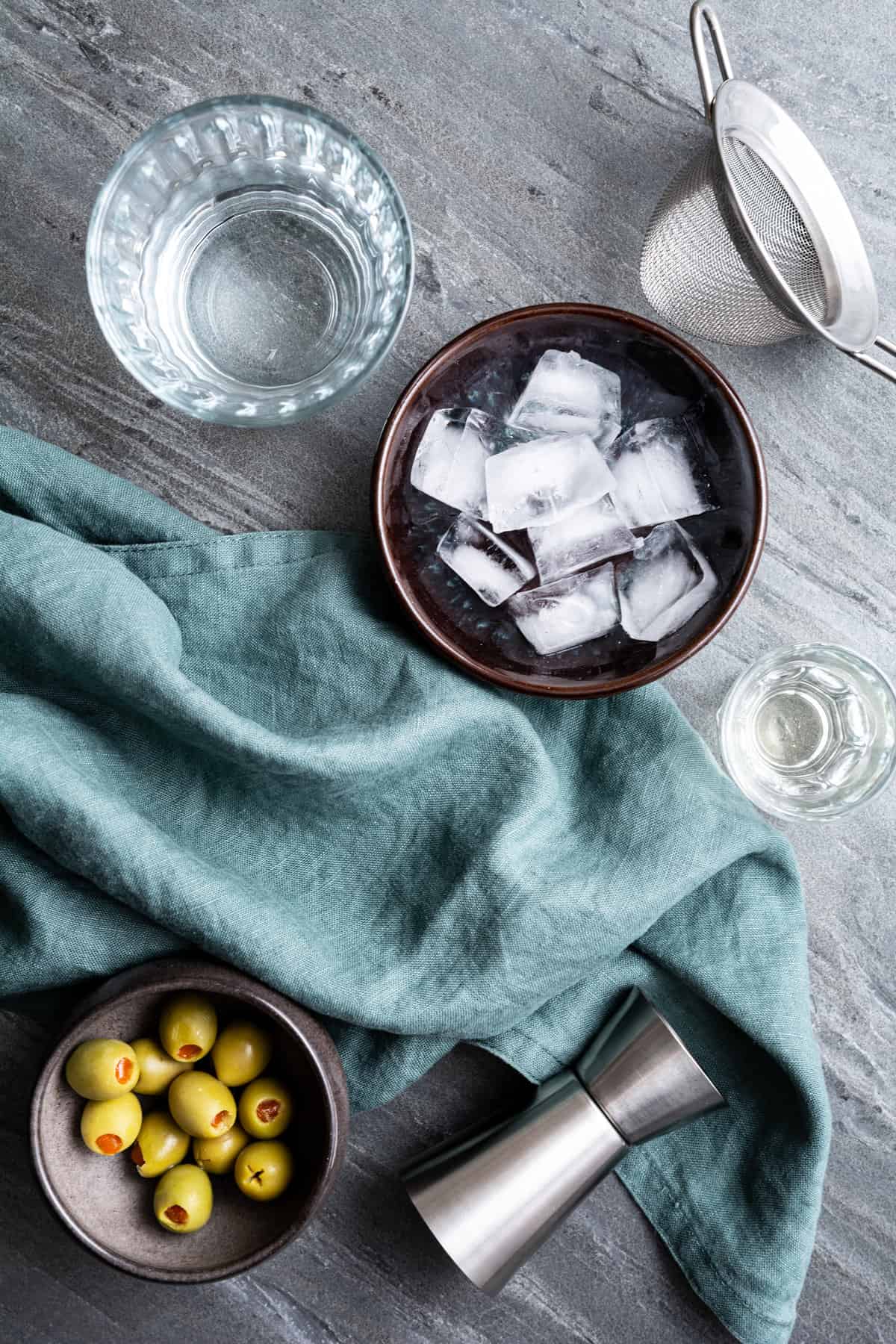
- Chill a martini glass by freezing it for at least 10 minutes or filling it with ice water while you make the cocktail.
- In a mixing glass, combine the gin and vermouth. Add plenty of ice and stir for about 30 seconds until well chilled and slightly diluted.

- Discard the ice from the martini glass. Strain the cocktail into the chilled glass.

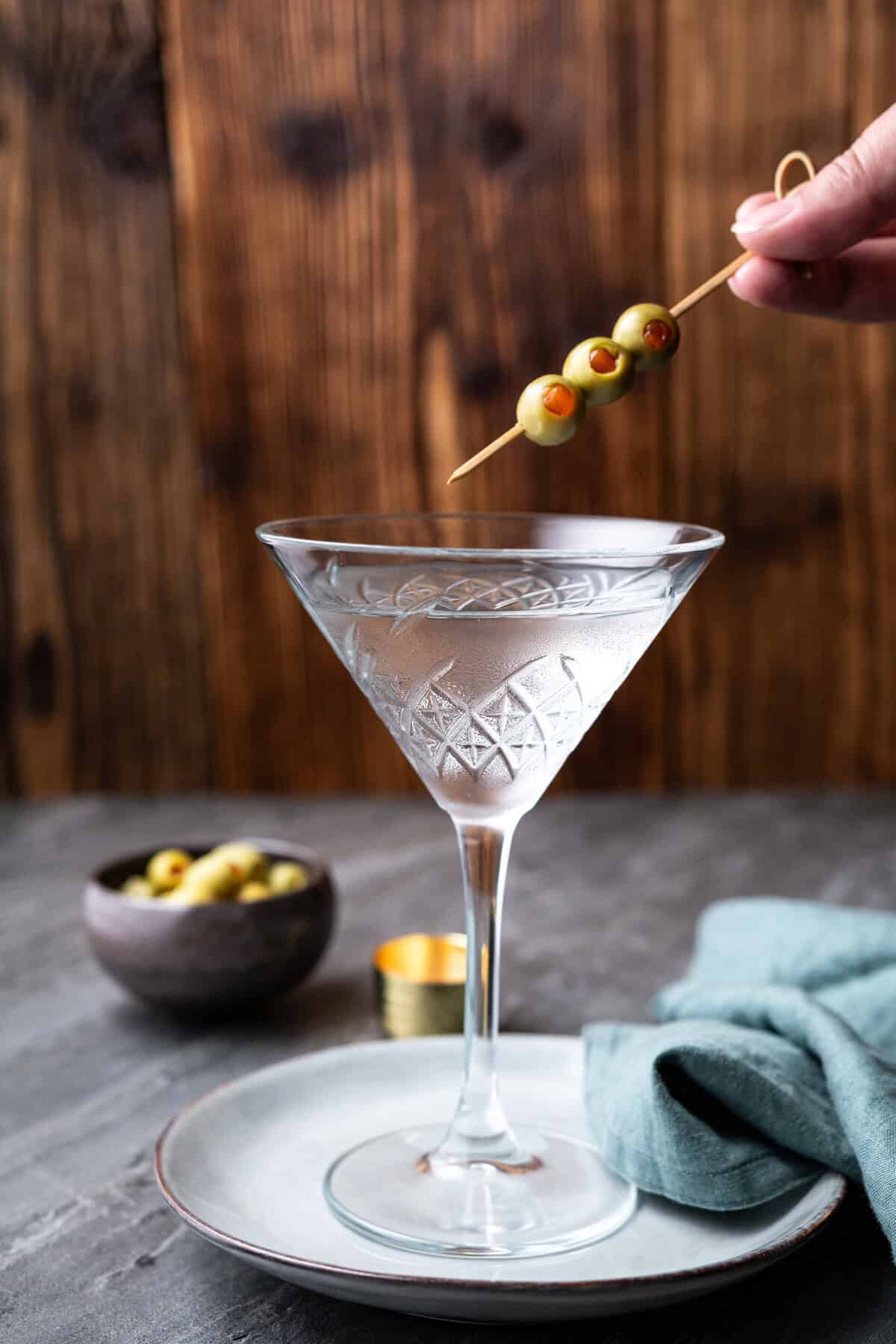
- Garnish with a lemon twist—express the oils over the surface, rub the rim, and drop it in—or add green olives on a pick.

Nutrition Info:
Nutrition information are estimates only and may vary based on the specific brands, ingredients, and portion sizes you use. This data is provided for informational purposes only.


Leave a Comment