

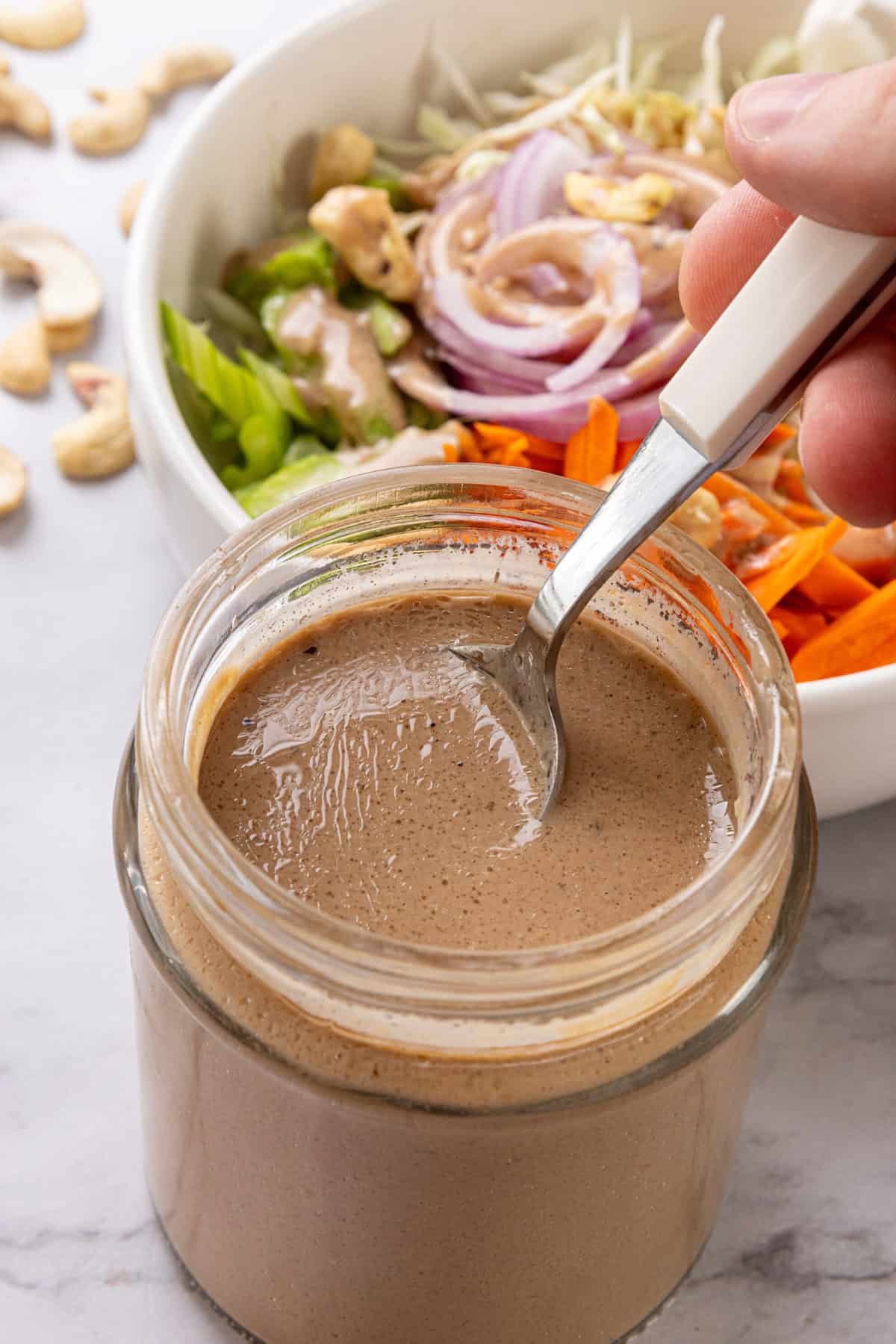
This Creamy Balsamic Dressing recipe will be your new favorite go-to for salads.
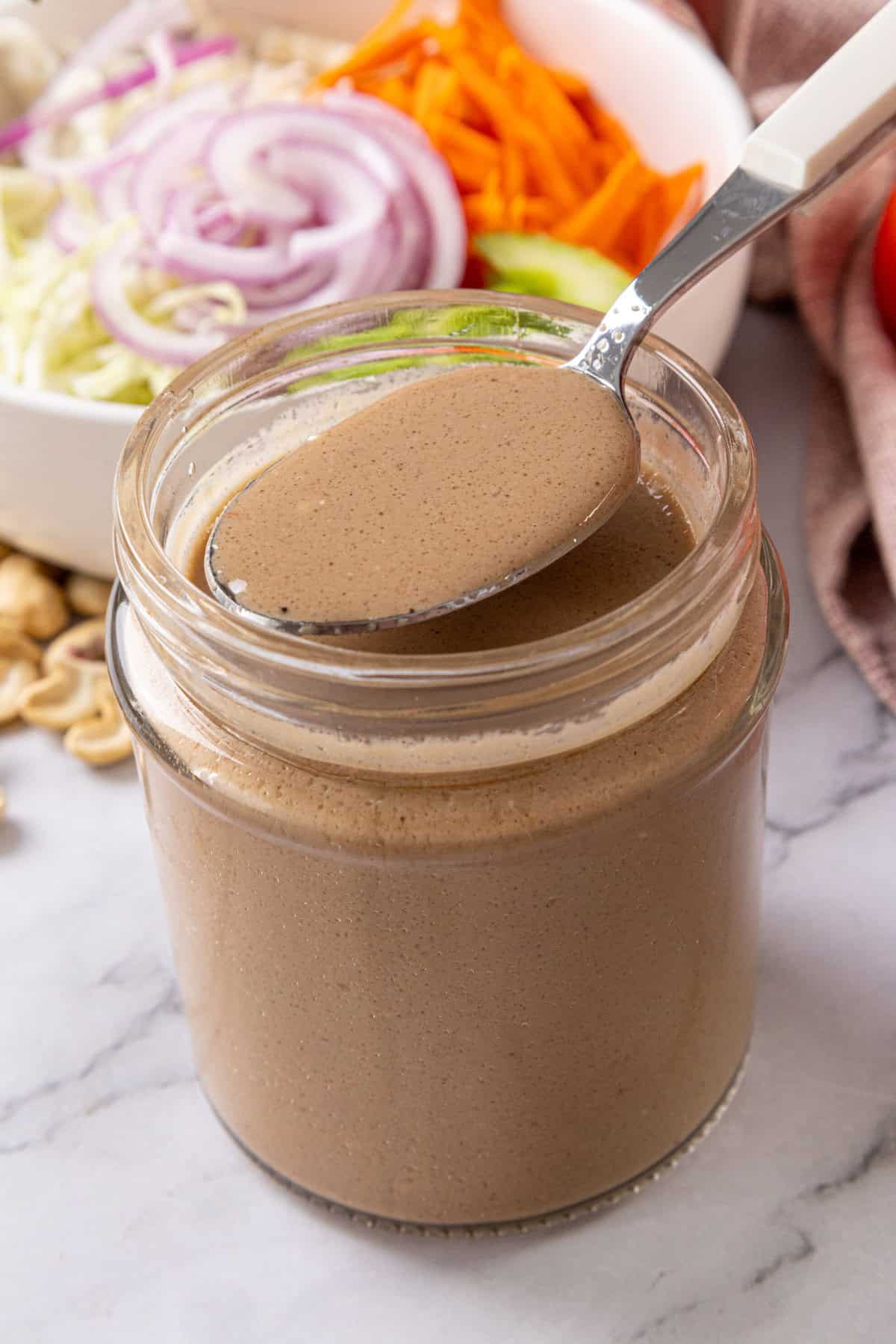
I rarely buy salad dressing at the store to avoid unnecessary additives and inferior cooking oils. Making dressings at home allows me to use high-quality ingredients, including extra-virgin olive oil (EVOO) rather than canola oil. I can also control the sweetness level by determining how much honey I want to add, as in this creamy balsamic dressing. I love experimenting with dressings so much that, a few years ago, I bought myself some nice glass dressing bottles to store my creations in, and I highly recommend it.
This creamy Greek yogurt-based dressing turns ordinary greens into a flavor party. The honey or maple syrup provides a touch of sweetness to complement the tangy Dijon mustard. You can omit the honey or maple syrup if desired, but it does help balance the acidity. Also, no blender is necessary—just a whisk to mix it all together. It doesn’t get much easier than that.
Is This Creamy Balsamic Dressing Healthy?
Homemade salad dressing is often healthier than products you can buy in the store, as long as you are careful about what you include. The goal of making a healthy salad dressing is to use oils such as olive or avocado and limit the sugar you add. Using Greek yogurt instead of mayonnaise or sour cream helps cut calories and fat. This creamy balsamic dressing recipe provides plenty of flavor, along with antioxidants, probiotics, and other healthy nutrients. You can make this dressing vegan by opting for maple syrup and vegan yogurt. Any plain, plant-based yogurt without added sweeteners and flavorings will work.
Creamy Balsamic: Not Just For Salads
While the first use that comes to mind for creamy balsamic dressing is leafy green salads, there is so much more you can do with it. Surround a bowl of this dressing with your favorite veggie dippers, like carrots, celery, bell peppers, zucchini, and jicama. Crunch away to your heart’s content, knowing this is a much healthier dipping option for your snack time.
You can also drizzle it on quinoa bowls, stir-fry recipes, roasted vegetables, rice bowls, grilled chicken or fish, and pasta salads. Many salad dressings work well in these dishes.
How Do I Store Leftovers?
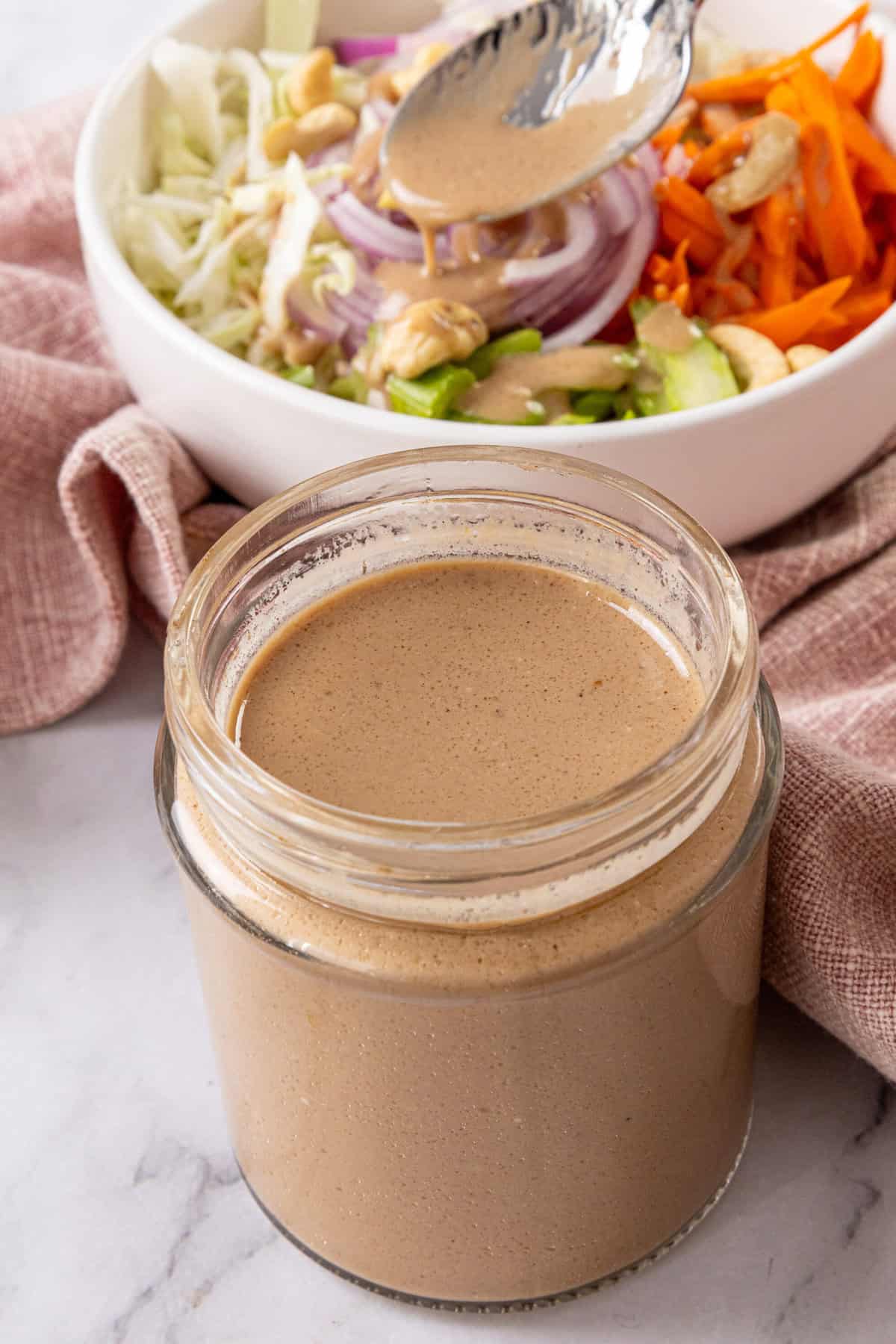
Refrigerate the dressing for up to 5 days in an airtight container. Give the container a shake or mix the contents before serving.
Serving Suggestions
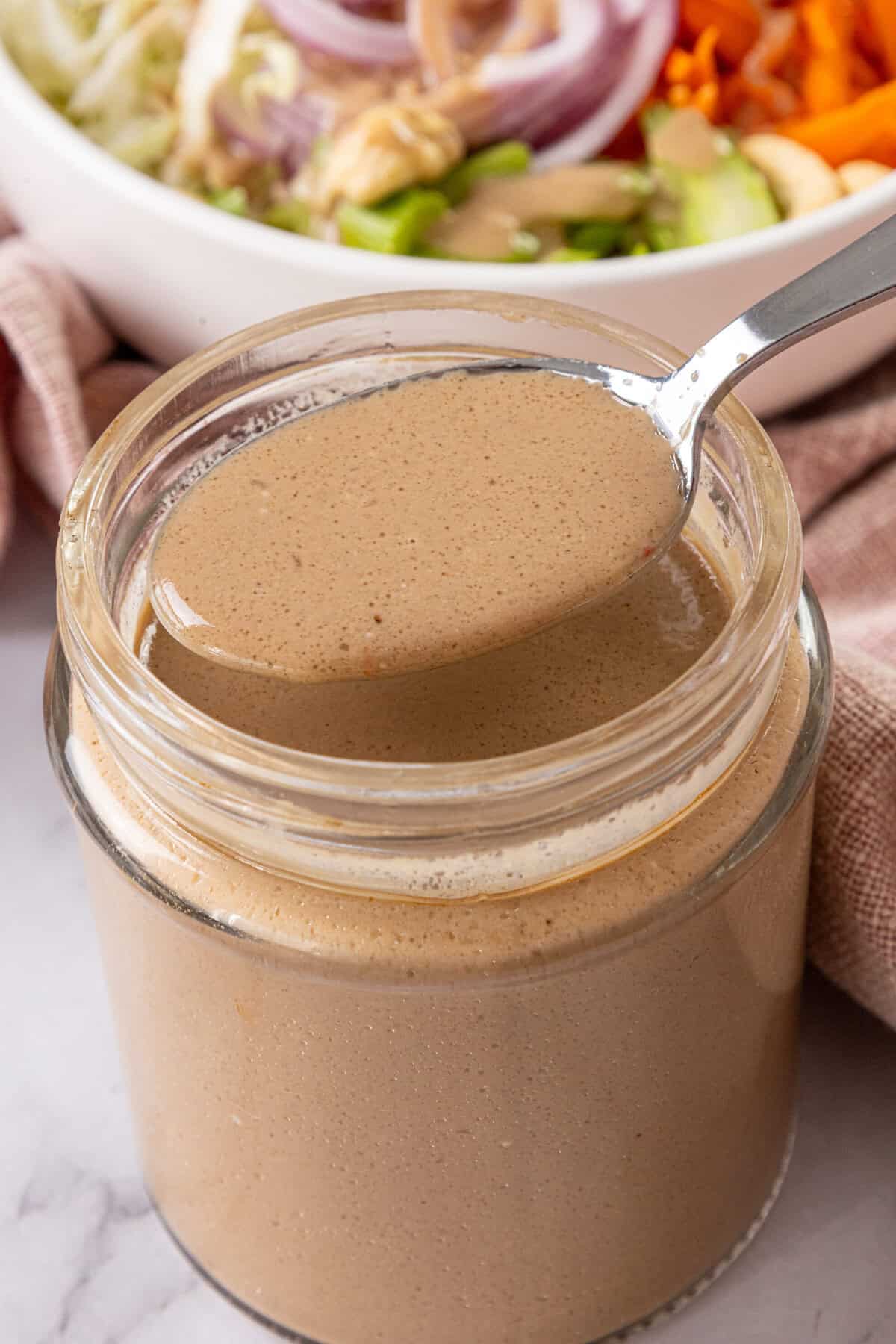
Aside from using creamy balsamic dressing on your salad, you can use it as a marinade in dishes such as Chicken And Potatoes, drizzled on Poached Fish, Quinoa Fried Rice, or Air-Fryer Vegetables, or as a dipping sauce for Roasted Snap Peas. No matter how you serve it, this dressing is one you will enjoy frequently.

Ingredients
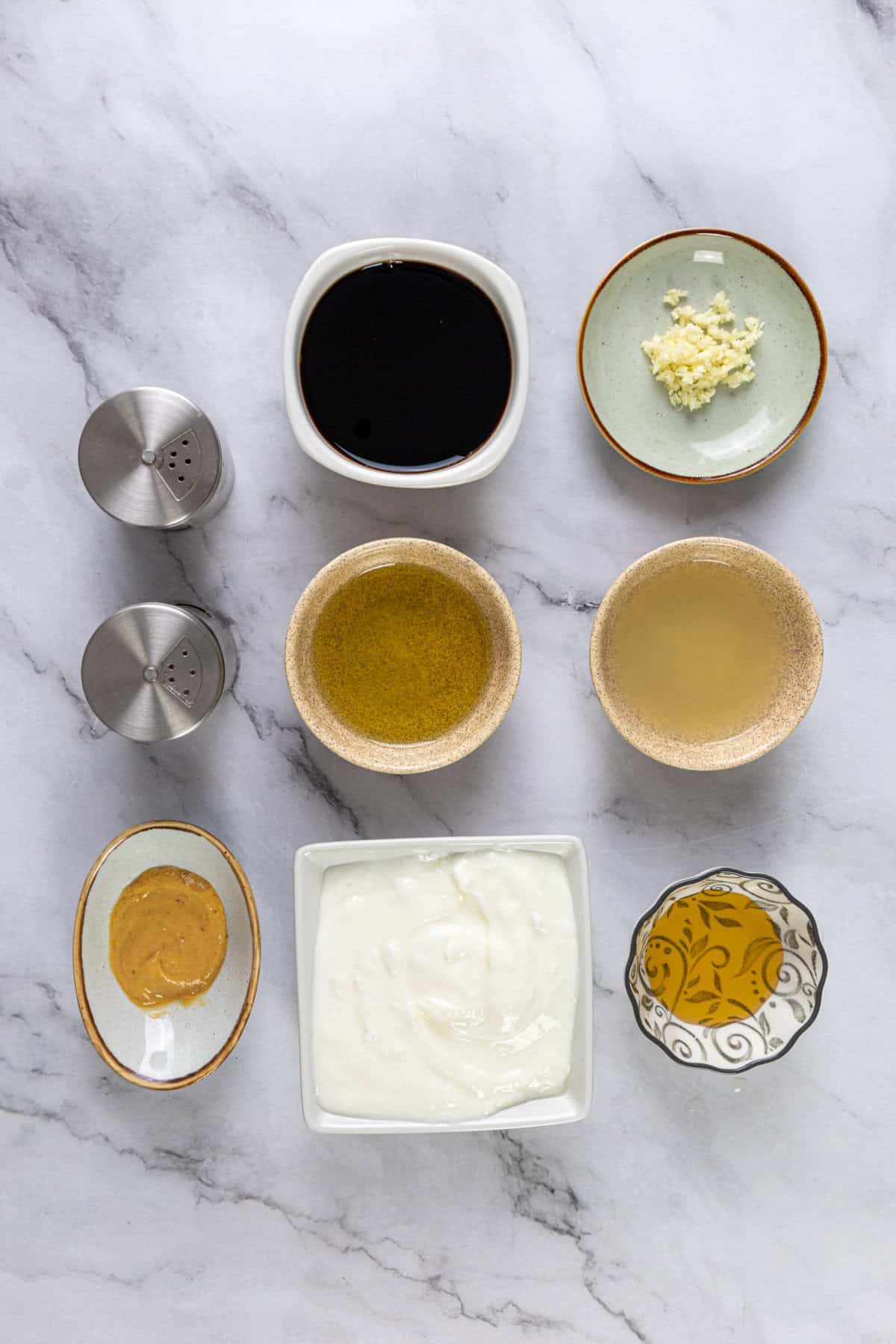
- 1 cup plain low-fat Greek yogurt
- 2 tablespoons extra-virgin olive oil
- 1/2 cup balsamic vinegar
- 2 tablespoons lemon juice
- 1 tablespoon honey or maple syrup
- 1 clove garlic minced
- 1 1/2 teaspoons Dijon mustard
- Salt to taste
- Black pepper to taste
Instructions
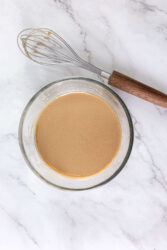
- In a bowl, whisk together Greek yogurt, olive oil, balsamic vinegar, lemon juice, honey, minced garlic, and Dijon mustard until well blended.
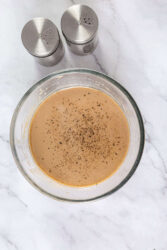
- Season the dressing with salt and black pepper to taste.
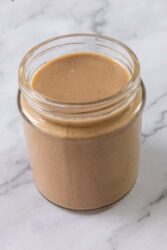
- Transfer the dressing to a jar or airtight container and refrigerate for at least 30 minutes to allow the flavors to meld.
Nutrition Info:
Nutrition information are estimates only and may vary based on the specific brands, ingredients, and portion sizes you use. This data is provided for informational purposes only.


Leave a Comment