

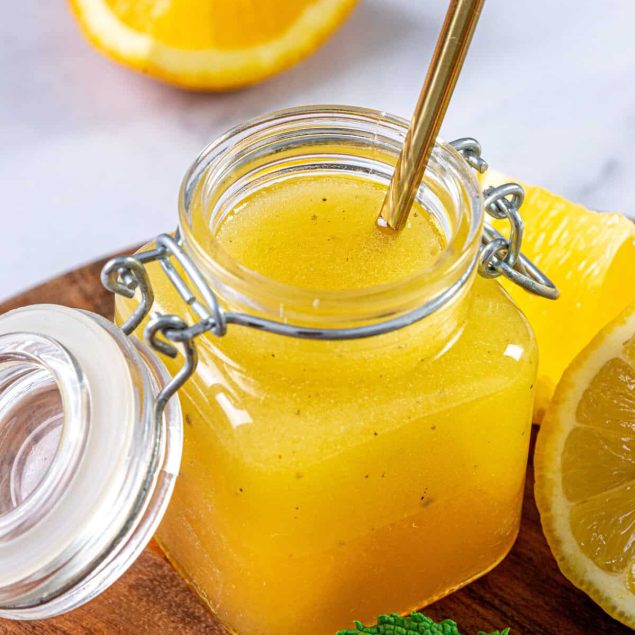
A tangy and sweet salad dressing that’s filled with fresh flavor.
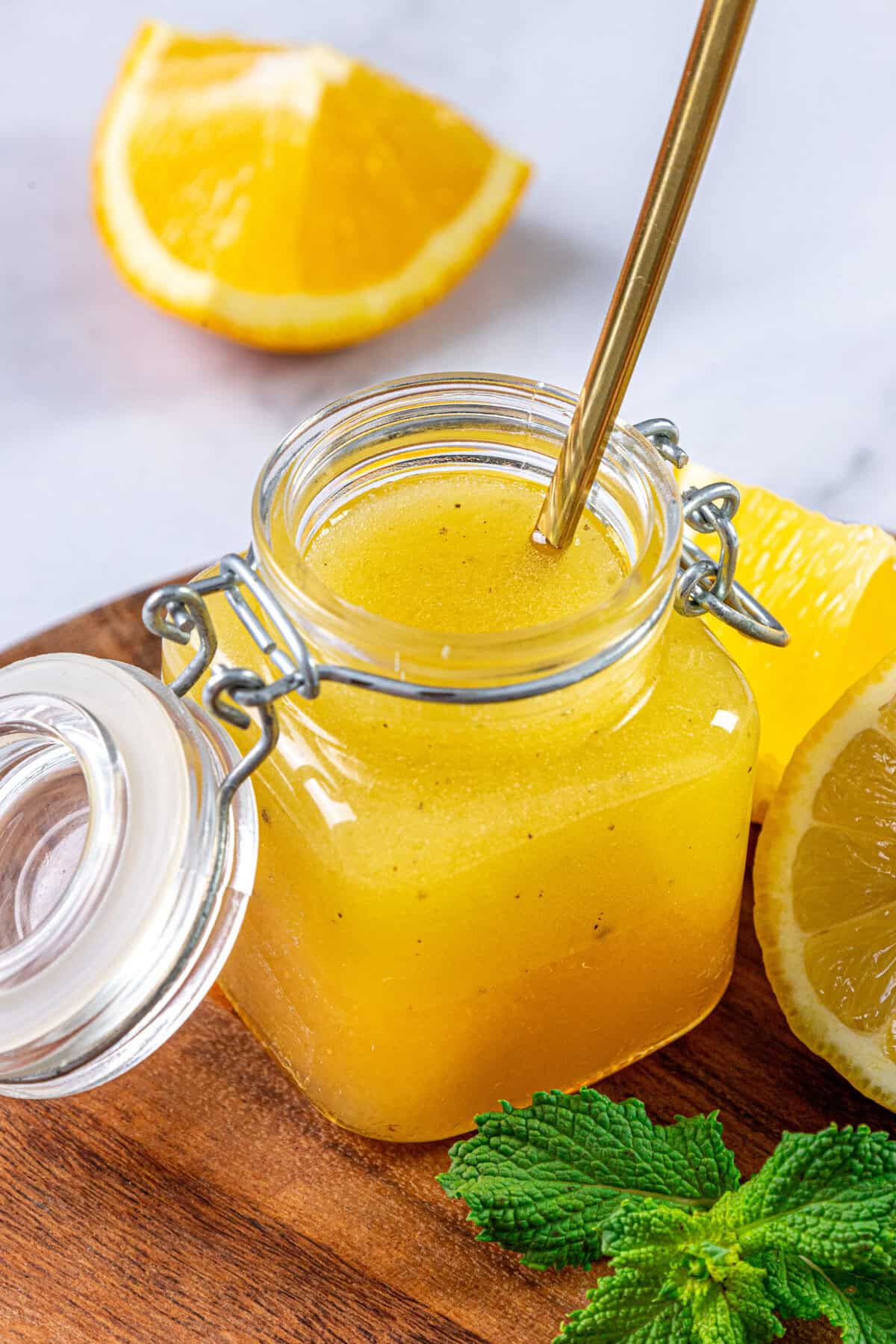
If you’re someone who eats a lot of salads, you might get tired of having the same kind of salad dressing again and again. Even as a huge fan of ranch dressing, I like to mix it up every now and then by experimenting with something different. One of my favorites is a citrus salad dressing. It’s easy to put together using ingredients most people already have in their kitchen, and it makes even the most basic salad feel a little more thoughtful.
The flavor is bright and a little unexpected, with sweetness and acidity from both orange and lemon juice. It plays off the slight bitterness of a fresh green salad really well. A spoonful of honey softens the sharpness without making it too sweet, and Dijon mustard adds just the right amount of tang. I usually make a little extra and keep it in the fridge to drizzle over roasted vegetables or grilled chicken. It’s surprisingly versatile and takes almost no effort.
What I love most about this dressing is how fresh it tastes. It reminds me of warm days when the last thing I want to do is fuss over anything too heavy or complicated. It wakes up whatever you pour it on, especially peppery arugula or mixed greens with fruit. If you’ve never made your own dressing before, this is a good one to start with—it’s quick, forgiving, and honestly better than anything that’s been sitting on a store shelf for six months.
Is This Citrus Salad Dressing Healthy?
It’s pretty healthy. The two types of citrus juice used (orange and lemon) provide a little vitamin C, while the extra-virgin olive oil offers some heart-healthy monounsaturated fats.
This citrus salad dressing also uses natural ingredients while minimizing refined sugars and sodium, making it a more nutritious option than what you’d typically find in store-bought dressings. If you wanted to make it vegan, you could swap out the honey for some agave instead.

Keep It Fresh
The most important factor when making a citrus salad dressing is using fresh ingredients. If possible, the orange juice and lemon juice should be freshly squeezed. This will produce the best possible quality. I’ve found that having a juicer comes in handy because it gives you fresh juice while also keeping seeds out of the dressing. It’s also important to use the correct amount of Dijon mustard and extra-virgin olive oil because these ingredients are key to the emulsifying process.
How Do I Store Leftovers?
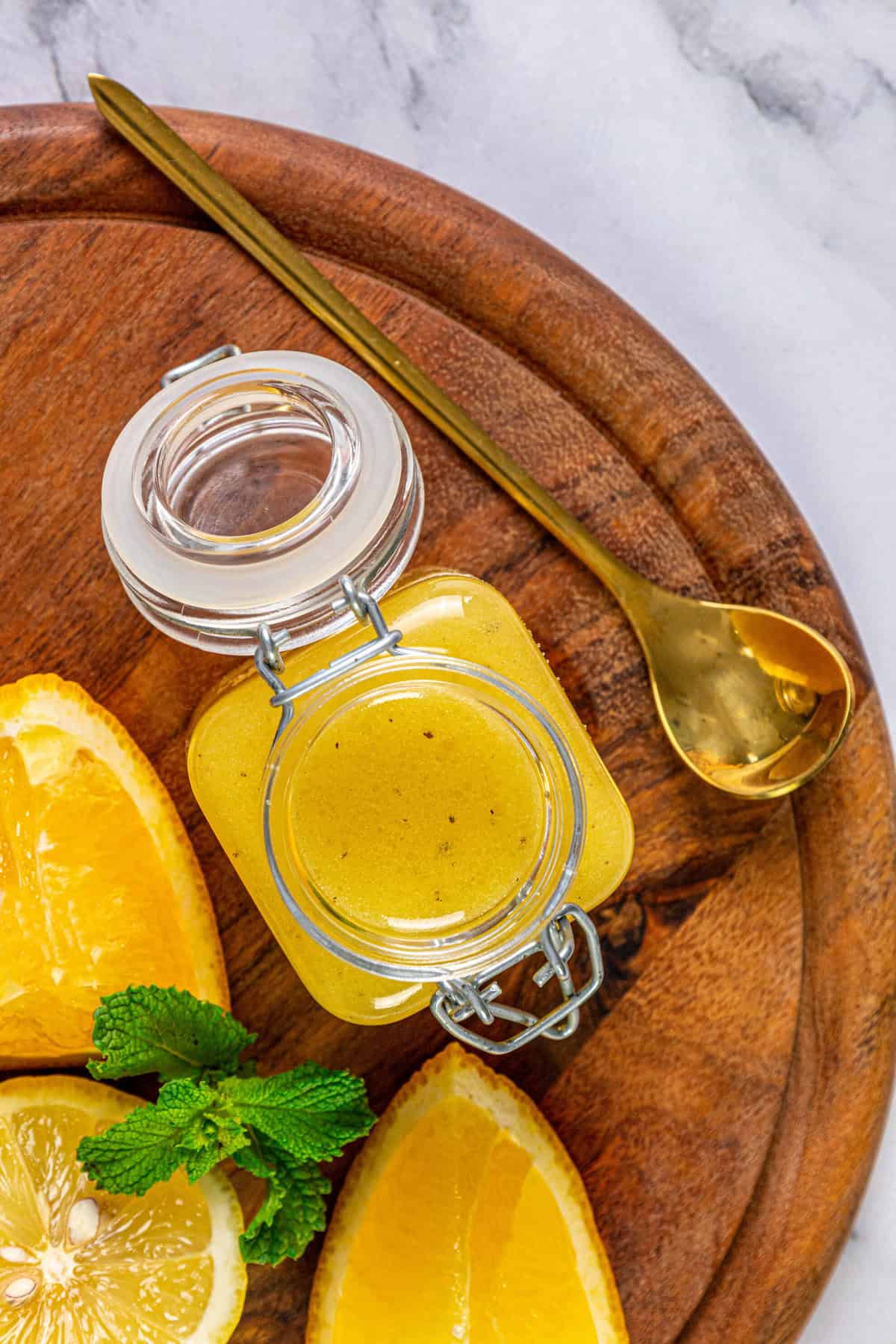
It’s important to store your salad dressing in the fridge using an airtight container. Use it within 3 days.
Serving Suggestions
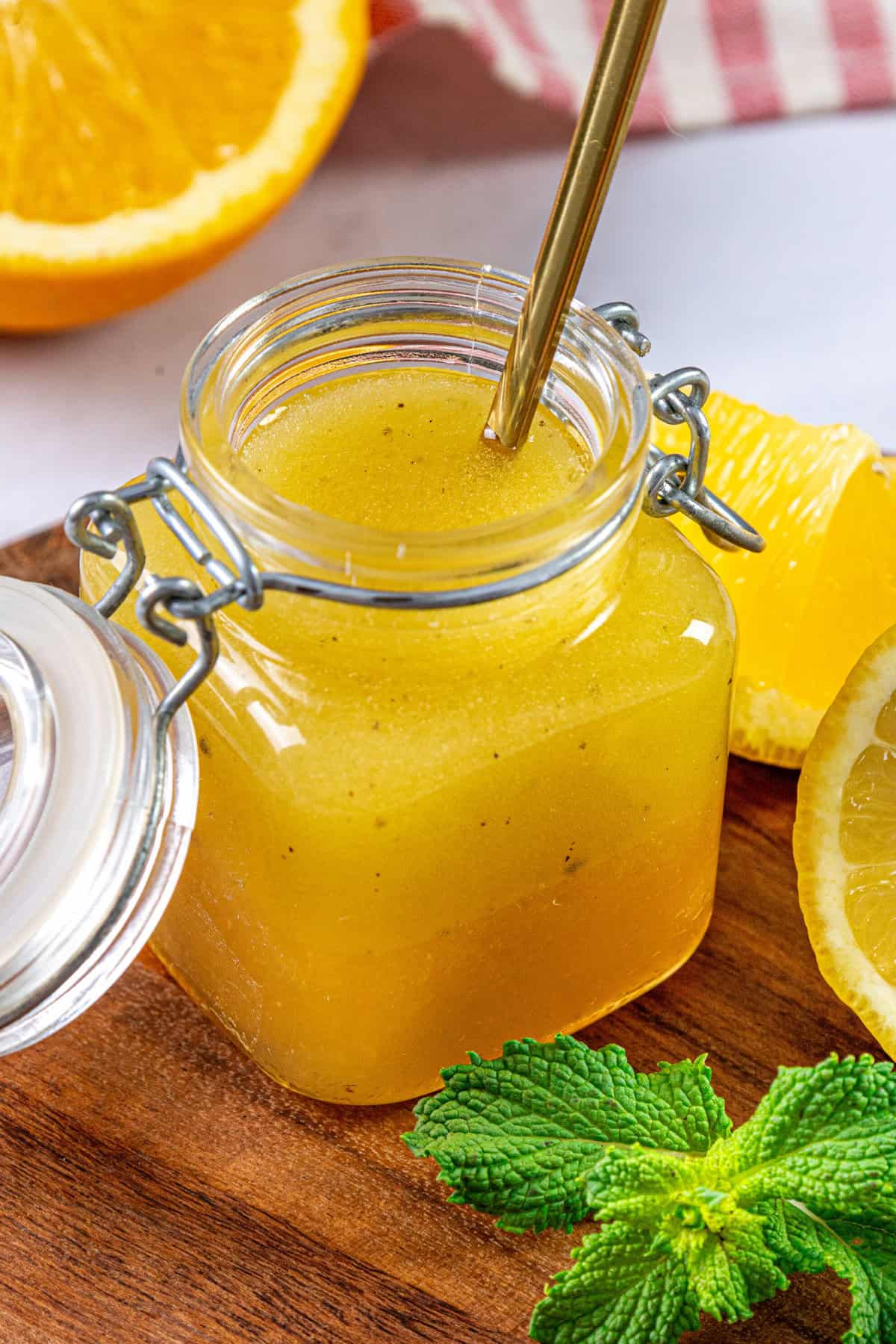
Naturally, a citrus salad dressing can be used on any salad you like. In the past, I’ve used it on a Healthy Chicken Cobb Salad. In addition to traditional salads, you can also use this dressing on Pasta Salad and Quinoa Salad. If you like this dressing, you should also consider using it as a marinade, perhaps on some Air-Fryer Grilled Chicken.
If you’d like to try other salad dressings with a twist of fruit, I recommend this Homemade Strawberry Vinaigrette, especially during the summer.
Ingredients
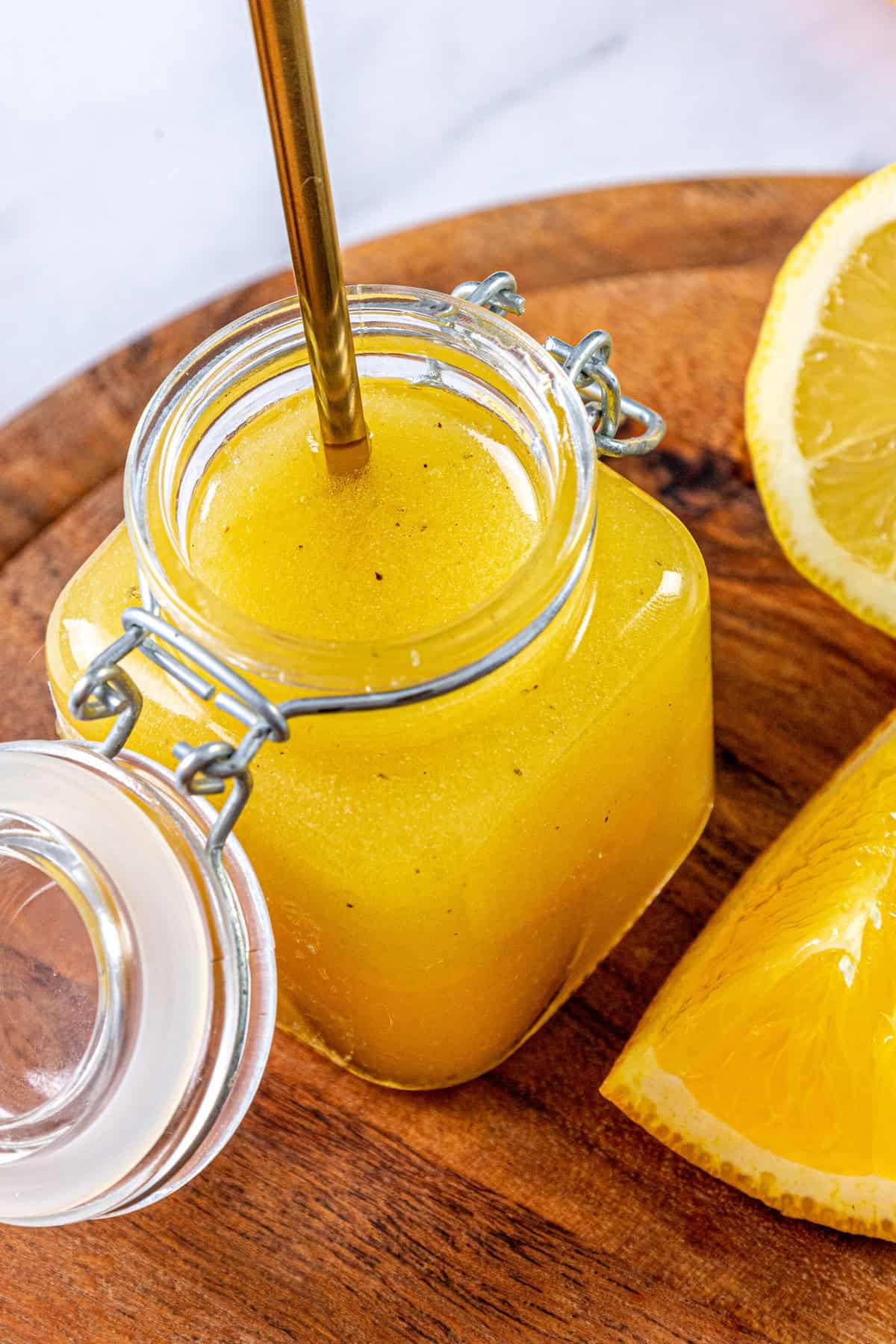
- 1/4 cup fresh orange juice
- 1 tablespoon fresh lemon juice
- 1 tablespoon honey
- 1/2 teaspoon Dijon mustard
- 1/2 cup extra-virgin olive oil
- 1/4 teaspoon kosher salt
- 1/8 teaspoon freshly ground black pepper
Instructions
- In a bowl, whisk together orange juice, lemon juice, honey, and Dijon mustard.

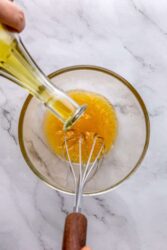
- Slowly drizzle in the olive oil while continuously whisking to create an emulsion.
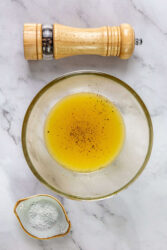
- Season with salt and pepper, then whisk again to ensure all ingredients are well combined.
Nutrition Info:
Nutrition information are estimates only and may vary based on the specific brands, ingredients, and portion sizes you use. This data is provided for informational purposes only.



Leave a Comment