

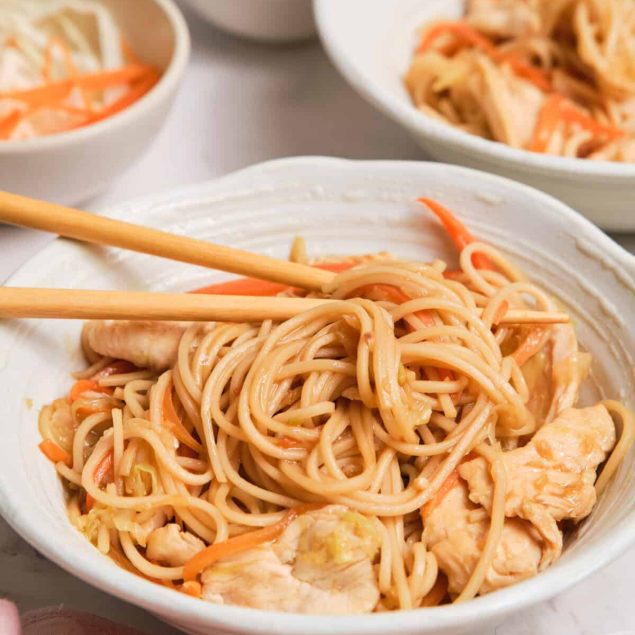
Skip the restaurant takeout and make this delicious homemade version of Chicken Chow Mein.

The very first Chinese dish I remember liking as a child was chicken chow mein. As my taste buds matured, I graduated to sweet and sour chicken, egg foo young, moo shu chicken, and finally, orange beef. I no longer have a favorite as it’s more about what I’m in the mood for at any given time, but chicken chow mein still holds a place in my heart.
Creating many of these dishes at home is easy and far more cost-effective than ordering takeout from your favorite neighborhood restaurant, not to mention healthier, as you control the ingredients. Chow mein is an easy-to-make stir-fry dish that comes together in only 35 minutes. You can easily add other vegetables to make this recipe heartier and to stretch it further.
The traditional version of this recipe calls for fresh stir-fry noodles, but you can use packaged chow mein noodles (not the crunchy fried kind that are used in salads), rice noodles, shirataki (Miracle) noodles, or any other long, thin pasta you prefer. You can even use ramen noodles, just discard the seasoning packet that comes with them.
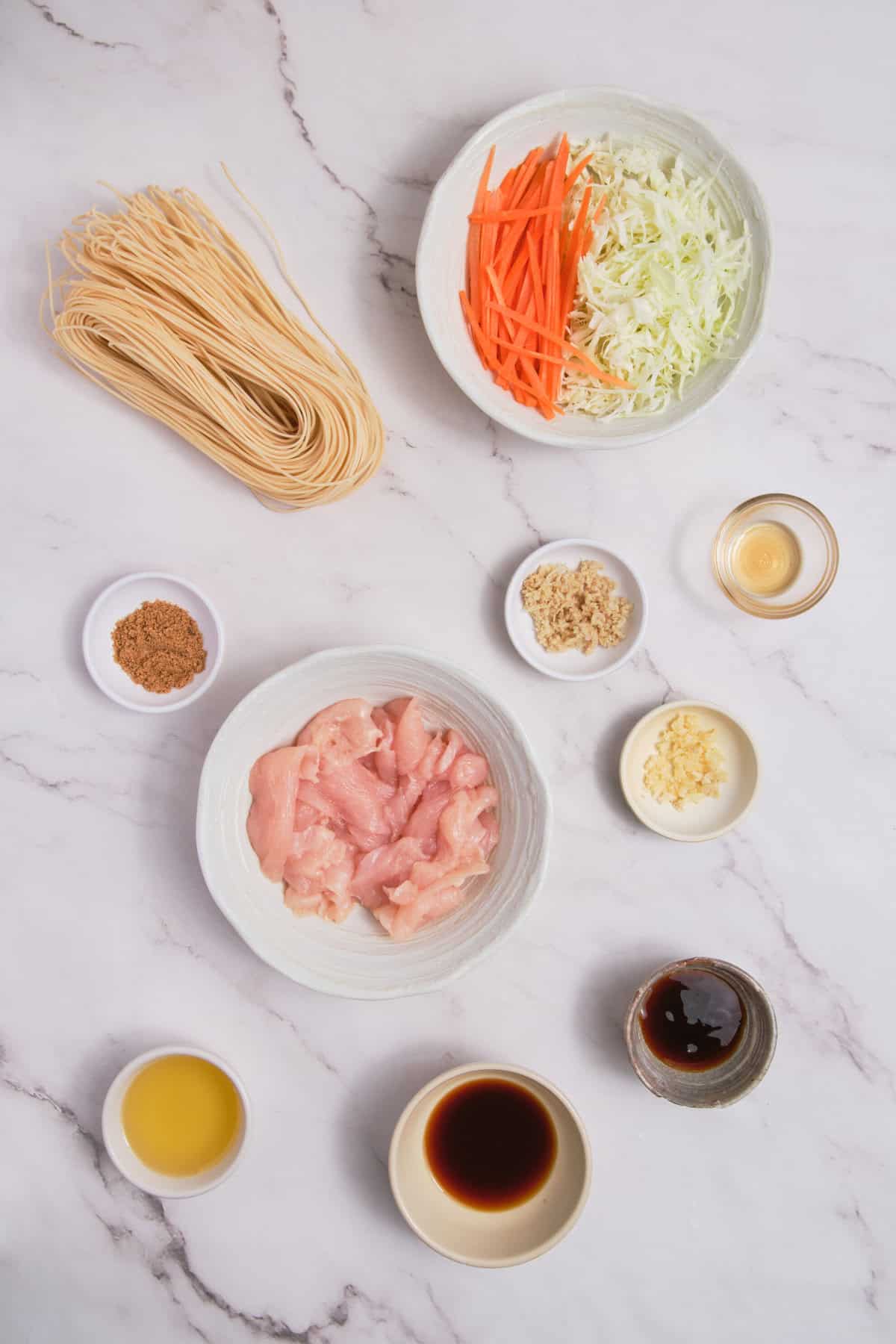
One of the things I like best about chow mein is that all the veggies are in the same julienned “noodle shape” as the noodles. That way, everything sort of sticks together with every bite. It is as pretty to look at as it is tasty to eat.
Is Chicken Chow Mein Healthy?
Chow mein can be part of a healthy diet when made at home, as you can eliminate excess sodium and other ingredients that restaurants may add. However, this dish does still contain a significant amount of sodium, which is why low-sodium soy sauce is recommended. If you want to make the dish gluten-free, consider swapping the soy sauce for tamari, coconut aminos, or low-sodium gluten-free soy sauce. Don’t forget to use gluten-free noodles. Adding more vegetables will help improve the nutritional profile of this meal, too.
What Is The Difference Between Chow Mein And Chop Suey?
My number one question at Chinese restaurants when I was young was about the difference between chow mein and chop suey. The most common answer is that chow mein has noodles and chop suey is served with rice, though it can be served atop a bed of noodles.
Both dishes involve stir-frying vegetables and protein. But chow mein is an authentic Chinese dish, while chop suey is actually a Chinese-American dish. Authentic chow mein uses boiled noodles added towards the end of stir-frying. Some American Chinese restaurants use crispy pan-fried noodles, taking away from the authentic feel of the dish. Chop suey also has a thicker brown sauce than chow mein, which has a thin, soy sauce-based sauce.

How do I store leftovers?
Let chicken chow mein cool to room temperature before refrigerating it in an airtight container for up to 4 days. Alternatively, after cooling, you can freeze it in a freezer-safe bag or container for up to 2 months. Let the chow mein thaw overnight in the refrigerator before reheating in the microwave or on the stove.
Serving Suggestions
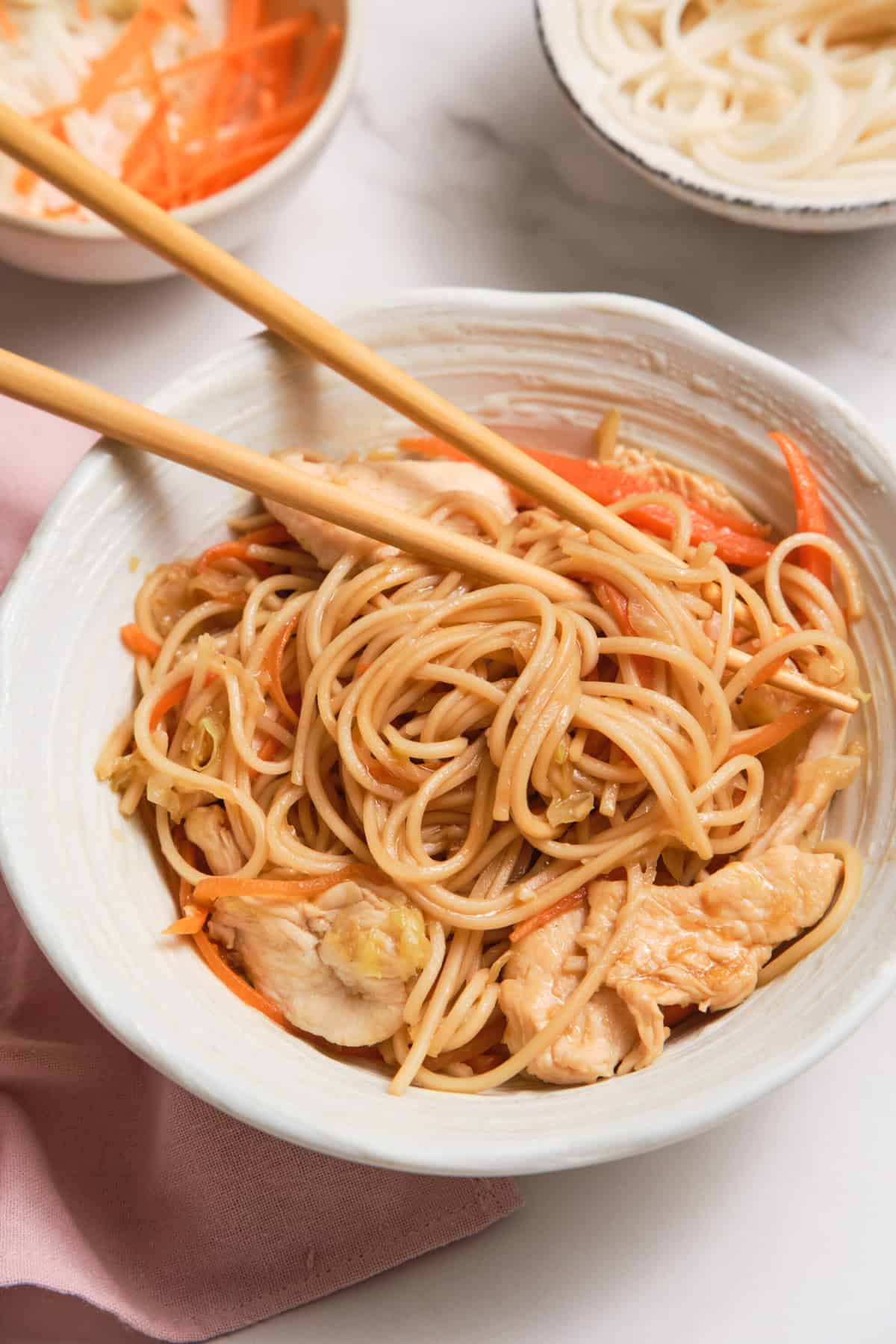
You don’t need any rice when serving chicken chow mein, as it comes with its own noodles. However, if you are like me, you always want some fried rice with every Chinese meal. I highly recommend Salmon Fried Rice or Vegan Fried Rice for a lighter dish. Make some Egg Drop Soup, Shrimp Spring Rolls, and Peanut Sauce For Spring Rolls, and you have the makings for a delicious meal.
Ingredients
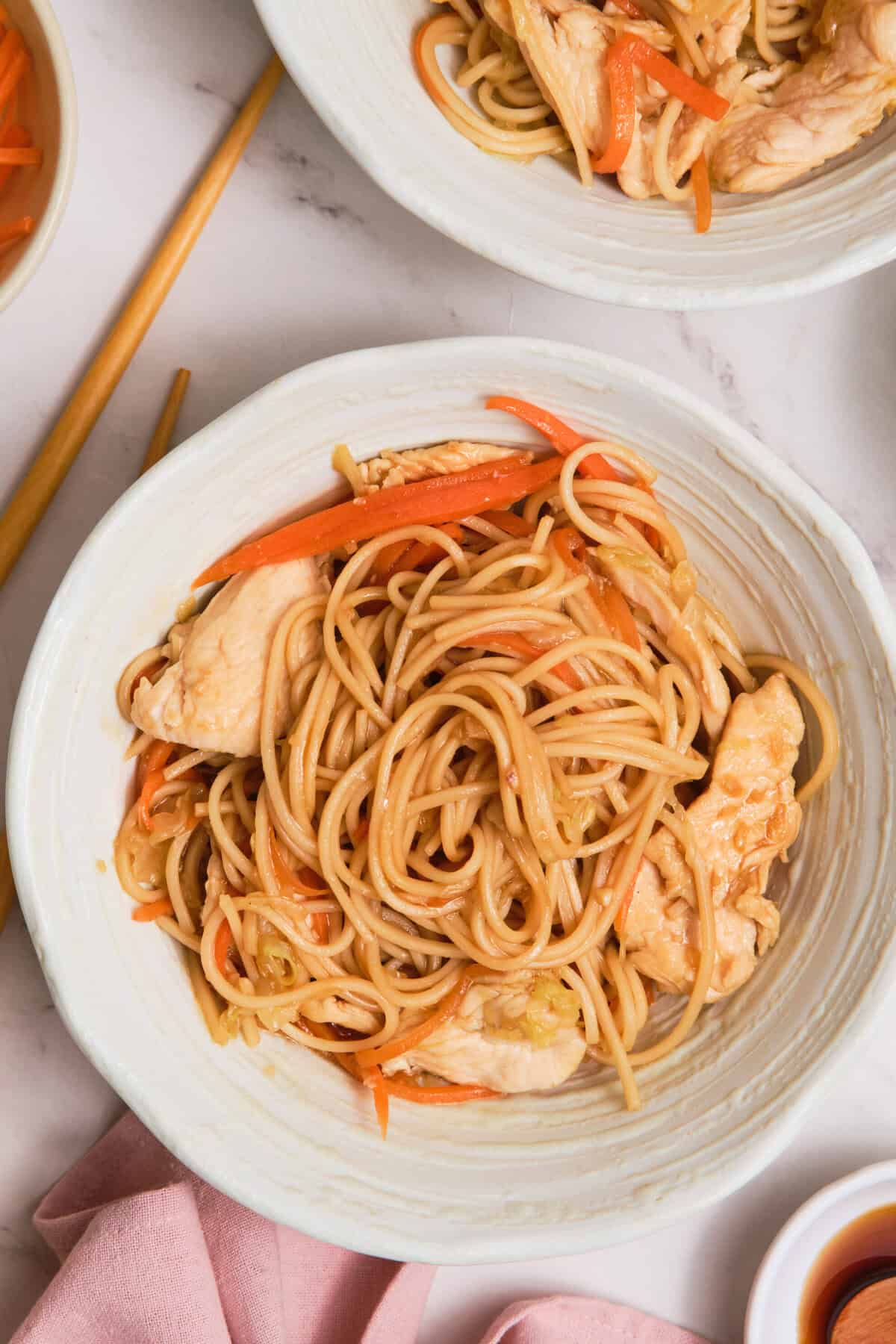
- 10 ounces chow mein noodles
- 3 tablespoons low-sodium soy sauce
- 3 tablespoons oyster sauce
- 1 tablespoon brown sugar
- 1 tablespoon sesame oil
- 3 tablespoons vegetable oil
- 1 pound boneless skinless chicken breast thinly sliced
- 2 cloves garlic minced
- 2 teaspoons ginger minced
- 2 1/2 cups green cabbage thinly sliced
- 1 1/2 cups carrots julienned
Instructions
- Cook chow mein noodles according to package instructions, then drain, rinse with cold water, and set aside.

- In a small bowl, whisk together soy sauce, oyster sauce, brown sugar, and sesame oil. Set aside.

- Heat oil in a large skillet over medium-high heat. Add chicken and cook until golden brown and with an internal temperature of 165°F, about 5-7 minutes. Remove chicken and set aside.

- In the same skillet, add garlic, ginger, cabbage, and carrots. Cook until vegetables are tender, about 3-4 minutes. Be careful not to burn the garlic.

- Return the chicken to the skillet and add the cooked noodles and sauce mixture.
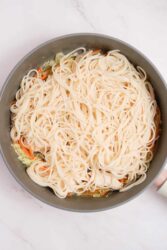
- Toss everything together and cook for an additional 2-3 minutes until well-heated and combined. Serve immediately.
Nutrition Info:
Nutrition information are estimates only and may vary based on the specific brands, ingredients, and portion sizes you use. This data is provided for informational purposes only.



Leave a Comment