

Embrace the rich, spicy flavors in this tangy Korean marinade that will transform your next Asian dish.
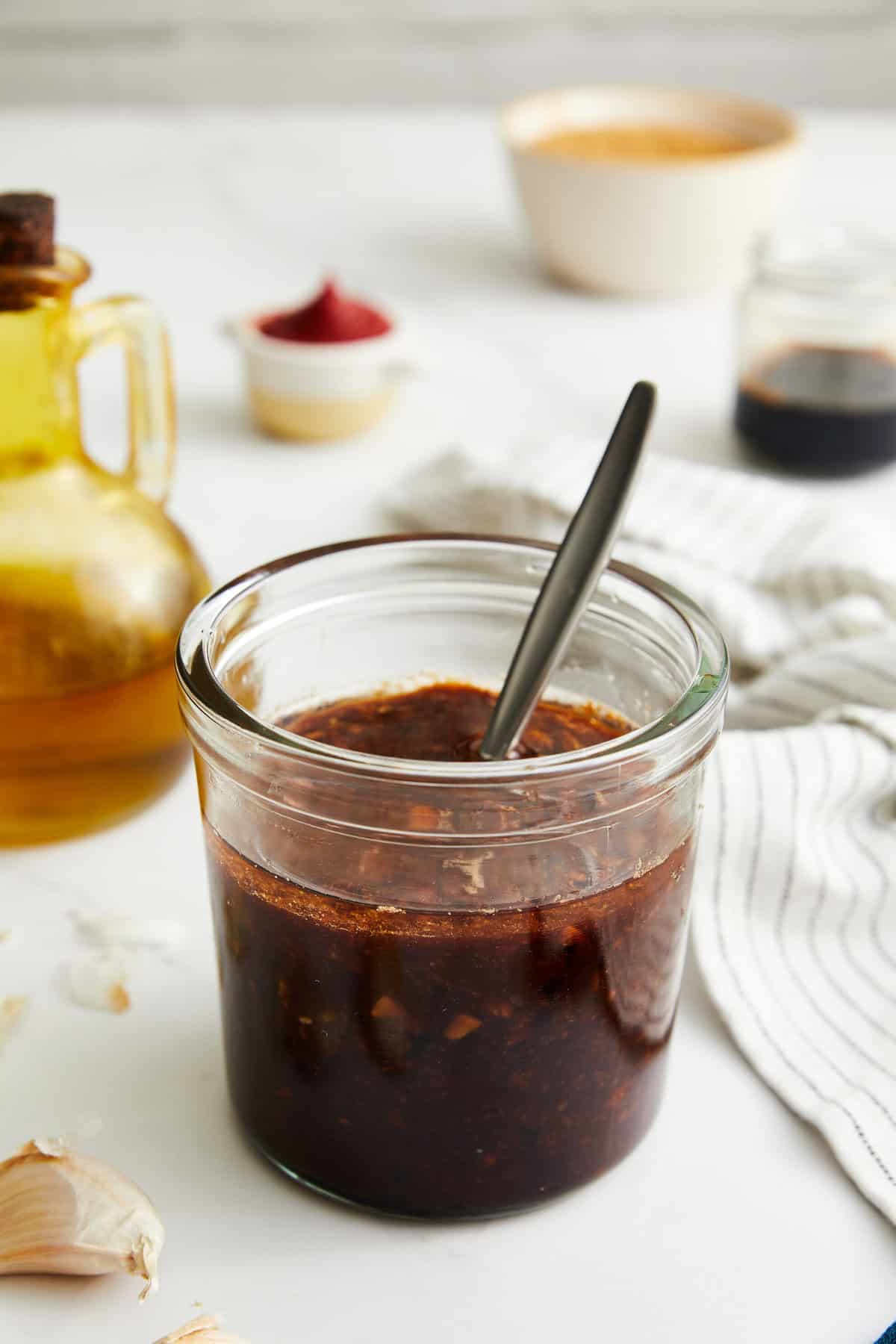
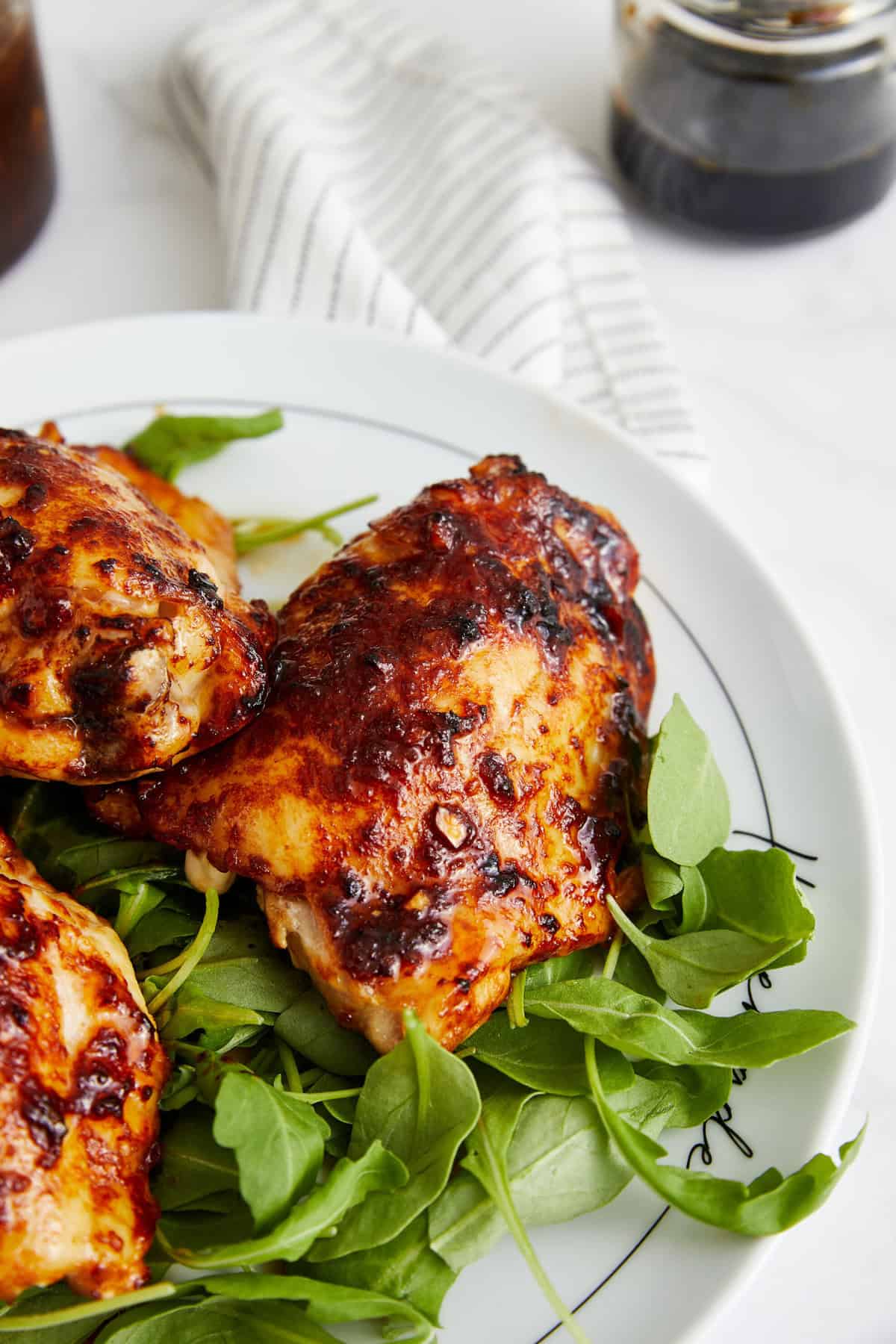
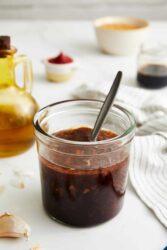
Looking to try a new sauce that will make your tongue tingle? You’ve found the right recipe! Bulgogi sauce is spicy and robust—and can be used as a dressing or marinade for many recipes. The Korean word bulgogi means “fire meat,” so it’s no surprise that this sauce works as a mouthwatering marinade for stir-fry steak, chicken, or pork. The meat is marinated for several hours, which flavors and tenderizes it. Vegetarians should be happy to know that bulgogi sauce works just as well on tofu—it soaks up all the yummy flavor like a sponge!
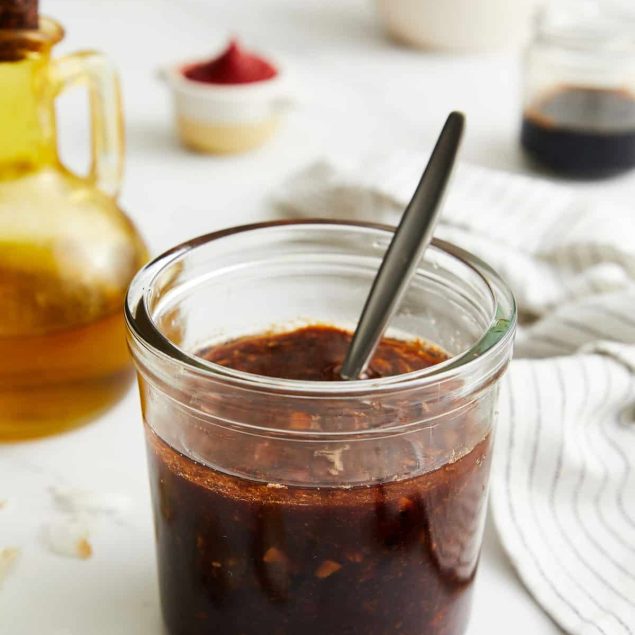
With a perfect blend of savory soy sauce, brown sugar, red pepper paste, and garlic, bulgogi sauce will delight your taste buds with sweetness and spice. It’s both irresistible and easy to make, so I’m confident that this sauce is bound to become a staple in your kitchen. I encourage you to keep it on hand, but don’t limit the sauce to only Asian-inspired dishes. Bulgogi sauce is versatile and lends a punch of flavor, elevating many recipes, like veggies, burgers, and noodle dishes.
Is This Bulgogi Sauce Healthy?
Store-bought bulgogi sauce tends to be full of sodium and preservatives. While this recipe isn’t sugar-free, it is a much more wholesome option with healthy swaps readily available. If you’re looking for a natural alternative to brown sugar, consider coconut sugar, maple syrup, or honey. For less salt in the sauce, consider replacing traditional soy sauce with low-sodium soy sauce or coconut aminos. Although sesame oil does have beneficial unsaturated fat, it is best used in moderation due to its caloric count. Overall, this sauce is gluten-free, dairy-free, and vegan, so it’s suitable for many diets.
Customizing Your Bulgogi Recipe
Traditionally, bulgogi sauce is used to marinate sliced steak for Korean barbecue. But everyone has their own preferences for barbecue, ranging from mild to spicy. While many think bulgogi sauce is the perfect blend of sweet and salty, you still may want to tweak the sauce to your liking. For a sweeter bulgogi sauce, add apple juice, honey, or maple syrup to the recipe. You can also increase the spice level of the bulgogi sauce by adding black pepper, red pepper flakes, or smoked paprika. Finally, don’t forget about the power of garnish. While scallions and sesame seeds don’t directly change the sauce, they are variations that can add even more flavor to your dish.
How Do I Store Leftovers?
Bulgogi sauce can be refrigerated for up to 3 days in an airtight container. If you make a large batch of sauce that you need to store longer, consider this freezer tip. Pour the sauce into an ice cube tray! It can be frozen for up to 3 months. When you’re ready to use the sauce, thaw the cubes in the fridge overnight.
Serving Suggestions
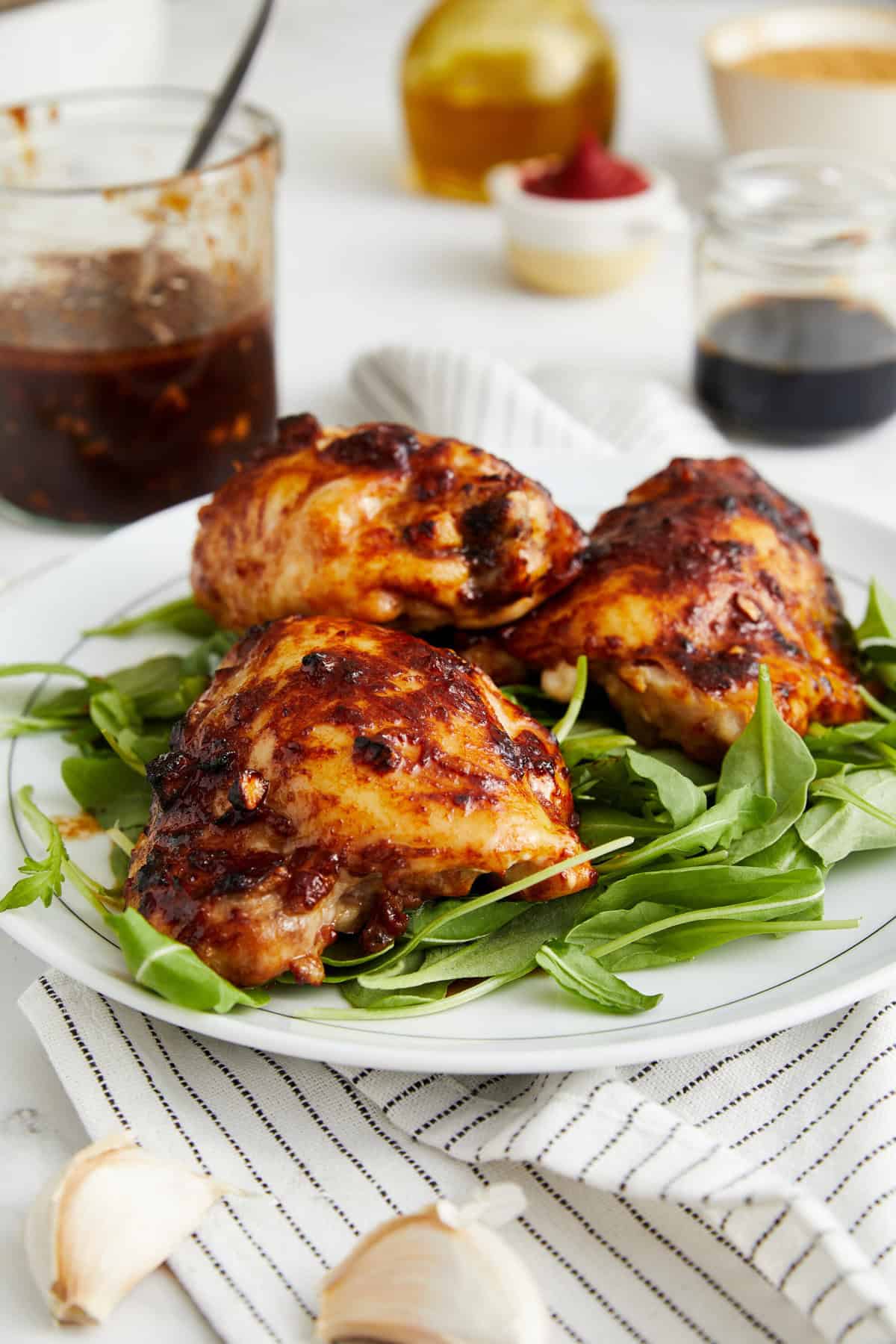
Traditionally, this sauce is soaked into strips of beef. Bulgogi is usually served over steamed rice, so I would recommend a bowl of Vegetable Fried Rice as the base. It can also be incorporated with other dishes. I love to eat a bowl of beef bulgogi next to fresh, spicy Cucumber Kimchi.
Want to try bulgogi sauce with other beef dishes? Consider swapping the sauce that’s usually used in Beef Stir-Fry or Mongolian Beef. You could also drizzle it like a dressing over a bowl of Bibimbap. Bulgogi sauce is so versatile and flavorful that you could even use it as a marinade for salmon or cod.
Ingredients
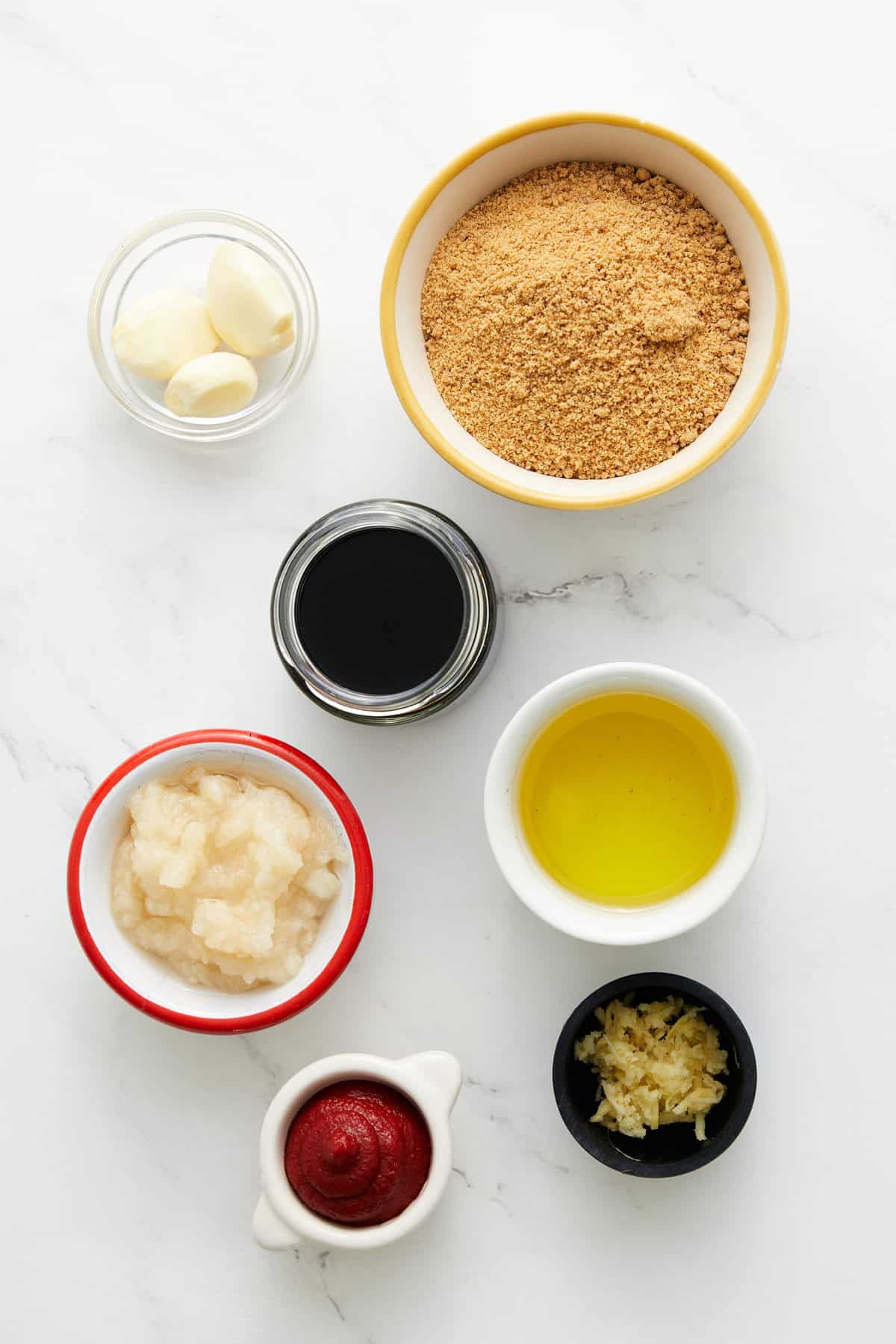
- 1/2 cup soy sauce
- 1/4 cup brown sugar
- 2 tablespoons sesame oil
- 1 tablespoon gochujang red chili paste check label for gluten-free
- 1/2 pear finely grated
- 3 cloves garlic minced
- 1 inch piece ginger grated
Instructions
- Combine soy sauce, brown sugar, sesame oil, gochujang, grated pear, minced garlic, and grated ginger in a bowl.
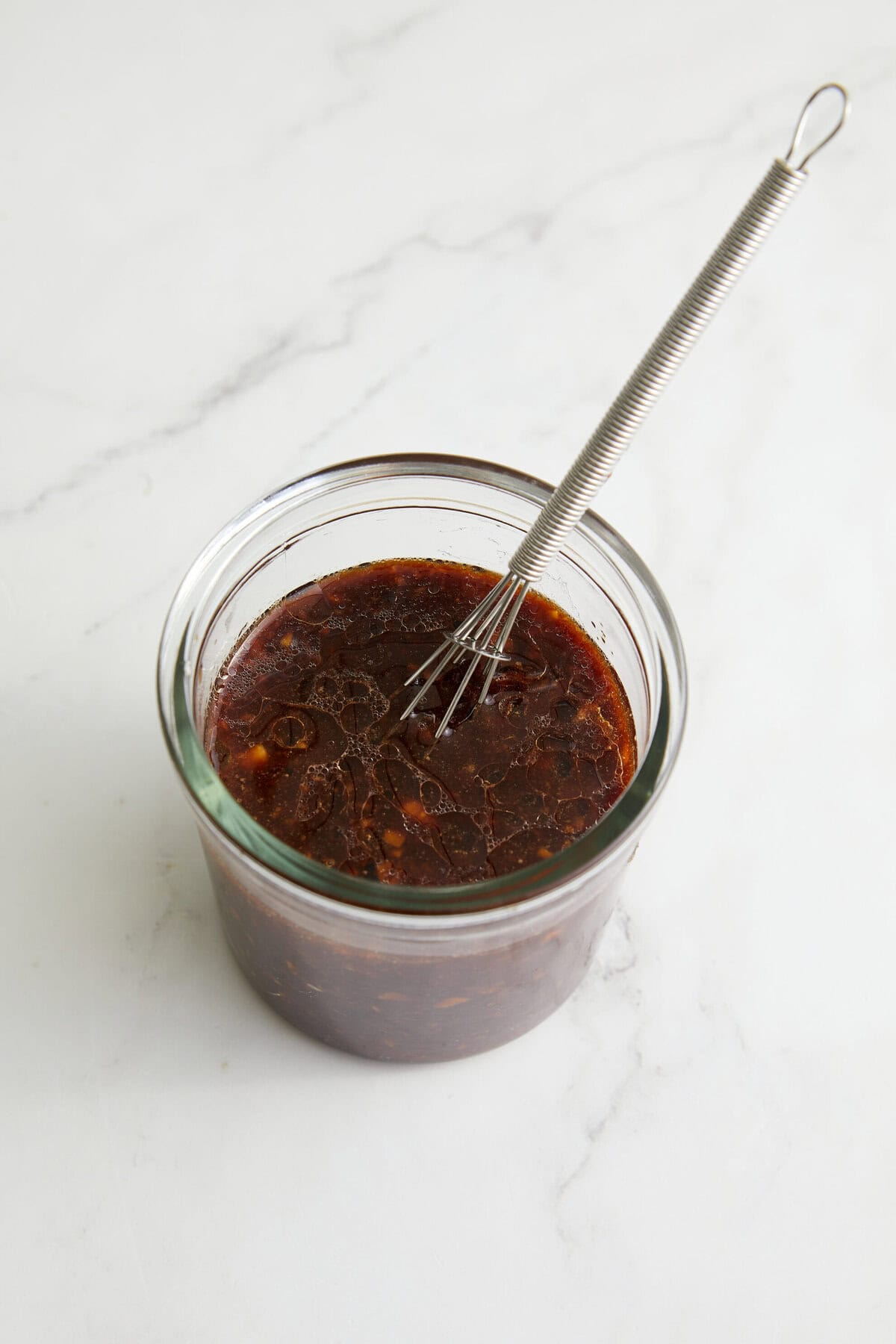
- Whisk all ingredients together until the sugar is fully dissolved and the mixture is thoroughly combined.
- Use immediately or pour into an airtight container and refrigerate for later use.
Nutrition Info:
Nutrition information are estimates only and may vary based on the specific brands, ingredients, and portion sizes you use. This data is provided for informational purposes only.



Leave a Comment