

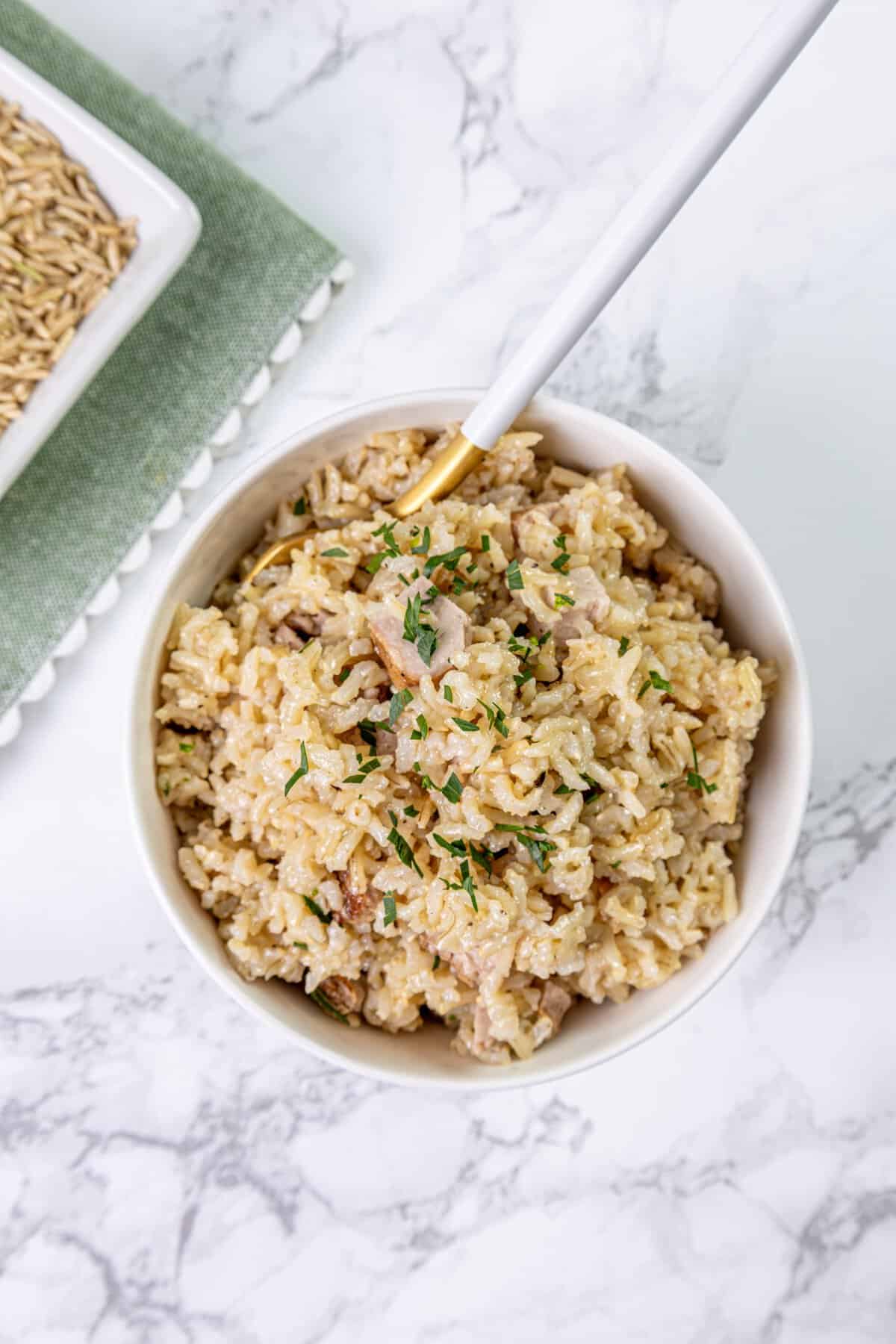
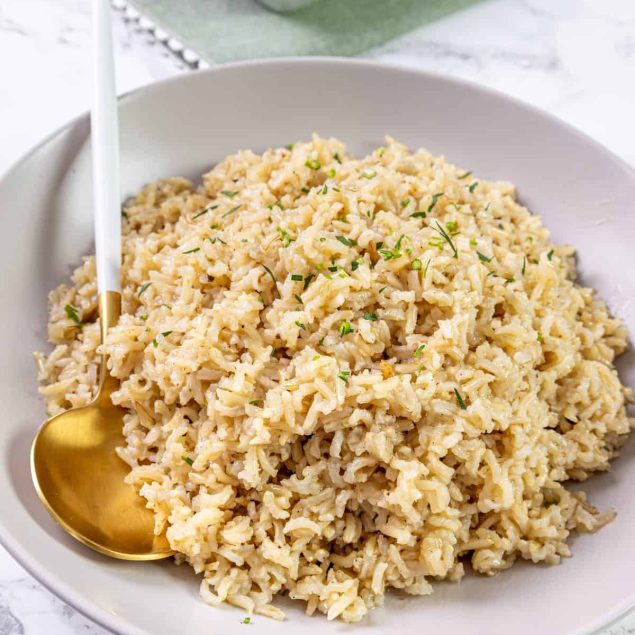
This quick and easy Brown Rice Pilaf hits the spot when craving a wholesome and flavorful side dish.
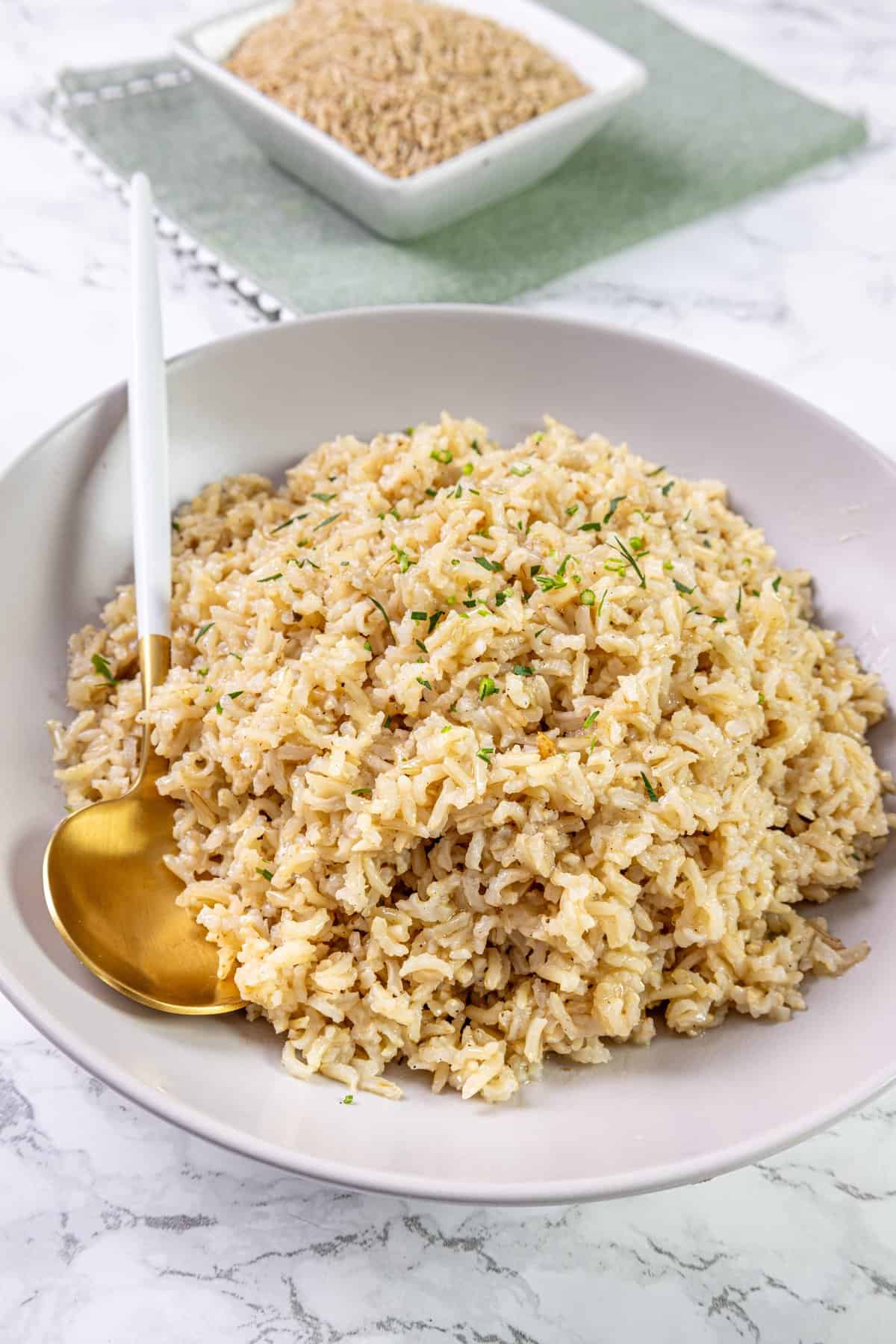
Pilaf might have a reputation for being complicated, but don’t be intimidated by this recipe. With just a couple of simple ingredients and a little time, you’ll have an aromatic rice dish that’ll impress.
When it comes to cooking rice, I’ve never seemed to get it just right. While it might seem like a simple dish, I either end up burning the bottom layer or turning it all into mush. Or, in the case of making a pilaf, I wind up with a bland bowl that just doesn’t do anything for my taste buds. I’d all but given up on finding the right recipe until I came across the simplicity of this one. With just one try, I nailed it. It’s now my go-to when I’m craving a hearty pilaf.
One of my favorite parts of this dish? How versatile it is. Pilaf is found in many cuisines from around the world, making it an excellent base if you’re wanting to explore more exotic-to-you flavors. Indeed, my favorite way to travel is often in the kitchen, and mastering this simple dish made it possible for me to explore flavors from far-away places. It’s simple, easy to make, and can be played around with to suit your desires.
Whether you make this dish as-is or want to play around with ingredients, this recipe is one to keep on hand. We promise it’s not nearly as intimidating as you might think.
Is This Brown Rice Pilaf Healthy?
Brown rice is high in fiber, and if you’re needing to get more whole grains into your diet, this pilaf is a healthy way to do so. Much of the flavor comes from broth, which, while often high in sodium, can be made easily at home without extra salt. If buying a pre-made broth, opt for a low-sodium one.
What Is A Pilaf?
Basically, rice pilaf is rice that is cooked with a type of fat (oil or butter), stock, some veggies, and spices. The cooking method results in rice that’s fluffy, with grains that won’t stick together. It can be found worldwide and with endless variations. While pilaf normally has no meat or fish in it, paella (a seafood-heavy dish) can be considered a type of pilaf. The same is true of pulao and biryani, to name just a few. Some types of rice are ancient grains that have stood the test of time. Because of that, we find rice pilafs, in their own variations, all around the world.
FAQs & Tips
How Do I Store Leftovers?
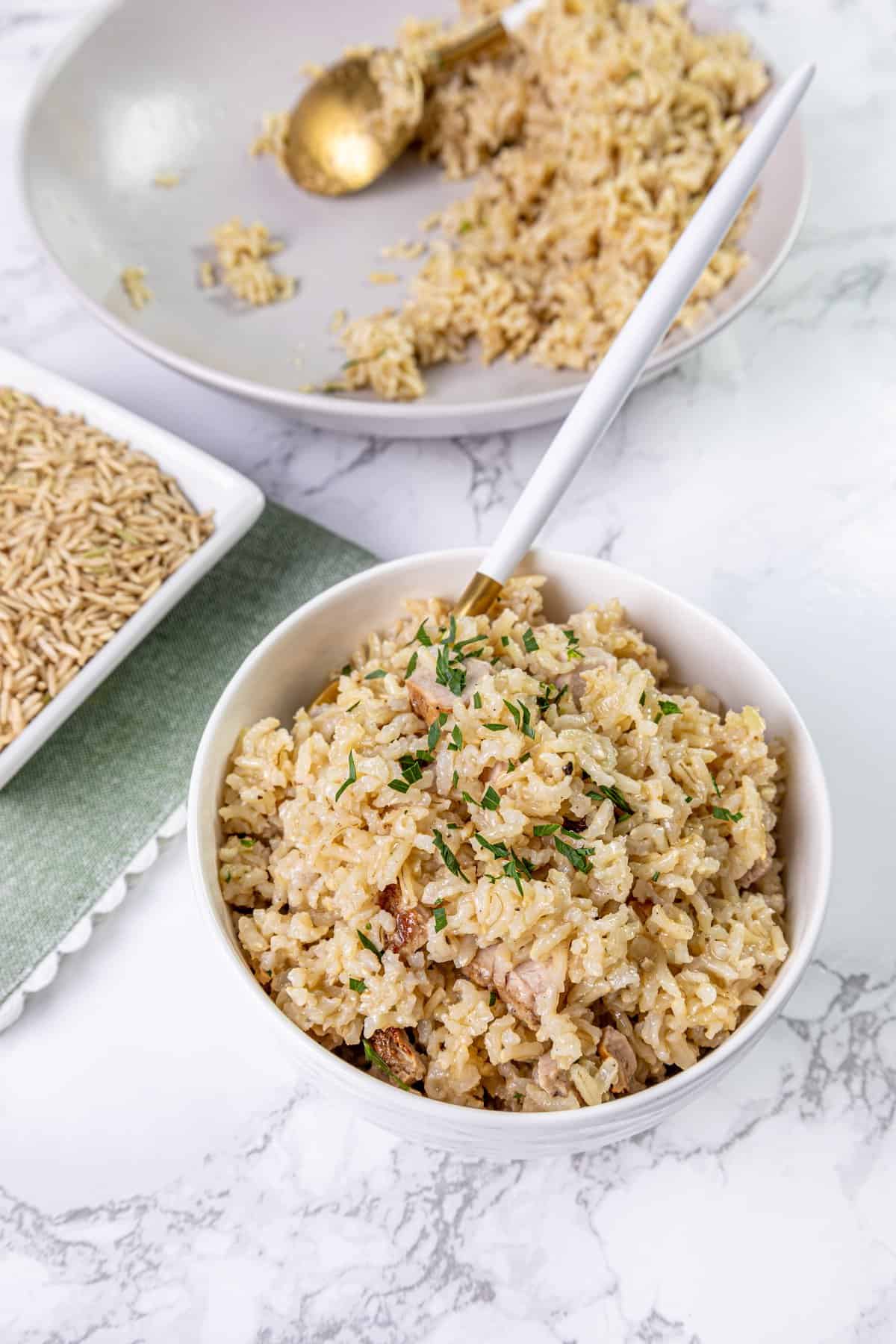
Once cooled, store brown rice pilaf in an airtight container in the fridge for 3 to 5 days. To reheat, add a tablespoon of water or broth and heat in the microwave or on the stovetop until hot, stirring frequently.
Why Is My Rice Crunchy?
I have learned that the traditional 2:1 ratio of cooking rice does not always work. If your brown rice pilaf has absorbed all the liquid but is still crunchy, it has not finished cooking. If this happens, simply add a bit more water or broth and cover. Continue cooking, adding broth or water as needed, until the rice is no longer crunchy. You can also remove your pan from the heat and allow it to sit covered in order to absorb the liquid.
Can I Use Other Types Of Rice?
Sure! You can use long-grain rice like jasmine or basmati for a rice pilaf. Long-grain rice is always best, as the grains separate and will become tender and fluffy rather than mushy and clumped. Bear in mind that cooking times will vary.
Serving Suggestions
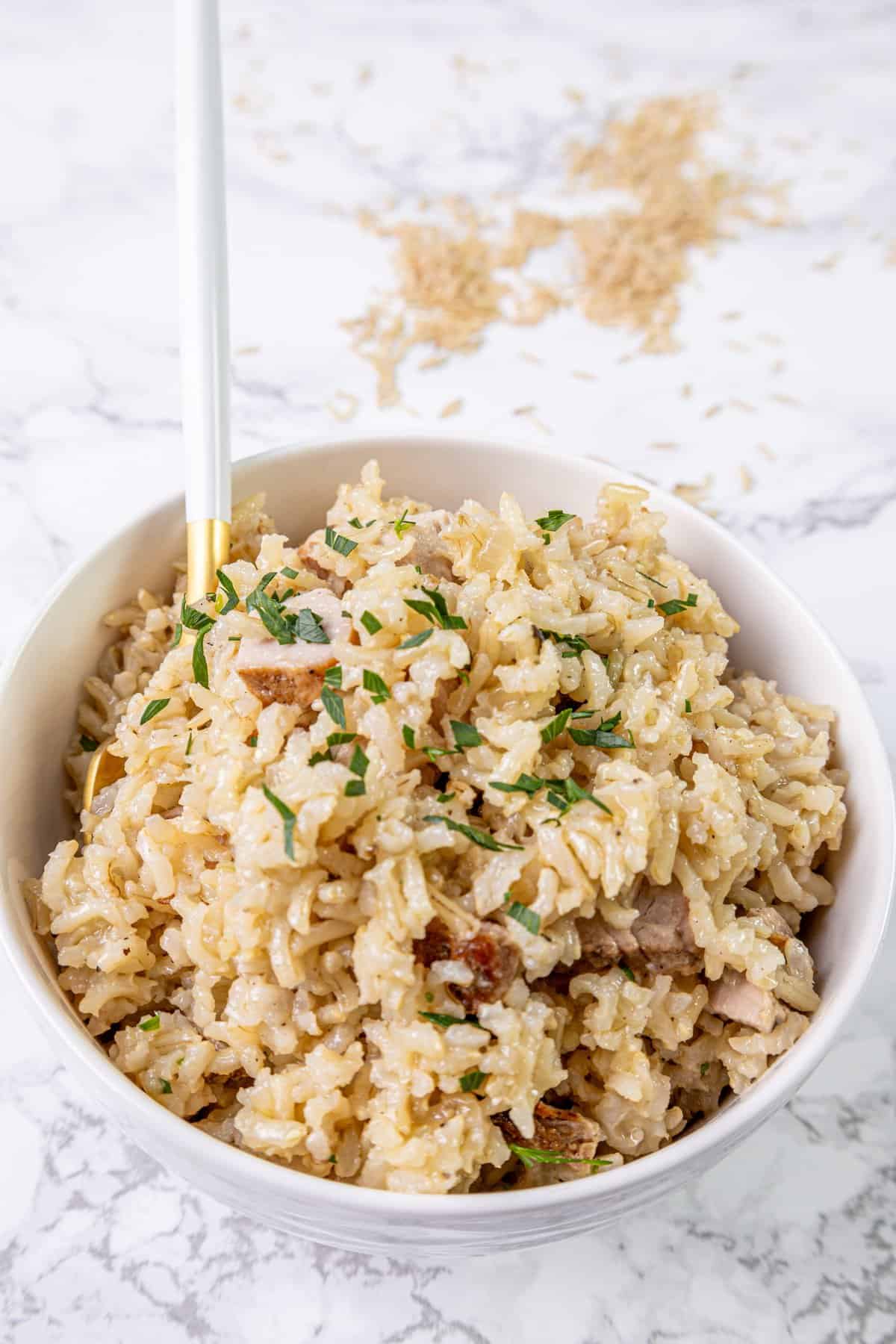
Traditionally, brown rice pilaf is served with a protein and a veggie. While this dish is already tasty, elevate your meal with something mouthwatering like this rich salmon recipe or some Easy Pork Chops. Chicken and rice is a classic pairing, and this tender sheet pan chicken thigh recipe won’t disappoint. Complete the meal with a cool, crunchy Cabbage Salad as a starter, or with a side of Parmesan-Crusted Brussels Sprouts.
Ingredients
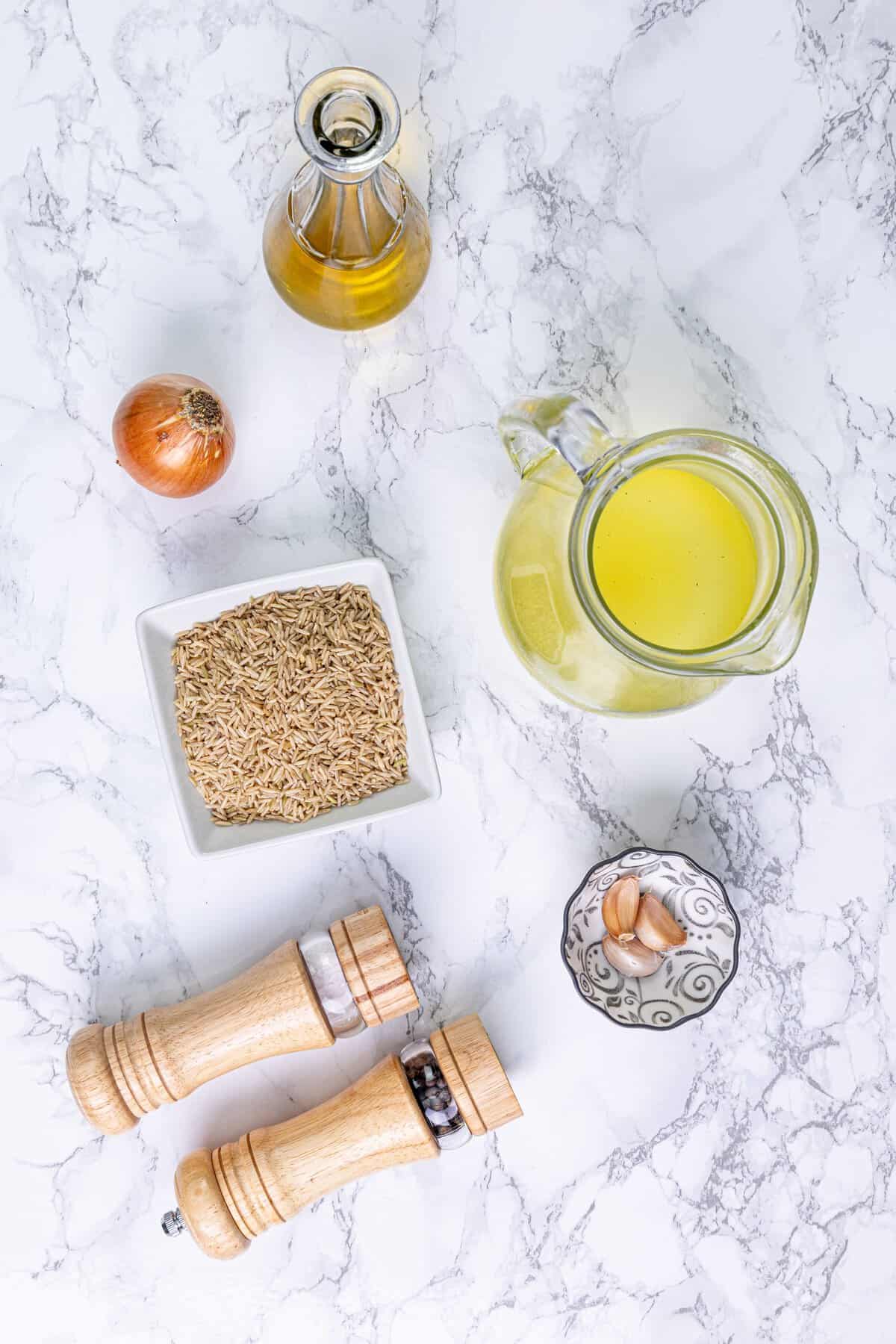
- 1 tablespoon olive oil
- 1 small yellow onion chopped
- 3 garlic cloves minced
- 1 cup long-grain brown rice not instant
- 2 1/2 cups low-sodium chicken or vegetable broth
- Salt and pepper to taste
Instructions
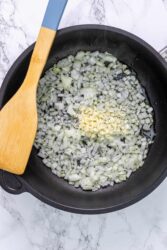
- Heat olive oil in a skillet over medium-high heat. Sauté onion and garlic until the onion is translucent and golden, about 5 minutes.
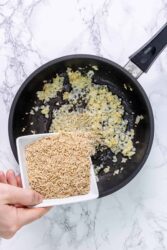
- Stir in the brown rice and sauté for an additional 1 minute to lightly toast the grains.
- Pour in the broth, season with salt and pepper, and bring the mixture to a boil. Then, cover the skillet, reduce heat to low, and let it simmer.
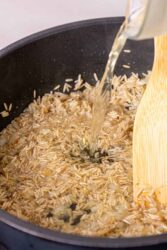
- Allow the rice to cook undisturbed until it is tender and the liquid has been mostly absorbed, which should take about 45-50 minutes. If the rice appears dry during cooking, add a little water as needed.
- Once cooked, remove the skillet from heat, uncover, and let the rice stand for 5 minutes to finish absorbing any remaining liquid before fluffing with a fork and serving.
Nutrition Info:
Nutrition information are estimates only and may vary based on the specific brands, ingredients, and portion sizes you use. This data is provided for informational purposes only.


Leave a Comment