

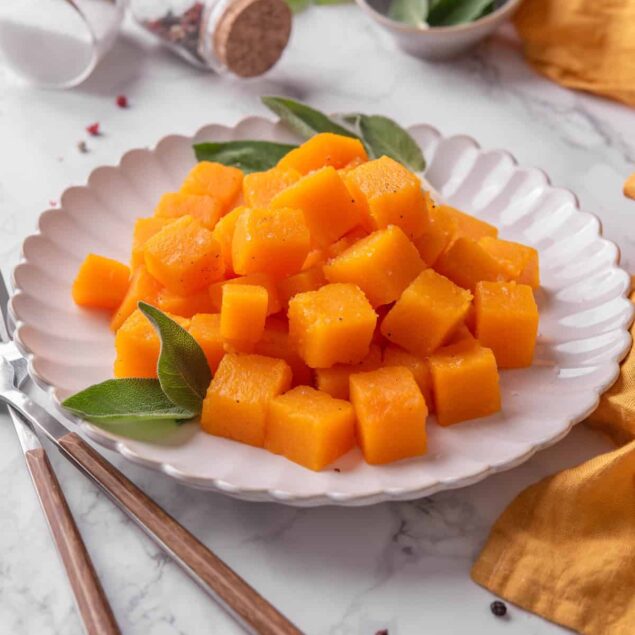
Simple and endlessly versatile, Boiled Butternut Squash is the fall staple you’ll use in more ways than one.
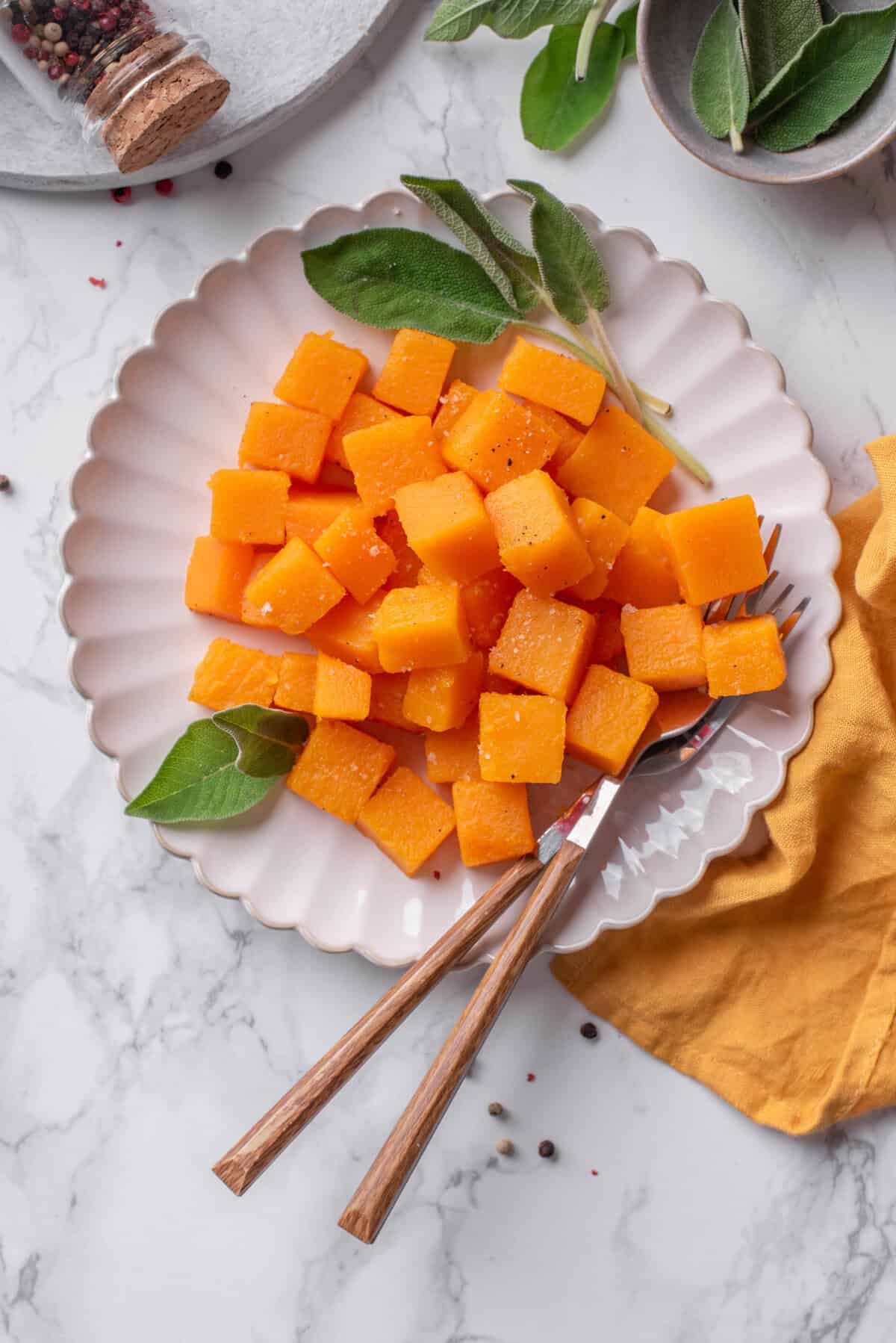
The moment there’s a chill in the air, I start scanning my farmers’ market for signs of fall: crisp apples, leafy greens, and most of all—butternut squash. The first time I brought one home on a whim, I was unsure what to do with it. I ended up boiling it, mashing it with butter, and serving it alongside roast chicken—and just like that, it became a cold-weather staple in my kitchen. With its creamy orange flesh and subtly sweet flavor, this cool-season favorite is delicious in so many preparations. But when I’m after something low-effort and ultra-versatile, I turn to that same method that first won me over: boiling.
Yes, boiled butternut squash. It might not sound flashy, but hear me out. When cooked just until tender, those golden cubes become silky and soft, with a mild, earthy sweetness that plays well with just about anything. Add a pinch of salt and pepper, and you’ve got a perfectly simple side. Or add it to a myriad of sweet or savory dishes for a stealthy dose of nutrition. Whether you’re working with fresh or pre-cut squash, this method is quick, unfussy, and endlessly adaptable. You can call it plain, but once you try it, you’ll wonder how boiled butternut squash ever flew under your radar.
Is Boiled Butternut Squash Healthy?
Butternut squash is a nutritional powerhouse, and boiling it is one of the healthiest ways to prepare it—no oil, no butter, just the squash itself. It’s naturally low in calories and packed with fiber, vitamin A, vitamin C, and potassium. This simple preparation also works well for a variety of diets, including vegetarian, vegan, gluten-free, and Paleo.
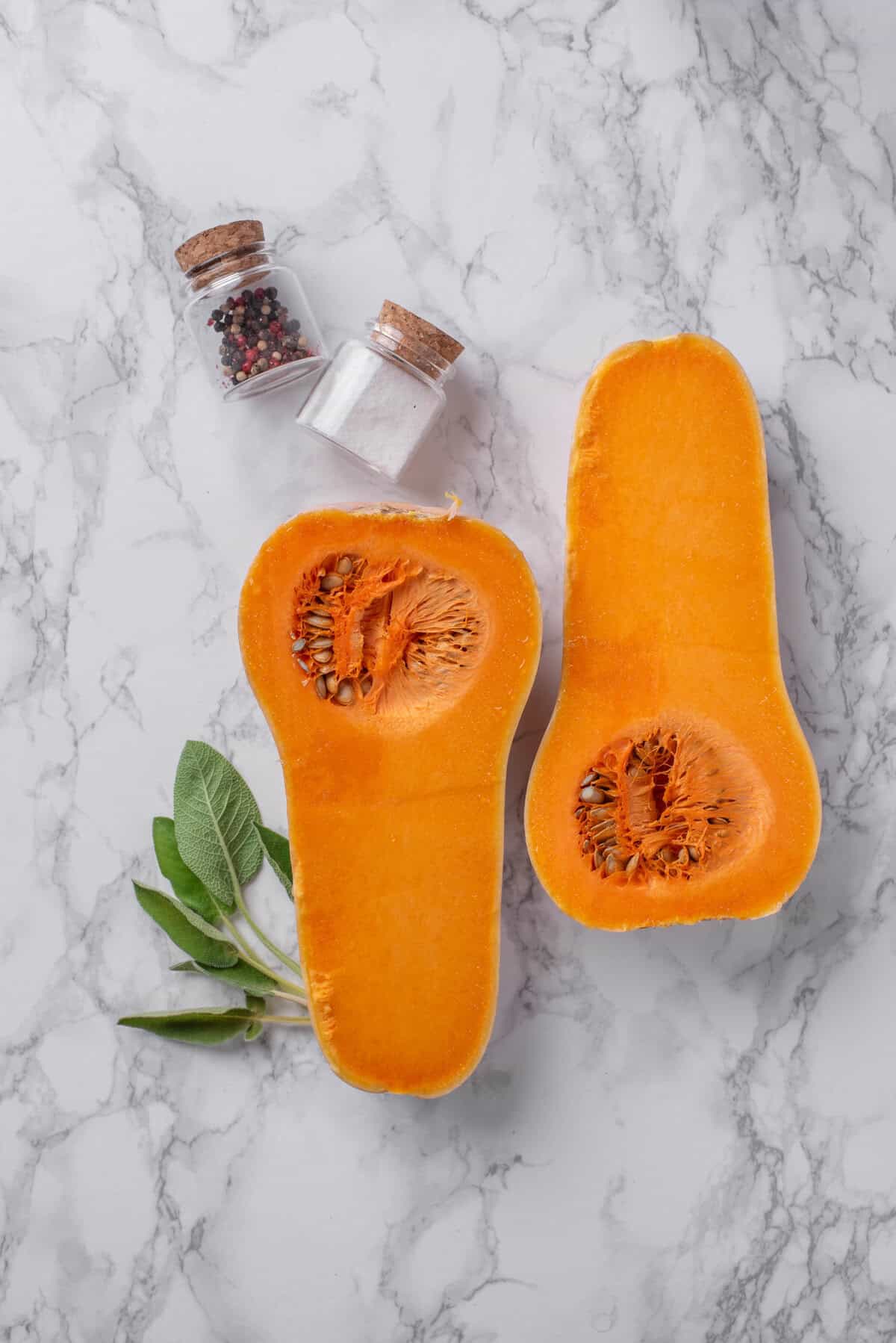
How To Peel Butternut Squash
Peeling a raw butternut squash can feel like a chore, but with the right tools, it’s a breeze. Start by slicing off both ends to create flat surfaces. Then use a sharp vegetable peeler (Y-peelers work great here) to remove the skin. Cut the squash in half lengthwise, scoop out the seeds, and chop into uniform pieces. If that still sounds like too much work, pre-cut squash—fresh or frozen—is a perfectly good shortcut.
How Do I Store Leftovers?
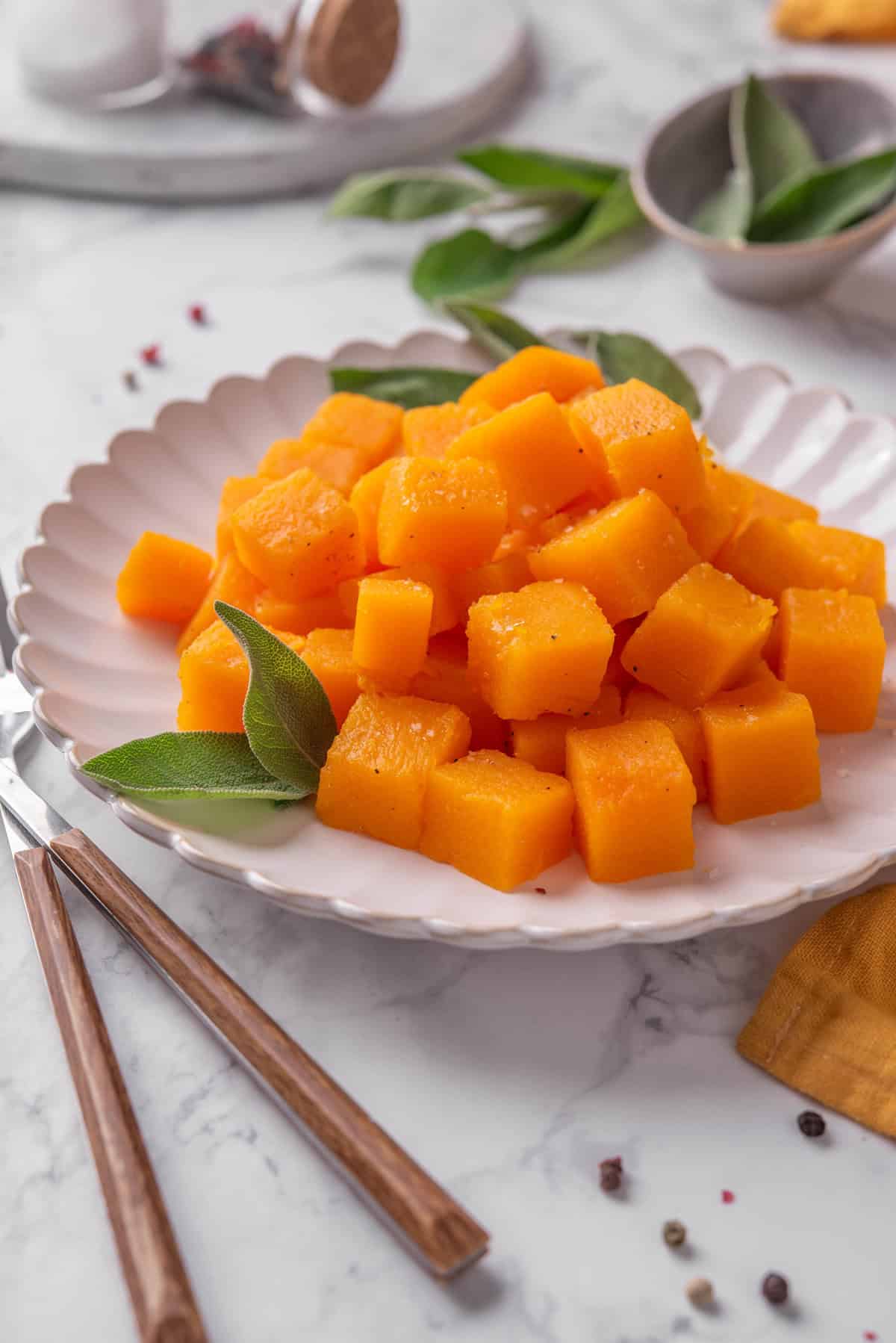
Allow boiled squash to cool completely, then store in an airtight container in the fridge for up to 5 days. You can also freeze it in a freezer-safe bag for up to 3 months. To reheat, steam gently or microwave until warmed through.
Serving Suggestions
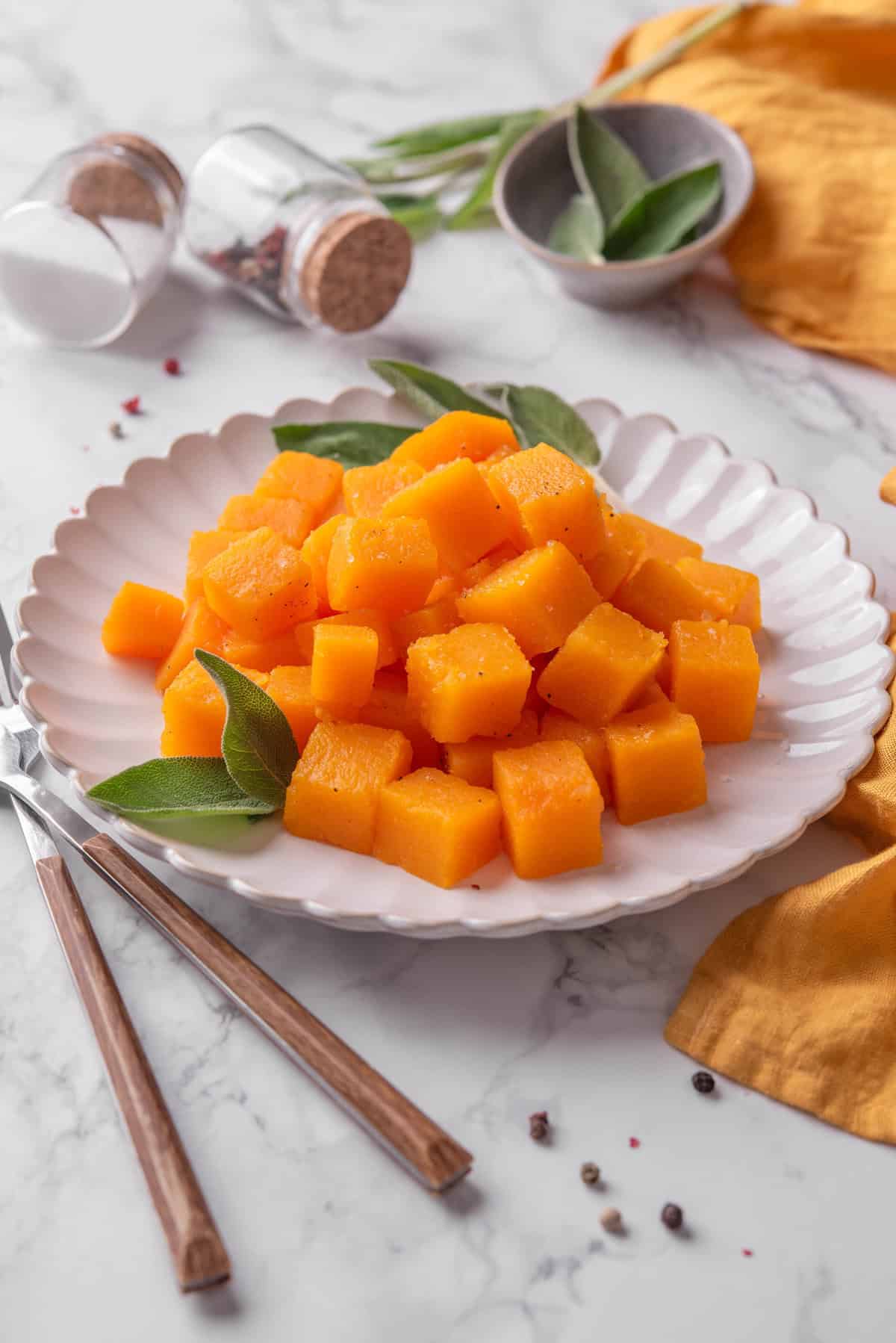
Boiled butternut squash pairs beautifully with warm spices like cinnamon, nutmeg, and black pepper or herbs such as sage and rosemary. A drizzle of melted butter and a sprinkle of Parmesan take it to the next level. Try it alongside meats with robust flavors, such as this Smoked Pork Tenderloin or Instant-Pot Beef Brisket.
I’ve folded it into Butternut Squash Risotto, tossed spaghetti with Butternut Squash Pasta Sauce, and added it to Pinto Bean Soup. It also makes a delicious Flatbread Pizza topping (especially with ricotta and bitter greens), and when boiled until soft, it can be mashed, blended into Homemade Hummus, or even stirred into batters for muffins and quick breads.
Ingredients
- 1 medium butternut squash about 2 pounds
- ½ teaspoon sea salt
- Freshly ground black pepper to taste
Instructions
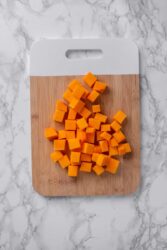
- Peel the butternut squash, remove the seeds, and cut it into ½-inch cubes.
- Bring a large pot of water to a rolling boil and add the sea salt.
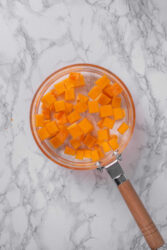
- Carefully add the cubed squash to the boiling water and cook for 5-6 minutes, or until the squash is fork-tender.
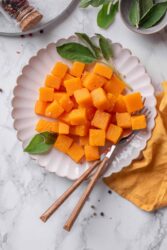
- Drain the squash in a colander and season with freshly ground black pepper to taste. Serve warm as a side dish.
Nutrition Info:
Nutrition information are estimates only and may vary based on the specific brands, ingredients, and portion sizes you use. This data is provided for informational purposes only.


Leave a Comment