

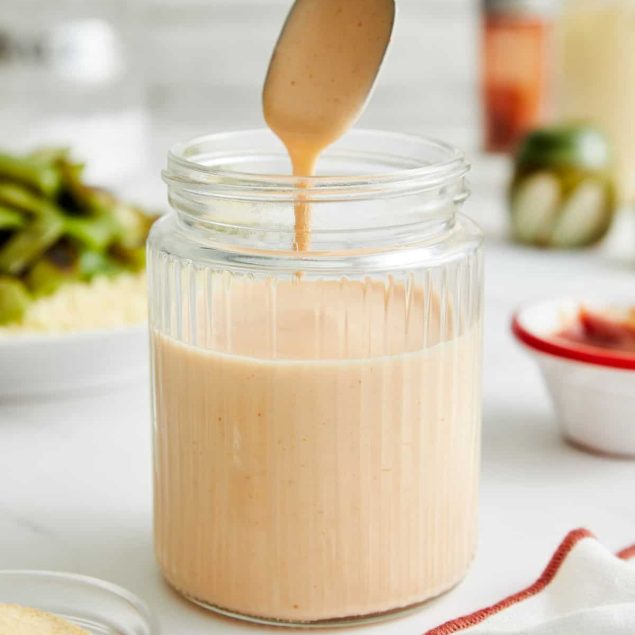
This easy, aromatic sauce goes perfectly on just about anything.
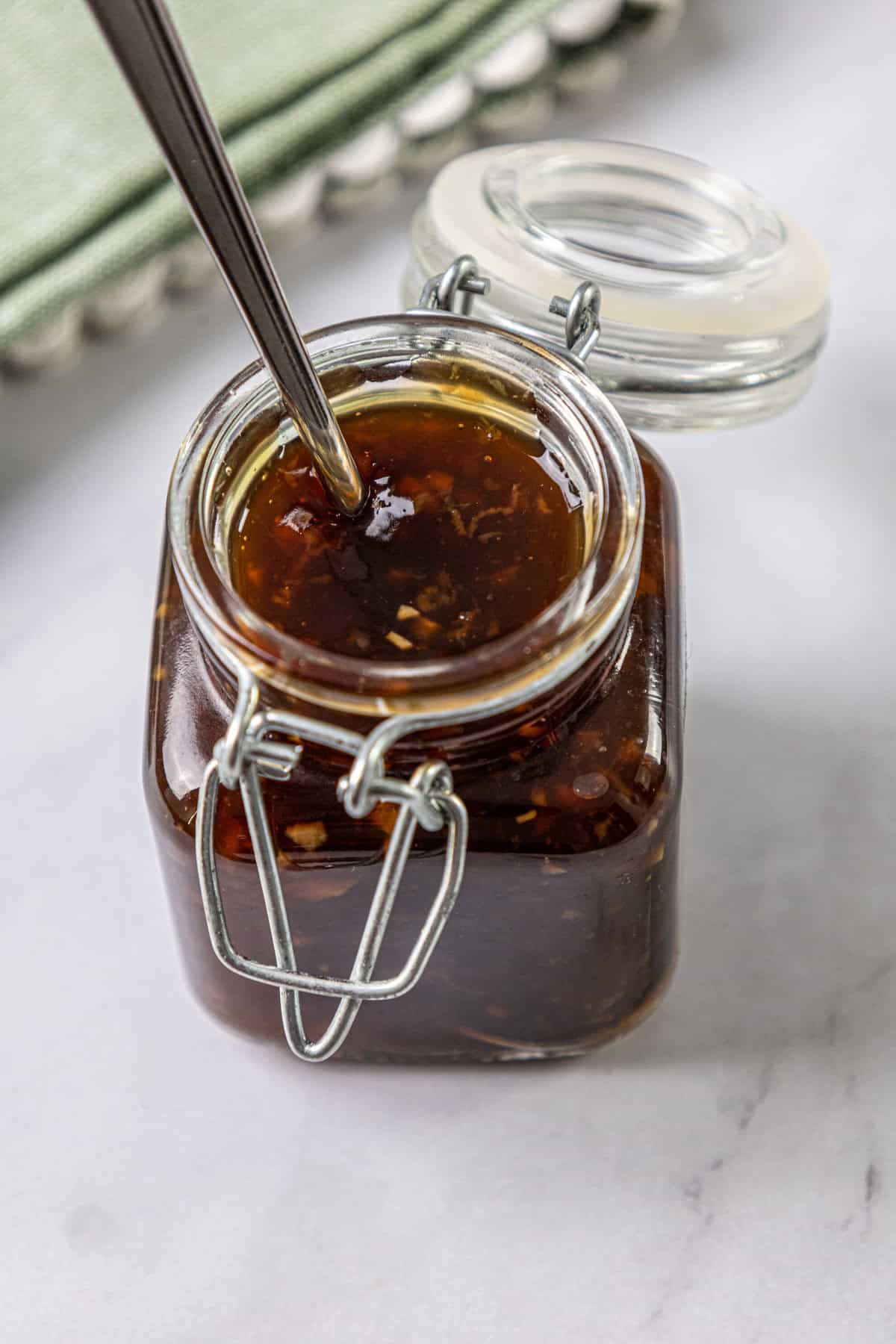
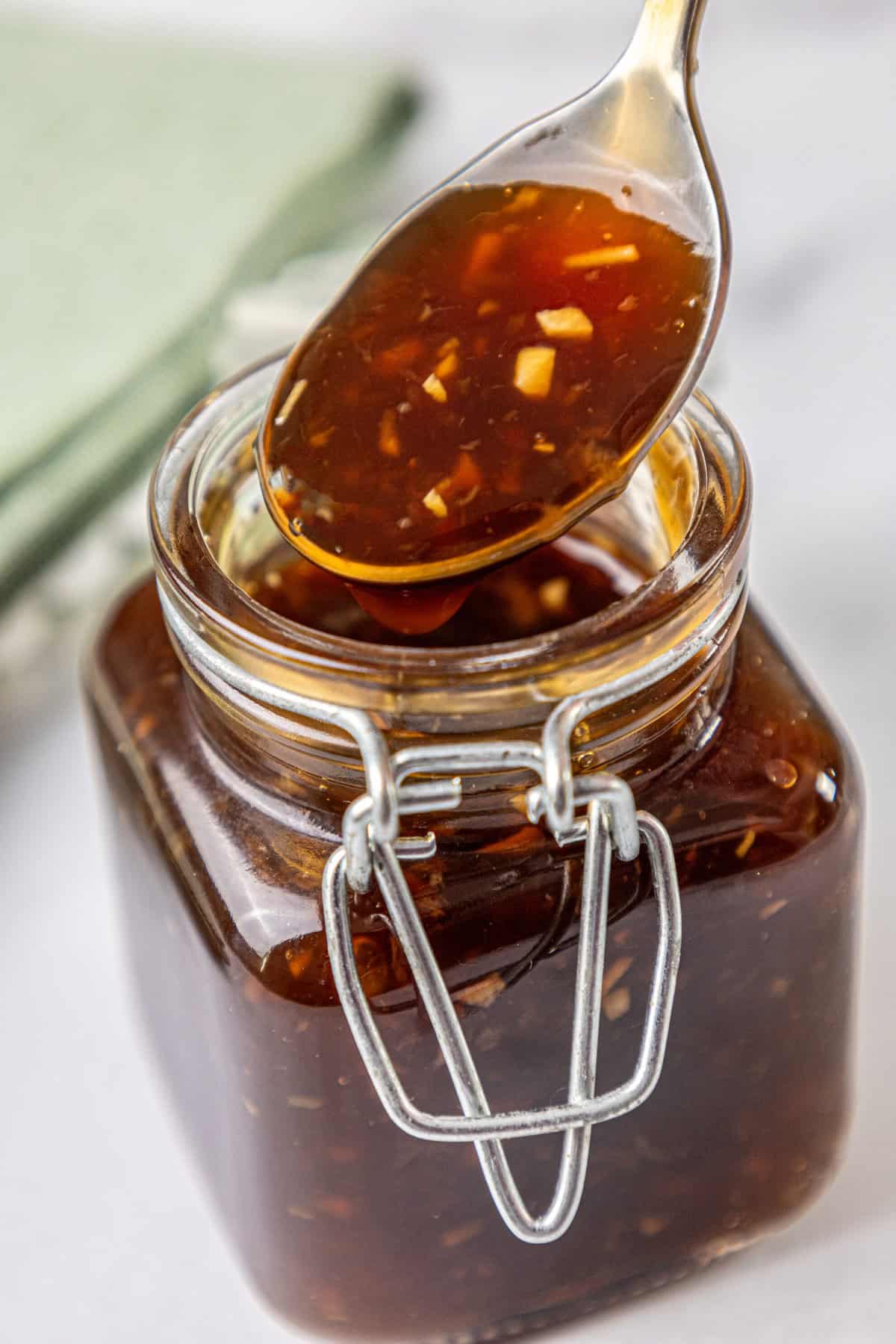
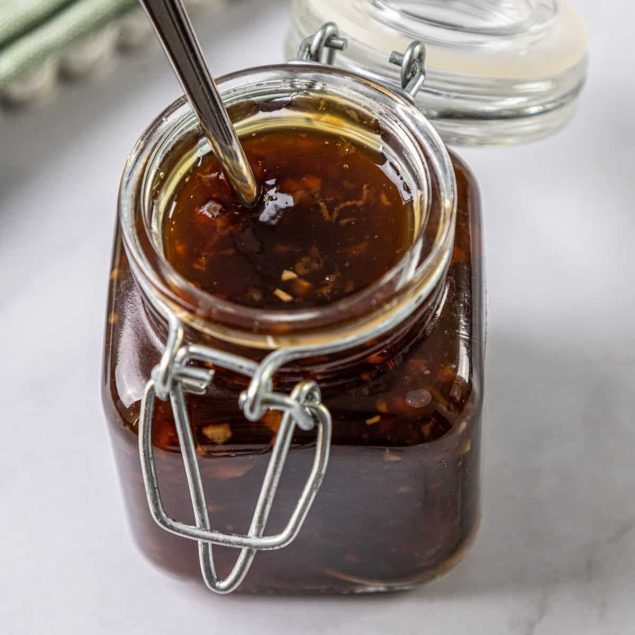
Where would we be without the humble teriyaki sauce? A little garlicky, a little tangy, and just the right amount of sweet. It’s the kind of sauce that clings perfectly to everything I put it on, making it nearly irresistible not to just slather everything in it.
Hailing from Japan but used all around the world, the word “teriyaki” comes from teri, the Japanese word for the gleam or shine on the food, and yaki, the method of grilling or broiling. For hundreds of years, folks in Japan have been enjoying teriyaki sauce on all kinds of grilled meats, fish, and veggies, giving them that signature lacquered glaze. Of course, in the centuries since, teriyaki sauce has traveled all over the world, becoming a beloved condiment for rice bowls, marinated meat, stir-fries, and much more.
I decided to take a crack at making my own teriyaki sauce after one too many store-bought versions left me disappointed. I’d find they were too salty, too runny, or just lacking depth of flavor. So, I made it my goal to remedy those issues. This recipe is the perfect combo of tangy, umami, and sweet, packed with fresh ginger and garlic. It’s so good I’ve even fought the urge to stash a small bottle in my purse every time I go out to eat. Trust me when I say this is a recipe you’ll want to keep on repeat.
Is This Vegan Teriyaki Sauce Healthy?
This vegan teriyaki sauce wouldn’t be considered a health food, but it’s really not too bad for you—especially in the amounts you’re likely using it. The garlic, ginger, and rice vinegar all have anti-inflammatory properties that benefit the body. But where you likely want to be most mindful is in salt and gluten content.
While the recipe is already vegan, you can make it gluten-free by swapping the soy sauce for tamari or coconut aminos. If you are worried about the high sodium content of a sauce like this, you can cut down on the amount slightly by opting for a low-sodium soy sauce or, again, using coconut aminos.
Soy Sauce Vs. Tamari
Tamari is often considered the older brother of soy sauce. It’s usually gluten-free (but always check the label to be sure!) and has a richer, darker flavor. Traditional tamari is made from the process of fermenting soybeans into miso. The liquid from the process is collected to produce tamari.
Regular soy sauce is typically made by mixing soybeans, wheat, salt, water, and mold spores, and the mixture is then fermented. You’ll find that tamari has a thicker, more viscous texture and a nuanced complexity that you will appreciate more than you would with regular soy sauce, which is saltier. Tamari and soy sauce are interchangeable at a 1:1 ratio.
Can I Prep This Ahead?
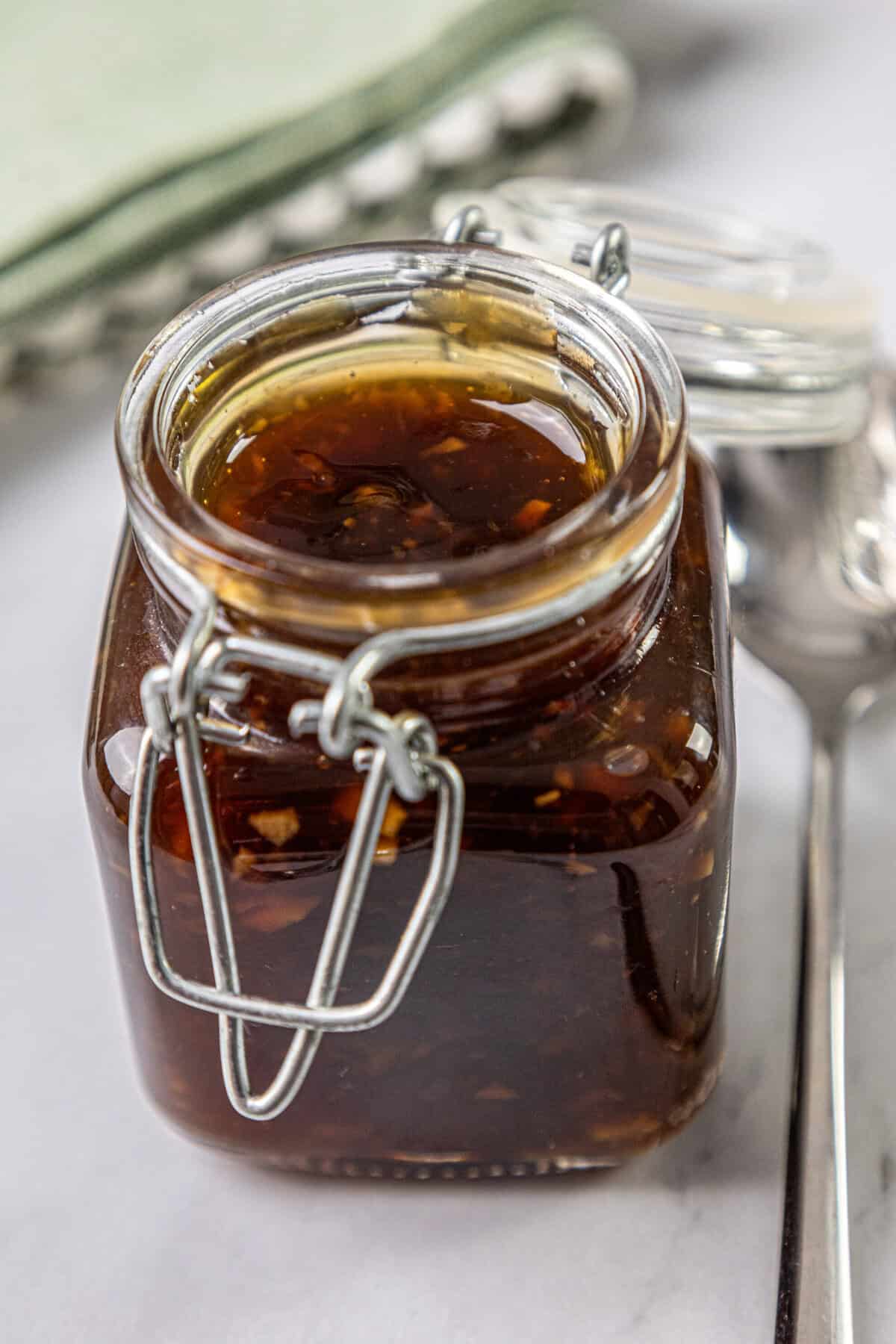
Teriyaki sauce is ideal for making ahead. Refrigerate in an airtight glass container for up to 4 days. If you need to freeze it, pour the sauce into airtight freezer-safe containers or bags, leaving some space at the top to allow for expansion, and freeze for up to 3 months.
Serving suggestions
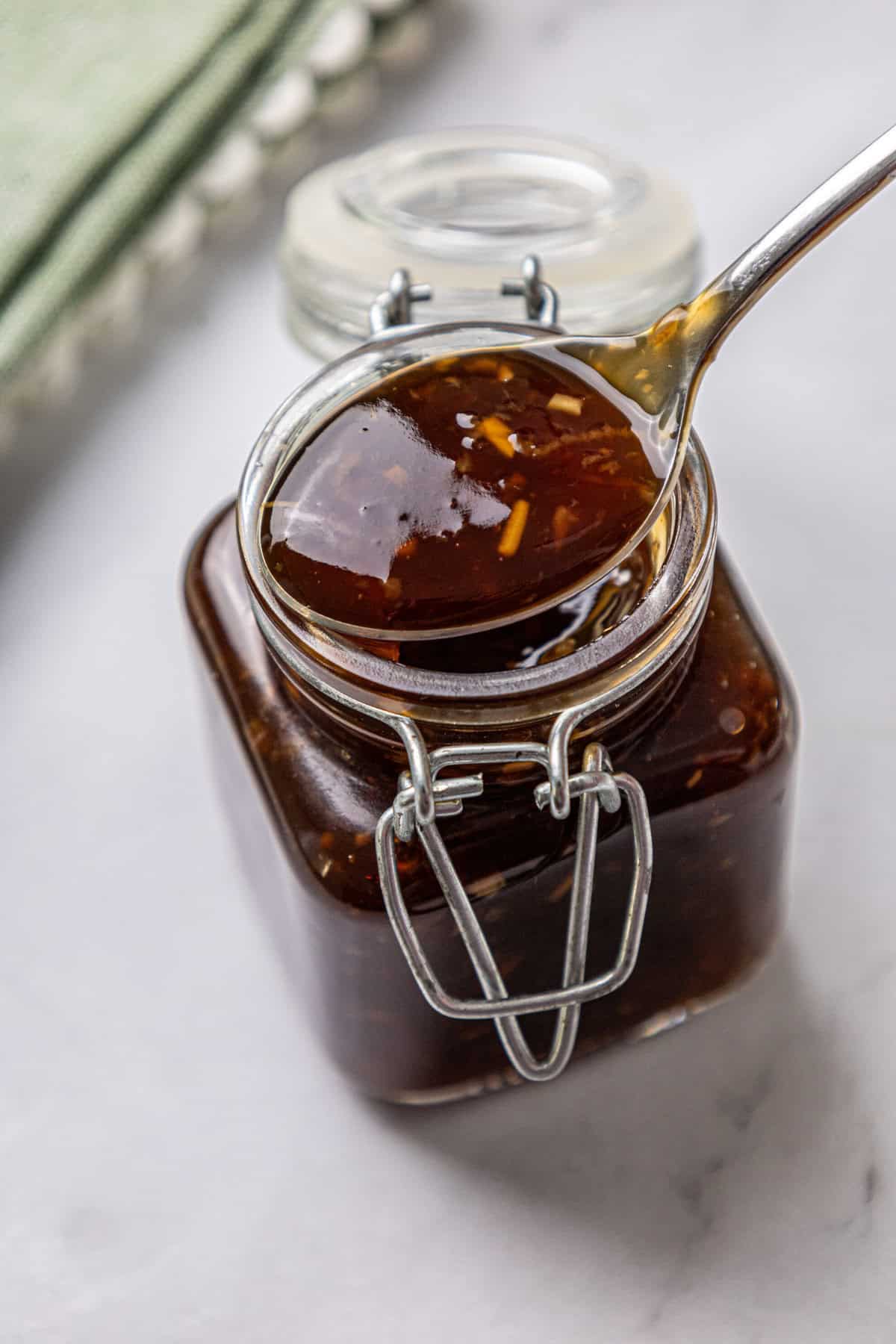
As soon as you start, you won’t be able to stop thinking of all the foods you can dab this delicious teriyaki on! It’s great drizzled over this Mediterranean Grilled Avocado Stuffed With Chickpeas. I also love to dip some Crispy Baked Tofu or Baked Tempeh into it.
Set it beside these Air-Fryer Hasselback Potatoes for dipping, or drizzle it on this Easy Tofu Scramble. The sky’s the limit, so feel free to get creative!
Ingredients
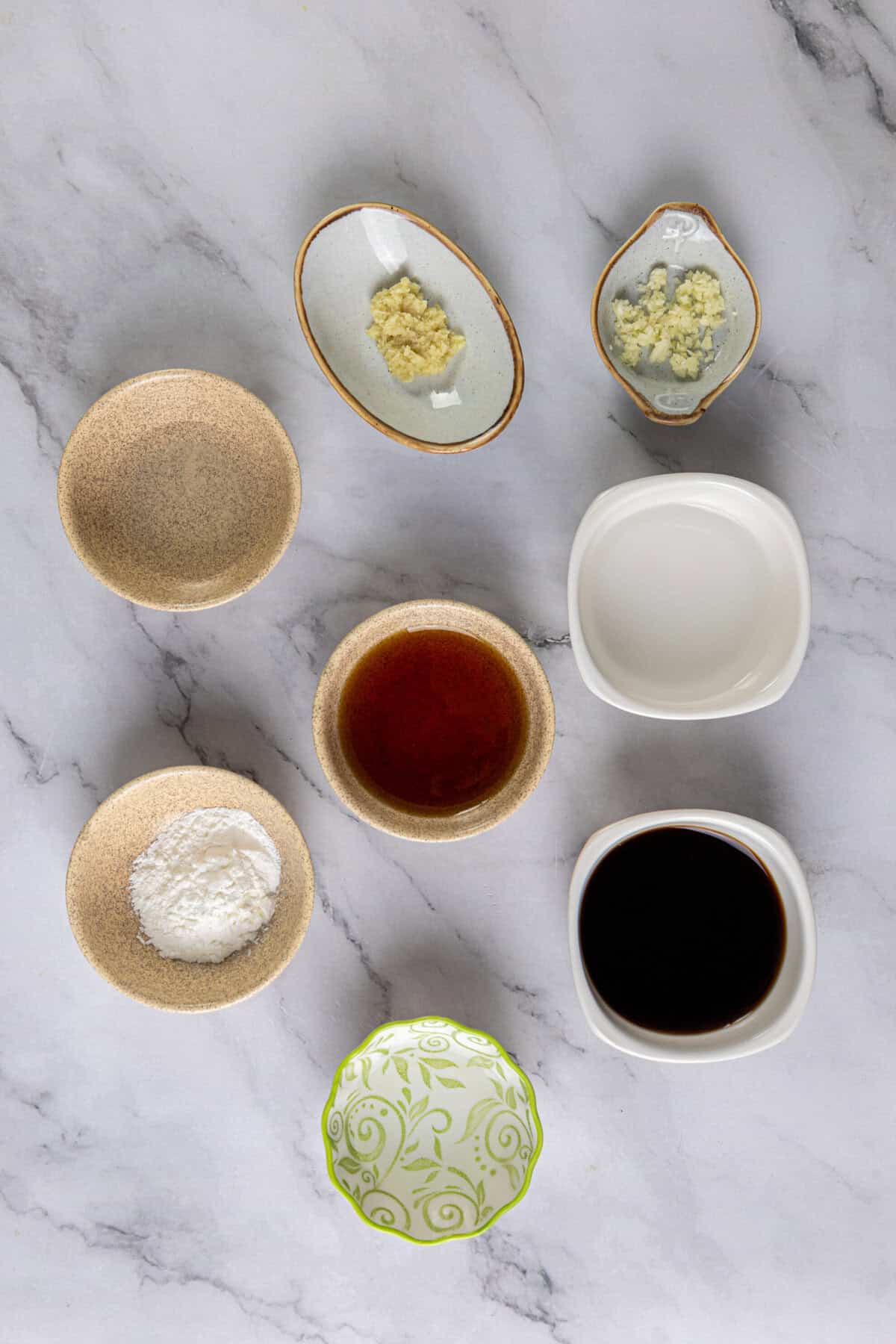
- 1 tablespoon cornstarch
- 1/4 cup + 1 tablespoon cold water divided
- 1/2 cup low-sodium soy sauce or tamari
- 1/4 cup maple syrup
- 2 tablespoons rice vinegar
- 1 teaspoon fresh ginger grated
- 1 clove garlic minced
Instructions
- In a small bowl, mix the cornstarch with 1 tablespoon of the cold water to create a slurry. Set aside.

- Combine soy sauce/tamari, remaining 1/4 cup water, maple syrup, rice vinegar, ginger, and garlic in a saucepan over medium heat. Stir until the mixture begins to simmer.
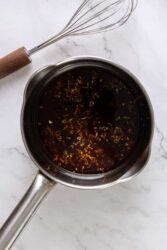
- Whisk in the cornstarch slurry and continue to cook, stirring constantly, until the sauce thickens, about 3 to 5 minutes.
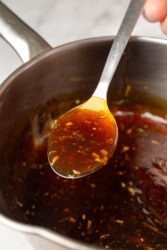
- Remove from heat and allow the sauce to cool completely. It can be used immediately or stored in a sealed container in the refrigerator.
Nutrition Info:
Nutrition information are estimates only and may vary based on the specific brands, ingredients, and portion sizes you use. This data is provided for informational purposes only.


Leave a Comment