

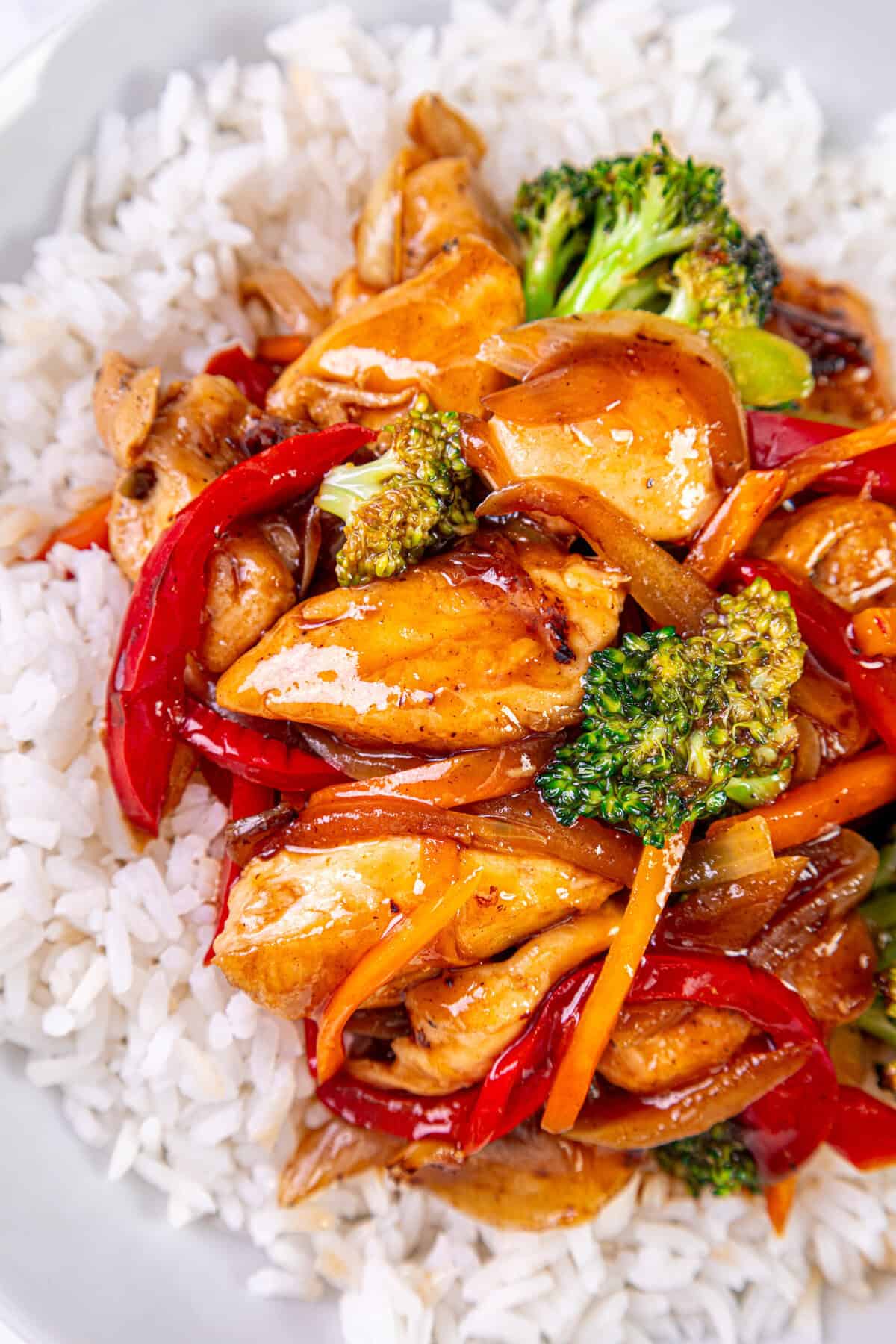
Tossed with colorful veggies in a sweet and savory sauce, this classic Teriyaki Chicken Stir-Fry always delivers!
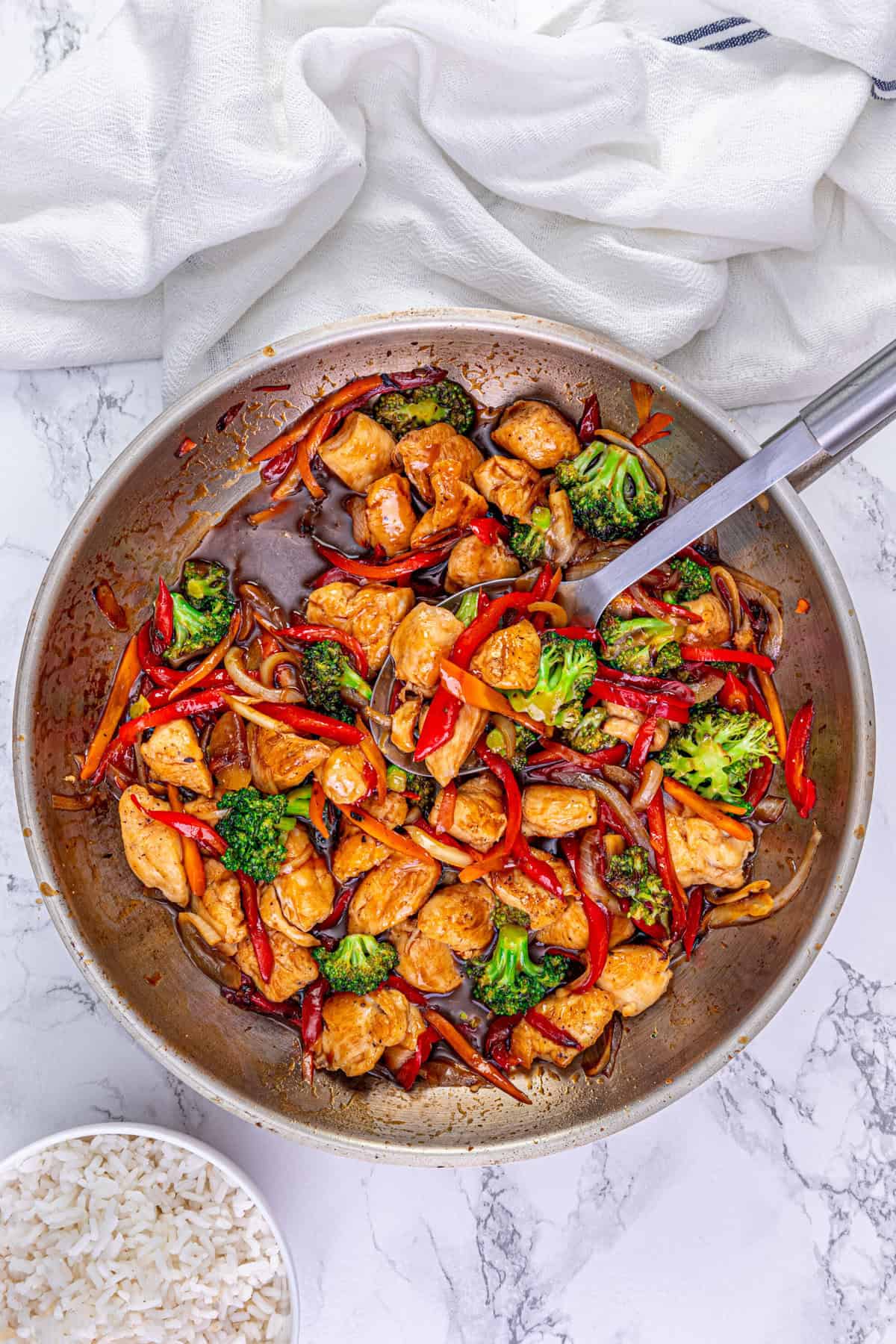
I’m back with another stir-fry recipe! Takeout is fine once in a while, but between the expense and the calories, I’ve been taking a break. You should, too. Instead, say hello to this delicious “night in” meal by yours truly! If you’ve read my posts, you know I love a good “takeout” recipe, and teriyaki chicken stir-fry never disappoints.
Before we get into it, you know I have to geek out a little on some culinary history. Like, did you know that the wok dates back to 771-256 BC in China? That’s over 2,500 years ago! In fact, inscriptions found in bronze on ancient cookware indicate these vessels were early forms of woks. Sure, stir-frying itself came later, but still—that’s just one of the coolest origin stories I’ve ever heard!
The stir-fry method was designed to cook food quickly and all together in one pan (or wok). So, if you’re like me and hate washing a billion dishes after dinner, you’ll love this recipe. Stir-frying uses high heat and steam to cook the food evenly.
Besides being incredibly easy to whip up, teriyaki chicken stir-fry is a tasty and reliable recipe. This one’s made with lots of fresh veggies and an array of other ingredients, from oil and vinegar to honey and ginger! The soy sauce and honey give you the sweet and savory flavors, while the vinegar adds a slight tang. Honestly, I love all stir-fries, but teriyaki chicken has always been my takeout order go-to—and now I just make the “takeout” at home.
Stir-fry 101
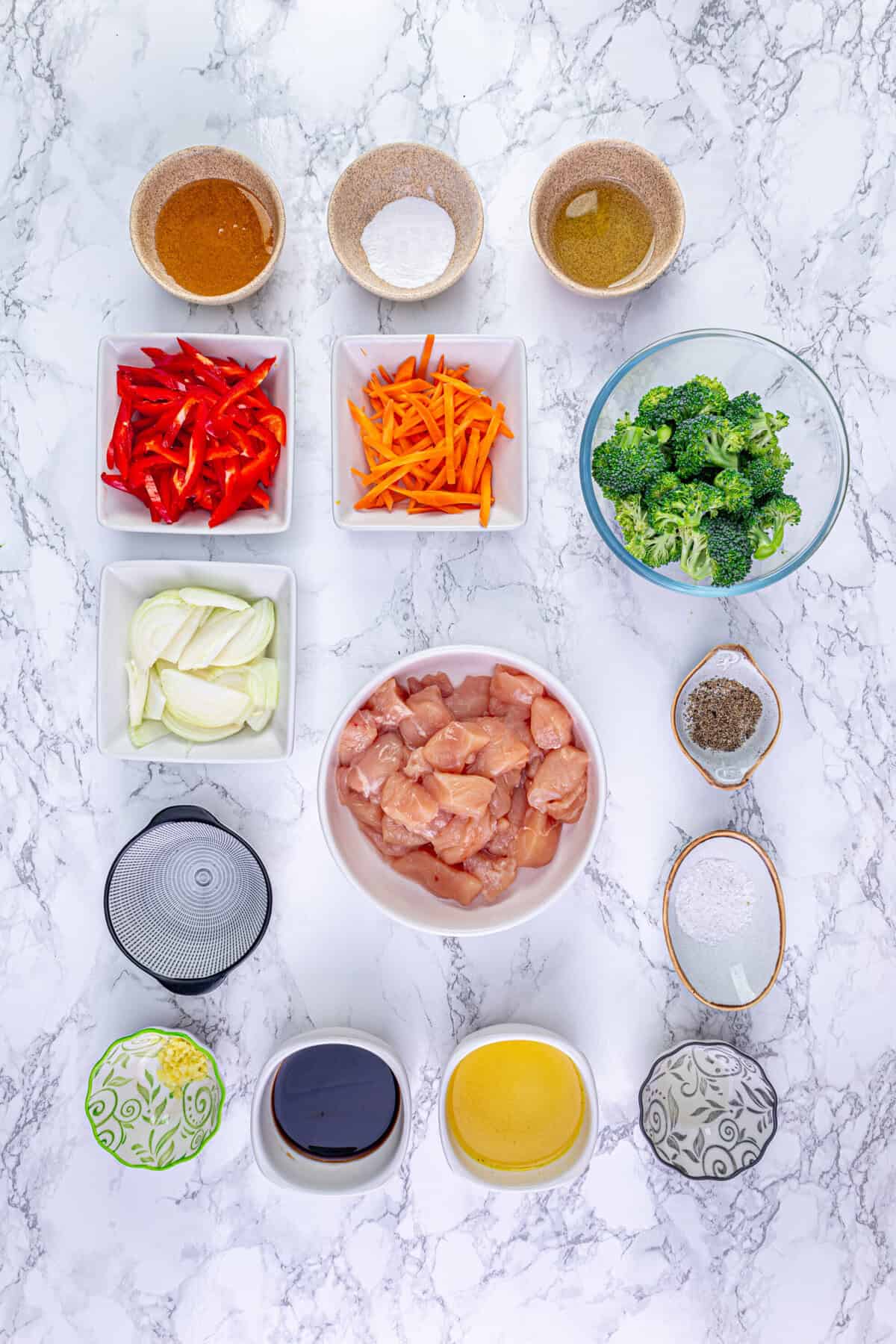
The stir-fry technique is great for quick and easy cooking, but it’s not exactly as simple as throwing everything into a wok and calling it a day. Turns out, there’s a little strategy behind it. First, you want to sauté your meat. Mixing raw meat with your veggies? Not a good combo. Health hazards aside, the moisture from the veggies means your chicken won’t sear properly. You want the meat to brown a bit for both taste and texture—add your vegetables after the meat cooks.
You’ll also want to save your homemade sauce for the end. It’s okay for the sauce to caramelize a little, but you don’t want it to burn. With the amount of honey I use in my sauce, trust me. It’ll burn fast!
How do I store leftovers?
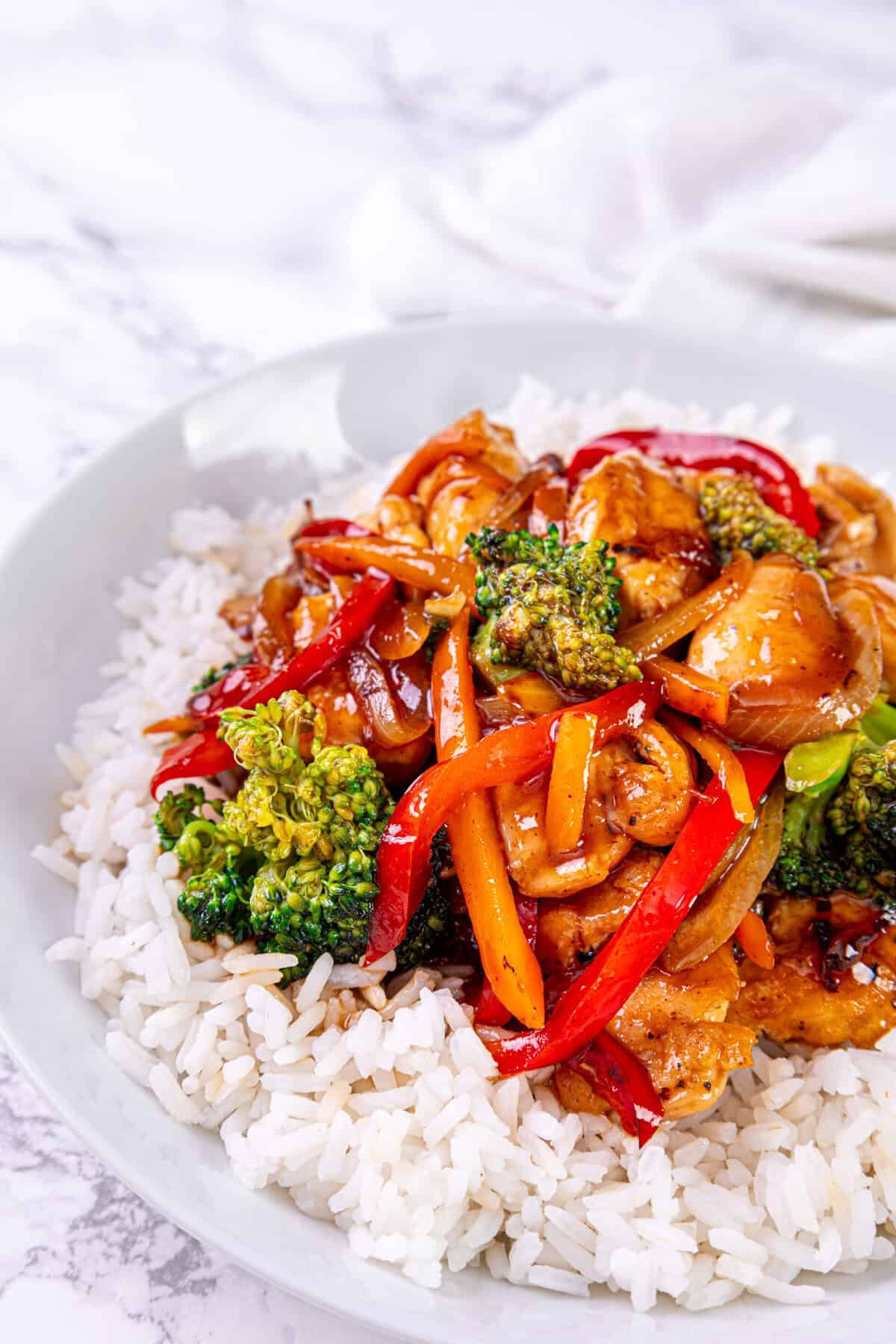
Refrigerate your leftover teriyaki chicken in an airtight container for up to 4 days. You can also freeze your stir-fry in a freezer-safe container for up to 3 months; just thaw it overnight in the fridge before reheating. While a microwave works, I prefer sautéing my leftovers. Just add a little oil and cook over medium heat for 5 to 10 minutes, depending on how much you have.
Serving suggestions
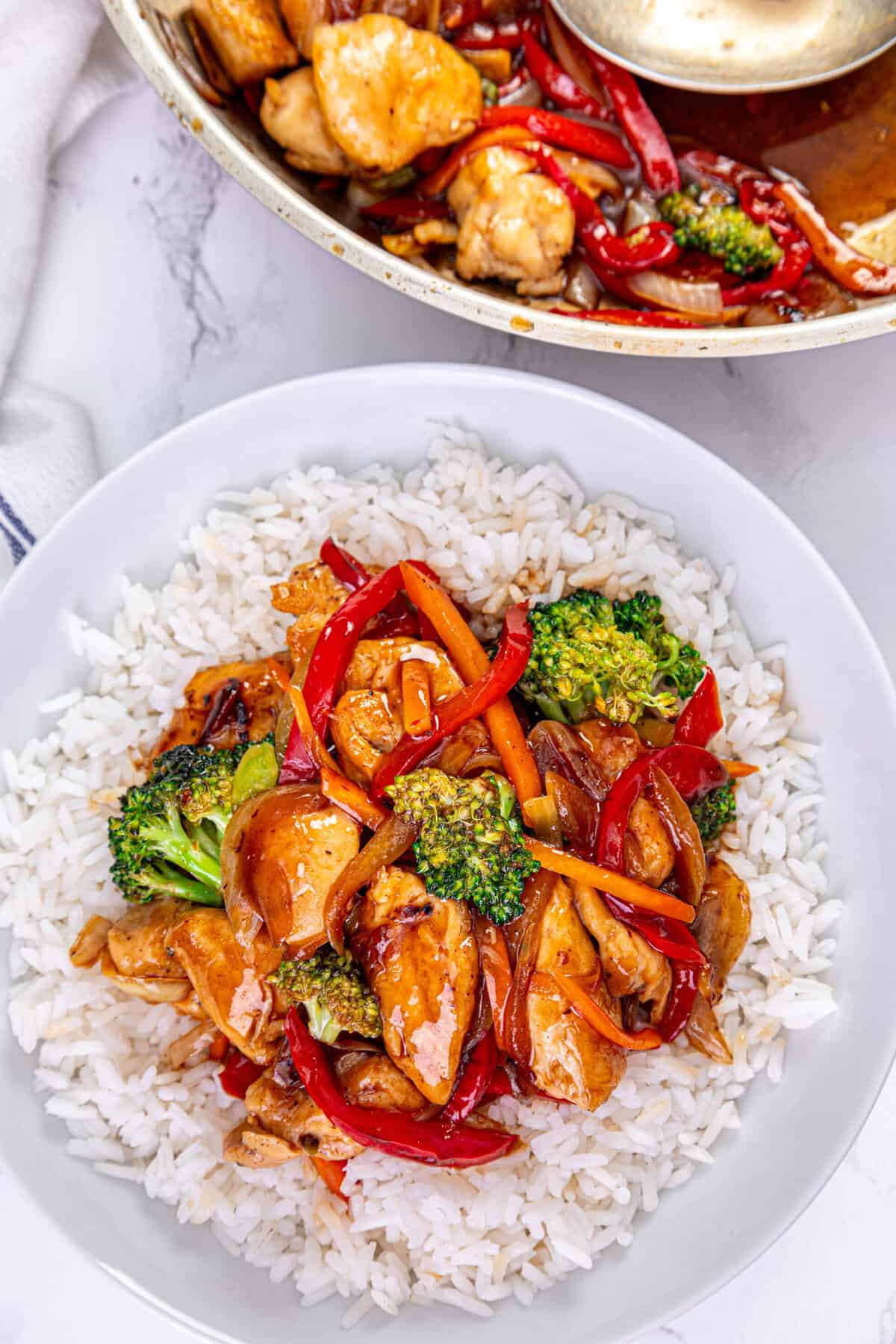
This dish was designed to curb your takeout cravings, so make sure you serve it up with other staple takeout dishes! Start off your feast with Din Tai Fung Cucumber Salad and Air-Fryer Wontons. Enjoy a side of Spring Rolls with your meal, and finish it all off with a staple Asian dessert—Mango Sago!

Ingredients
- 2 tablespoons olive oil
- 1 pound boneless, skinless chicken breasts cut into 1-inch pieces
- Salt and pepper to taste
- 1/2 medium onion sliced
- 2 cups broccoli florets
- 1 red bell pepper julienned
- 1/2 cup carrots julienned
- 1/3 cup low-sodium soy sauce
- 1/2 cup chicken broth
- 3 tablespoons honey
- 1 tablespoon rice wine vinegar
- 1 teaspoon sesame oil
- 1 teaspoon fresh ginger minced
- 1 tablespoon cornstarch
Instructions
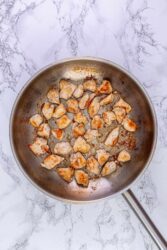
- In a large skillet over medium heat, heat 1 tablespoon of olive oil. Add the chicken seasoned with salt and pepper. Sauté until browned and cooked through, about 5 to 7 minutes. Remove and set aside.
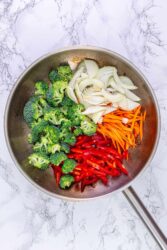
- In the same skillet, add another tablespoon of olive oil. Sauté the onion, broccoli, bell pepper, and carrots until tender, about 5 minutes.
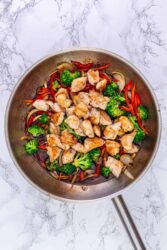
- Whisk together soy sauce, chicken broth, honey, vinegar, sesame oil, ginger, and cornstarch. Pour over the vegetables in the skillet, and add the cooked chicken back in. Stir until the sauce thickens, about 3 to 5 minutes.
Nutrition Info:
Nutrition information are estimates only and may vary based on the specific brands, ingredients, and portion sizes you use. This data is provided for informational purposes only.



Leave a Comment