

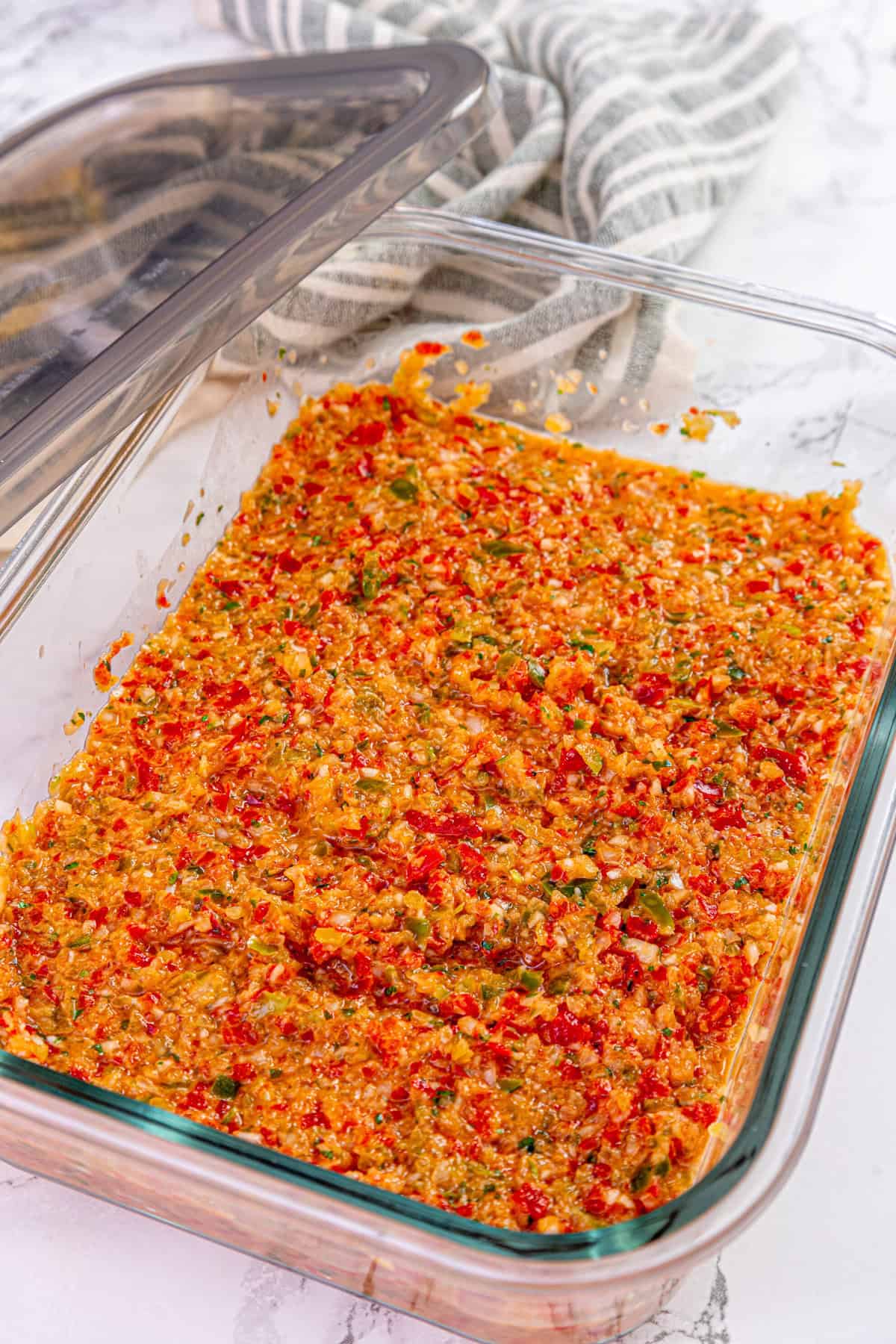
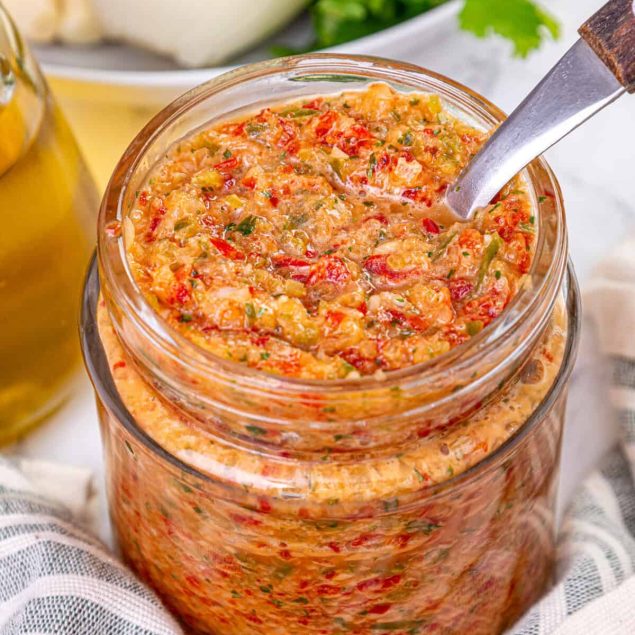
Sofrito, a flavor-building blend of aromatics that enhances just about any dish.
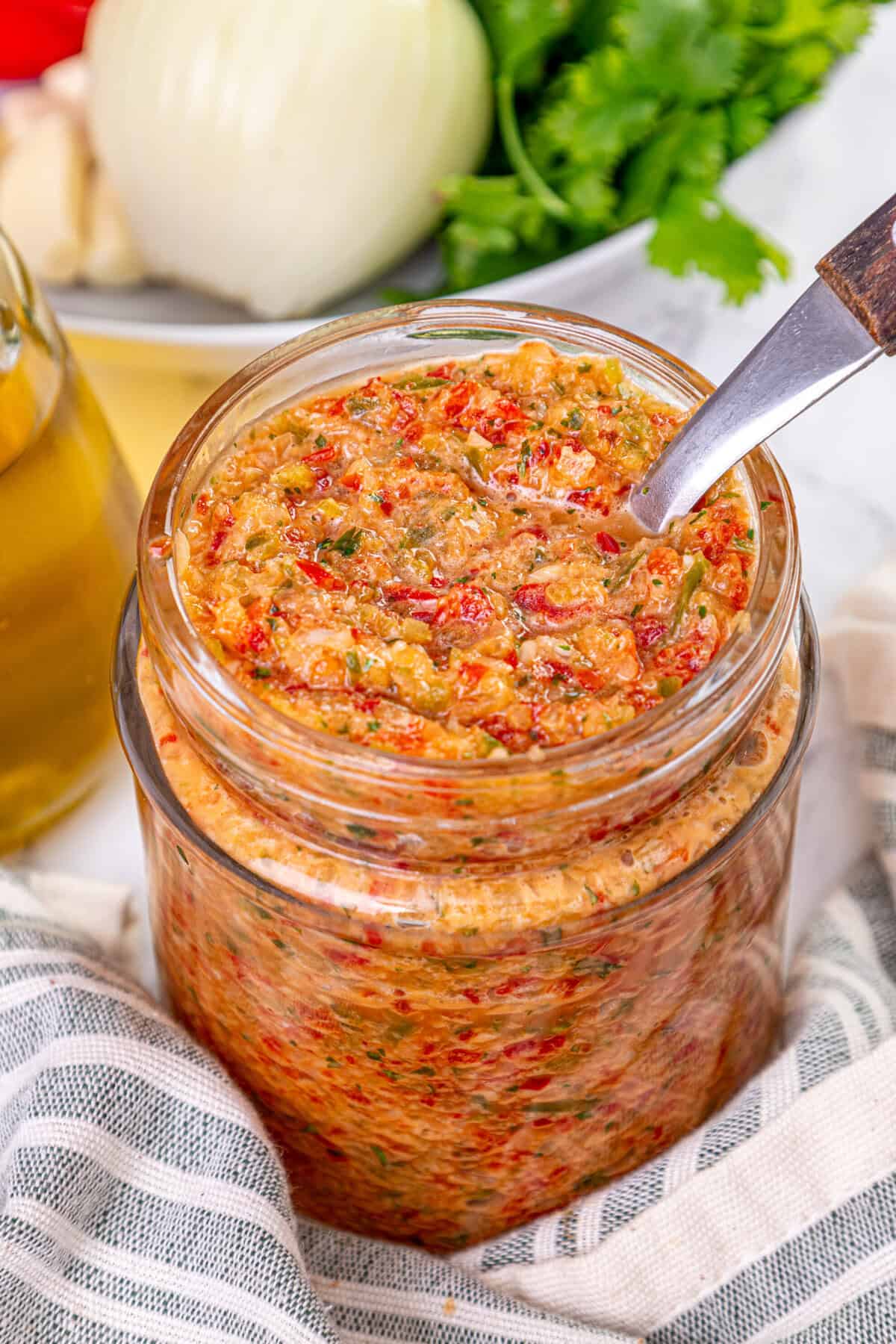
Sofrito reminds me of one of my favorite restaurants, Sol Food, in San Rafael, a casual spot serving authentic Puerto Rican food in a green, plant-filled setting. It’s about 45 minutes away from where I used to live in Napa, but my friends and I were always down to make the trek, even if it meant facing a line wrapped around the corner nearly every time. Yes, it was that good. And plated on the communal dining tables was their version of an orange, sofrito-like sauce that paired well with the rice, beans, fried plantains, shrimp, meats, and leafy greens—just about everything you could order on the menu.
It is believed that sofrito originated in Catalonia. The word refers to a technique (sofreír) where you stir-fry aromatics over low heat to release different flavor compounds. I love its versatility and ability and ability to build flavor in a wide range of recipes. Additionally, you can always customize it with different ingredients, making it adaptable to personal tastes. It’s a perfect seasoning to keep on hand, and it keeps well in the fridge.
You’ll love the complex, punchy flavors of this delectable sofrito. It’s bound to become a favorite in your kitchen, too!
Is sofrito healthy?
This sofrito recipe is healthy due to its nutrient-dense ingredients, offering numerous health benefits. It is made with onions, garlic, herbs, and peppers. These ingredients are rich in antioxidants and help neutralize free radicals in the body. Overall, incorporating sofrito into meals not only enhances their flavor but also increases their nutrient content.
Cultural variations
There are so many cultural variations to this seasoning paste. If you prefer a Puerto Rican, Dominican, or Cuban spin, include cubanelle peppers. For a Caribbean mix, add scotch bonnet peppers. The Mexican version is similar to the Puerto Rican version, but typically uses serrano or jalapeño peppers instead of cubanelles. In Portugal, it primarily consists of onions, olive oil, and bay leaves and is known as “refogado.” There are so many fun mixes. Have fun with it, and try out a few to see what works best for you.
How to make ahead and store
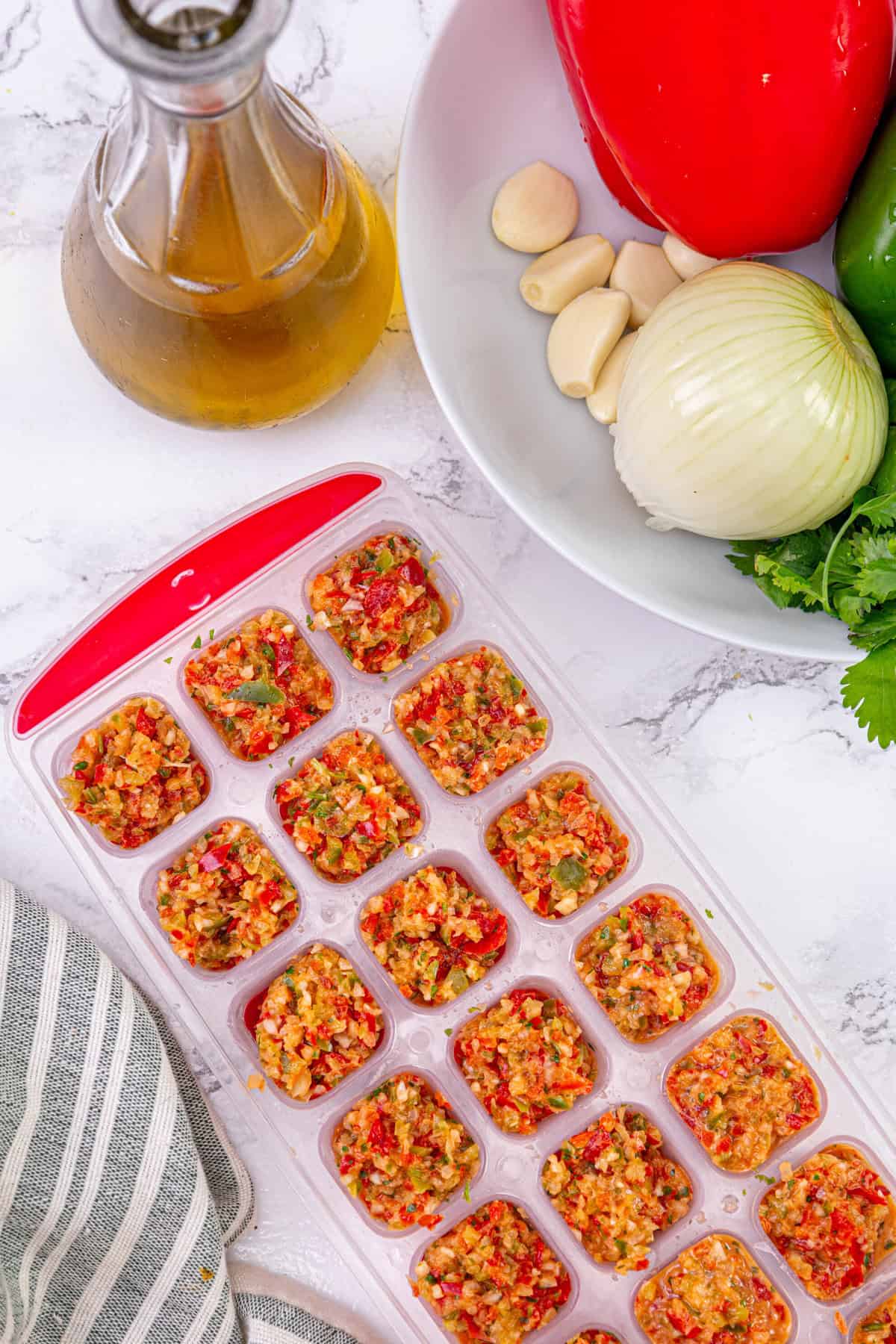
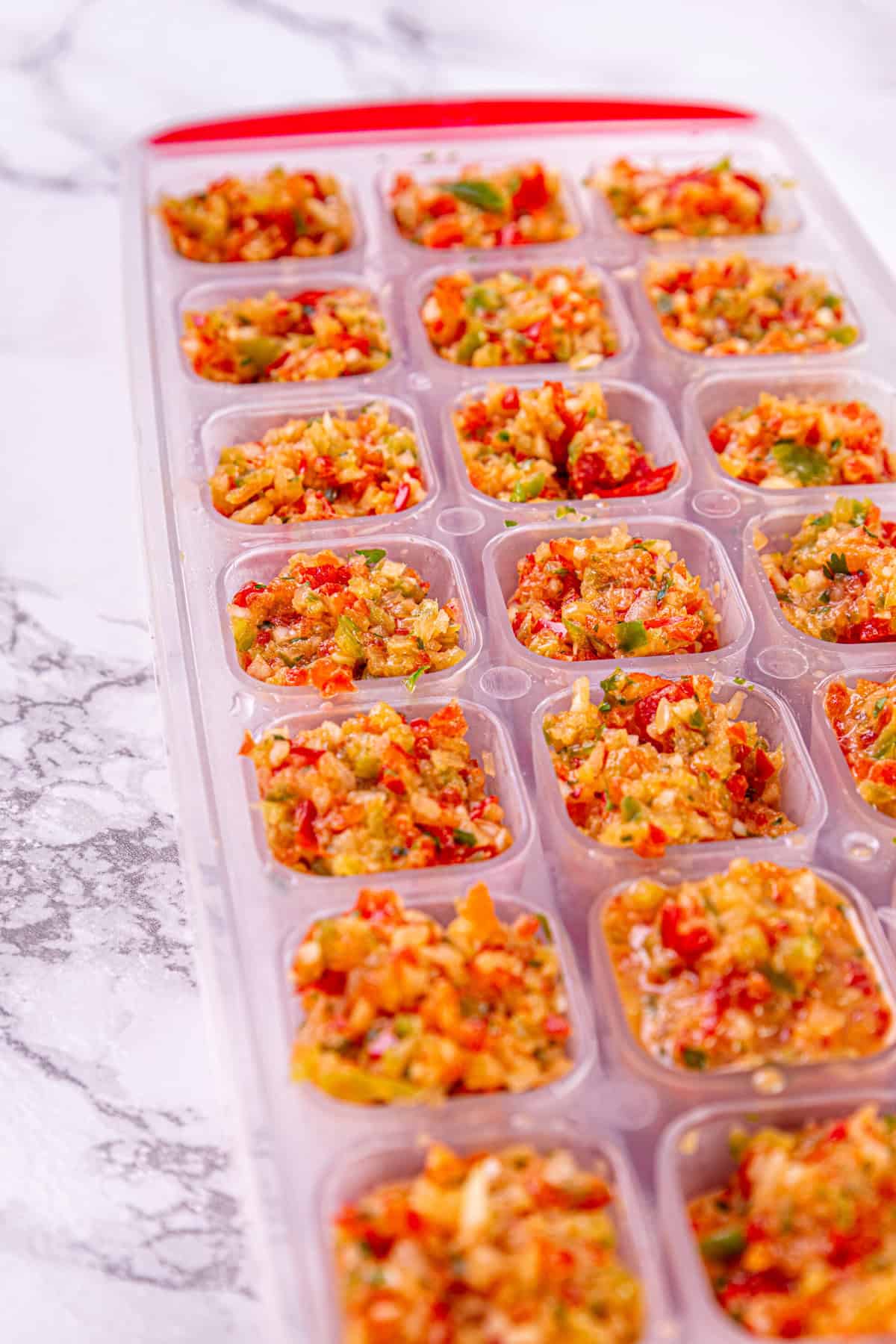
Your fresh sofrito can be stored in the fridge for up to 1 week. For longer storage, you can freeze it for up to 3 months. My favorite method for freezing is to use an ice cube tray and place about 1-2 tablespoons in each section. This allows you to pop out ready-to-use portions as needed, making it convenient for use in future recipes.
Serving suggestions
For me, making sofrito evokes nostalgic memories. With the smell of garlic filling the house, the simmering scent flowing from my stovetop reminds me of home. While sofrito is widely used in Latin American and Caribbean cooking, this seasoning paste brings a dynamite flavor to just about any dish. I use it as a base for stews or beans. It can add a boost of flavor to rice dishes such as this Mexican Brown Rice, soups, and more! This paste provides depth to culinary creations of all sorts. Spread it on toast, used as a finishing touch for risotto, or in a dressing for grilled asparagus, roasted cauliflower, and caramelized eggplant.
Ingredients
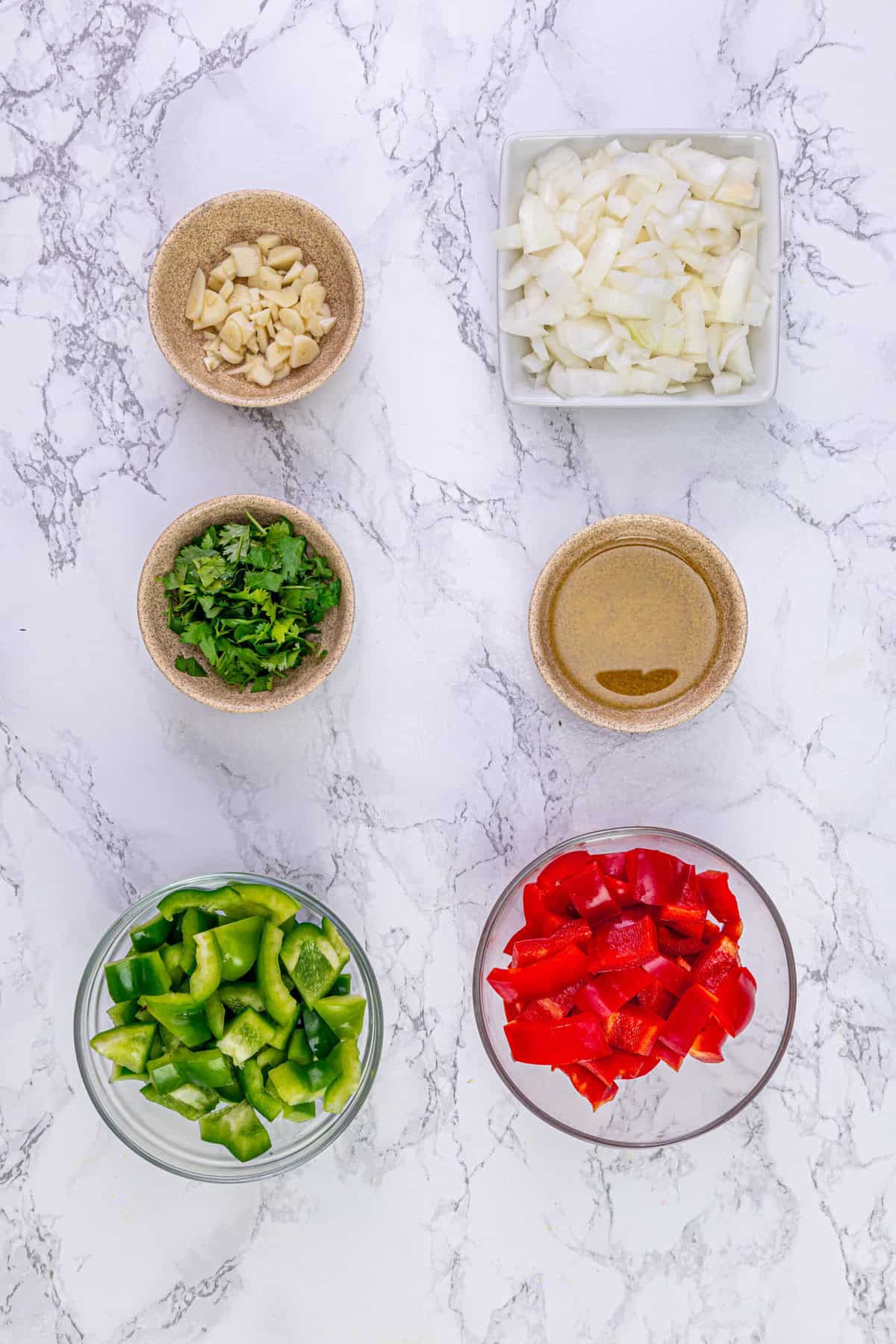
- 1 large yellow onion chopped
- 1 green bell pepper seeded and chopped
- 1 red bell pepper seeded and chopped
- 6 cloves garlic peeled and chopped
- 1 bunch cilantro roughly chopped
- 1/4 cup olive oil
Instructions
- Combine onion, bell peppers, garlic, and cilantro in a food processor.
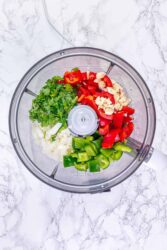
- Pulse until the mixture is finely chopped but not pureed, scraping down the sides as needed.

- Transfer the sofrito to an airtight container and store in the refrigerator for up to a week or freeze for up to three months.

Nutrition Info:
Nutrition information are estimates only and may vary based on the specific brands, ingredients, and portion sizes you use. This data is provided for informational purposes only.



Leave a Comment