

This easy gluten-free meal is a quick and satisfying weeknight dinner!
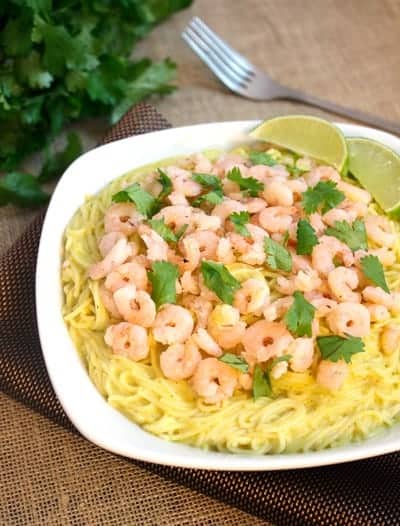
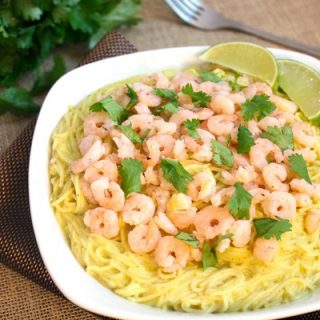
I often think of shrimp as a fancy, special occasion meal. But this shrimp pasta with creamy curry sauce recipe is changing my mind. It’s so fast and easy that I can cook it after work—and I can use precooked, frozen shrimp, which is super convenient and affordable. Plus, I can share it with my gluten-free niece without swapping any ingredients! Now, that’s a true win-win.
The best thing about this dish, though, is its decadently rich and creamy curry sauce. The shallots, garlic, and ginger create a deeply savory base that gets thick and creamy when you add the coconut milk and cornstarch. Then the curry powder, fish sauce, and brown sugar come in and give the whole thing a delicate, sweet-and-savory character. A garnish of cilantro brings just the right touch of bright acidity to balance everything out. Every bite delivers a mix of flavors that perfectly play off each other. Yum!
Whether it’s date night or just another Tuesday, this dish will brighten up your week. It’s super easy and fast to make, but it tastes—and looks—like it took serious effort and expertise.
Is Shrimp Pasta With Creamy Curry Sauce Healthy?
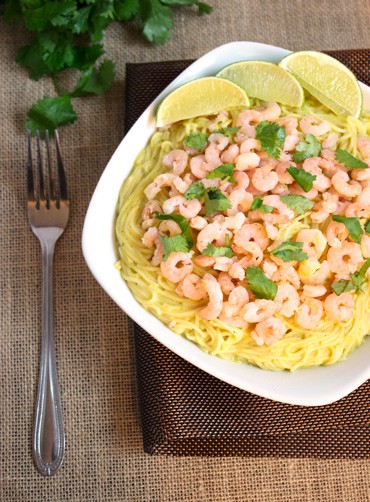
This shrimp pasta recipe makes a flavorful, satisfying dish that offers a balance of protein, healthy fats, and complex carbs. It’s naturally gluten-free and can be a healthy choice for most well-balanced diets. The shrimp deliver solid amounts of high-quality protein and calcium along with moderate amounts of potassium and iron. The brown rice noodles add fiber without gluten, and the coconut oil and coconut milk provide plant-based fats. You also get some healthy fats from the shrimp.
The sodium and saturated fat content are moderately high. If you’re watching those levels, you might consider cutting back on the fish sauce and replacing half the coconut milk with unsweetened almond milk. Make a Paleo-friendlier version by subbing in spiralized zucchini for the rice noodles, swapping the cornstarch for arrowroot or tapioca starch, and using honey or coconut aminos for sweetness instead of brown sugar.
Yellow Vs. Green Vs. Red Curry Powder
The term curry comes from the Tamil word kari, meaning “sauce.” British traders seeking to replicate the complex flavors of Indian curries in a convenient, ready-made form created what we know today as curry powder in the 18th century. Curry powder is typically a blend of turmeric, coriander, cumin, fenugreek, and black pepper, among other ingredients. Over time, different regions and cuisines developed their own variations, including the yellow, red, and green curry powders popular in Thai and fusion cooking.
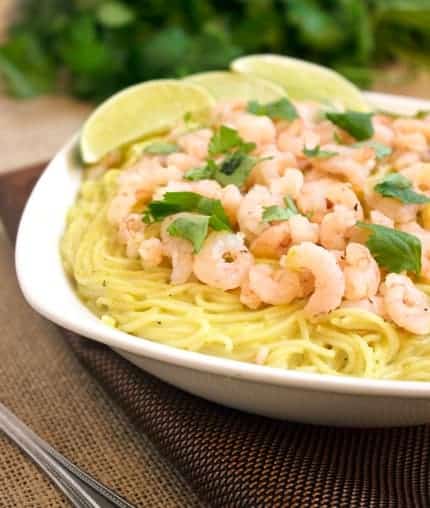
This recipe features yellow curry powder, which is known for its mild to medium heat and a distinct earthy, slightly bitter flavor, which comes primarily from turmeric. It’s a good place to start if you’re new to curries or sensitive to spices. Green curry powder or paste is the hottest of the three, thanks to its base of fresh green chilies, which deliver a sharp, fiery heat. Red curry powder falls between green and yellow in terms of heat. It gets its color and heat from red chilies and includes spices such as coriander, cumin, and sometimes garlic and ginger. Feel free to experiment with all three curry powder varieties to find your fave. Just be sure to start with a small amount, amp it up slowly, and taste as you go to avoid overdoing it!
How Do I Store Leftovers?
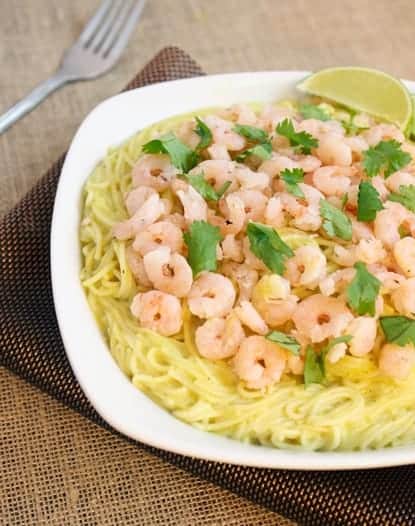
Store leftover shrimp pasta in an airtight container in the fridge within 2 hours of cooking. It will keep for 3 to 4 days. You can also freeze leftovers in a freezer-safe container for up to 2 months. Thaw overnight in the fridge. Reheat in a skillet with a splash of broth or water over low to medium heat, stirring occasionally, until warmed through. Or microwave in 30- to 60-second intervals, stirring in between. Avoid overheating, as the shrimp can get rubbery.
Serving Suggestions
This shrimp pasta with creamy curry sauce makes a nice, light meal on its own. For a heartier dinner, serve it with a side of Roasted Brussels Sprouts And Sweet Potatoes or this delightful Cucumber and Tomato Salad (with Onions). More indulgent complements could include this rich and creamy Crab Rangoon Dip, these savory Stuffed Tomatoes, or a bowl of Crock-Pot Seafood Chowder.
Ingredients
- 1 6-ounce package brown rice noodles
- 1/2 tablespoon coconut oil melted
- 1/2 cup shallots diced
- 1 tablespoon garlic minced
- 1/2 teaspoon ginger minced
- 3/4 cup reduced-sodium chicken broth
- 1 teaspoon cornstarch
- 3/4 cup light coconut milk
- 1 teaspoon yellow curry powder
- 1/2 teaspoon fish sauce
- 1/2 tablespoon brown sugar
- 1/4 teaspoon salt
- 1 pound cooked shrimp
- Cilantro for garnish
Instructions
- Bring a large pot of water to a boil. Add the noodles. Turn off the heat and let the noodles sit in the hot water while you prepare the sauce.
- In a large pan, heat 1/2 tablespoon coconut oil over medium heat. Add the shallots, garlic, and ginger. Sauté until soft, about 2-3 minutes.
- Add 1/2 cup of the the chicken stock and stir, scraping any bits off the bottom of the pan.
- In a small bowl, combine the cornstarch with the remaining 1/4 cup of chicken stock. Stir until the cornstarch is completely dissolved. Add this mixture to the pan and stir until it is well combined.
- Turn the heat up to medium high. Bring the sauce to a rolling boil. Let it boil for a good minute or so.
- Turn the heat down to medium/low. Simmer until the sauce starts to thicken, about 2-3 minutes.
- Stir in the coconut milk, curry powder, fish sauce, brown sugar, and salt.
- Turn the heat up to medium/high and boil again for 2-3 minutes.
- Reduce heat to medium/low. Simmer until thick, 2-3 minutes.
- Drain the noodles and place them in a large bowl. Pour the sauce over them.
- Add the cooked shrimp and cilantro to the noodle mixture.
- Toss to coat all ingredients evenly with sauce. Serve immediately.
Nutrition Info:
Nutrition information are estimates only and may vary based on the specific brands, ingredients, and portion sizes you use. This data is provided for informational purposes only.



Leave a Comment