• Skip to primary navigation
  • Skip to main content
  • Skip to primary sidebar

Food Faith Fitness

Nourishing your body, mind and soul

  • About
    • About
    • Editorial Policy
    • FFF Book
  • Recipes
    • By Course
      • Breakfast
      • Main Dish
      • Side Dish
      • Appetizers
      • Desserts
      • Snacks
      • Smoothies/Drinks
    • By Type
      • Salad
      • Soup
      • Slow Cooker
      • Pasta
      • Sandwich/Wraps
      • Casseroles
      • Holiday
    • By Protein
      • Poultry
      • Pork & Beef
      • Seafood
      • Meatless
    • By Diet
      • Gluten Free
      • Dairy Free
      • Low Carb
      • Vegetarian
      • Egg free
      • Nut Free
      • Keto
      • Paleo
      • Vegan
      • Whole30
    • All Recipes
  • Faith
  • Breakfast
  • Main Dish
  • Side Dish
  • Desserts
  • Smoothies
  • Appetizers

Filipino Pork Adobo

5 from 1 vote
Jonathan PorterBy Jonathan Porter
Jonathan Porter
Jonathan Porter Food Writer

Voracious writer and recipe conjurer who loves cooking up food as much as words.

Expertise: Italian, Greek, Japanese, Asian Fusion & American Cuisine View all posts →
Jump to Recipe

This savory, umami Filipino dish will simply ‘wow’ your taste buds!
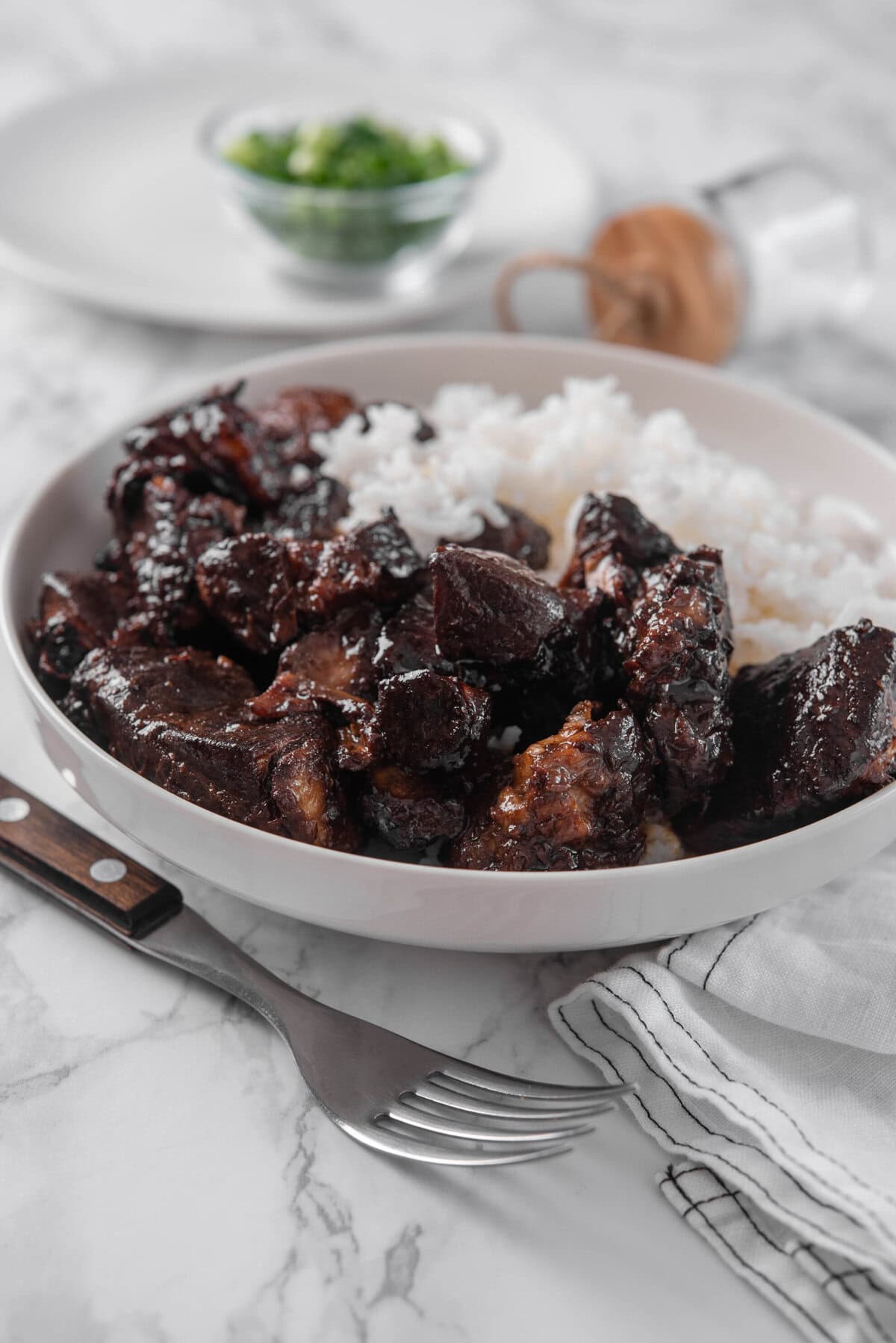
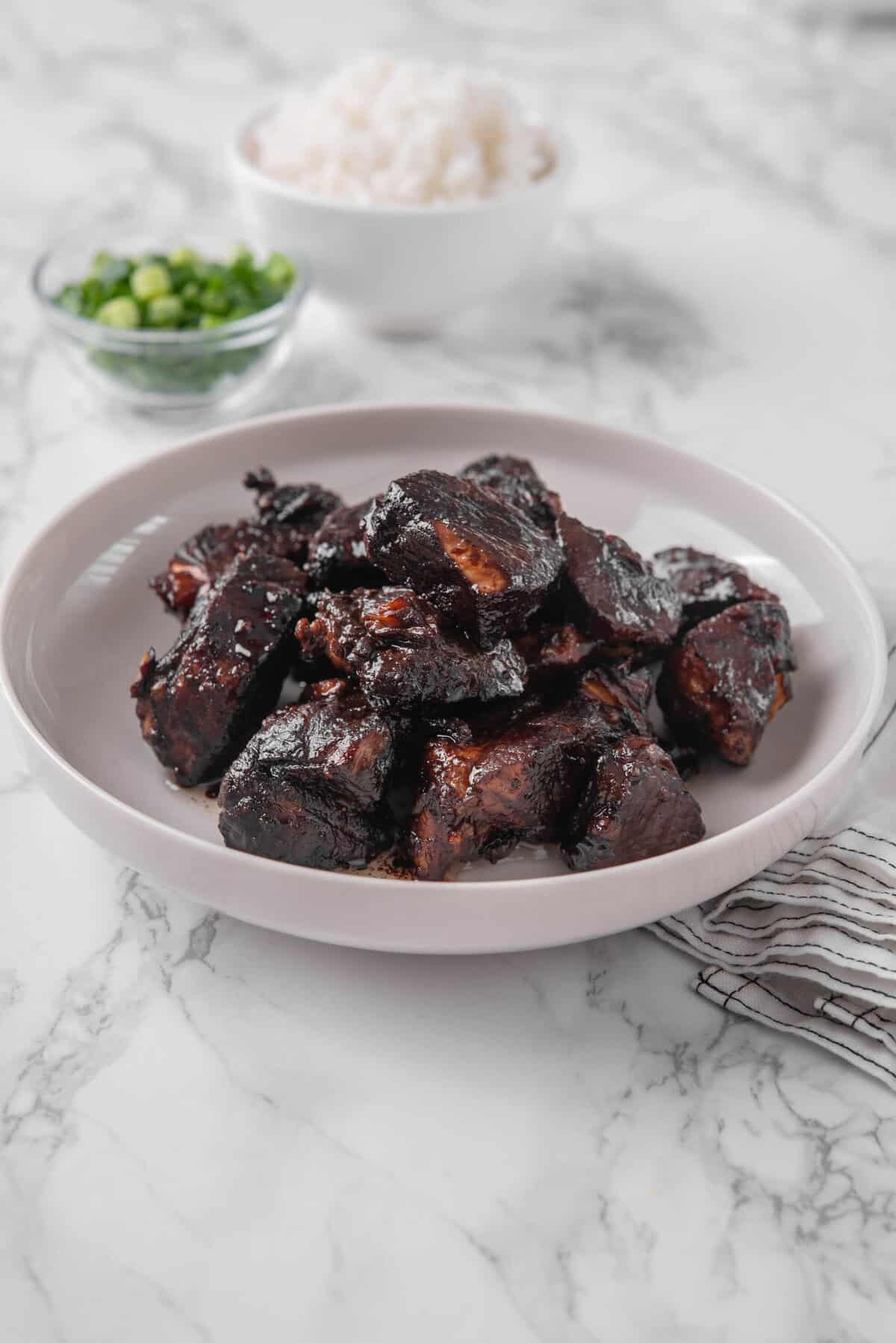
Filipino pork adobo served in a white bowl, garnished with chopped green onions.

Pork adobo is considered a cornerstone of Filipino cuisine, and it’s been growing in popularity here in the States. I first tried it at a local fusion restaurant, but this recipe goes way back, tracing its roots to the Spanish colonization of the Philippines in the late 16th century. However, long before the Spanish arrival, native Filipinos were already stewing meat in vinegar and salt, a method of preservation. The Spanish influence is evident in the name and probably some aspects of the dish, but it was Chinese traders who introduced soy sauce to the Philippines, which later became the star ingredient in pork adobo.

This recipe blends salty, sour, and savory umami flavors. The succulent pork shoulder, marinated in soy sauce and garlic, absorbs the tangy vinegar and spices as it slowly cooks. The result? A tender, flavorful meat glazed in a glossy sauce—so good.
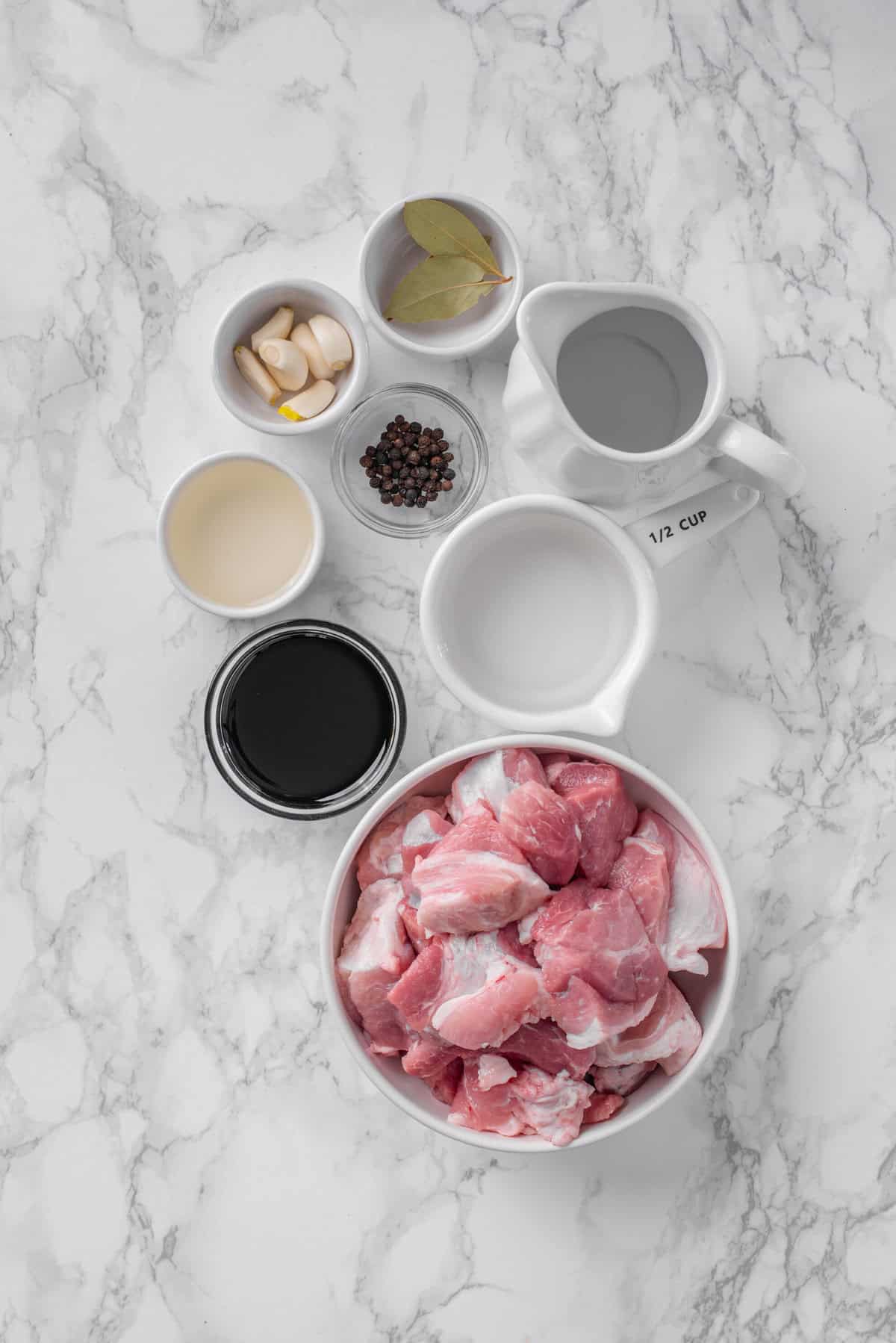
Ingredients for Filipino Pork Adobo: cubed pork, garlic, bay leaves, black peppercorns, soy sauce, vinegar, water.

Is Filipino Pork Adobo Healthy?

This dish is low in carbs, especially if you don’t serve it with rice. Plus, pork is a good source of protein, vitamins, and minerals. To make adobo healthier, consider using leaner cuts of pork. You could also replace the soy sauce with a low-sodium variety. To add fiber and boost the dish’s nutritional profile, serve it with brown rice and a side or two of vegetables. My go-to options are bell peppers and broccoli!
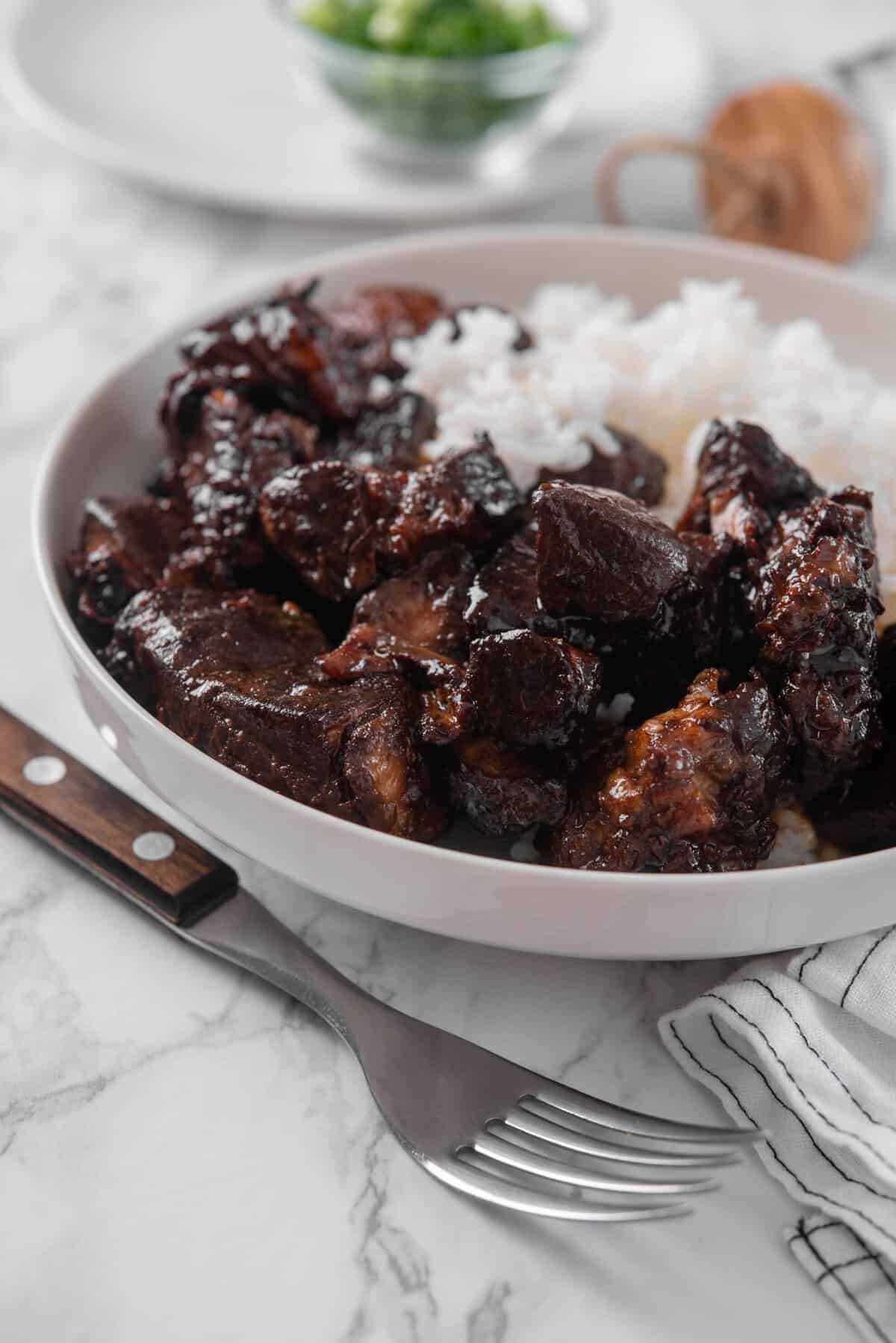
Filipino Pork Adobo in a light bowl, with white rice and chopped green onions.

The Role of Soy Sauce in Adobo

Soy sauce is probably the most used ingredient in my kitchen. I have several varieties, from barrel-aged to premium dark soy sauce. After all, it’s a fundamental ingredient in lots of dishes, like this Filipino pork adobo. For this recipe, the soy sauce provides the primary salty and umami flavor base for the dish. While the vinegar adds tanginess, the soy sauce adds depth and complexity. This potent sauce penetrates the pork, breaking down proteins and making the meat more tender and flavorful. It also imparts a beautiful color to the adobo, because, hey, aesthetics are important in cooking!

Filipino pork adobo served with white rice in a bowl, garnished with green onions.

How to Make Ahead and Store

As with most meat stews, the dish will taste better the day after it’s made. Leftovers can be stored in an airtight container in your fridge for up to 4 days, or frozen for up to 3 months.
Filipino pork adobo served in a white bowl with fluffy white rice and a fork.

Serving Suggestions

Traditionally, pork adobo is served over a bed of rice, and if you’re cool with the carbs, I highly recommend it! And it doesn’t have to be white rice; Brown Rice will taste just as good and is far more nutritious. You can also try Vegetable Fried Rice, or for a low-carb option, Cauliflower Fried Rice. Speaking of vegetables, this Broccoli Stir-Fry With Ginger And Sesame complements the pork adobo really well, too!

I’ve been in a pork mood lately, and if you have as well, check out this Crock-Pot Pork Tenderloin recipe. It’s so easy to make, but it tastes like you’ve been laboring in the kitchen for hours. Also, these “Phở” Slow-Cooker Pulled Pork Sandwiches are absolutely restaurant-worthy.
Recipe

Filipino Pork Adobo

5 from 1 vote
Print Rate
Serves: 4 servings
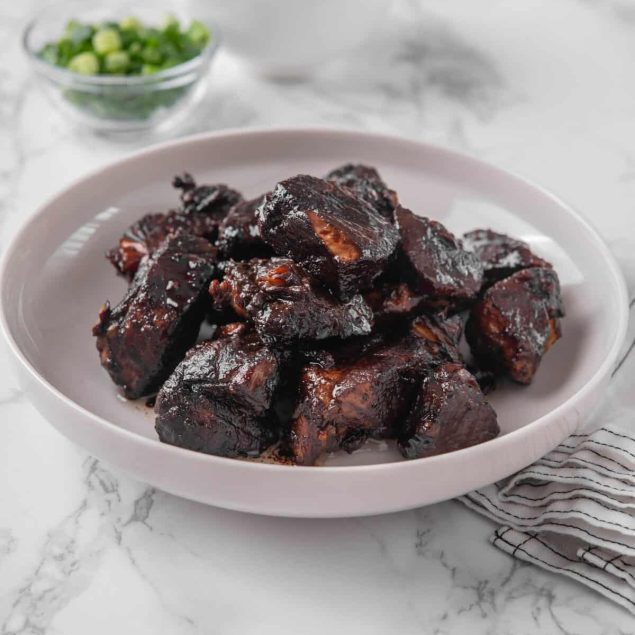
Filipino Pork Adobo in a light bowl, with white rice and chopped green onions.
Prep: 10 minutes minutes
Cook: 1 hour hour 20 minutes minutes
Marinating time: 1 hour hour
Total: 2 hours hours 30 minutes minutes

Ingredients

  • 2 pounds pork shoulder cut into 2-inch cubes
  • 1/3 cup soy sauce
  • 1/2 cup white vinegar
  • 6 cloves garlic minced
  • 1 teaspoon whole black peppercorns
  • 3 bay leaves
  • 1 tablespoon vegetable oil
  • 1 cup water
  • Salt to taste

Instructions

  • Marinate the pork in soy sauce and garlic for at least 1 hour or overnight in the refrigerator.

    Filipino Pork Adobo Recipe
  • Heat oil in a large pot over medium-high heat and sear the pork until browned on all sides.
    Filipino Pork Adobo Recipe
  • Add the vinegar, water, peppercorns, and bay leaves to the pot. Bring to a boil, then reduce heat to low and simmer, covered, for 1 hour.

    Filipino Pork Adobo Recipe
  • Remove the lid, increase the heat to medium, and continue simmering until the sauce is reduced and thickened, about 20 minutes. Remove the bay leaves and season with salt to taste.
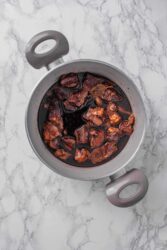
    Filipino Pork Adobo Recipe
  • Serve the pork adobo over steamed rice with a side of vegetables for a complete meal.
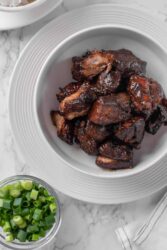
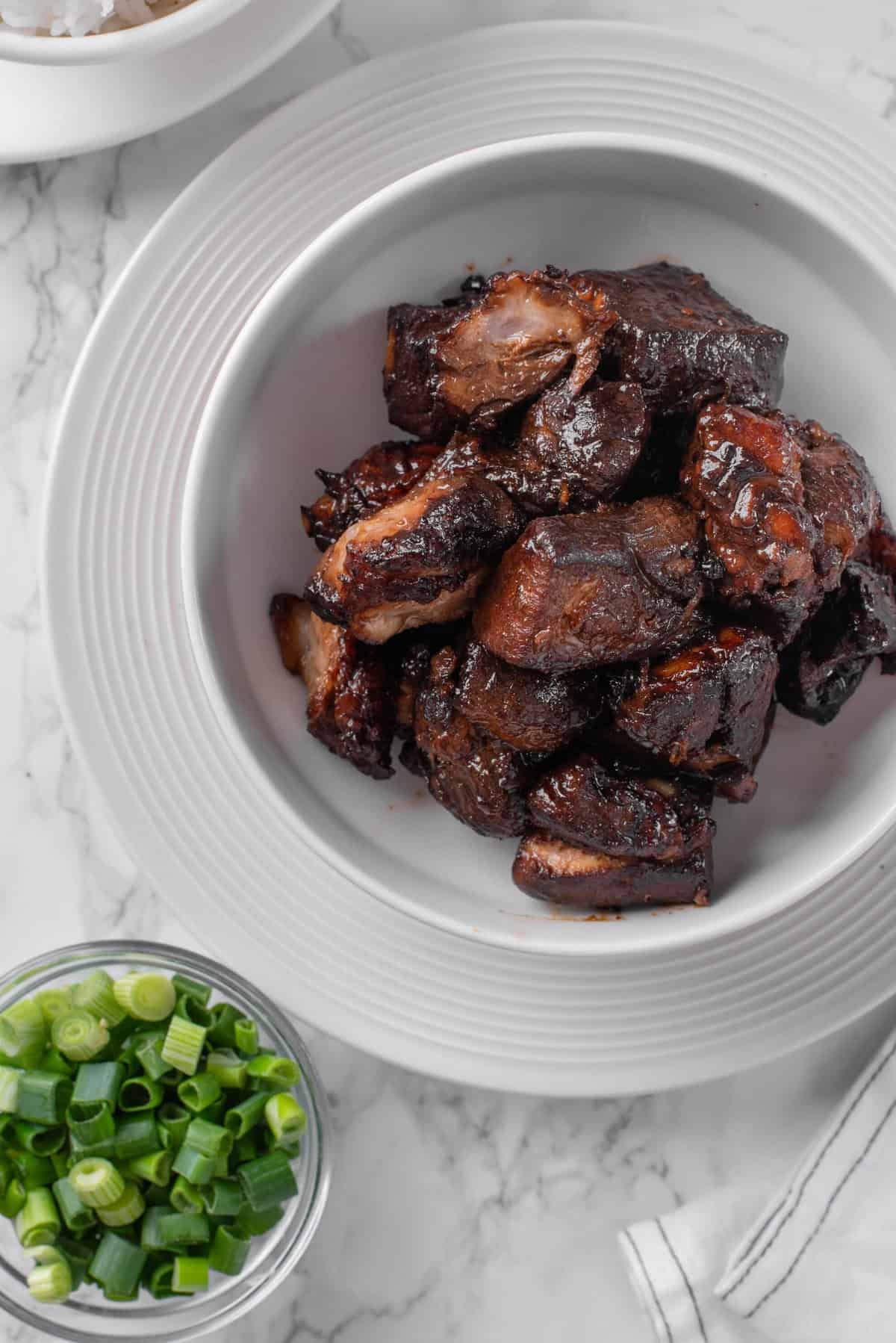
    Filipino pork adobo served in a white bowl, garnished with chopped green onions.

Nutrition Info:

Calories: 262kcal (13%) Carbohydrates: 3g (1%) Protein: 29g (58%) Fat: 13g (20%) Saturated Fat: 4g (25%) Sodium: 1190mg (52%) Fiber: 1g (4%) Sugar: 0.4g

Nutrition Disclaimer

Nutrition information are estimates only and may vary based on the specific brands, ingredients, and portion sizes you use. This data is provided for informational purposes only.

Author: Jonathan Porter
Course:Main Course
Cuisine:Filipino
Share your creationsTag @foodfaithfit and hashtag it #foodfaithfitness so I can see what you made!
Rate It
Jonathan Porter

About Jonathan PorterItalian, Greek, Japanese, Asian Fusion & American Cuisine

Voracious writer and recipe conjurer who loves cooking up food as much as words.

Reader Interactions

Paola Westbeek

✓Reviewed by Paola WestbeekGastronomy & Fine Wines

Editorially reviewed and recipe-tested in line with our Editorial Policy.

Published: Oct 7, 2024 | Updated: May 14, 2026
5 from 1 vote (1 rating without comment)

Leave a Comment Cancel reply

Have a question? Use the form below to submit your question or comment. I love hearing from you and seeing what you made!

rate this recipe:


Eggplant meatballs in a white bowl, covered in red marinara sauce and melted mozzarella cheese.
Previous Post
Eggplant Meatballs
Air-Fryer Fingerling Potatoes on a white platter, garnished with herbs, with a dipping sauce.
Next Post
Air-Fryer Fingerling Potatoes

Primary Sidebar

food faith fitness sidebar
Welcome

to Food Faith Fitness

If simple, vibrant, and exceptionally enticing recipes are your thing, then you’ve certainly come to the right place! We live and breathe all things culinary.

Our Story

Let's Connect

Check our latest recipes!
Back to Top
  • About
  • Contact
  • Privacy
  • Terms
  • Disclosure
Food Faith Fitness is part of Waywith.

Rate This Recipe

Your vote:


Let us know what you thought of this recipe:

This worked exactly as written, thanks!
My family loved this!
Thank you for sharing this recipe

Or write in your own words:

A rating is required
A name is required
An email is required

Recipe Ratings without Comment

Something went wrong. Please try again.