

I get my gluten-free protein boost quicker with this beginner-friendly method that’s easy, convenient, and lightning-fast.
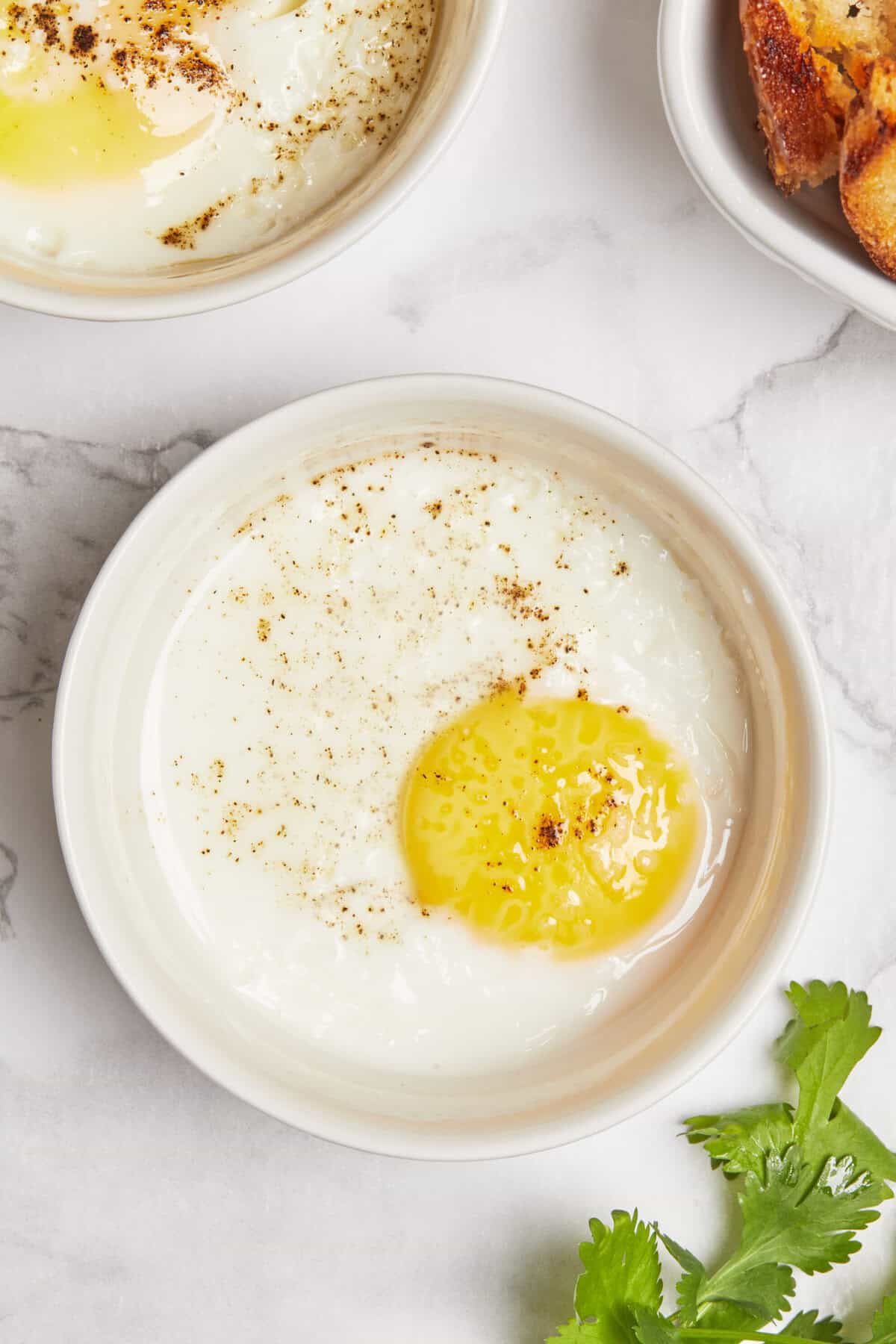
I really love eggs for breakfast. But most days, I simply don’t have time to fry them properly on the stovetop. I’m often lucky if I can grab a granola bar as I’m rushing out the door—but I’d prefer a little more protein to keep me going through a busy morning. I complained about this to my niece when she was visiting me on a break from college. When she suggested using my microwave to cook eggs more quickly, I thought she was joking. Then she pulled up this recipe for fried eggs in the microwave on her phone. I smiled politely, inwardly believing it was some kind of joke.
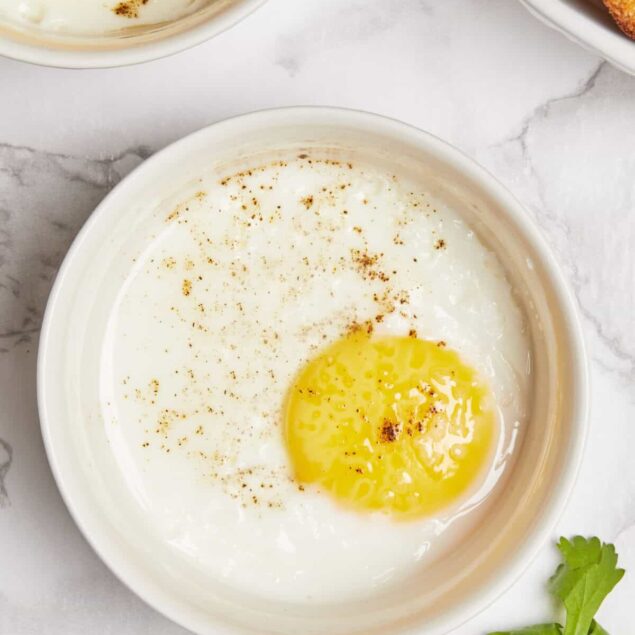
A bit later, I decided to try the recipe with a friend and her son. I was utterly shocked at how well the microwaved eggs turned out! They were just as firm, savory, and delicate as if they’d been fried in a pan—but far less greasy. Now the microwave is my go-to method for an everyday breakfast egg.
If you like a fried egg now and then but want a faster, healthier, more convenient way to get it, I encourage you to try this recipe. You have nothing to lose but a minute or two of your time—and your preconceived notions about microwaves!
Are Fried Eggs In The Microwave Healthy?
Microwaving eggs is a healthy and convenient cooking method. Contrary to common myths, microwaving can actually help preserve more nutrients compared to some other cooking techniques, thanks to the shorter cooking time and minimal use of liquid. Eggs themselves are an excellent source of high-quality protein, healthy fats, minerals like selenium and choline, and vitamins A, B12, and D. Cooking eggs makes their protein easier to digest and increases the availability of certain nutrients, such as biotin, whether you cook them in a microwave or on the stove. Plus, eggs are naturally gluten-free, Paleo-friendly, and Whole30-compliant.
Because this recipe uses only a spritz of cooking spray, it is lower in calories and fat than traditional pan-fried eggs. However, eggs do contain cholesterol, but research shows that moderate egg consumption is generally safe for most people.
Don’t Microwaved Eggs Get Rubbery?
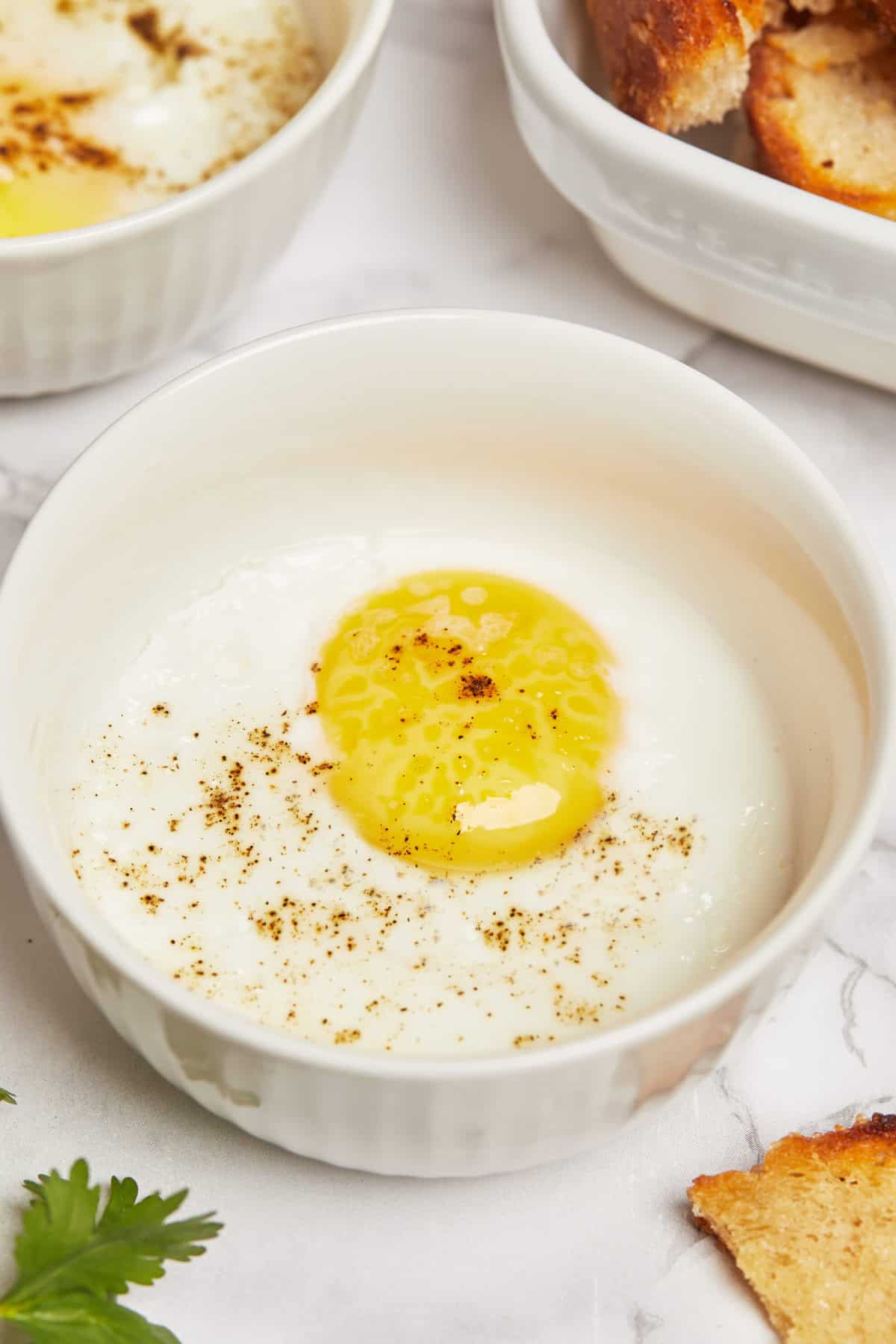
Not if you’re careful with the timing! A rubbery texture in microwaved eggs happens when they’re cooked for too long or at too high a power. That kind of treatment causes the proteins to tighten excessively and squeeze out moisture, leaving the eggs dry and tough.
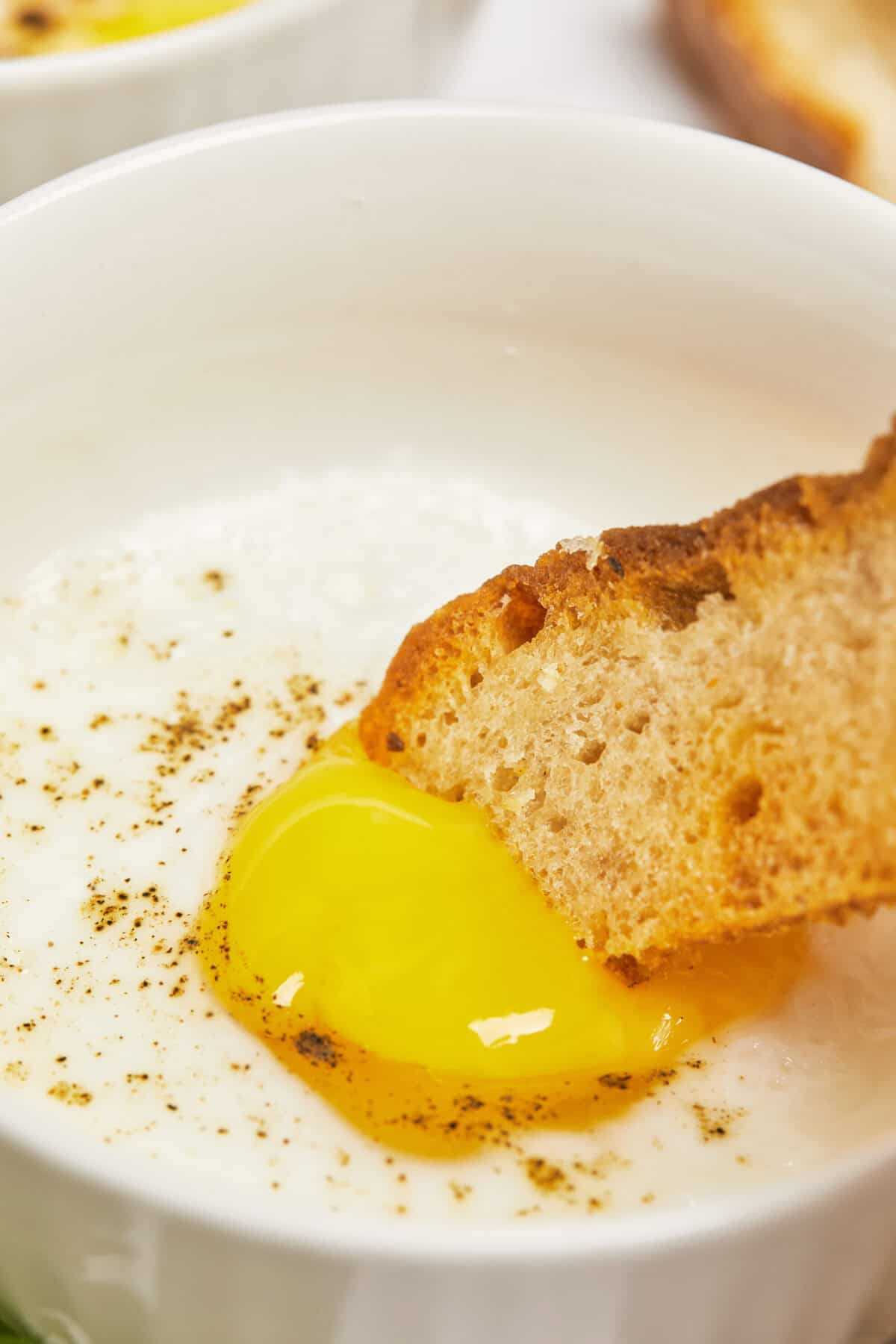
After taste-testing many fried eggs out of the microwave and comparing them to eggs cooked in a pan, I couldn’t tell the difference in preparation—and neither could my friend’s son, who is the hardest critic of them all! He has autism spectrum disorder, and food texture is a big deal to him. If it’s different, he won’t eat it. The fact that he couldn’t tell is proof that this method works just as well as the skillet.
How Do I Store Leftovers?
Microwaved eggs are best enjoyed fresh, as they can become rubbery or watery when stored and reheated. However, if I have leftovers, I let them cool and store them in an airtight container in the fridge for up to 2 days—you can chop them up and add them to salads, sandwiches, and wraps for extra protein. Freezing is not recommended for microwaved eggs.
Serving Suggestions
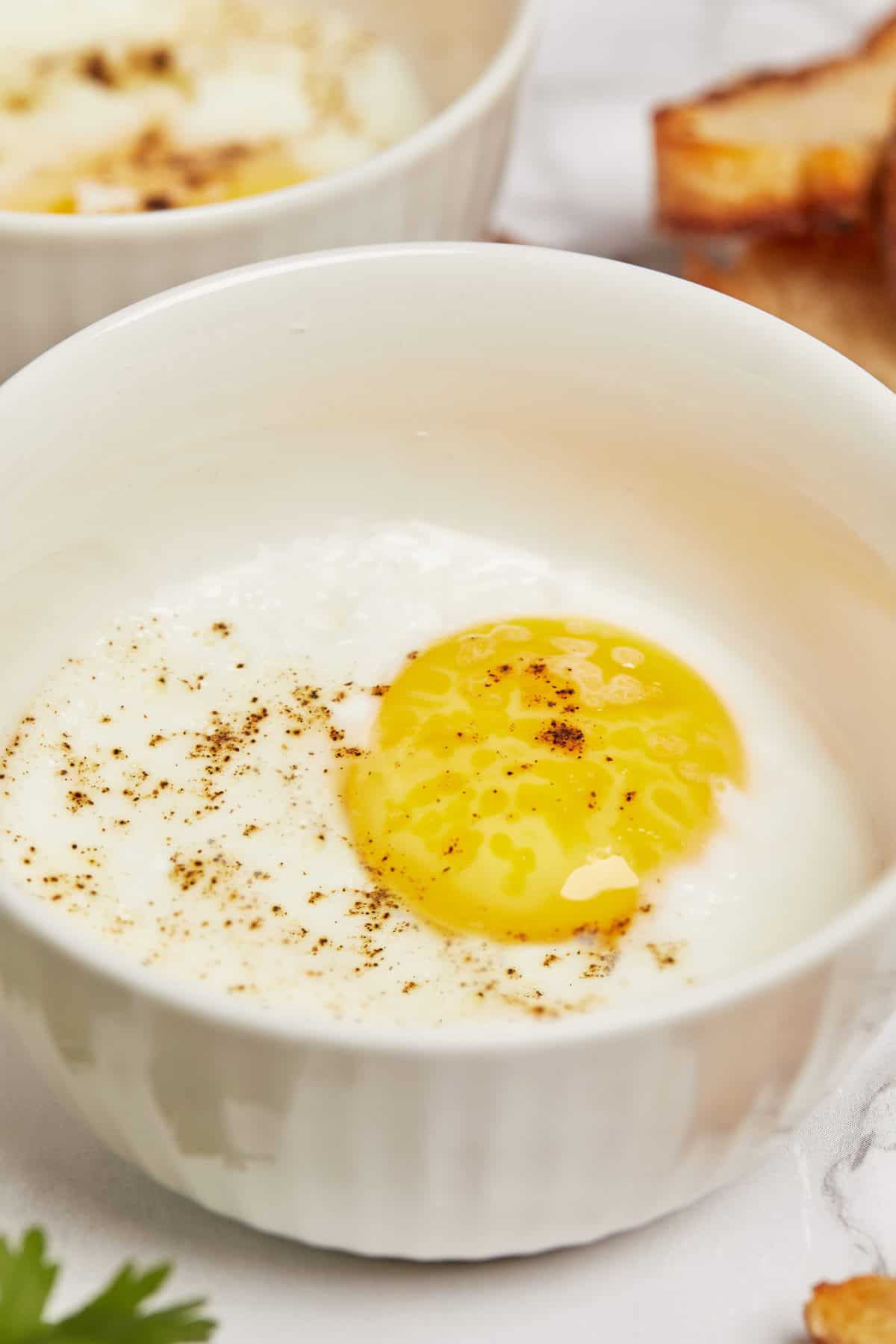
I think fried eggs in the microwave make an excellent protein hit all by themselves. But I’ve found they also pair deliciously with other quick breakfast dishes, like Gluten-Free Cinnamon Roll Overnight Oats or a Chocolate Protein Shake. You can use this recipe as a starting point for several dinner entrées, as well, including Zucchini Noodles With Pesto Fried Eggs and Spiralized Beet Salad With Turnips, Pesto, And Fried Eggs.
Ingredients
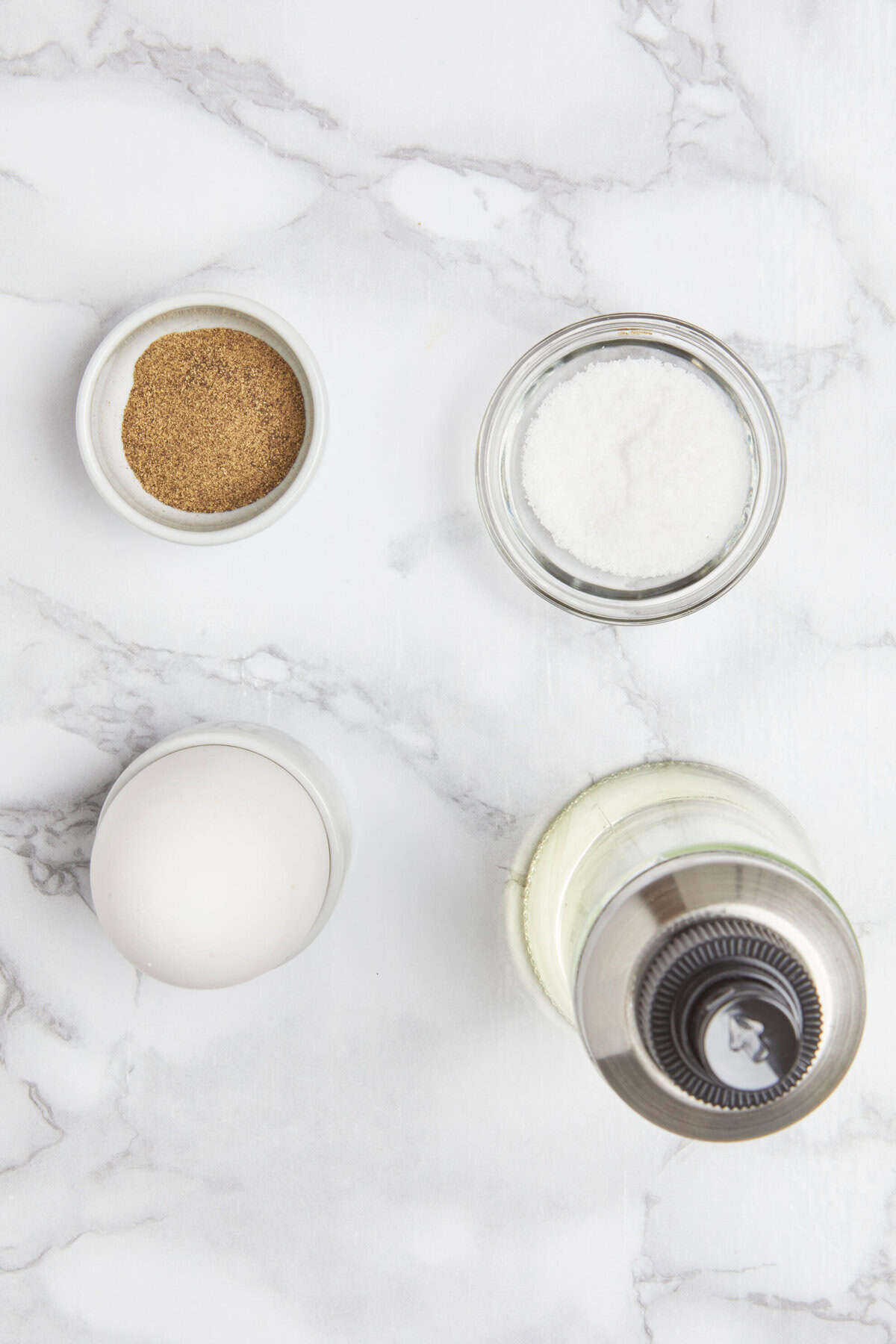
- 1 large egg
- Salt to taste
- Black pepper to taste
- Nonstick cooking spray
Instructions
- Spray a microwave-safe plate or bowl with nonstick cooking spray.
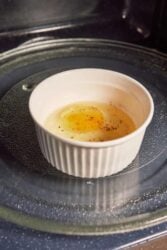
- Crack the egg onto the center of the plate, being careful to keep the yolk intact.
- Gently pierce the yolk with a toothpick or the tip of a knife to prevent it from bursting.
- Season the egg with salt and pepper to your taste.
- Microwave on high for 30 seconds, then check the egg. If necessary, continue to microwave in 10-second intervals until the white is set and the yolk is cooked to your preference.
- Serve immediately.
Nutrition Info:
Nutrition information are estimates only and may vary based on the specific brands, ingredients, and portion sizes you use. This data is provided for informational purposes only.


I used 2 IKEA ceramic bowls with a smidgen of light olive oil, a bit of salt and a 900W microwave. Obviously using 2 eggs I knew it would take a little bit longer but I still followed your 30 second guide, 2 lots of 30s and some small pops towards the end of the 2nd set. After checking found white still slightly under cooked so gave it about 15s more and as bowls hot after this left the eggs to cook a little bit more out of the microwave. Perfectly cooked white and nicely runny yolk so this gets 100% from me. This is going side by side with microwaved scrambled eggs for convenience as I eat 2 eggs every other day on toast.
Scrambled eggs as follows. Whisk 2 eggs in a micro bowl, I add a couple of splashes of Maggi for my salt taste and as I like my eggs runny I put in more milk than most people. Whisk again, put in microwave full power 1 min then whisk again then microwave for another minute and done. It’s not perfect but comes out as a cross between scrambled eggs and an omelette. A nice additive is to slice some juicy queen tomatoes before cooking and/or some smoked ham pieces.
Thanks for trying our recipe! And great tips as well.
Great info. all around. Will try tomorrow morning!
That’s great, enjoy!