

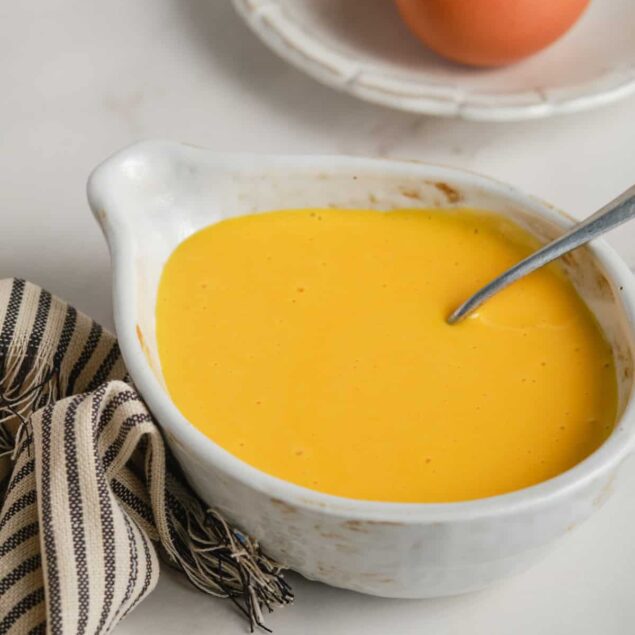
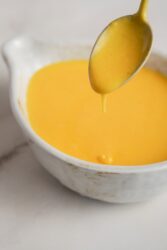
Get ready to receive all the praise (you deserve) when you serve this classic, creamy Hollandaise Sauce.
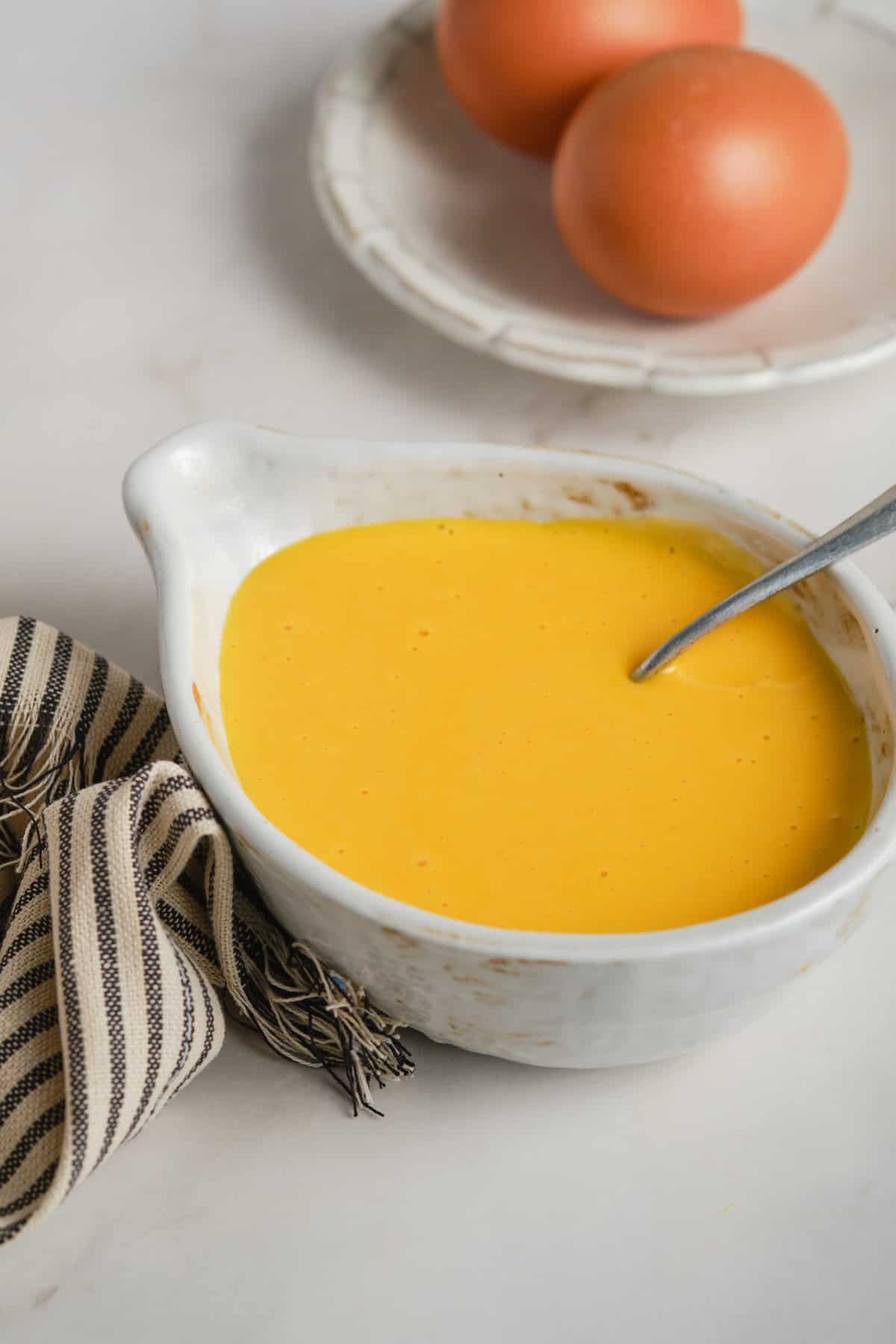
Because of its name, I had assumed that hollandaise sauce came from Holland, but it likely originated in Normandy, France—specifically Isigny-sur-Mer, famed for its exceptional butter. Originally known as “sauce Isigny,” the origins of the current name are the subject of much debate. Was it dubbed “Dutch sauce” because France imported butter from the Netherlands during World War I? Or perhaps French Huguenots, who had lived in exile in the Netherlands, brought the sauce back to France?
One thing everyone can agree on is that buttery hollandaise is practically made for fancy breakfasts and brunches. If you have not yet had the pleasure of eating hollandaise sauce, you are in for a treat! Hollandaise sauce is made with egg yolks and melted butter. It is rich and velvety, and while you can certainly taste the butter, it is not oily at all. The recipe also includes Dijon mustard and a nice hint of lemon to add depth of flavor. Are you salivating yet?
Though hollandaise sauce can seem daunting to make at home, it’s actually easier than you might think. It just takes a bit of patience. Once you master it, you’ll feel like you’ve earned a culinary badge!
Is Hollandaise Sauce Healthy?
Hollandaise sauce is made with egg yolks, which contain vitamins A, D, and E. Aside from that, no, hollandaise sauce is not healthy, since it is very high in cholesterol and up there in calories as well. It is one of those foods that is good for your soul, though! It makes you smile and feel like royalty when you eat it; just don’t do so every day. Hollandaise sauce is vegetarian and gluten-free.
A Quick Lesson on Mixing Hollandaise Sauce
So, as I’ve noted, hollandaise sauce seems intimidating to make. I get it. It is not because we don’t have the ingredients or tools. It is because science, temperature, and timing all play a role.
The allure of hollandaise lies in its velvety, smooth texture, achieved through a process called emulsification. This happens when two liquids that wouldn’t normally mix do so successfully. To make this minor miracle happen the traditional way, it’s important to keep the heat low while adding the butter. High heat will make your egg yolks cook and curdle. The butter should also be added in very slowly. With the use of a blender, however, I find making hollandaise is basically foolproof!
How to Make Ahead and Store
My hollandaise sauce can be made a day in advance and stored in an airtight container. You can reheat it in a pan on low heat while whisking, or microwave it in 10-second increments. Be sure it does not split (i.e., the ingredients separate) or overcook.
Serving Suggestions
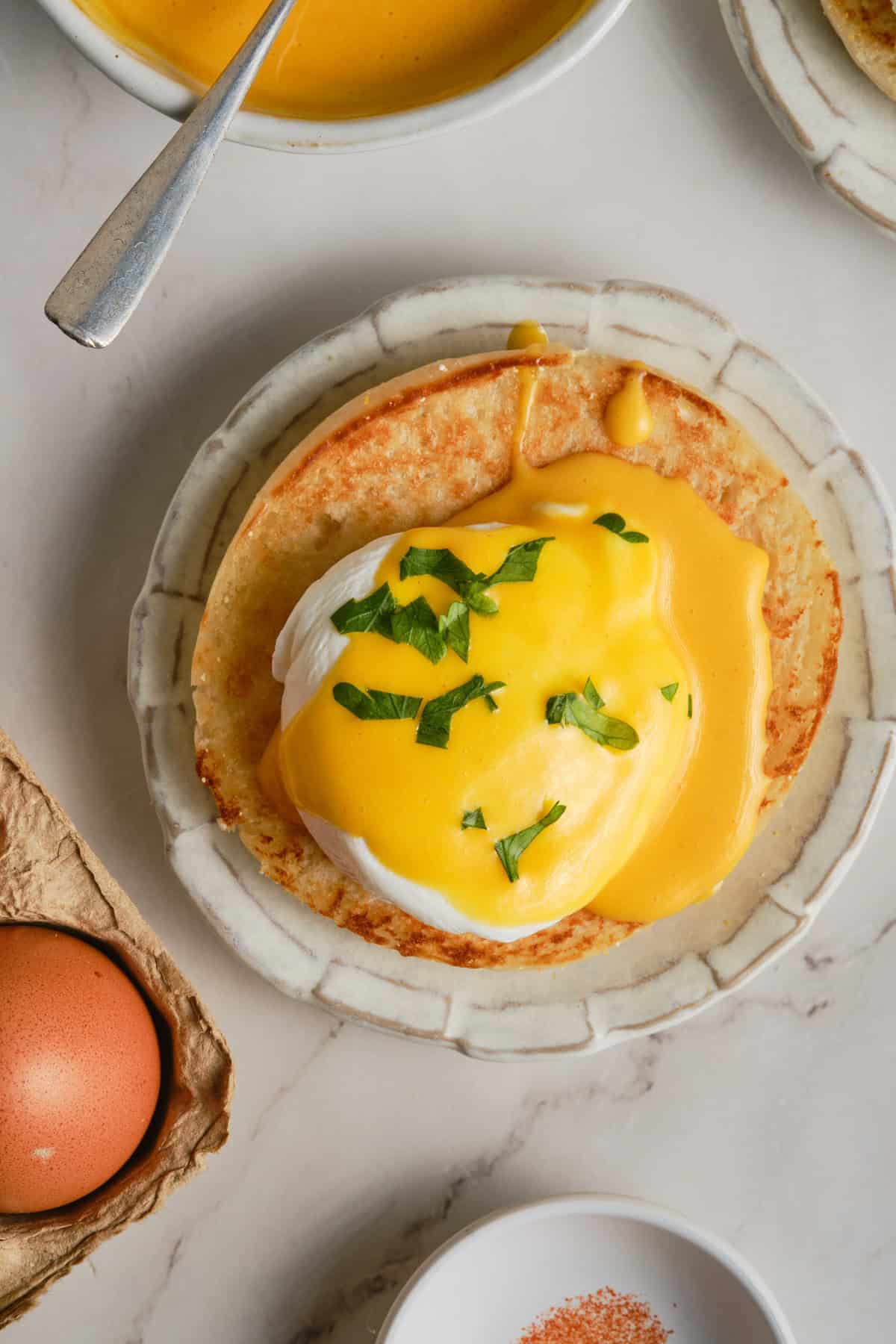
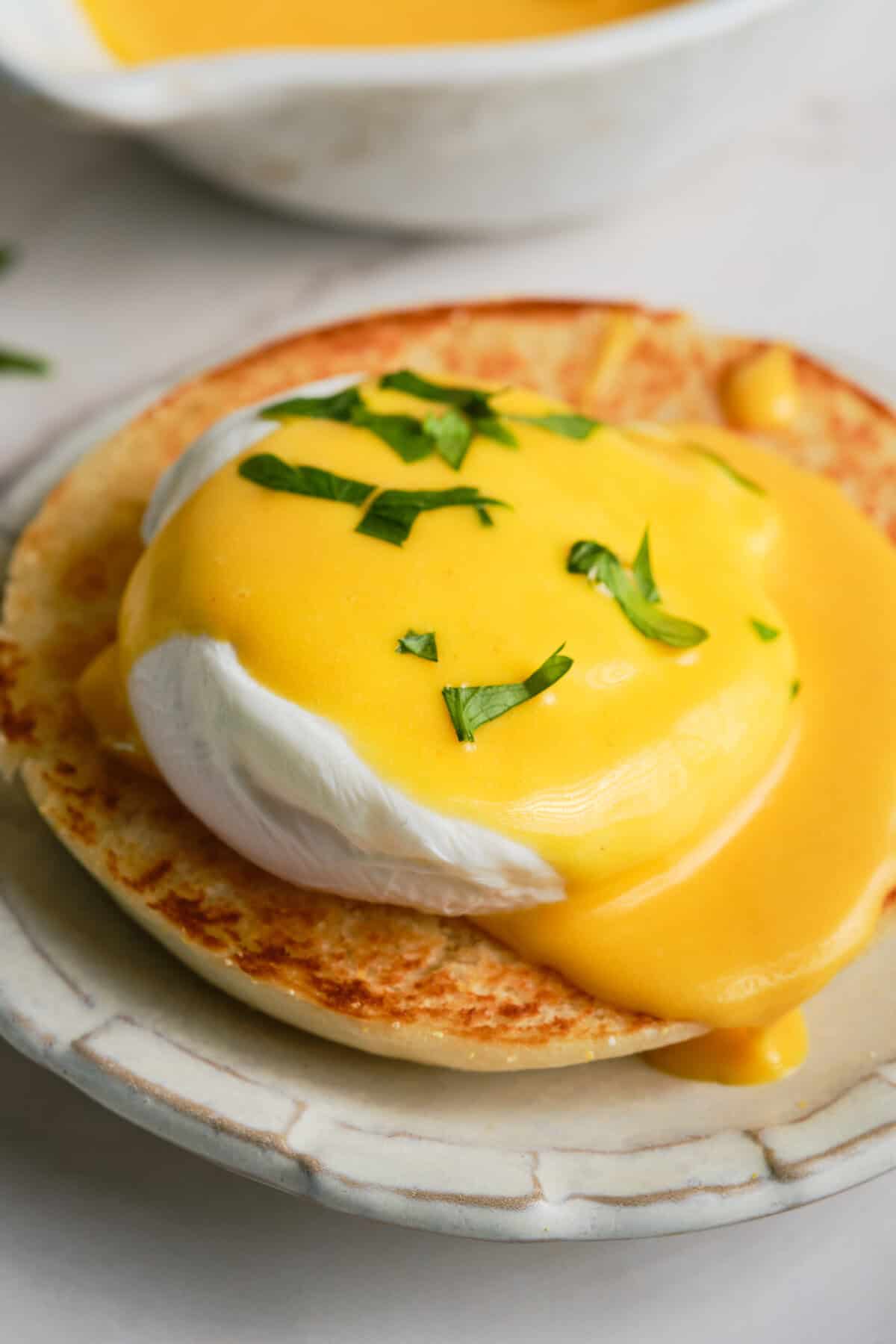
Traditionally, hollandaise sauce is served as part of Eggs Benedict and Eggs Florentine. Rightfully so! These flavor combinations are classic and so delicious. I can even bet that if you are looking at this hollandaise sauce recipe, it is likely because you are making one of those two dishes.
Additionally, hollandaise sauce is fantastic over asparagus. Try it over Roasted Potatoes And Asparagus as a rich side dish. Pair that with a nice filet mignon or steak, and you will surely impress.

Ingredients
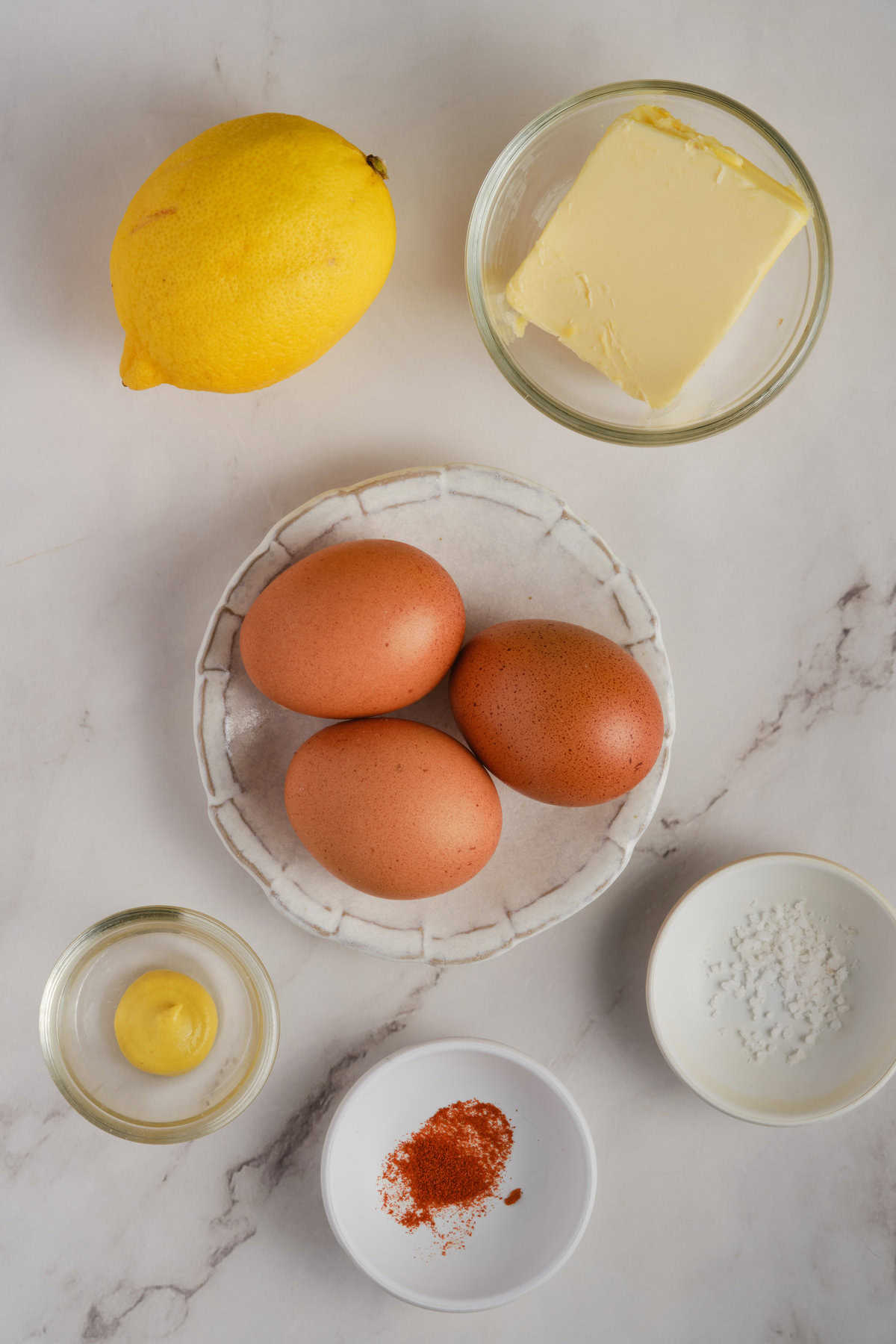
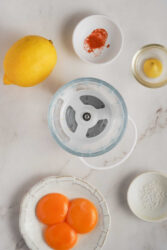
- 3 egg yolks
- 1 tablespoon lemon juice
- 1 teaspoon Dijon mustard
- 1/4 teaspoon salt
- 1 pinch cayenne pepper
- 1/2 cup unsalted butter melted and hot
Instructions
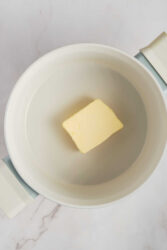
- Melt the butter until hot, either in the microwave covered to prevent splattering, or on the stove.
- Combine egg yolks, lemon juice, Dijon mustard, salt, and cayenne pepper in a blender and blend for 5 seconds.
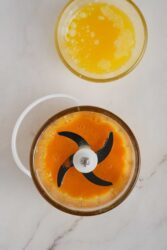
- With the blender on medium high, slowly add the hot butter to the mixture until fully emulsified into a smooth sauce.
- Transfer the hollandaise sauce to a bowl and serve warm.
Nutrition Info:
Nutrition information are estimates only and may vary based on the specific brands, ingredients, and portion sizes you use. This data is provided for informational purposes only.


Leave a Comment