

Creamy, dreamy, and incredibly comforting, this Fish Chowder is like a hug in a bowl.

If you’ve ever traveled around New England, you know just how seriously the locals take their chowder, or should I say “chowdah,” as it’s known colloquially. Whether it’s made with clams, white fish, or a mix of seafood, fish chowder is a staple dish that brings comfort and warmth amid the harsh weather of the region. It’s rich and creamy, it’s stick-to-your-ribs hearty, and it’s the perfect one-pot meal.
Derived from the French word chaudière, which translates to “cauldron”, chowder refers to the type of vessel originally used to cook it. Though there are many variations of chowder that exist today, in New England, you can count on it being thick and chunky and consisting of seafood, potatoes, onions, celery, and salted pork simmered together in a heavenly creamy broth.
A little bit salty, a little bit briny, and oh-so-savory, I guarantee you’ll find a bowl of this fish chowder to be both soothing and satisfying, even if you live in a sunny locale.
Is Fish Chowder Healthy?
Though this dish does contain lean protein and vegetables, it is a cream-based recipe, making it high in fat and calories. It also contains bacon, making it high in sodium. Therefore, it’s best to enjoy fish chowder in moderation. You could lighten it up a bit by using fat-free or 1% milk instead of heavy cream (though this will affect the chowder’s consistency) or by omitting the bacon.

New England vs. Manhattan Chowder: What’s the Difference?
The most obvious difference between the two types of chowder is the color of their broth. New England-style chowder gets its milky white color from heavy cream and/or milk whereas Manhattan-style chowder gets its red hue from tomatoes. New England-style chowder is also much thicker and heartier than its thinner, brothy Manhattan-style counterpart. You’ll also find that some Manhattan-style recipes call for the addition of other vegetables, such as carrots and bell peppers.

How to make ahead and store
You can make this fish chowder a day ahead of when you plan to serve it—just don’t add the fish. Store it in the fridge, reheat it in a large pot, and add the fish 10 to 15 minutes before serving time. Store any cooked fish chowder leftovers in an airtight container in the fridge for up to 4 days. I don’t recommend freezing this dish, as it could affect the texture of the fish, and the cream and butter could potentially separate upon reheating.

Serving Suggestions
Ladle a generous portion of fish chowder into a bowl, and top it off with a handful of Seasoned Oyster Crackers for a delicious crunch. You could also serve it with Homemade Ritz Crackers, Almond-Flour Crackers, or a nice slice of crusty bread.
Like to enjoy your soup with a refreshing side salad? Same! In that case, you’ll definitely want to pair your chowder with this recipe for Winter Salad or this one for Kale Caesar Salad. The tanginess of this Cucumber Salad would also provide a nice contrast to the richness of the chowder.


Ingredients
- 1/3 cup unsalted butter
- 4 bacon slices chopped
- 1 large onion chopped
- 2 stalks celery diced
- 3 large Yukon Gold potatoes peeled and diced
- 1 teaspoon dried thyme
- 2 bay leaves
- 3 cups fish or vegetable stock
- 1 pound cod or other firm white fish cut into chunks
- 1 cup heavy cream
- Salt and freshly ground black pepper to taste
- Old Bay seasoning to taste
- Fresh parsley chopped for garnish
Instructions
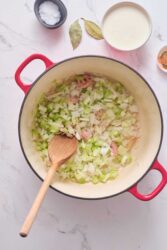
- Melt butter in a large pot over medium heat. Add bacon, onion, and celery; sauté for about 10 minutes.
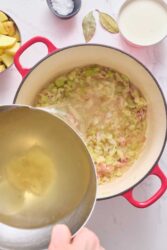
- Add the diced potatoes, thyme, bay leaves, and stock. Bring to a boil, then reduce heat and simmer until potatoes are tender, about 15 minutes.
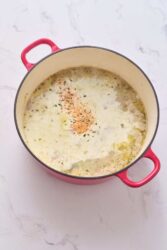
- Add the fish chunks to the pot. Simmer gently until fish is cooked through, about 10 minutes. Stir in the heavy cream, and season with salt and pepper and Old Bay. Heat just until hot without boiling.
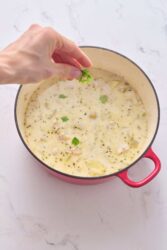
- Adjust seasonings and add more stock if needed. Sprinkle with fresh parsley when serving.
Nutrition Info:
Nutrition information are estimates only and may vary based on the specific brands, ingredients, and portion sizes you use. This data is provided for informational purposes only.


Leave a Comment