

This classic combination of eggs and cheese is as simple as omelets get, but it doesn’t need to be complicated to be delicious and satisfying.

Once upon a time, someone thought to throw cheese into a hot pan with eggs. Nobody knows who it was, but I love and respect that person all the same. Cheese and eggs go together like any classic combination, like chocolate and peanut butter, sour cream and chives, or chili and cheese.
In honor of the simplest of pleasures, today I bring you the humble cheese omelet. It’s the easiest an omelet can get, and it’s what I eat for breakfast when I have a little bit of time to cook, but not all that much energy. It requires no creativity, barely any energy, and only a few staple ingredients most people already have in their kitchen.
A perfectly cooked cheese omelet is fluffy and just salty enough, satisfying from the protein and fat in the cheese and egg, and will satiate both the deepest and the shallowest of hunger pangs. It comes together in minutes and only requires a novice skill level on the stove. There’s a 99% chance you already have all the ingredients, so if you start now, you could have yourself an omelet in under ten minutes!
Is This Cheese Omelet Healthy?
Cheese omelets are pretty healthy! A single egg has a moderate dose of protein and some healthy fats, and you’re likely to get some protein and calcium with the cheese, no matter which cheese you choose. Eggs also contain a significant amount of vitamin A. If you’re watching your fat intake, it might be a good idea to pick a low-fat cheese for your omelet. Overall, this omelet recipe is suitable for vegetarians and people following a keto diet. To make this dish dairy-free, use olive oil or plant-based butter instead of regular butter and seek out a quality plant-based cheese.
The Best Cheese For A Cheese Omelet
The ideal omelet cheese is salty and takes on a gooey consistency when melted. A gooey melted cheese ensures that the two halves of the omelet “glue” together. This describes lots of cheeses! As a “cheese person” myself, I love using white cheddar, provolone, mozzarella, or Gouda cheese in an omelet. Brie is also lovely in an omelet, as are Havarti, raclette, and Fontina.
A few common cheeses out there might taste good in this recipe, even though they don’t melt in a gooey fashion. If you don’t care about the omelet being glued together by the cheese, feel free to try feta, Cotija, Parmesan, or halloumi.
How Do I Store Leftovers?
Omelets are best eaten fresh, but any leftovers can be placed in an airtight container in the fridge for up to 3 days. The sooner you eat it, the better, as the omelet’s texture will become rubbery if you wait too long. Don’t bother freezing an omelet, because it will likely have an unpleasant texture once reheated.

Serving Suggestions
A cheese omelet is an easy standalone breakfast, but it could definitely use a little more fiber, so feel free to serve it with a side of Sautéed Spinach or a bright Cucumber And Tomato Salad With Onions. For a more traditional breakfast, serve it alongside Air-Fryer Toast, fresh fruit, and crispy Hash Browns. Add some Baked Maple Bacon or Air-Fryer Breakfast Sausages for an extra-impressive breakfast.


Ingredients
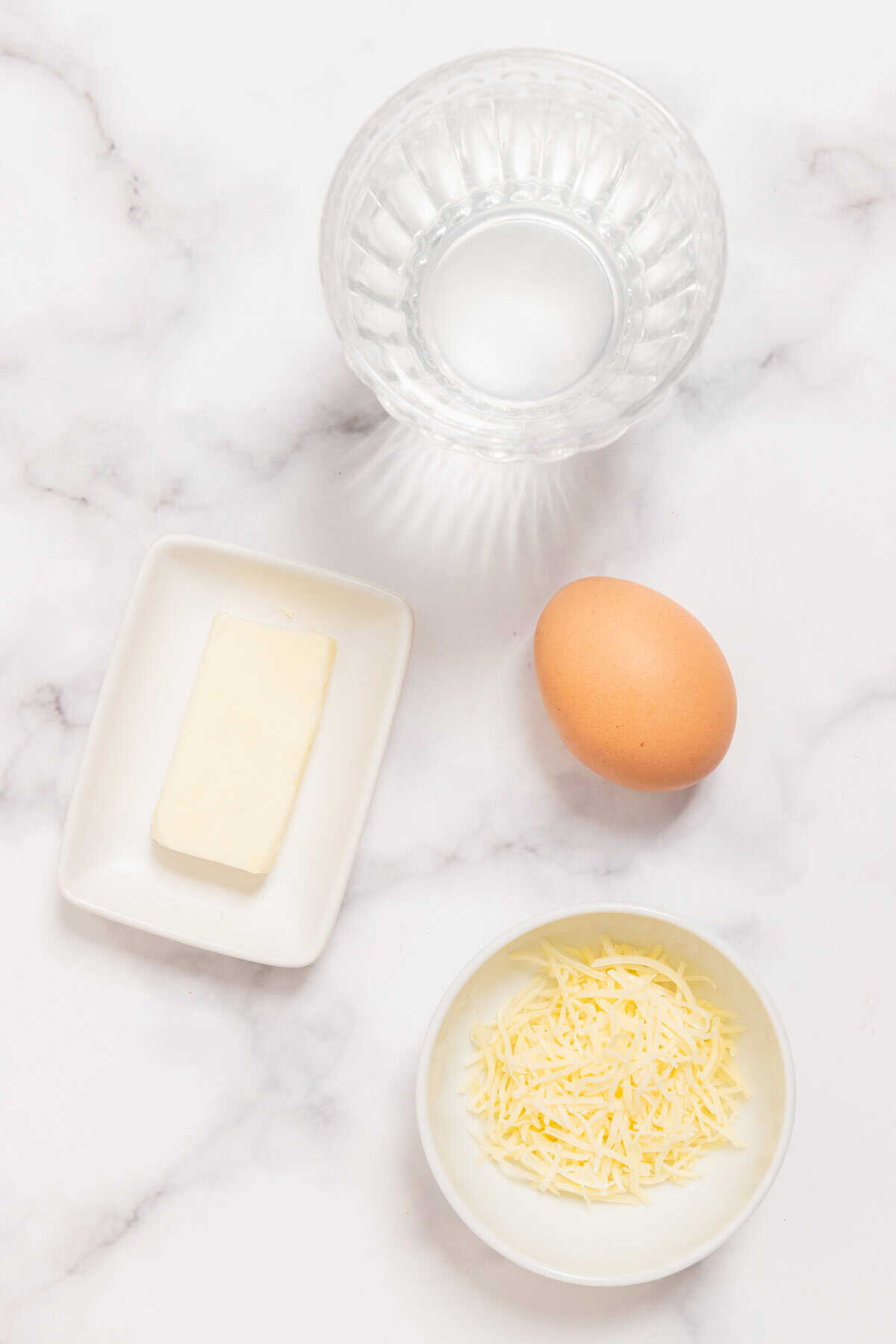
- 1 large egg
- 1 teaspoon water
- 1 tablespoon shredded cheese such as cheddar or mozzarella
- 1 teaspoon unsalted butter
Instructions
- In a bowl, beat the egg with water until well mixed.

- Heat butter in a nonstick skillet over medium heat until melted, then coat the bottom of the pan with the melted butter.

- Pour the egg mixture into the skillet, tilting to spread evenly. Cook without stirring until the edges begin to set.
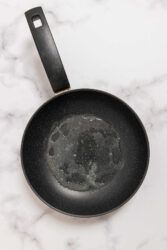
- Gently push cooked edges toward the center, tilting the pan to allow uncooked egg to flow into the empty space.
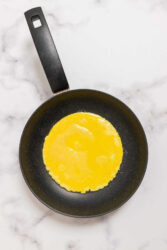
- When the egg is set and the bottom is light golden, sprinkle cheese over one half of the egg.
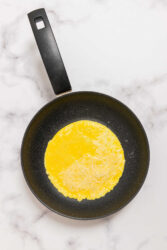
- Fold the omelet in half with a spatula and cook for another 30 seconds to melt the cheese.
- Slide the omelet onto a plate and serve immediately.
Nutrition Info:
Nutrition information are estimates only and may vary based on the specific brands, ingredients, and portion sizes you use. This data is provided for informational purposes only.


Leave a Comment