

Become a banh mi boss right in your own kitchen!
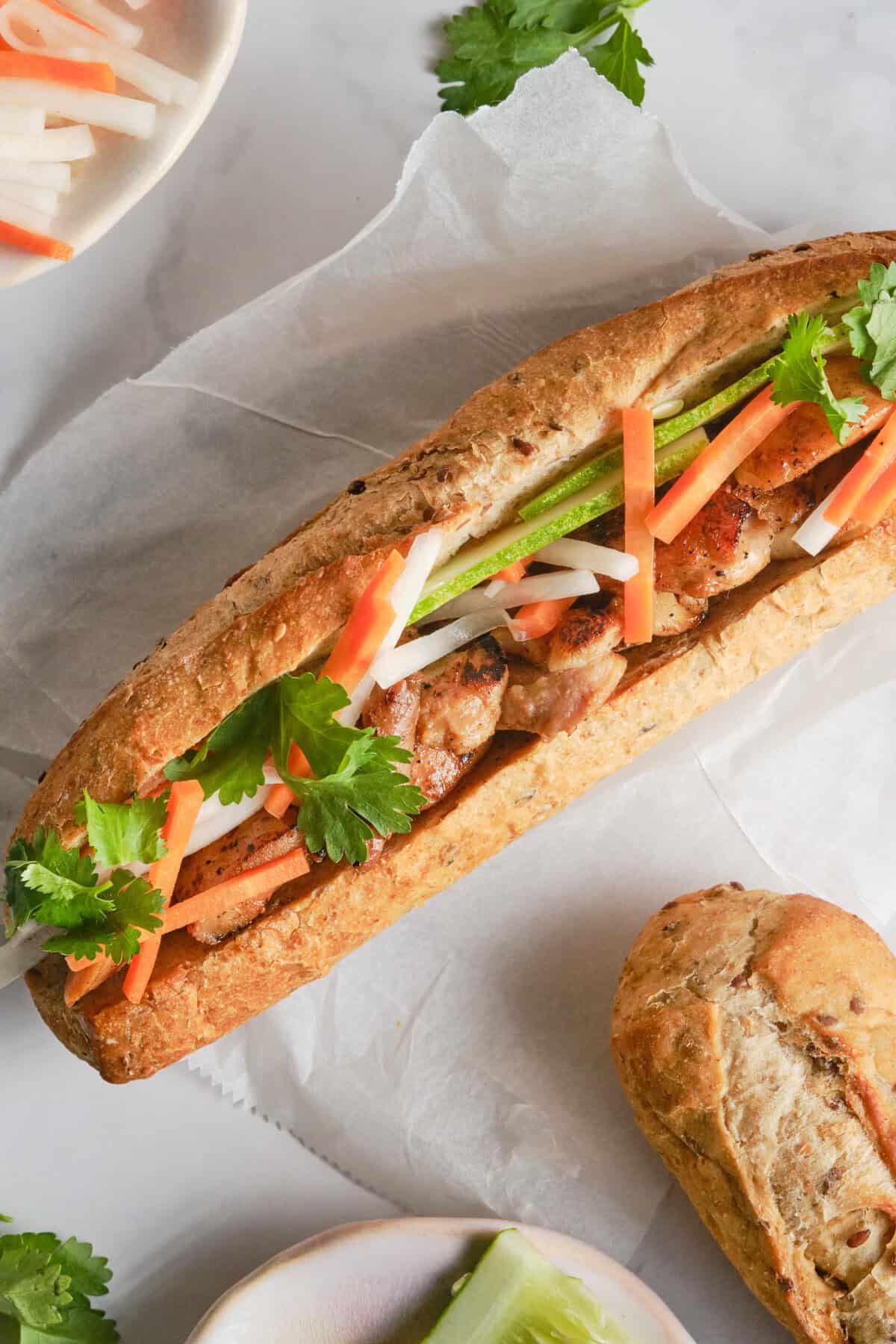
Let’s get real about the awesomeness that is Vietnamese food—I’m talking ’bout that legendary banh mi sandwich. This baby is a game changer, and it’s got this rad mix of Vietnamese cool and French chic. You bite into that toasty, oh-so-good baguette, and BAM! Tender chicken that’s been soaked in flavor, peppy pickled veggies, and herbs that will make your taste buds sing. It’s a fireworks show for your mouth. Seriously, no shocker, peeps all around the globe can’t get enough of this stuff.
Banh mi sandwiches can be found all over, from low-key food carts to top-tier eateries. But why blow your money on takeout when you can bring some Vietnamese flavor into your own kitchen? I’ve got this killer recipe that’ll walk you through every layer of this iconic sandwich. So, tie up that apron and prepare for a foodie journey to Vietnam.
Are Banh Mi Sandwiches Healthy?
This recipe has its fair share of wholesome, healthy qualities. Chicken is a good source of lean protein, though thighs do contain more fat than breast meat. Chicken also contains B vitamins, iron, and zinc. The pickled veggies add vitamins and antioxidants to the mix, while the baguettes fuel you with carbs.
As the recipes for the marinade and pickles contain soy sauce, fish sauce, and salt, you may want to make some swaps if you’re watching your sodium intake. A lower-sodium soy sauce can cut this amount without cutting the flavor. You could also use chicken breast or even tofu instead of chicken thighs if you wanted a lighter protein option.
Origins Of The Banh Mi
The banh mi sandwich has origins in Vietnam that trace back to the 1800s, taking off in popularity once French colonists introduced baguettes to the region. By the 1950s, the banh mi sandwich was a popular Vietnamese street food, and over the following decades, Vietnamese-Americans would bring the iconic sandwich Stateside. Today, you can find banh mi sandwiches in delis, restaurants, and cafés around the world.
How Do I Store Leftovers?
A banh mi is best enjoyed fresh. That said, if you have leftovers, try to store the components separately. I keep the chicken in a sealed container in the fridge for up to 2 days, while my pickled veggies keep in an airtight jar in the fridge for up to 2 weeks.
Serving Suggestions
Is this your introduction to Vietnamese cuisine? If so (and assuming you enjoyed my banh mi!), why not try out these other recipes? This Chicken Pho Recipe is a classic soup with noodles and, in this case, chicken as its protein. You could also make “Pho” Slow-Cooker Pulled Pork Sandwiches, which are sort of a cross between pho and banh mi. Finally, these Spring Roll Zucchini Noodle Bowls use noodles made out of zucchini (which makes them zoodles, technically), so it’s totally healthy. You’re welcome.
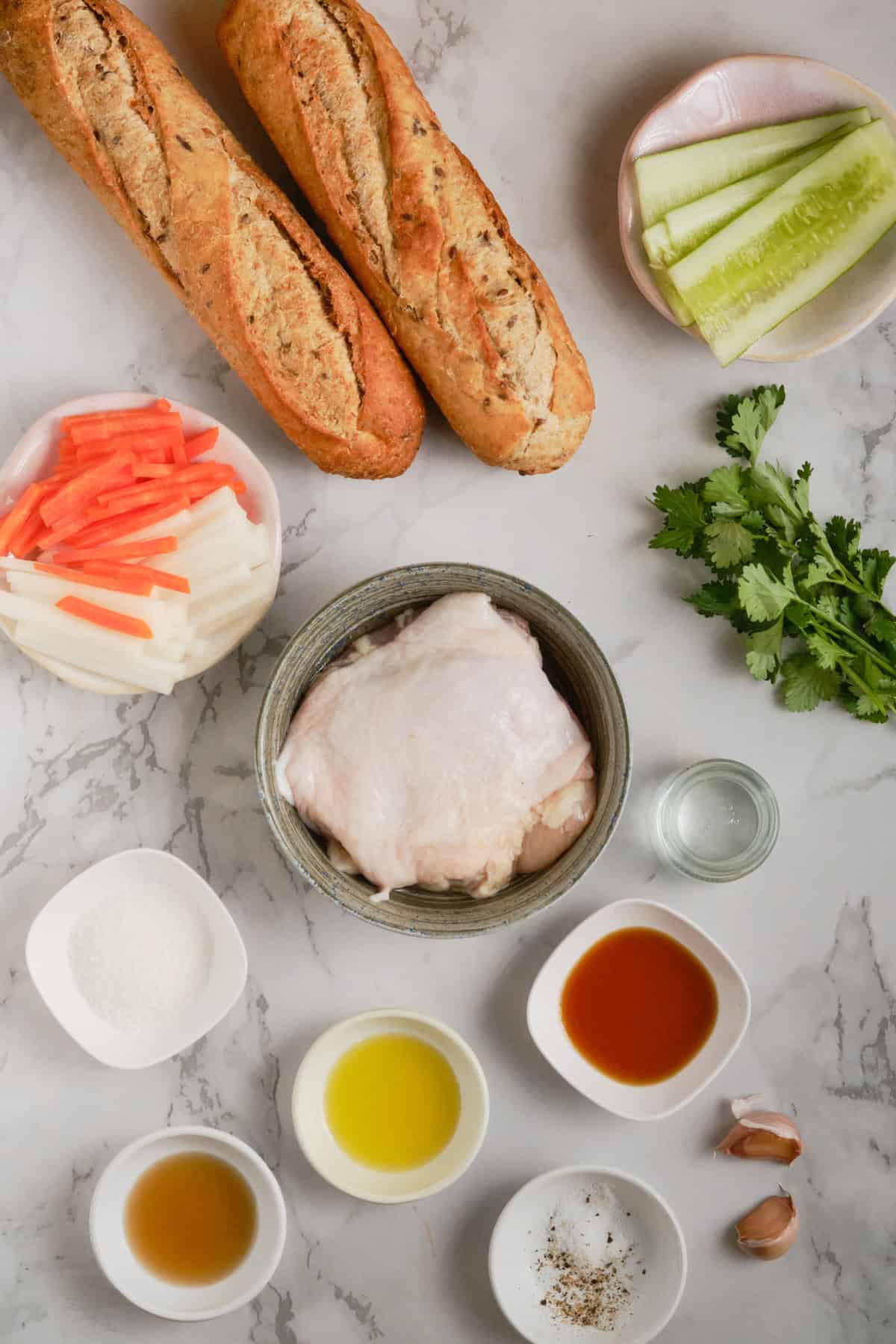
Ingredients
The Meat:
- 1 tablespoon soy sauce
- 1 tablespoon fish sauce
- 2 garlic cloves chopped
- 1 tablespoon sugar
- 1 tablespoon sesame oil
- Salt and pepper
- 1/2 pound boneless chicken thighs thinly sliced
The Pickles:
- 1/2 cup daikon peeled and julienned
- 1/2 cup carrot peeled and julienned
- 1 tablespoon rice vinegar
- 1/2 tablespoon sugar
- pinch salt
The Sandwiches:
- 2 small baguettes
- fresh cilantro leaves
- 1 cucumber thinly sliced
Instructions
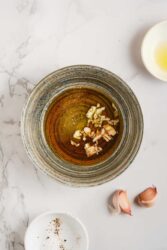
- Combine the soy sauce, fish sauce, chopped garlic, sugar, and sesame oil in a large bowl and whisk well. Season with salt and pepper.
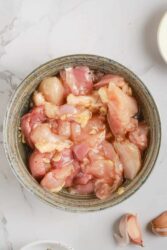
- Add the sliced chicken thighs and toss to coat. Let the meat marinate for at least 30 minutes in the fridge.
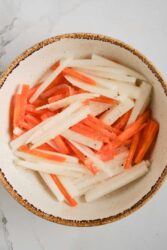
- Place the daikon and carrot sticks in a bowl. Add the rice vinegar, sugar, and salt. Stir and toss to coat. Let it sit for 10 minutes in the fridge.
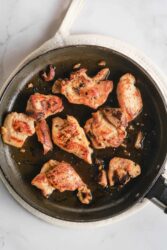
- Heat a grill pan to medium-high and add the marinated chicken. Cook the meat for 3 minutes on each side until cooked and browned. Set aside.
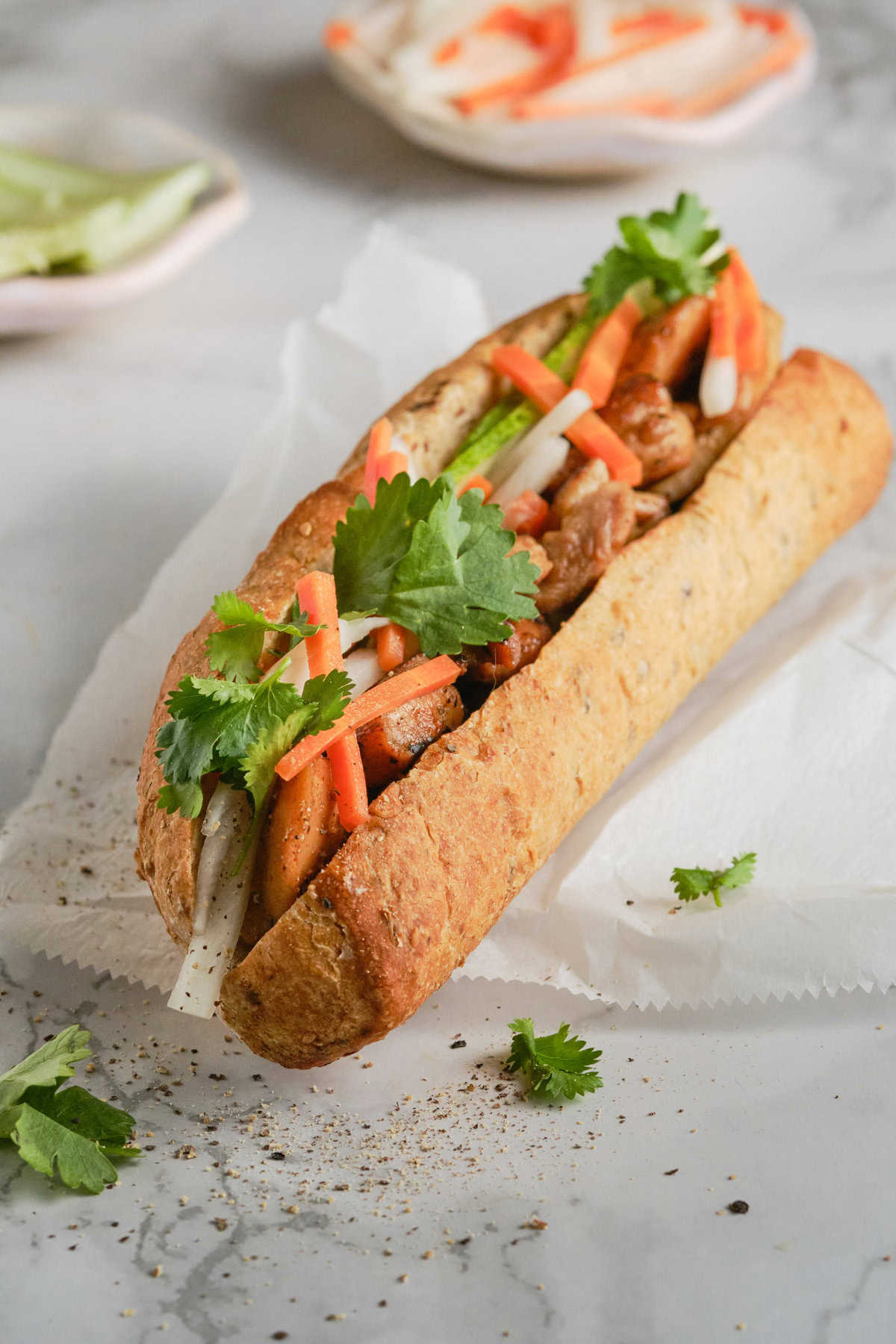
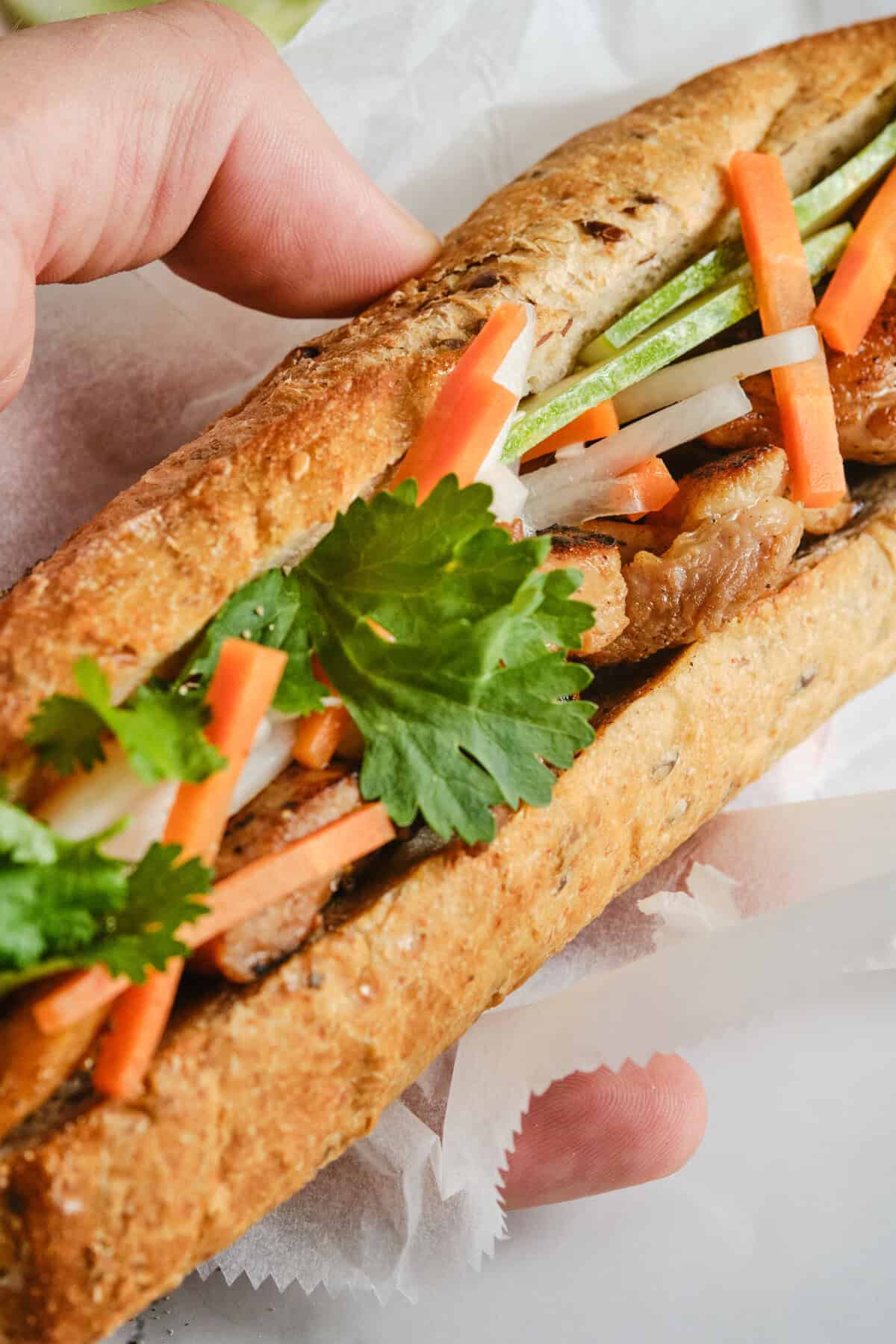
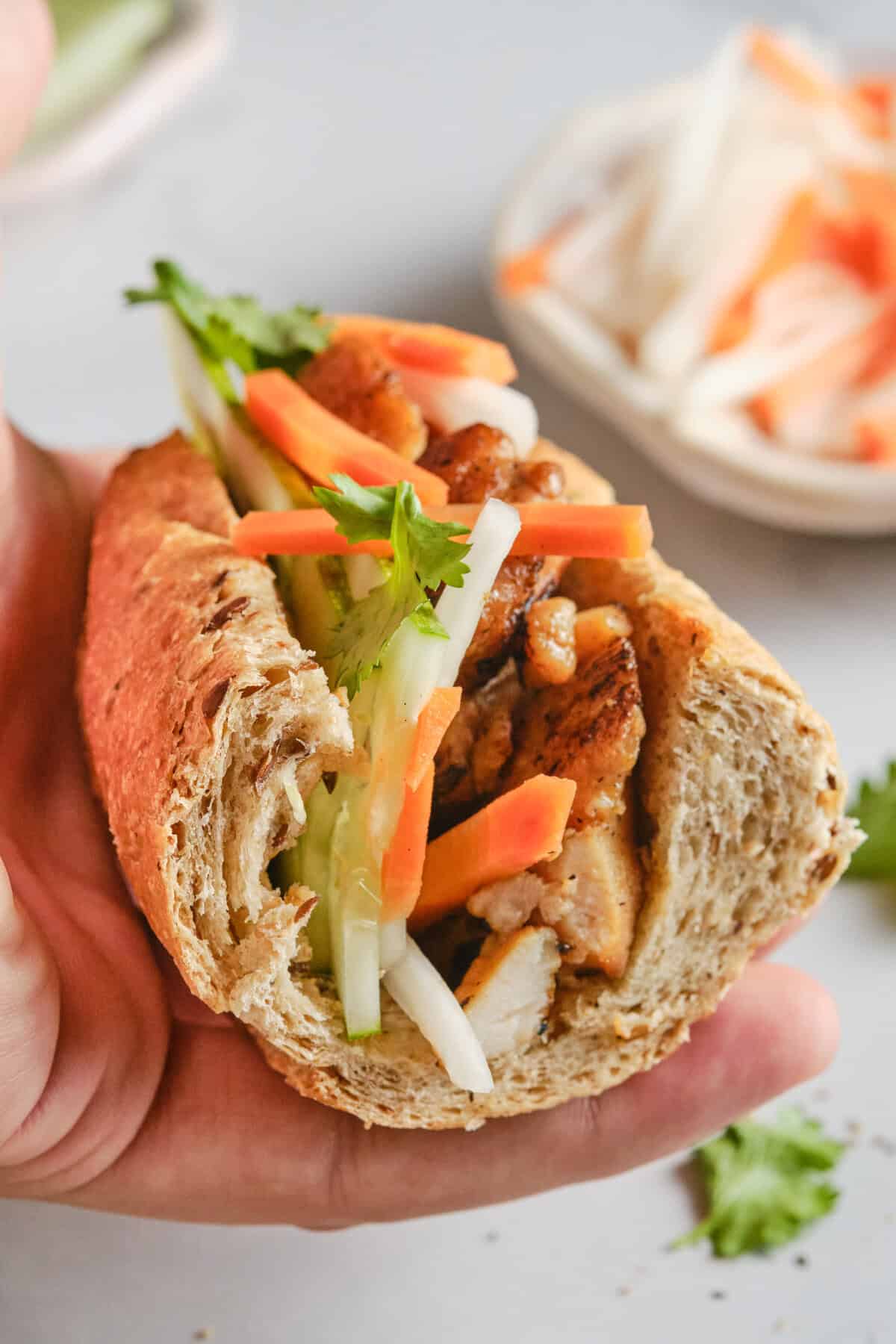
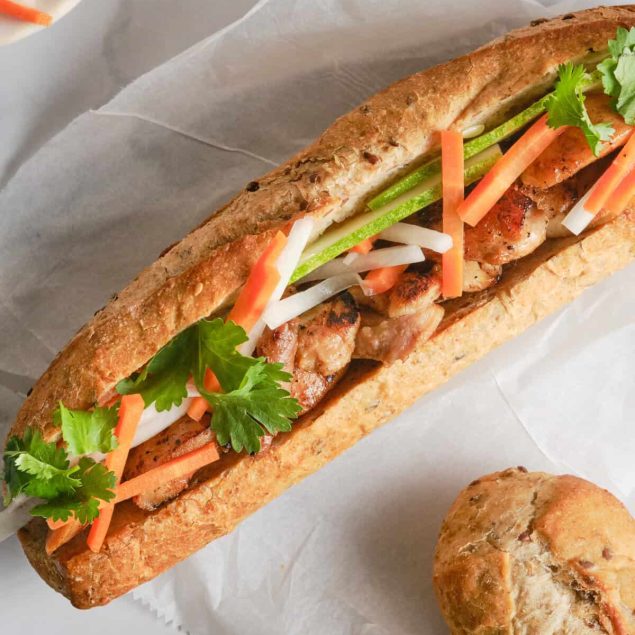
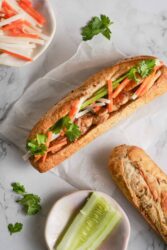
- Divide the cooked chicken evenly between the sandwiches and top with the pickled vegetables, cucumbers, and cilantro leaves. Cut in half or leave as a whole.
Nutrition Info:
Nutrition information are estimates only and may vary based on the specific brands, ingredients, and portion sizes you use. This data is provided for informational purposes only.


Leave a Comment