

From pizzas to desserts, brighten any dish with a drizzle of this simple, two-ingredient Italian masterpiece.
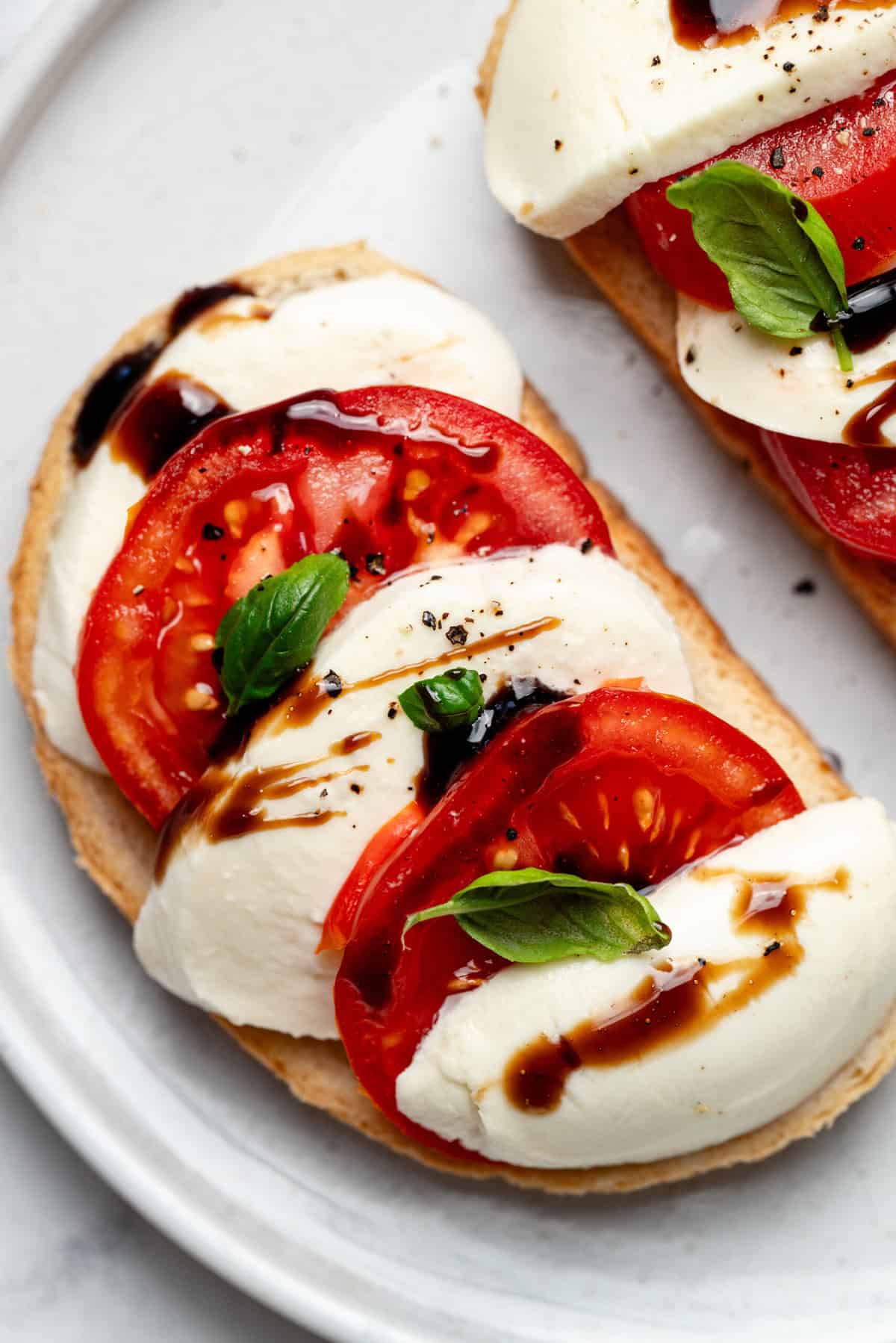
The process of cooking grapes to produce balsamic vinegar, a key ingredient in balsamic glaze, has a rich history that dates back to Ancient Roman times. This practice continued and became a luxury through the reigns of kings in their castles, as well as among aristocrats. It’s amazing how balsamic vinegar has undergone significant evolution over the years and gained even greater popularity following World War II. I suppose we can thank the founder of Williams-Sonoma, the high-end kitchen store, for introducing balsamic vinegar from Modena, Italy, to the United States in 1977.
Balsamic vinegar can still set you back quite a few dollars, but there are way more affordable options these days. By the 2000s, balsamic glaze had become a trend on many plates worldwide. From your token bread basket and olive oil at an Italian eatery to a hip chef drizzling it over vanilla ice cream, balsamic glaze was a trend that made everyone (including me) feel like a foodie.
What makes balsamic glaze so appealing? Personally, I love its versatility. Balsamic glaze features a tangy, sweet, and syrupy flavor. It’s rich and bold, yet not overbearing. Balsamic glaze takes its vinegar base far beyond the realm of salad dressing. In fact, I use it for both sweet and savory dishes. It can be the main ingredient for something like a glazed salmon or the final touch to a gourmet cookie recipe.
Even better, it’s effortless to make. With just two ingredients and about 20 minutes of your time, you can create your homemade balsamic glaze. The only tricky part for me is choosing where to add it first.
The science behind balsamic glaze
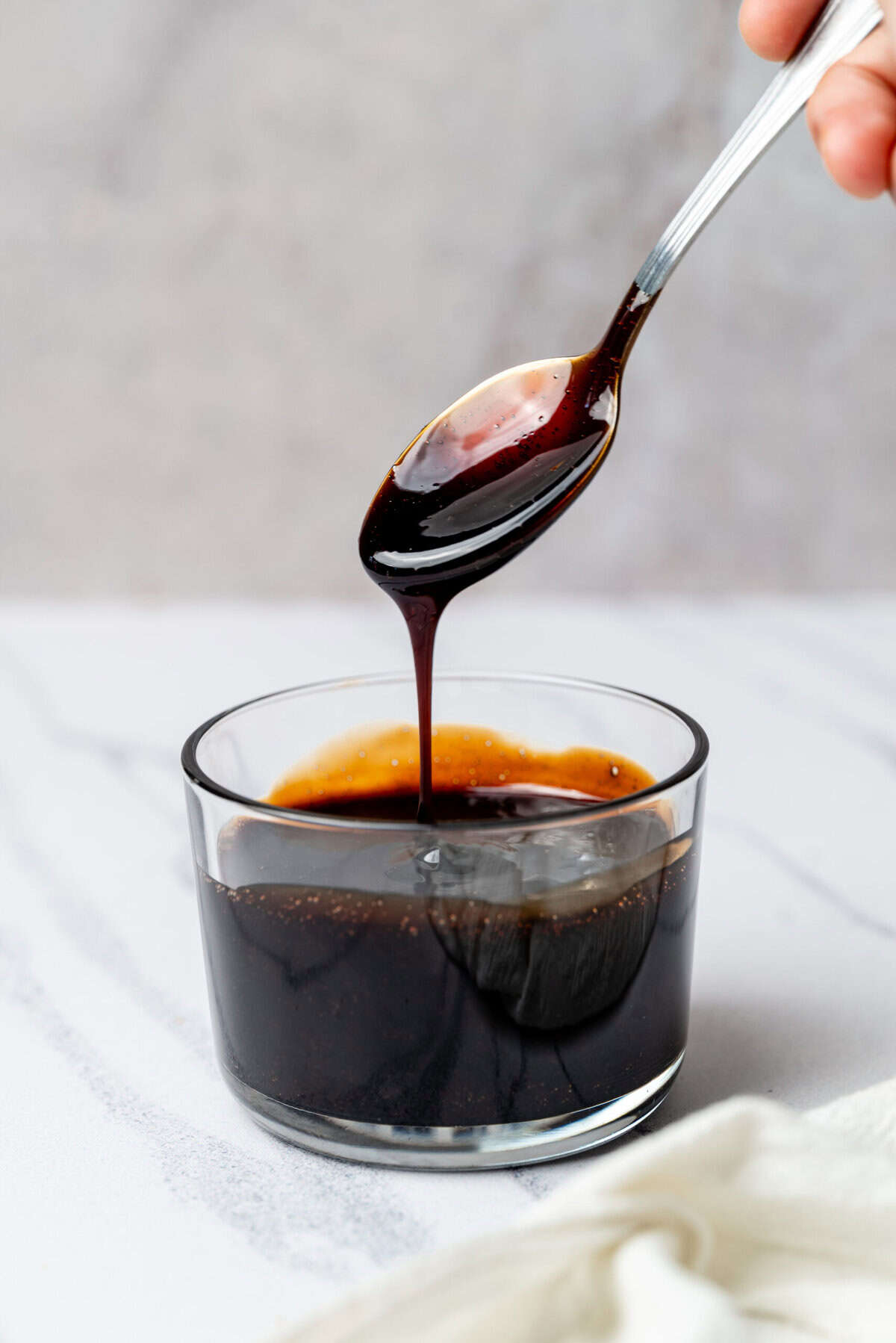
The process of transforming balsamic vinegar into balsamic glaze is known as reduction. When the vinegar begins to simmer, the water starts to evaporate. After simmering for some time, it thickens into a rich, syrupy balsamic glaze. This process also reduces the acidity and concentrates the sugars.
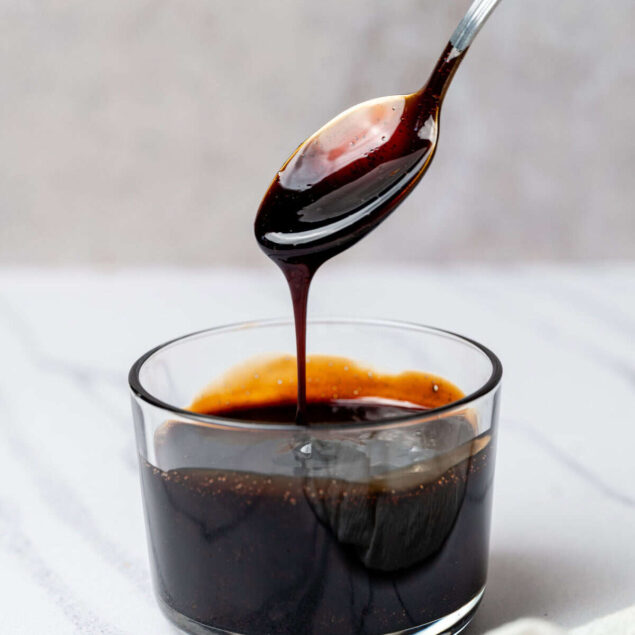
Be sure to stir your reduction frequently and monitor the consistency closely. Once the balsamic vinegar has reduced into a glaze, it will appear almost velvety and be as thick as maple syrup.
How do I store leftovers?
To store my balsamic glaze, I pour it into a jar or bottle with a lid or an airtight container and allow it to cool completely. If left at room temperature, my balsamic glaze lasts approximately 5 to 7 days. When refrigerated, it will remain good for up to 3 weeks. I do not recommend freezing balsamic glaze.
Serving suggestions
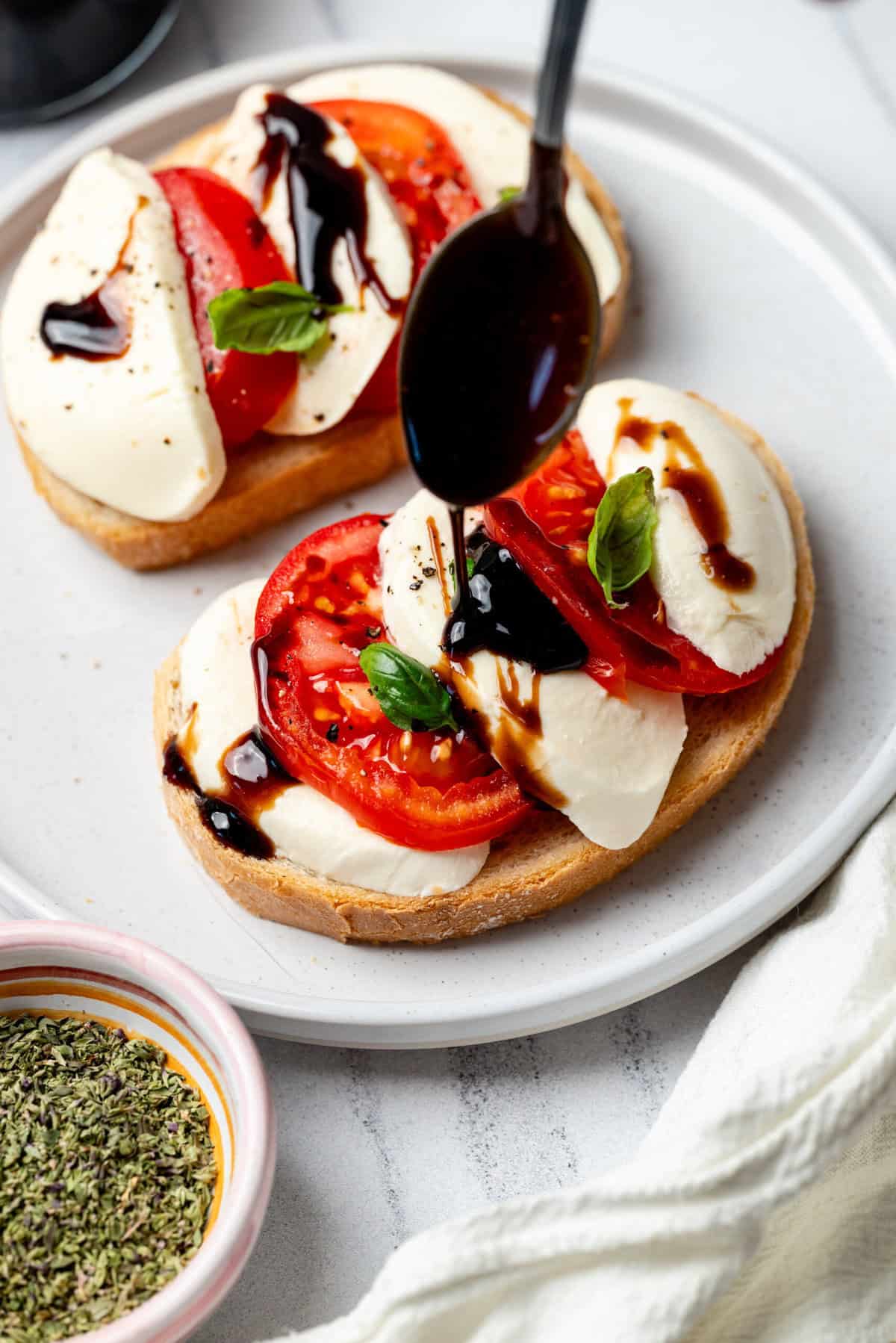
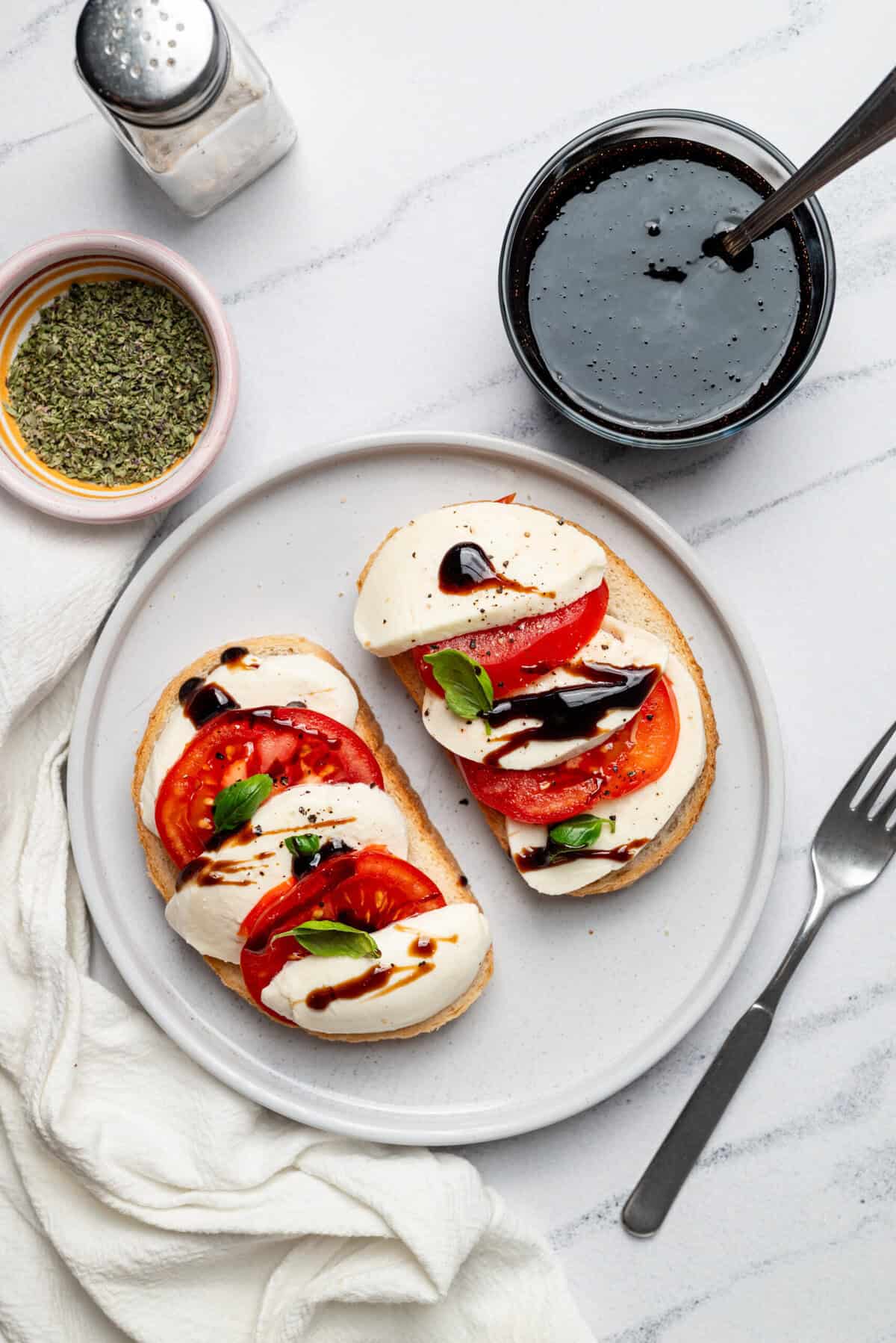
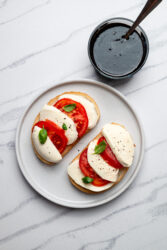
Balsamic glaze is suitable for both savory and sweet foods. I also use only a small amount, because the flavor is rich and intense. My go-to choice with balsamic glaze is to drizzle it over homemade pizza. Traditionally, it is used to enhance the flavor of Caprese Pizza, but it really goes with any kind. Try your glaze with this vibrant Phyllo Dough Pizza or tasty Flatbread Pizza. You can also elevate a simple Crostini with balsamic glaze and serve it with Whipped Ricotta for the best (and easiest) appetizer ever. Finally, for an out-of-this-world dessert, drizzle it on Peach Cheesecake on these Cranberry-Pistachio Shortbread Cookies.
Ingredients
- 1 cup balsamic vinegar
- 3 tablespoons brown sugar
Instructions
- Combine balsamic vinegar and brown sugar in a small saucepan. Stir well until the sugar dissolves.
- Place the saucepan over medium heat. Once a simmer develops, reduce the heat to low and let it cook for about 15-20 minutes, stirring frequently, until the mixture is reduced by half. Add more sugar if desired and stir to dissolve.
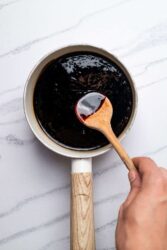
- Remove the saucepan from heat and allow the glaze to cool. It will thicken further as it cools.
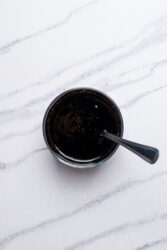
- Drizzle the cooled glaze over your favorite dish or salad and enjoy.
Nutrition Info:
Nutrition information are estimates only and may vary based on the specific brands, ingredients, and portion sizes you use. This data is provided for informational purposes only.


Leave a Comment