

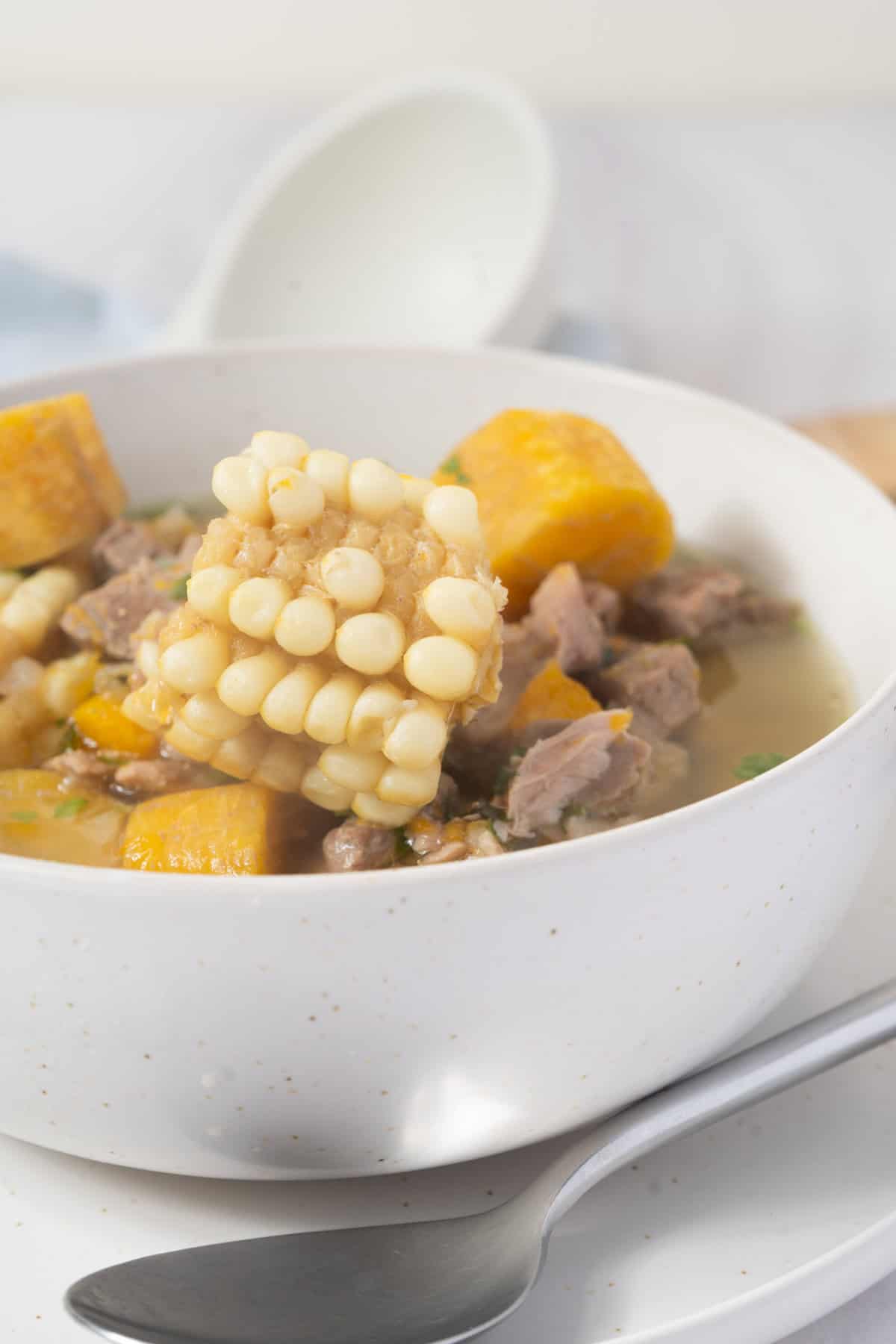
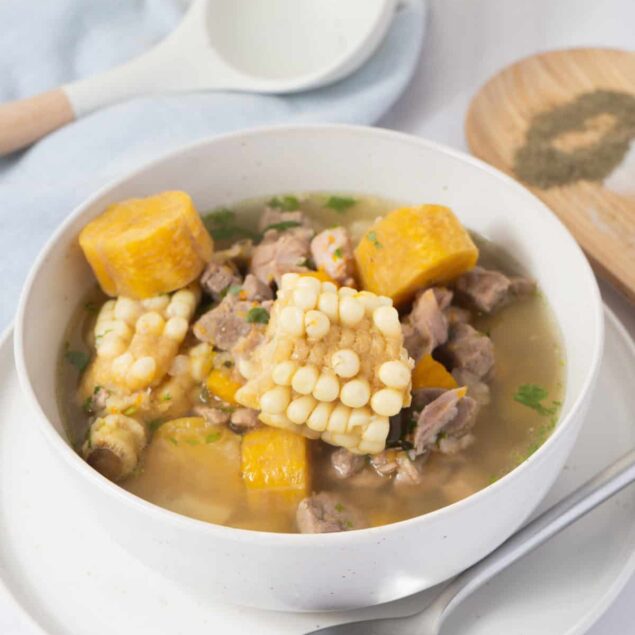
Packed with an assortment of meat, veggies, and bold flavors, this hearty Sancocho is your new favorite comfort food.
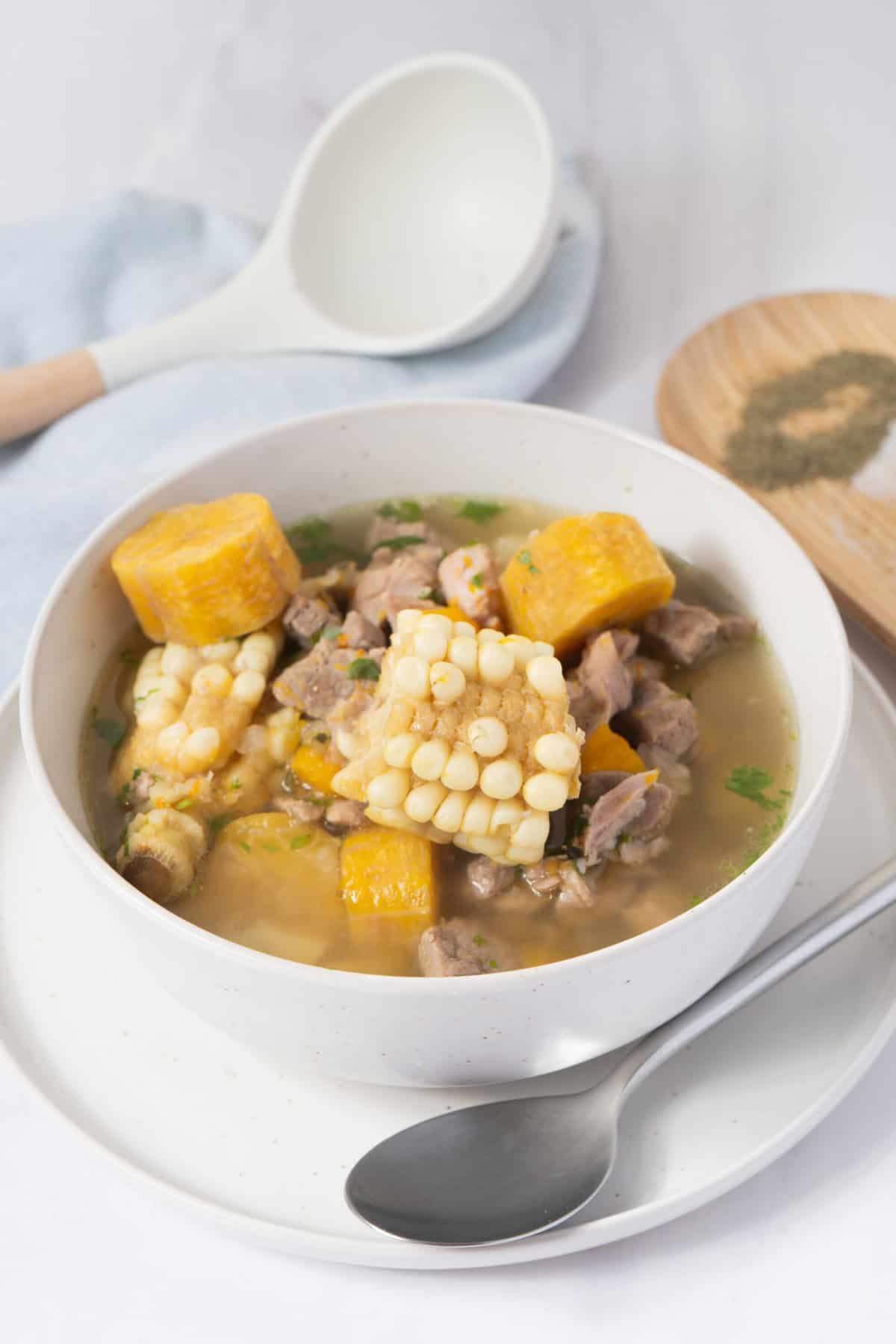
No two recipes of sancocho are the same. It’s one of those great big stews where you throw in everything but the kitchen sink. This dish is a staple throughout Latin America, and in Puerto Rico, the word sancocho is even used as slang for “a big old mix of things.”
Sancocho is believed to have Spanish origins. It likely evolved from adafina, a dish featuring meat and chickpeas traditionally prepared by Sephardic Jews in Spain. One of the first variations, known as cocido, was made on the Canary Islands (with African influences) and featured fish, potatoes, and bell pepper sauce. The dish was brought to the Americas by Spanish colonizers in the 15th century, and over time, regional variations emerged throughout Latin America, with different meats, root vegetables, and seasonings, depending on the country.
The stew’s base is a hearty and filling broth, filled to the brim with a variety of meats and vegetables. Textures abound, from corn kernels to beef fat to chunks of pumpkin. Prepare to use every spice in your cabinet to really enhance the flavors of the meat and veggies.
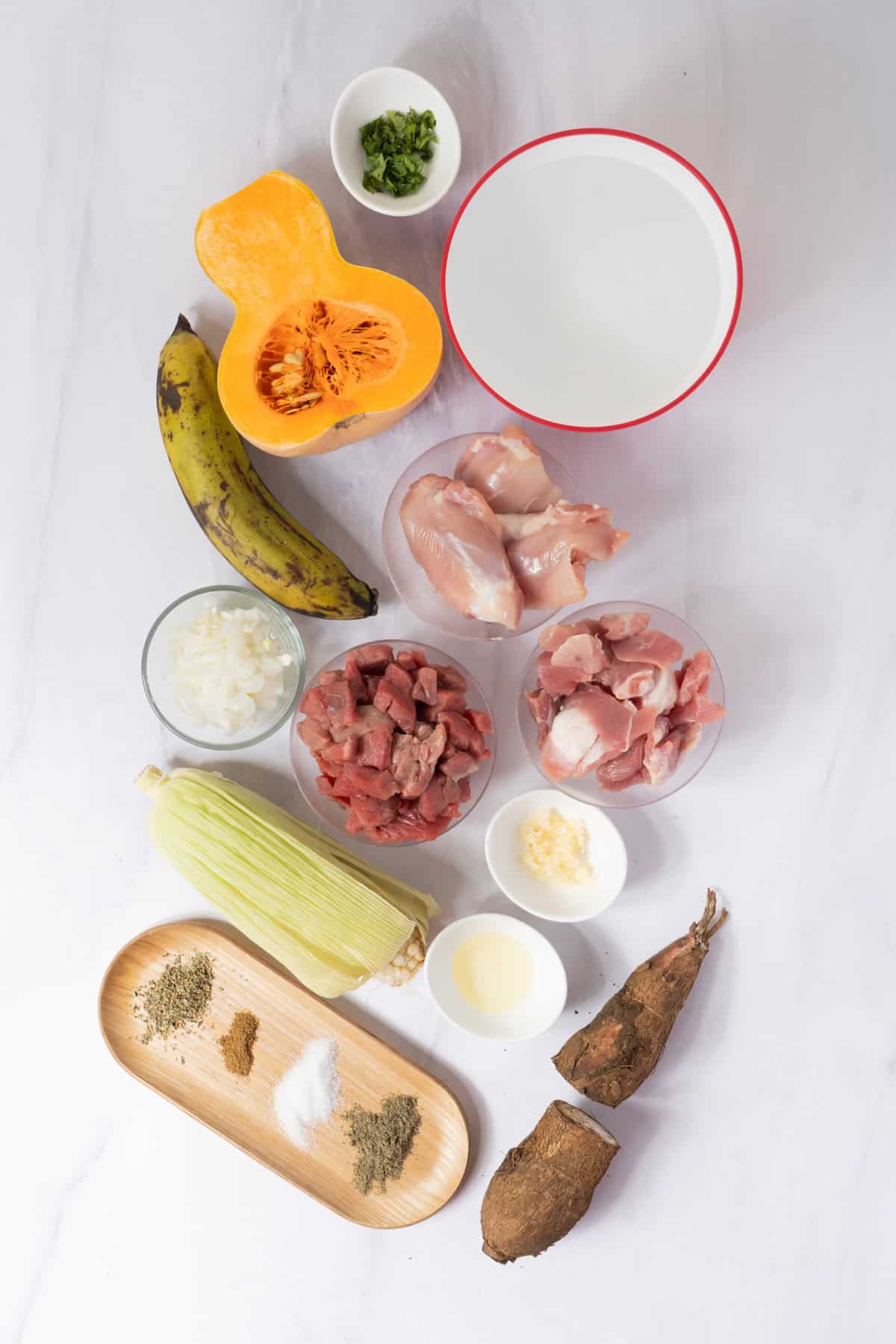
What is calabaza?
If you haven’t heard of calabaza, don’t worry—a lot of Americans probably haven’t. It’s not a common ingredient around here. However, it is the star veggie for this recipe.
Calabaza is a Caribbean pumpkin. Compared to your butternut squash and your standard pumpkin, calabazas are sweeter. They also do well in long simmers, so they shouldn’t turn to mush.
I’m sure you’re wondering: where can I find calabazas? That can be tricky depending on where you live. Frankly, I’d be surprised if your grocery store carries it. That said, Mexican and Latin American grocery stores should have them in stock. If you can’t find any, you could use butternut squash, though it may lose its shape more quickly compared to calabaza. You’ll still get a similar flavor profile, though!
How do I store leftovers?
If you want to make this recipe in advance, good news! Sancocho actually tastes better the next day. Just make sure to quickly cool it and refrigerate it within 2 hours.
Leftovers can be stored in the fridge for up to 4 days or frozen in meal-size portions for up to 3 months. Bear in mind, however, that freezing will affect the texture of the starchy vegetables, making them slightly mushy.
Serving suggestions
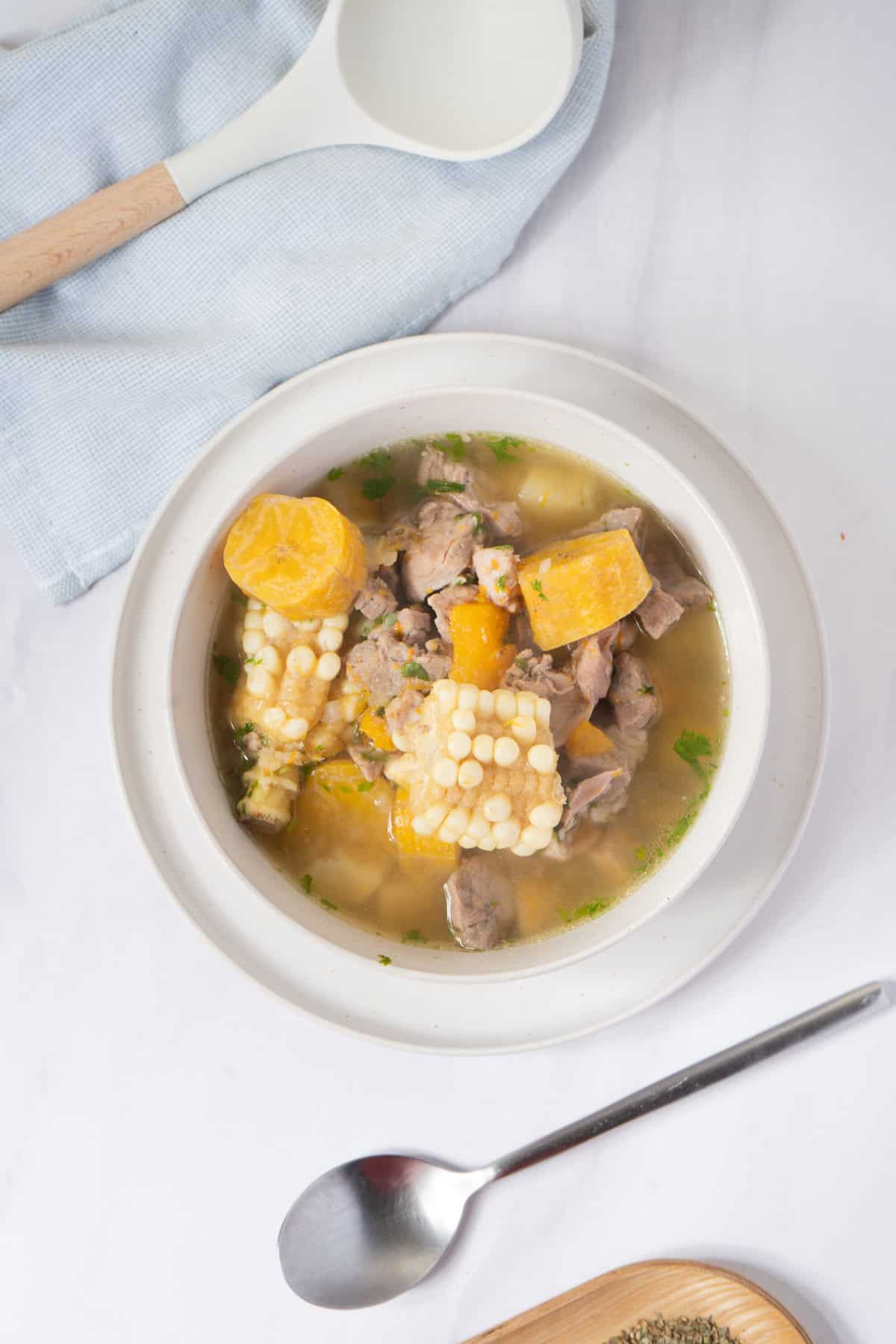
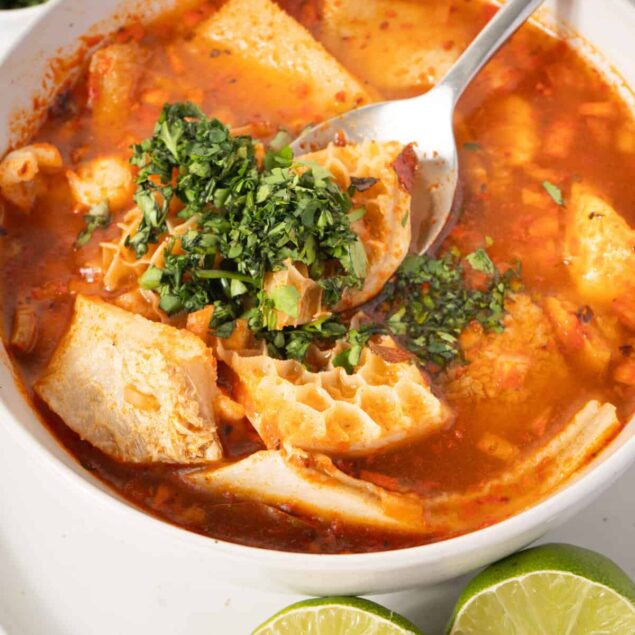
Most sancochos are served with white rice, but there are other options. Avocado, hot sauce, a squeeze of lime—the list is endless. For something less conventional, add a dollop of sour cream. It’s not a common topping, but the creamy contrast works quite well. Even a crusty bread (also not a common pairing) is perfect for this stew. And for a light side, serve a Mexican Chopped Salad with an ice-cold Michelada.
Ingredients
- 1 pound beef stew meat cut into chunks
- 1 pound chicken thighs, skinless, boneless cut into chunks
- 1 pound pork shoulder cut into chunks
- 1 teaspoon salt
- 1 teaspoon black pepper
- 1 teaspoon oregano
- 1 teaspoon cumin
- 2 tablespoons olive oil
- 1 large onion chopped
- 4 cloves garlic minced
- 2 green plantains peeled and cut into chunks
- 1 large yuca cassava, peeled and cut into chunks
- 1 cup calabaza Caribbean pumpkin, peeled and cut into chunks
- 2 ears of corn husked and cut into rounds
- 1/2 cup chopped cilantro
- 8 cups water or chicken broth
Instructions
- Season beef, chicken, and pork with salt, pepper, oregano, and cumin. Let marinate for at least 30 minutes.
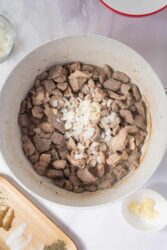
- In a large pot, heat olive oil over medium heat. Add the marinated meats and brown on all sides.
- Add onion and garlic to the pot and sauté until translucent. Then add plantains, yuca, calabaza, and corn. Stir to mix.
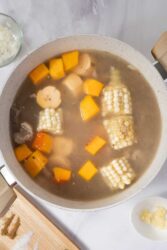
- Pour in water or broth, bring to a boil, then reduce heat and simmer for about 1 1/2 to 2 hours, or until meat is tender and vegetables are cooked through.
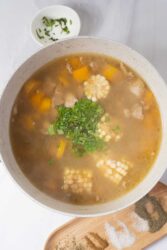
- Adjust seasoning with additional salt and pepper if needed. Stir in chopped cilantro just before serving.
Nutrition Info:
Nutrition information are estimates only and may vary based on the specific brands, ingredients, and portion sizes you use. This data is provided for informational purposes only.


Leave a Comment